Overall impressions of Brookdale Leawood State Line are mixed but patternable: many families praise the facility’s welcoming environment, attentive interpersonal care, and active lifestyle programming, while a number of reports identify operational gaps that affect consistency of care.
Care and staff: A prominent strength is the staff’s interpersonal approach. Multiple accounts describe courteous, compassionate employees who learn residents’ names, provide personalized attention, encourage participation in activities, and communicate with families. Leadership accessibility is frequently cited, with families noting direct contact with executive and nursing leadership. At the same time, concerns about staffing consistency and clinical capability appear across several accounts. Reviewers point to high staff turnover, low morale, and periods of inadequate coverage (notably evenings and weekends), which correlate with delays in responding to resident needs and uneven clinical support for residents with higher acuity or cognitive impairment. There are also specific concerns about staff training and clinical monitoring that suggest gaps in care practices for more complex needs.
Dining: Dining impressions vary. Many residents and families describe nutritious, enjoyable meals and attentive accommodations for preferences. However, others note limited menu variety, episodes of lower-quality or highly processed offerings, and situations where the kitchen was not fully operational. These mixed experiences suggest that meal quality and consistency may fluctuate with staffing, supply, or operational factors.
Activities and social life: Activity programming is generally a strong point. The community offers a broad mix of on-site and off-site options — arts and baking classes, guest musicians, field trips, and garden/amenity use — and reviewers often highlight an engaged activities director. That said, outings have occasionally been curtailed by transportation limitations (for example, a recalled bus) or scheduling constraints tied to staffing, producing variability in how frequently off-site events occur.
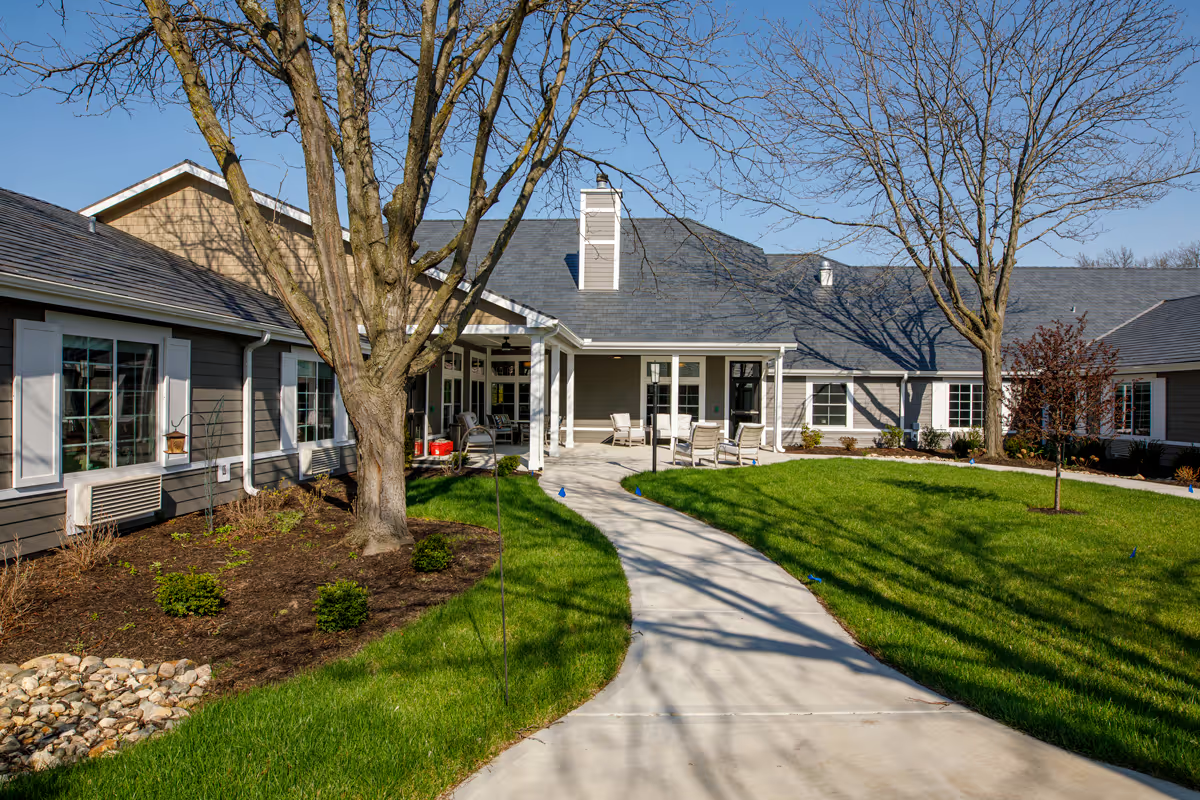
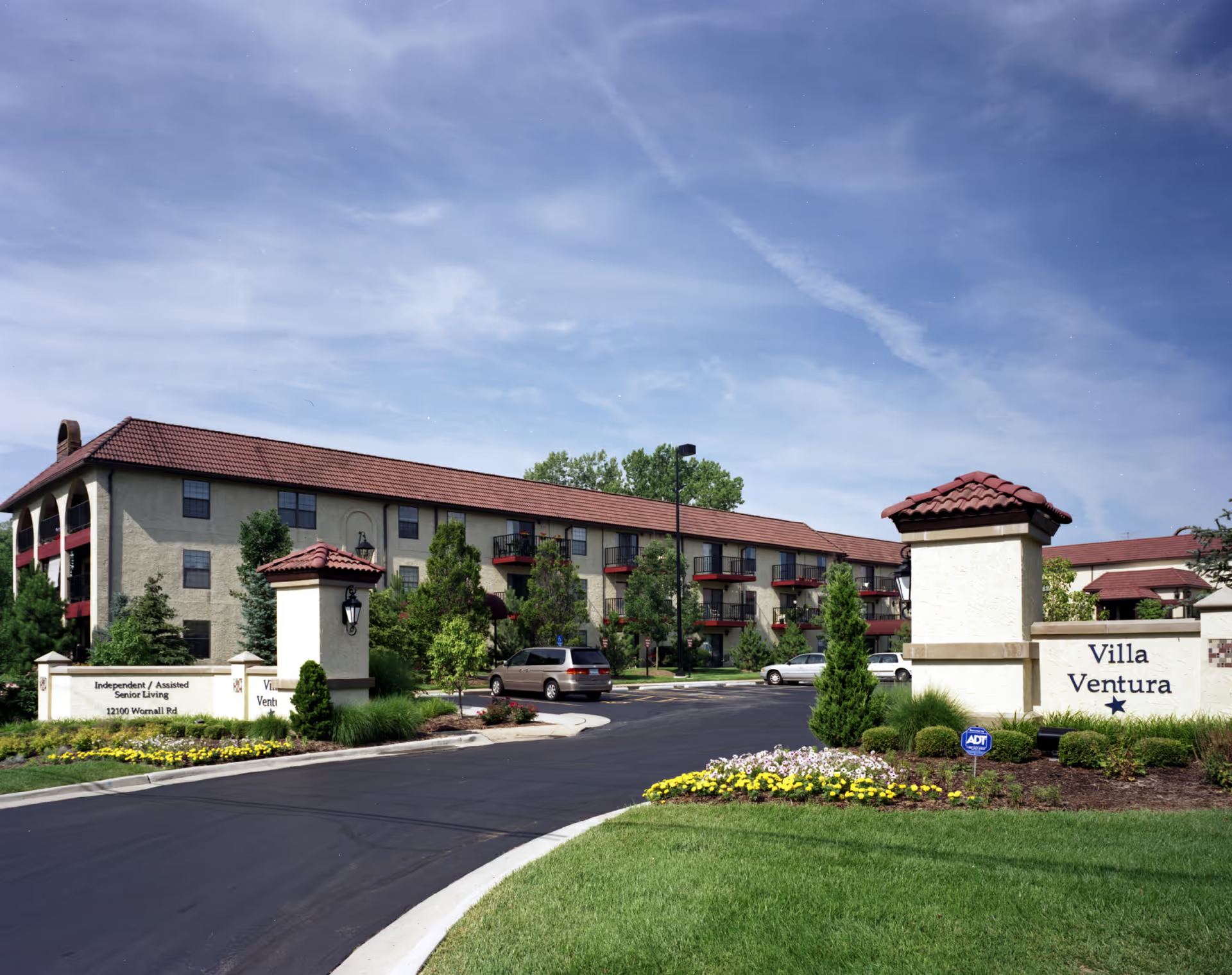
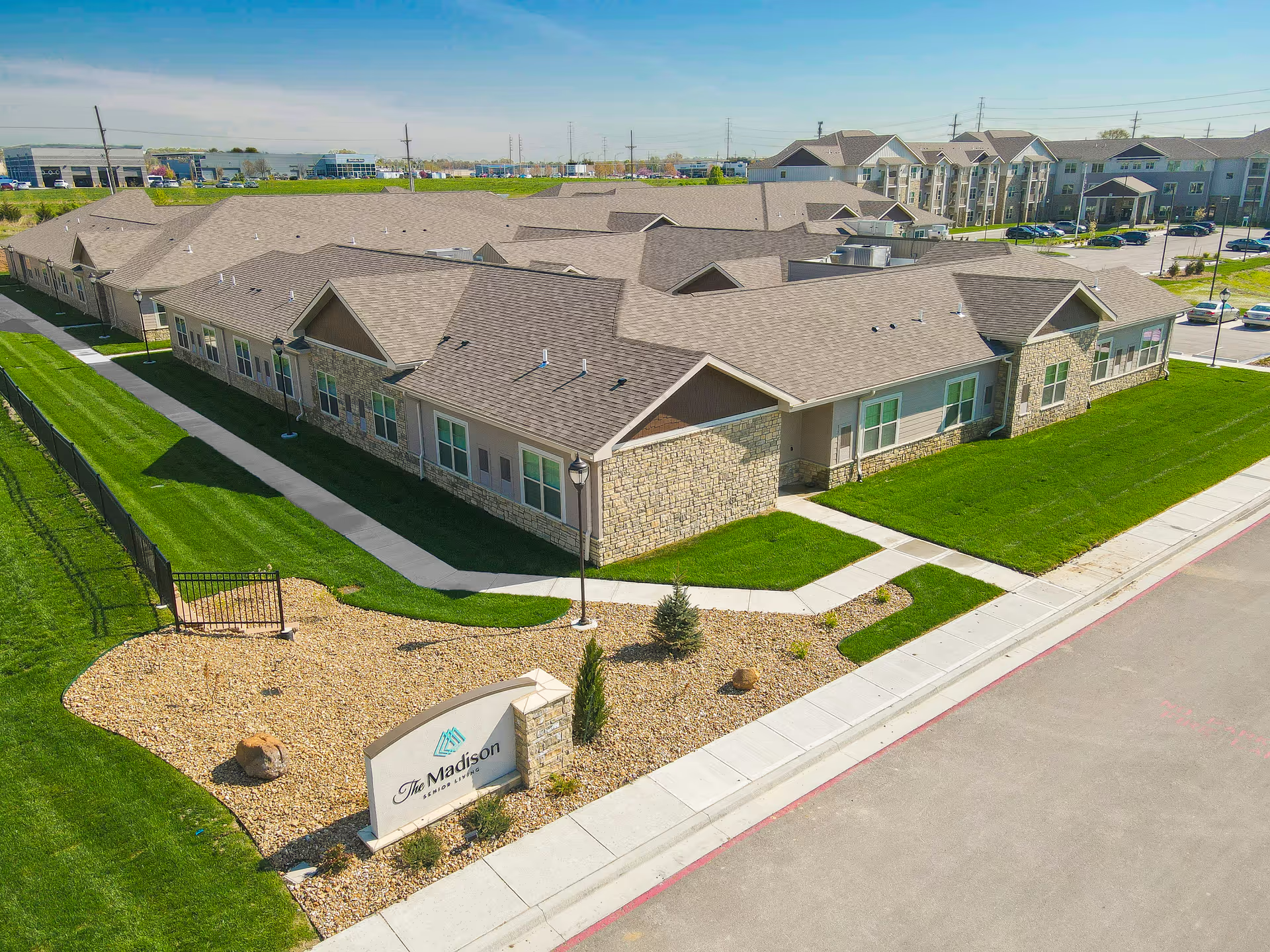
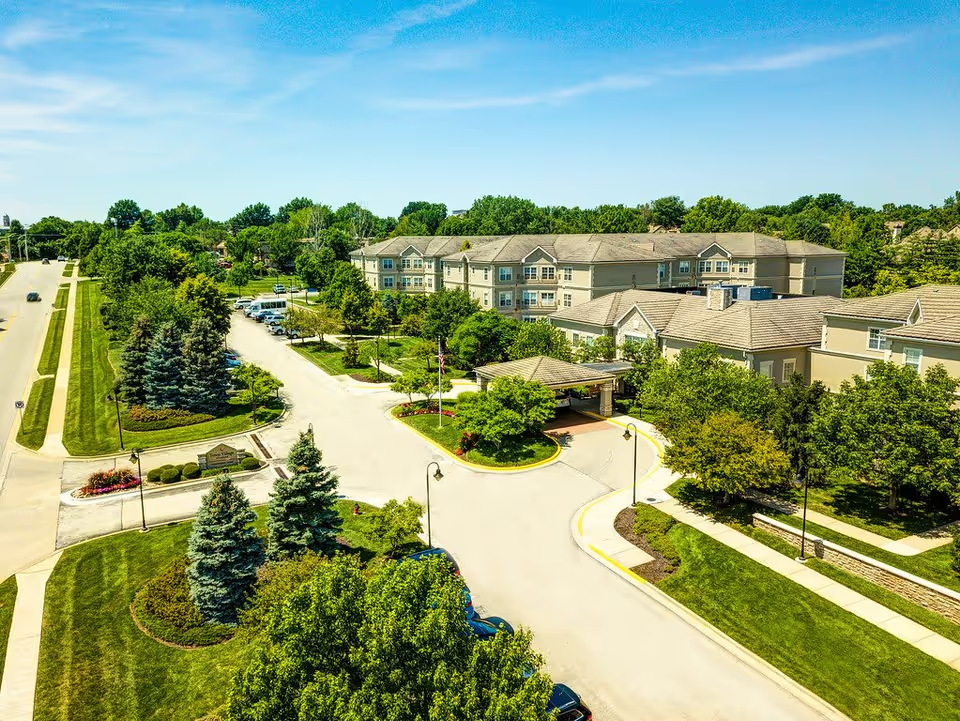
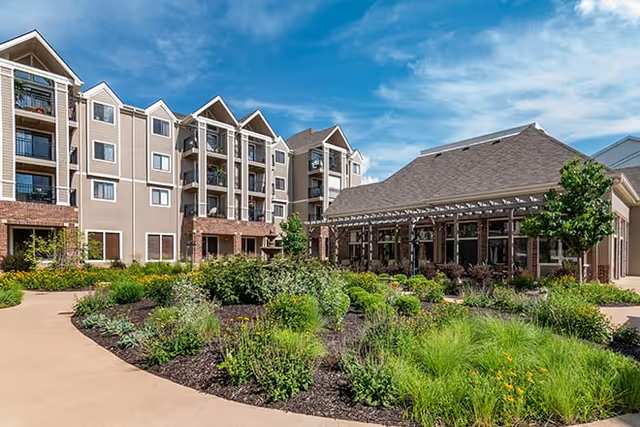
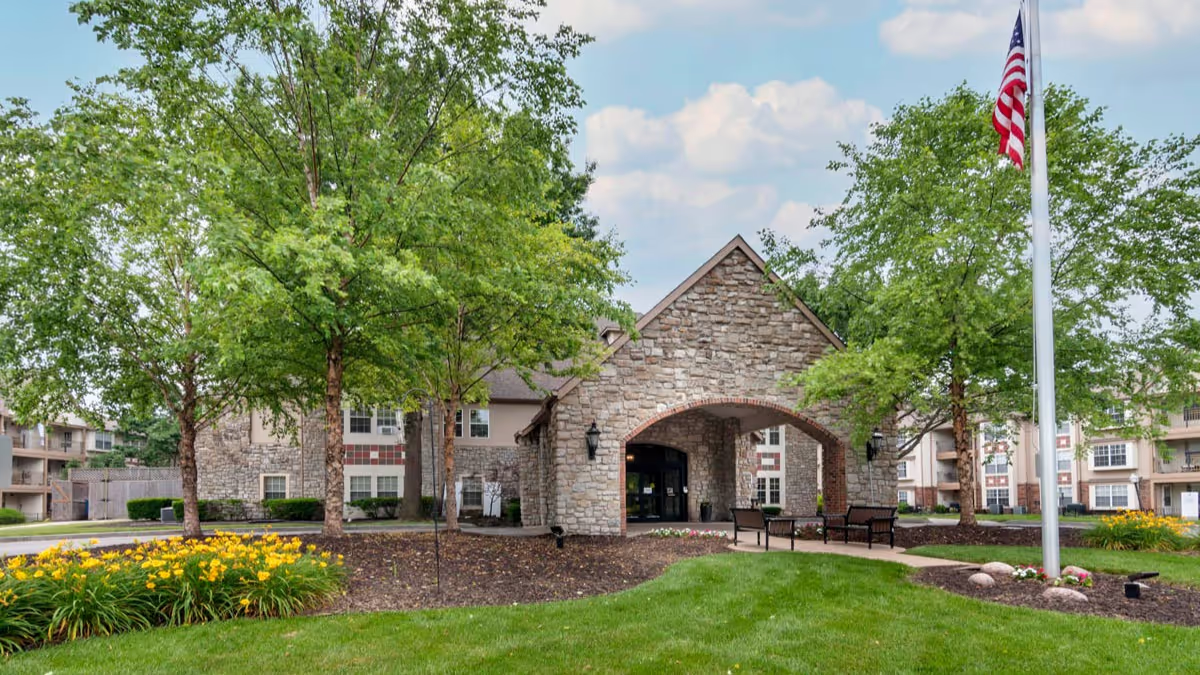
Facilities and cleanliness: The physical environment receives consistent praise for being clean, well-decorated, and homey, with roomy apartments and updated common areas. There are intermittent sanitation concerns, particularly in some shared-bathroom areas and during periods when staffing or processes lag, which reviewers flagged as needing attention. The community layout and amenities (salon, activity rooms, garden) are viewed positively overall.
Management and operations: Administrative responsiveness and an engaged executive team are frequently mentioned as positives, with reports of helpful admission processes and supportive business managers. Conversely, some families experienced operational disorganization — uncertainty about who to contact for questions, broken promises about services, and surprise extra charges for certain amenities — which contributes to value concerns given the facility’s price point. Infection-control events (notably a COVID outbreak referenced by reviewers) and occasional service disruptions have also affected perceptions of continuity of care.
Notable patterns and recommendation posture: Reviews cluster into two main experiences. Many families describe a high-quality, family-like community with caring staff, active programming, and clean facilities; several state they would recommend the community. A smaller but significant set of accounts raise serious operational concerns around staffing reliability, clinical monitoring for residents with more intensive needs, sanitation in shared areas, and inconsistent meal service. Prospective residents and families should weigh the facility’s strong interpersonal culture and activity offerings against these operational variability factors, and consider direct discussion with management about staffing levels, supervision for cognitive impairment, dining plans, and contract/fee clarity before making a placement decision.