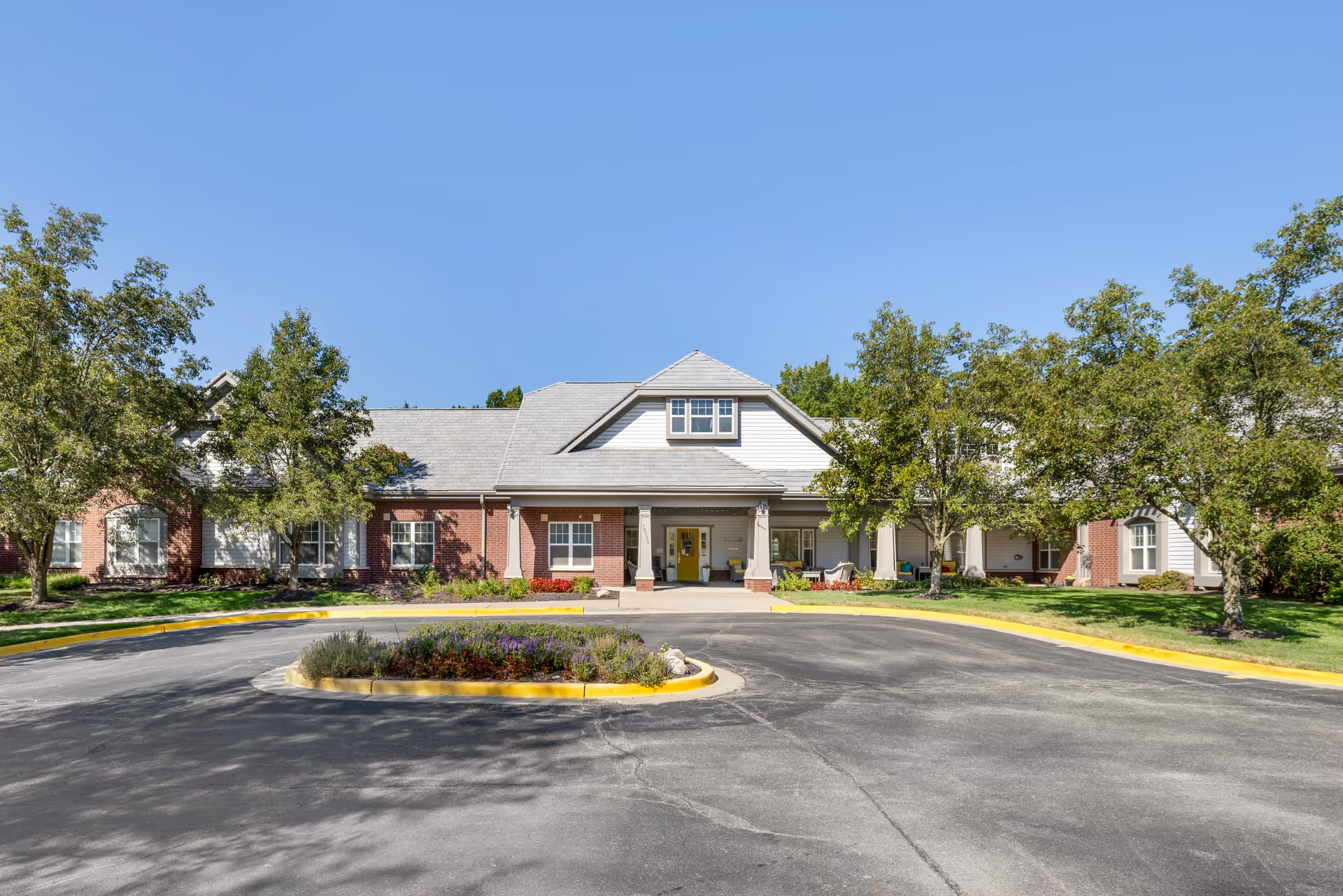
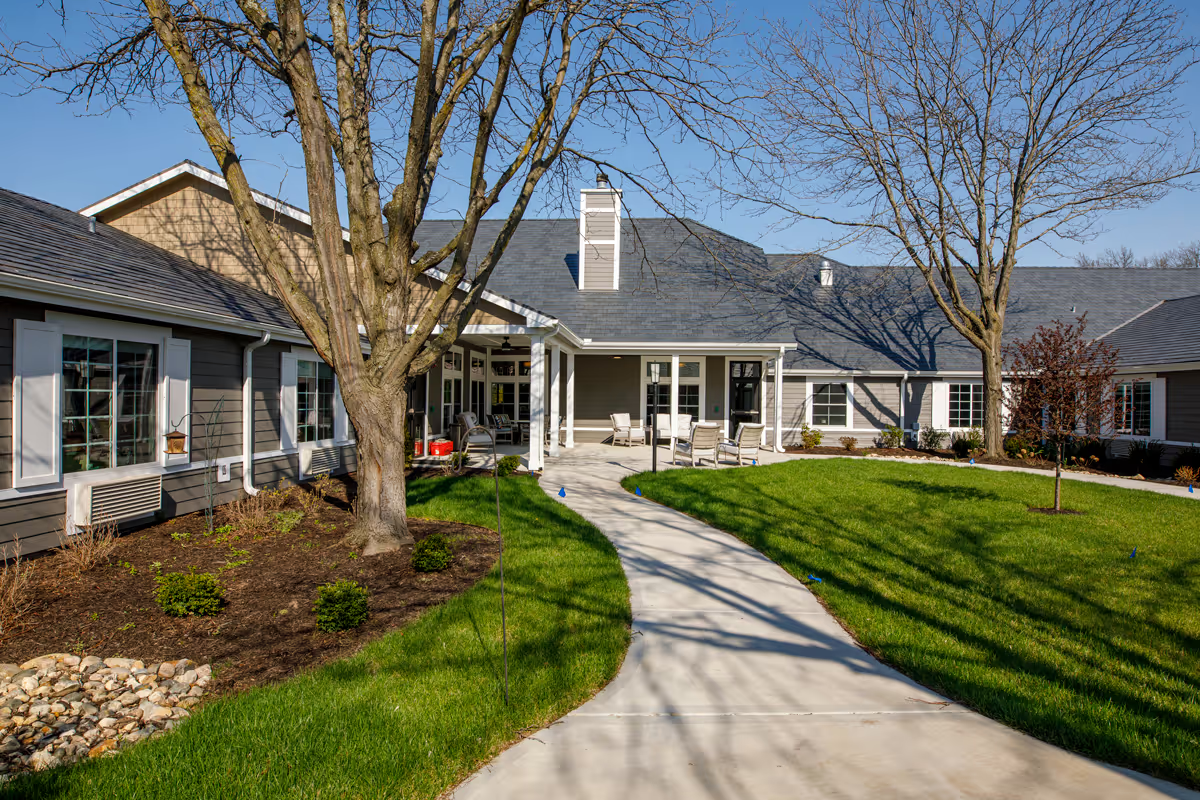
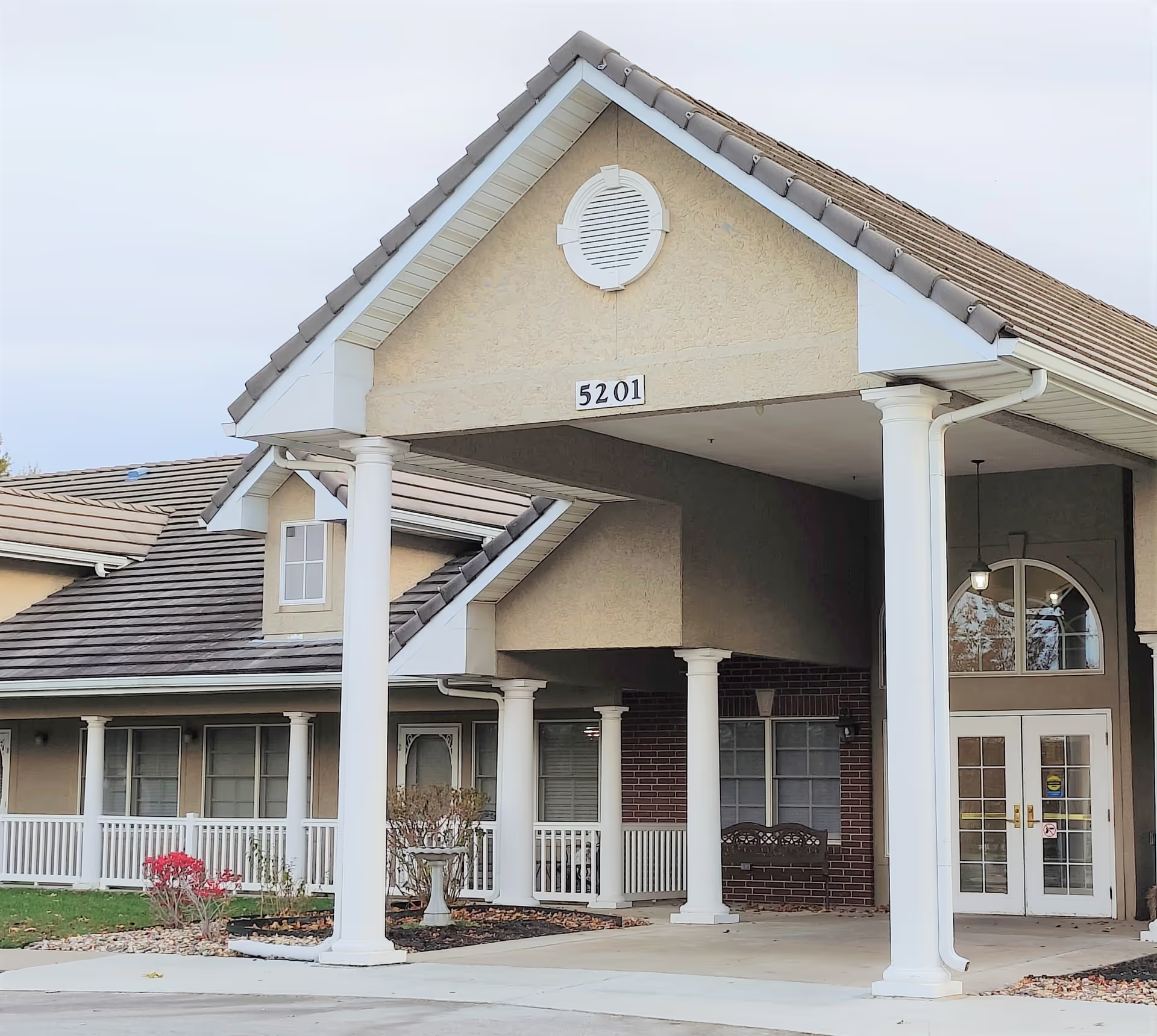
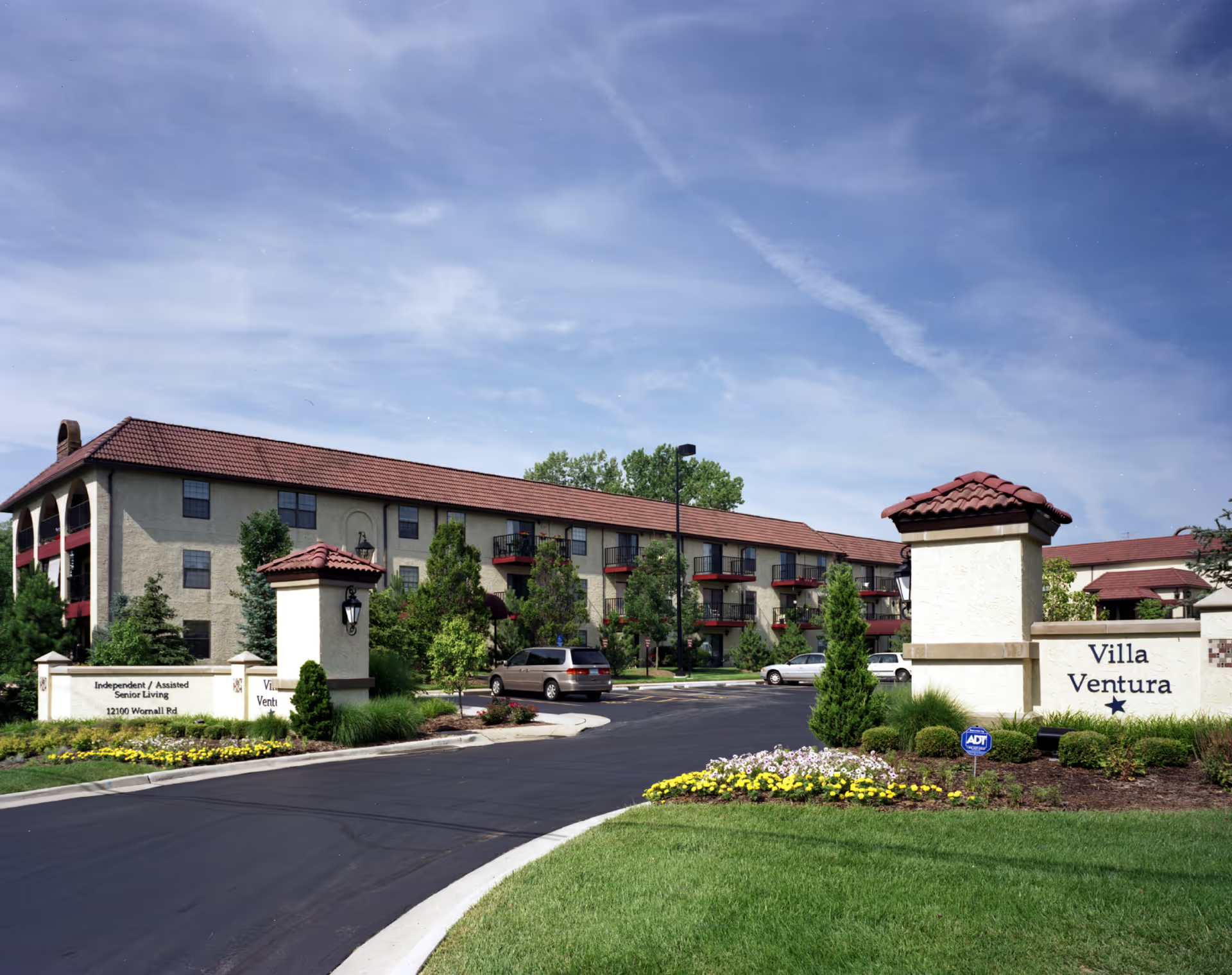
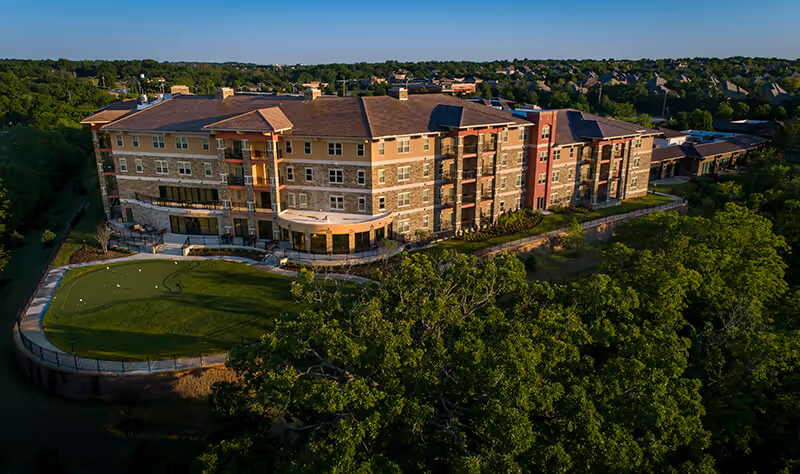
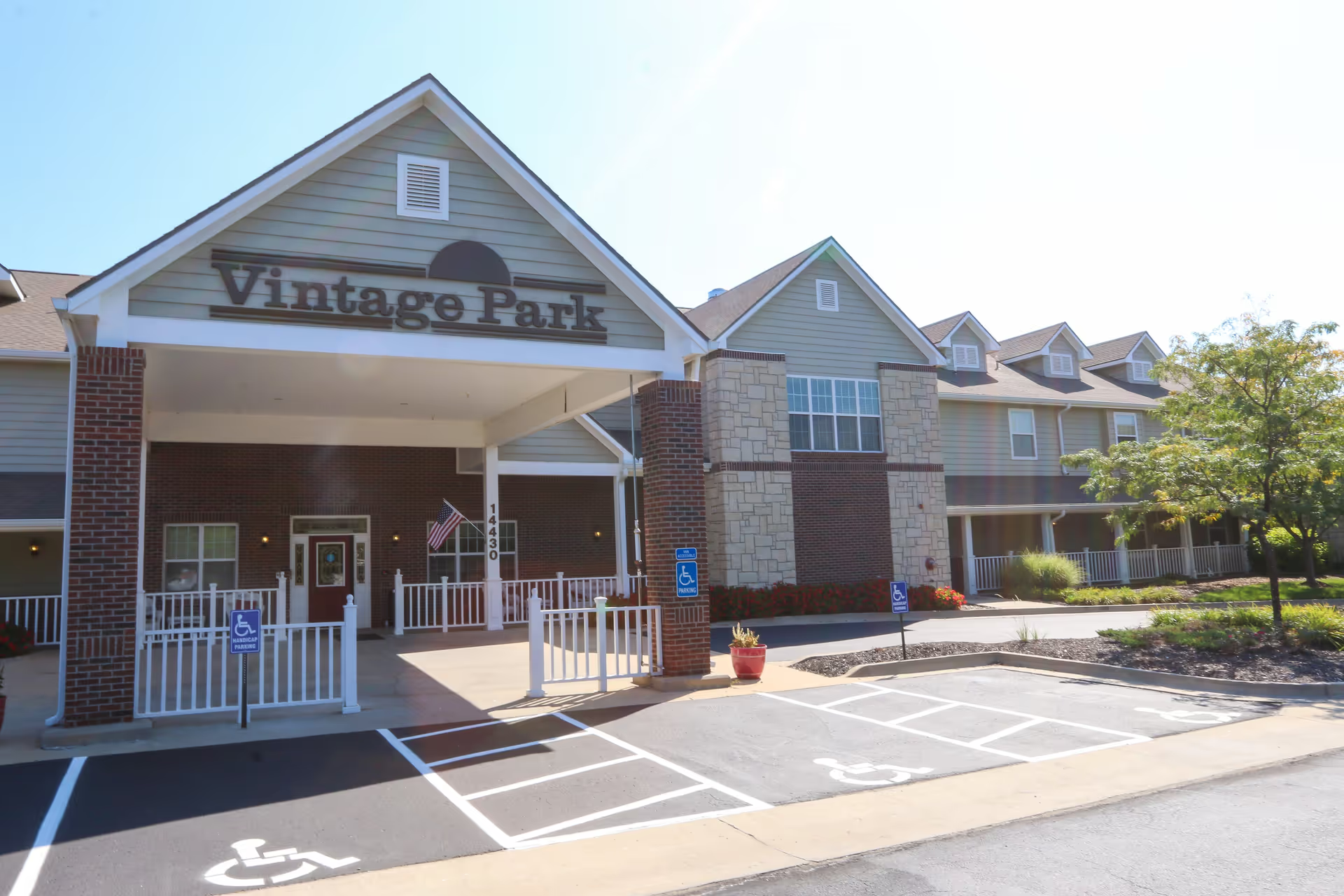
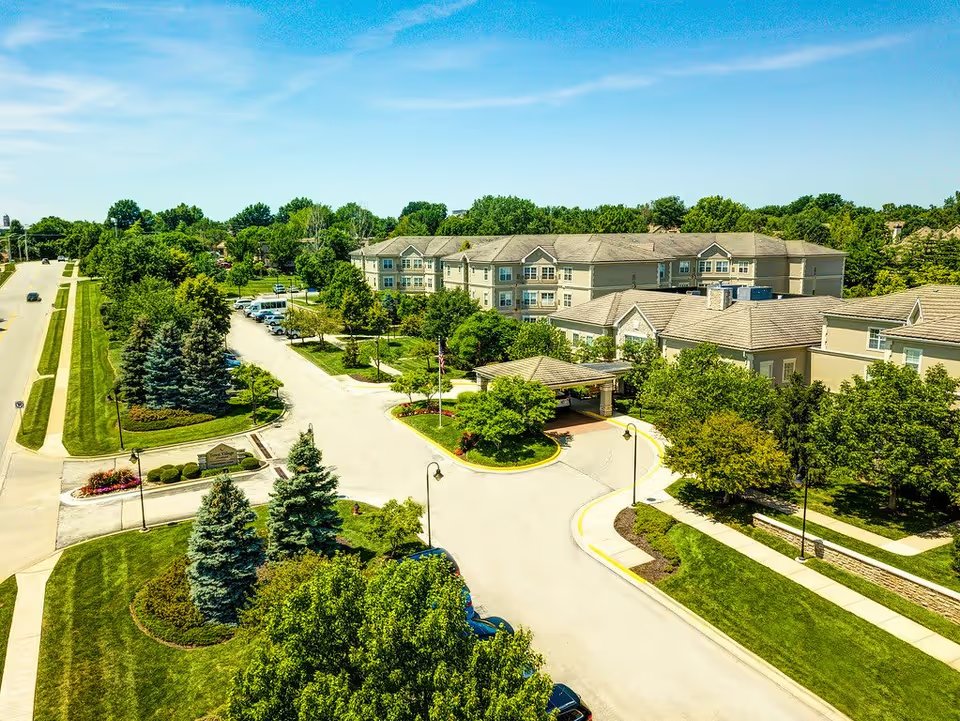
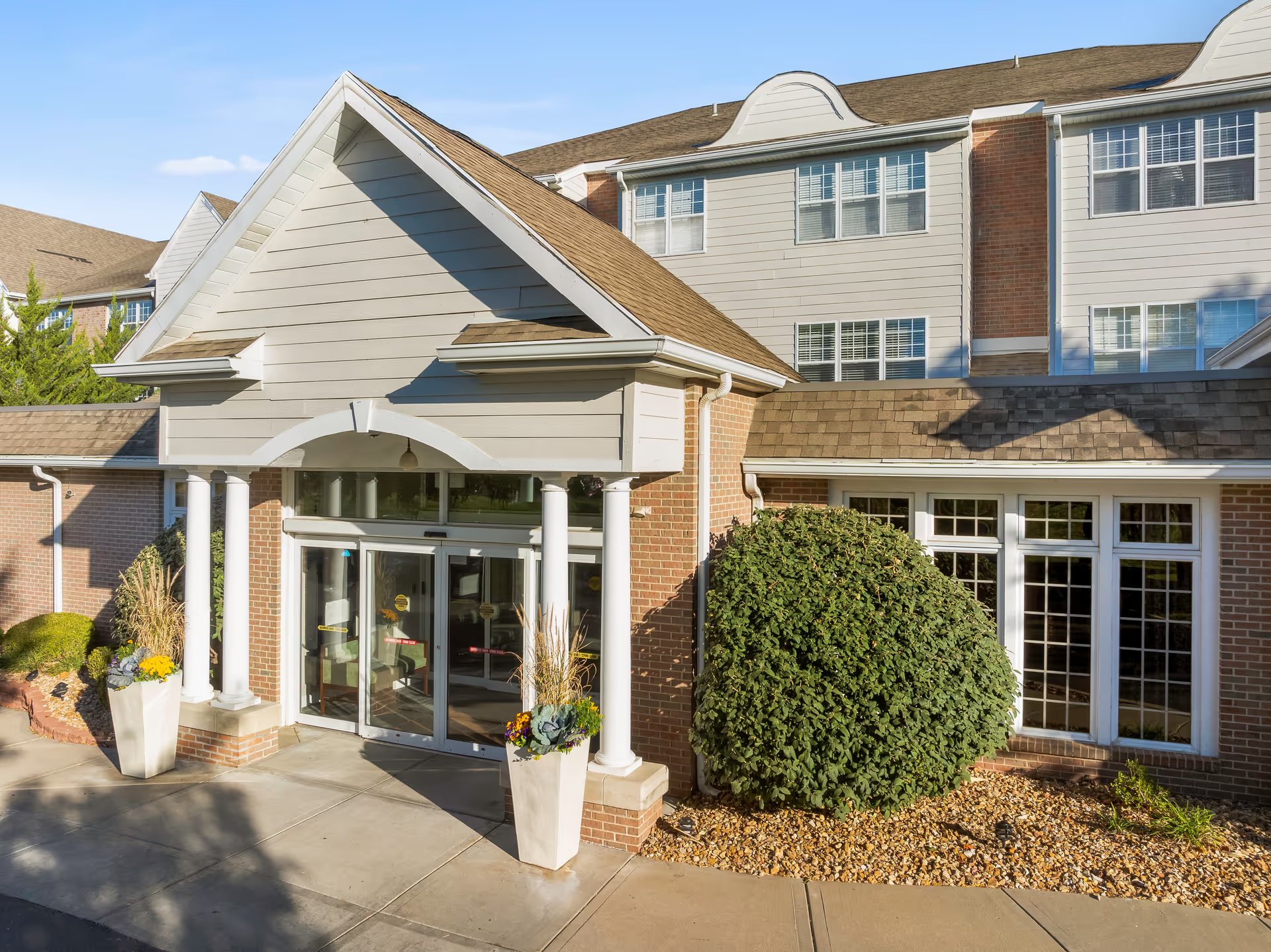
The Madison Senior Living is frequently described as a bright, new community with a broad amenity set and a strong first impression. Reviewers consistently praise the facility’s physical environment — new construction, clean and modern interiors, well-kept landscaping, and spacious common areas. Amenities that receive repeated positive mention include restaurant-style dining with extended hours, an on-site bistro/snack access, a heated indoor pool with water-aerobics, fitness and media rooms, library and game spaces, transportation services, and an on-site memory care neighborhood. Many families highlight the availability of in-unit laundry, covered parking, and accessible floorplans as practical strengths that support independent living.
Staff and leadership are among the community’s most cited strengths. Multiple reviewers reference compassionate, personable caregivers and responsive leadership who assist with move-in logistics and individualized resident engagement. Several staff members are named positively in reviews for proactive transition support and resident-focused programming. Families frequently describe improvements in quality of life and social engagement after move-in; reviewers also note strong hospice and end-of-life support when needed.
Despite these strengths, recurring operational concerns emerge and are worth attention for prospective residents and their families. Staffing levels and staffing stability are the most consistent operational issue: reliance on agency personnel, visible understaffing at times, and variability in staffing coverage have been linked to delayed assistance, slower bathing or medication delivery, and intermittent reductions in activity programming. Relatedly, dining quality and kitchen continuity are described as uneven in some periods — reports of cold food, chef turnover, and service slowdowns indicate that meal-service continuity is an operational pressure point rather than an intrinsic culinary weakness.
Additional operational themes include inconsistency in housekeeping and maintenance responsiveness, occasional temperature-control fluctuations in parts of the building, and questions about billing clarity and periodic charge increases. A small number of reviewers raised concerns about medication-management practices and access to medical records or clinical information; these are higher-risk topics and suggest that families seeking higher-acuity care should confirm clinical protocols and documentation access during their tour. A few reviews reference security or access-control lapses and isolated concerns about staff conduct; while not the dominant impression, these items emphasize the value of close observation during visits and post-move monitoring.
Practical guidance for prospective families: the community offers many tangible advantages for independent and memory-care residents — newer facilities, abundant amenities, and visible examples of personalized staff attention. At the same time, families should clarify current staffing models, ask how the community maintains meal-service continuity during staff transitions, verify medication-handling protocols and record-access policies, and review billing components up front. Visiting at different times of day, meeting leadership, and speaking with current residents and families can help assess whether the present operational cadence aligns with a prospective resident’s clinical and social needs.