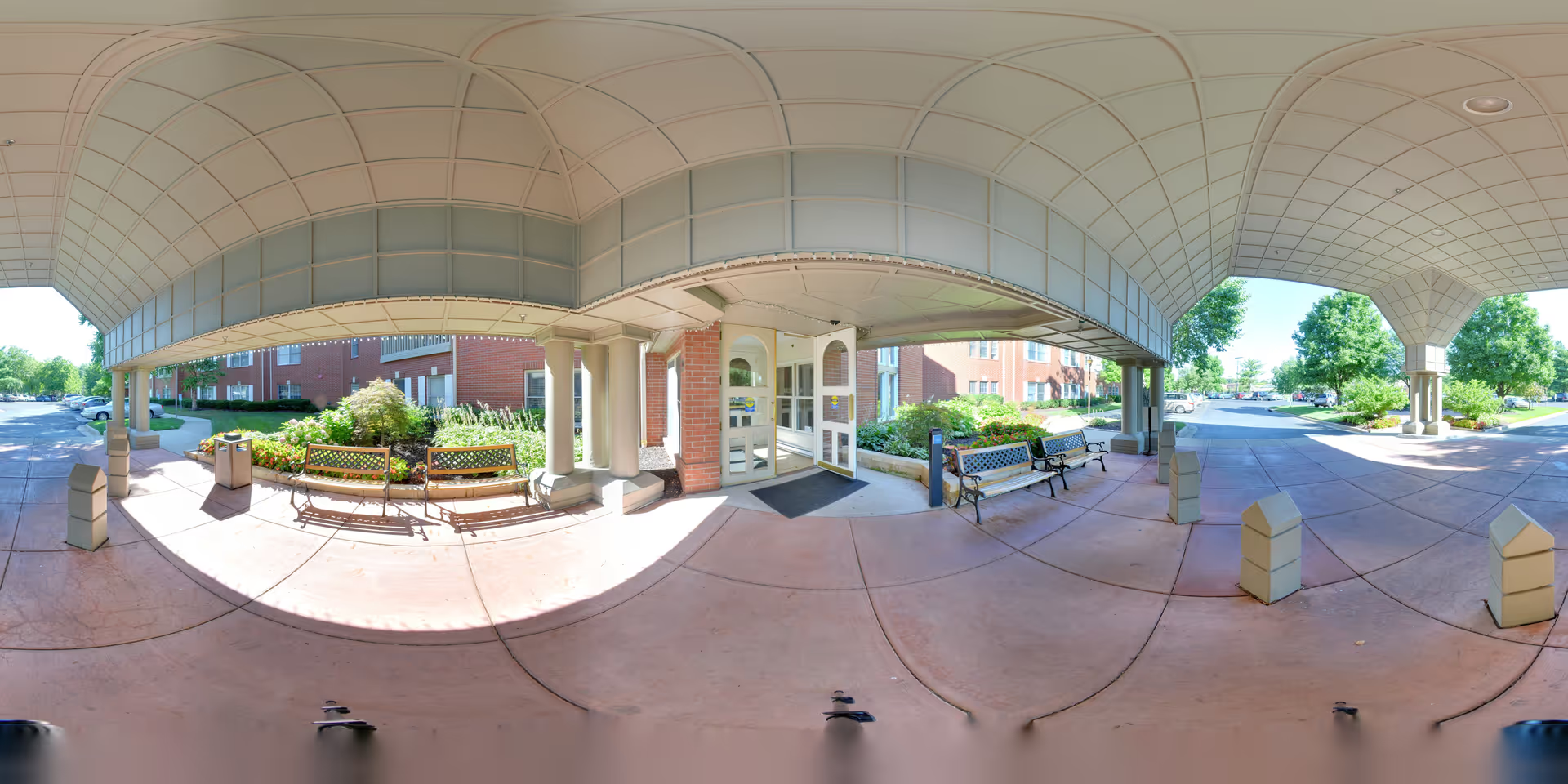
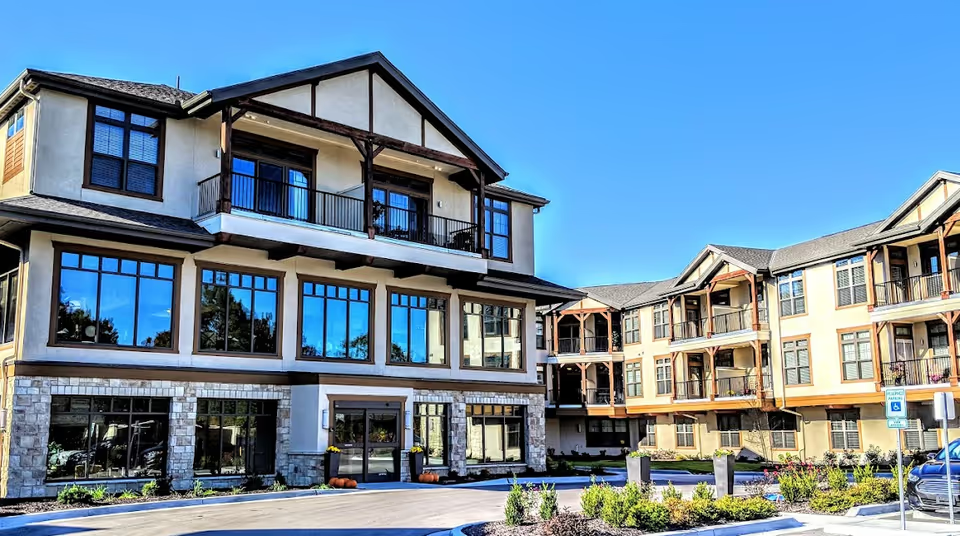
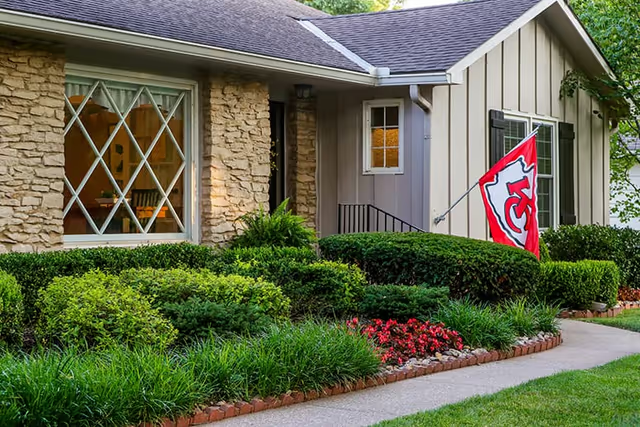
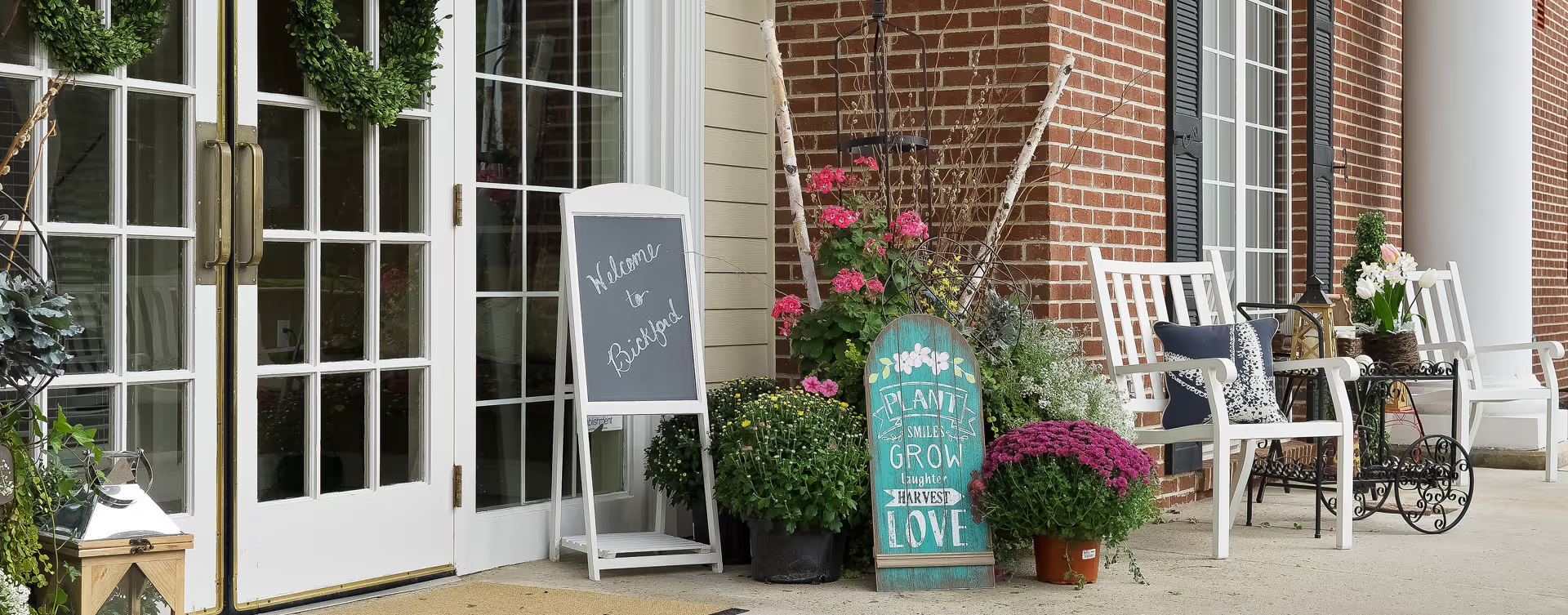
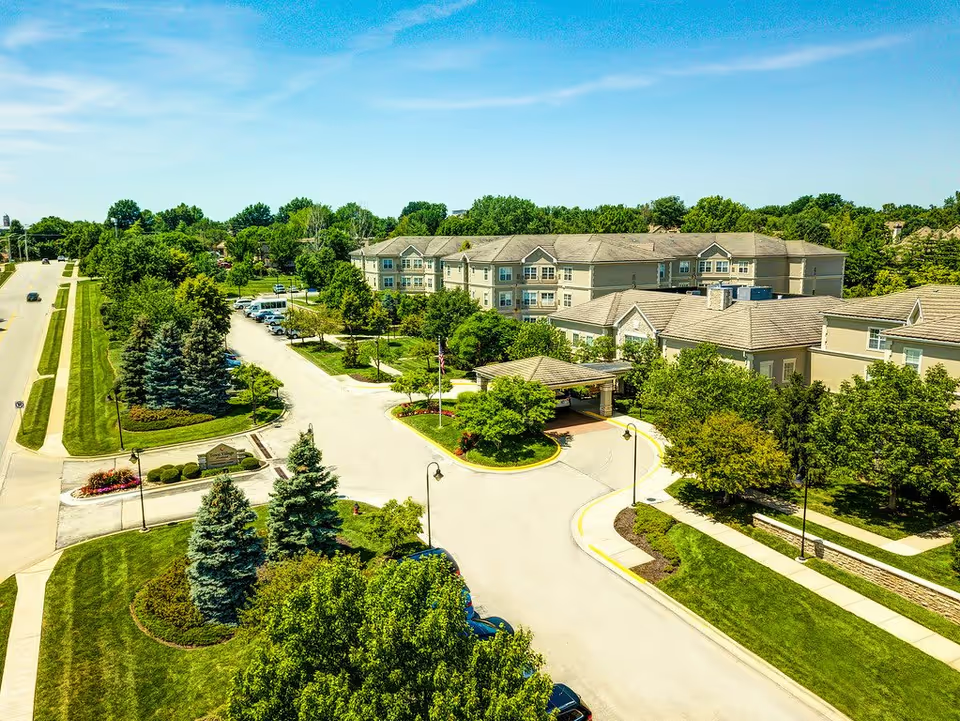
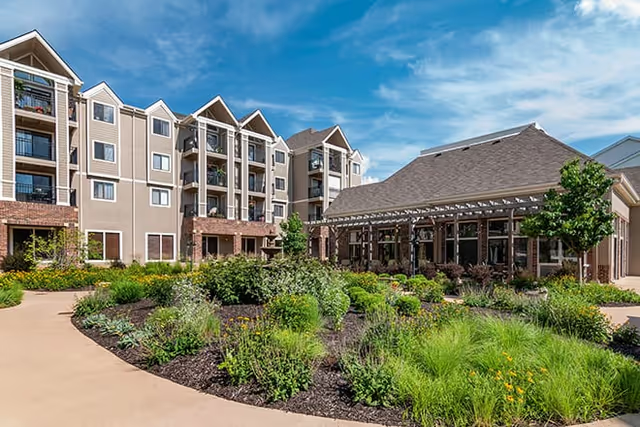
Meadowbrook Senior Living presents as a modern, well‑appointed campus with many of the physical and programmatic features families expect from a new senior living community. Recurrent positive observations focus on the building’s contemporary design, bright clean interiors, spacious apartments (many with full kitchens), well‑kept grounds and courtyards, and a range of on‑site amenities including fitness and multipurpose rooms, a theater, and transportation services. Therapy offerings and clinical access (PT/OT/Speech and connections to outside geriatric services) are frequently cited as strengths that support resident independence and clinical continuity.
The community’s social environment and programming are notable strengths. Reviewers consistently describe an active resident community, a busy calendar of social and informational events, and an engaged activities director. Dining quality is often praised for restaurant‑style meals, dessert offerings and an interactive chef presence; many families and residents highlight pleasant dining rooms designed to support conversation. Free utilities, Wi‑Fi and cable, and transportation are additional practical positives called out across visits and moves.
Staffing and care quality present a mixed but important pattern. Many comments describe compassionate, attentive caregivers, prompt admissions staff, and visible executive leadership that fosters a welcoming atmosphere. At the same time, a meaningful set of accounts raise operational concerns: unstable staffing levels, frequent turnover, and reliance on agency personnel that contribute to variability in day‑to‑day care. These operational issues are associated in some accounts with slower response times to call lights, inconsistent meal delivery timing and temperature, and uneven activity execution. There are also several serious assertions concerning staff conduct and communication tone; one or more comments reference discriminatory behavior. These items suggest variability in staff performance and culture that prospective families should investigate directly.
Operational and safety items also emerge as recurring themes. A number of reviewers noted confusion or gaps related to emergency‑alert presence and unit access systems, and a few tours were described as rushed or incomplete. Accessibility and campus layout can require longer walks between apartments, dining and main common areas, which may be relevant for residents with mobility limitations. Parking is another consistent logistical concern: limited resident parking, on‑street parking needs, and perceptions of inequitable allocation of parking spaces were described.
In sum, Meadowbrook offers a high‑quality physical environment, broad amenity set, strong programming, and many examples of attentive staff and leadership. However, families should balance those positives against operational patterns around staffing stability, consistency of service delivery (especially during peak meal and care times), emergency‑system clarity, wayfinding and parking. When evaluating Meadowbrook, recommended areas to clarify during a visit include current staffing ratios and use of agency staff, average response times to call alerts, dining service procedures for timing and temperature, details of emergency‑alert and unit‑access systems, and parking availability policies. Doing so will help determine whether the community’s many strengths align with a prospective resident’s clinical, social and logistical needs.