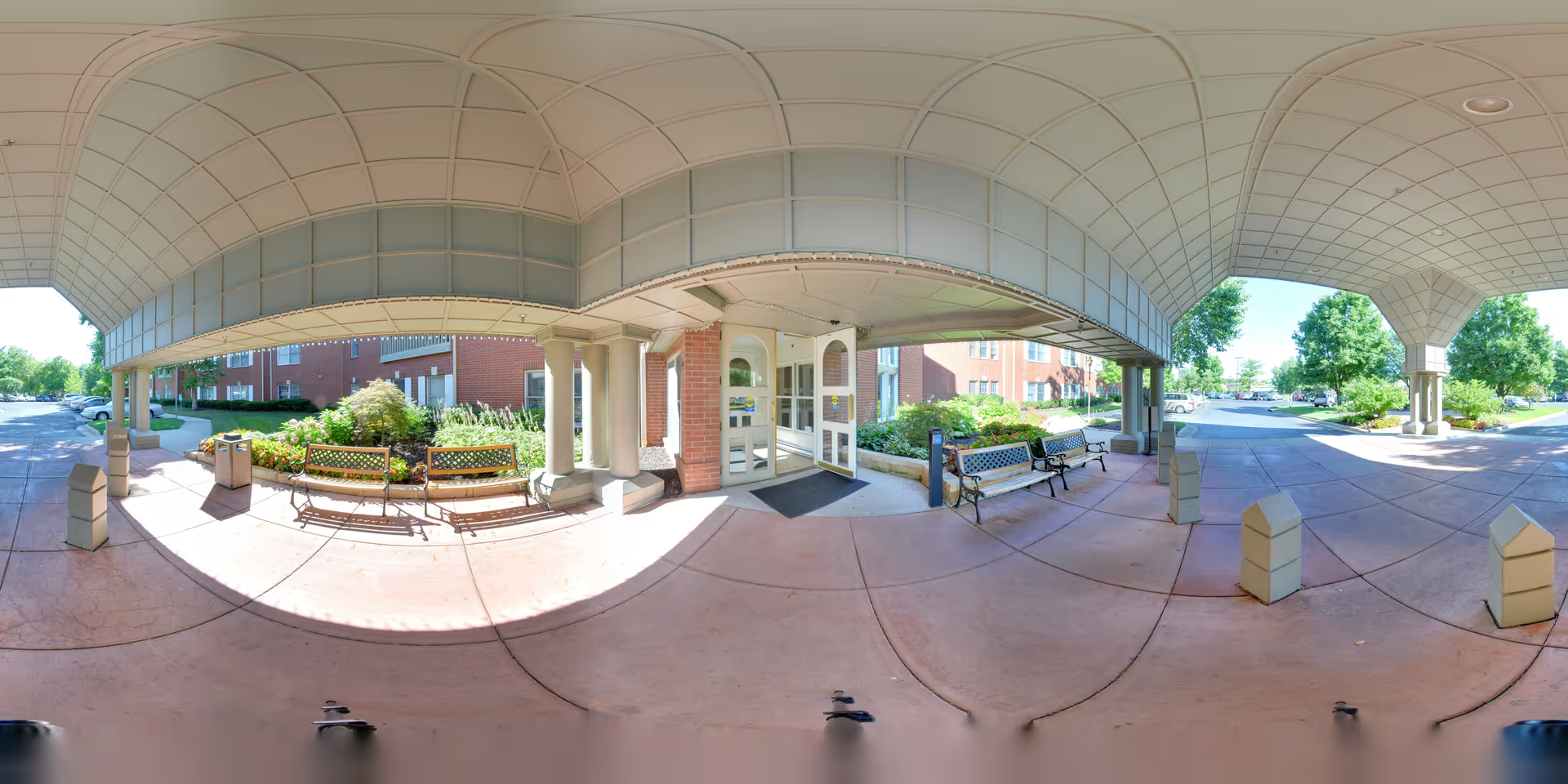
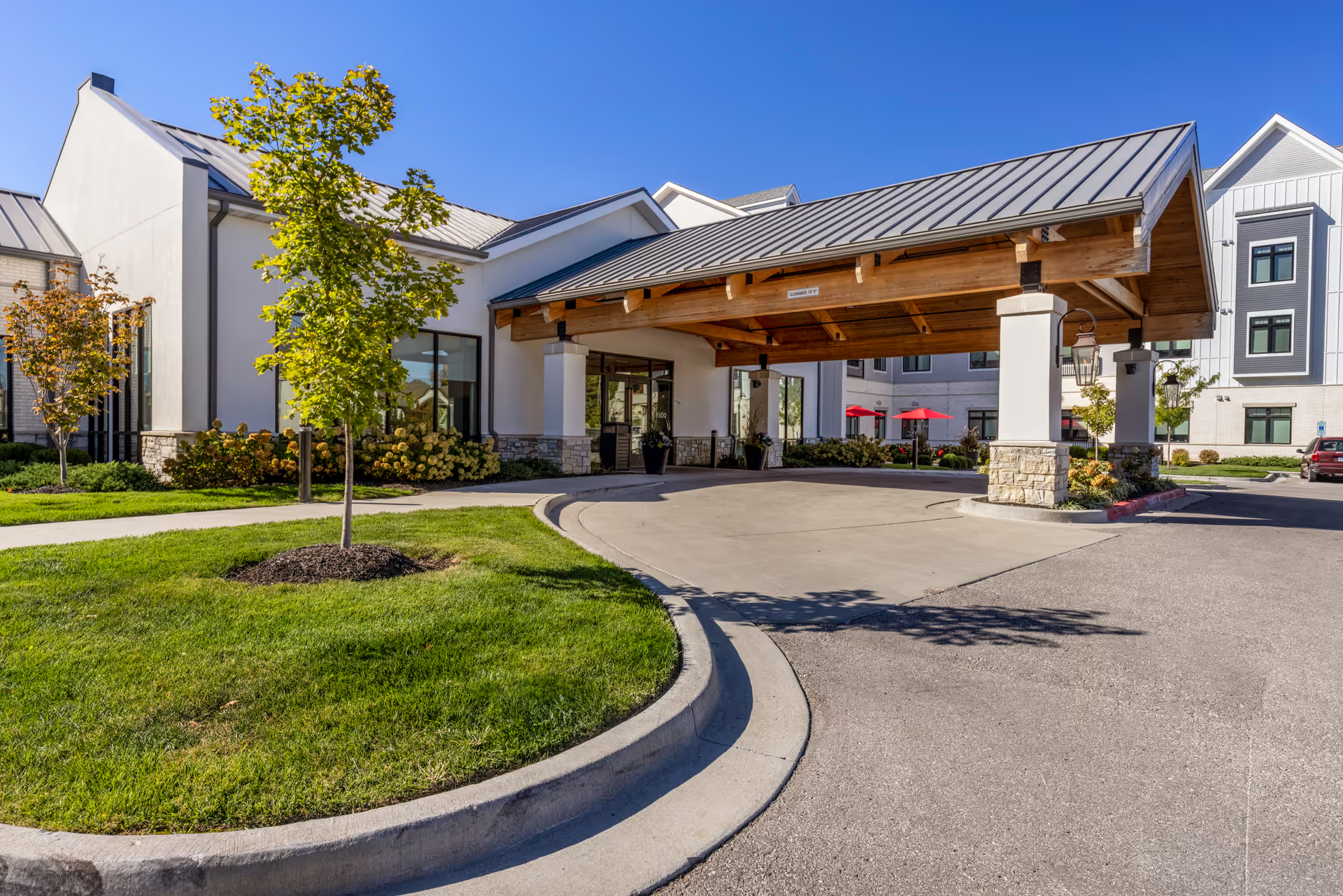
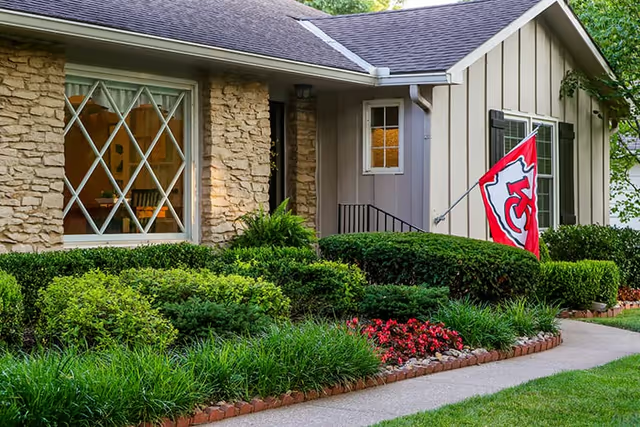
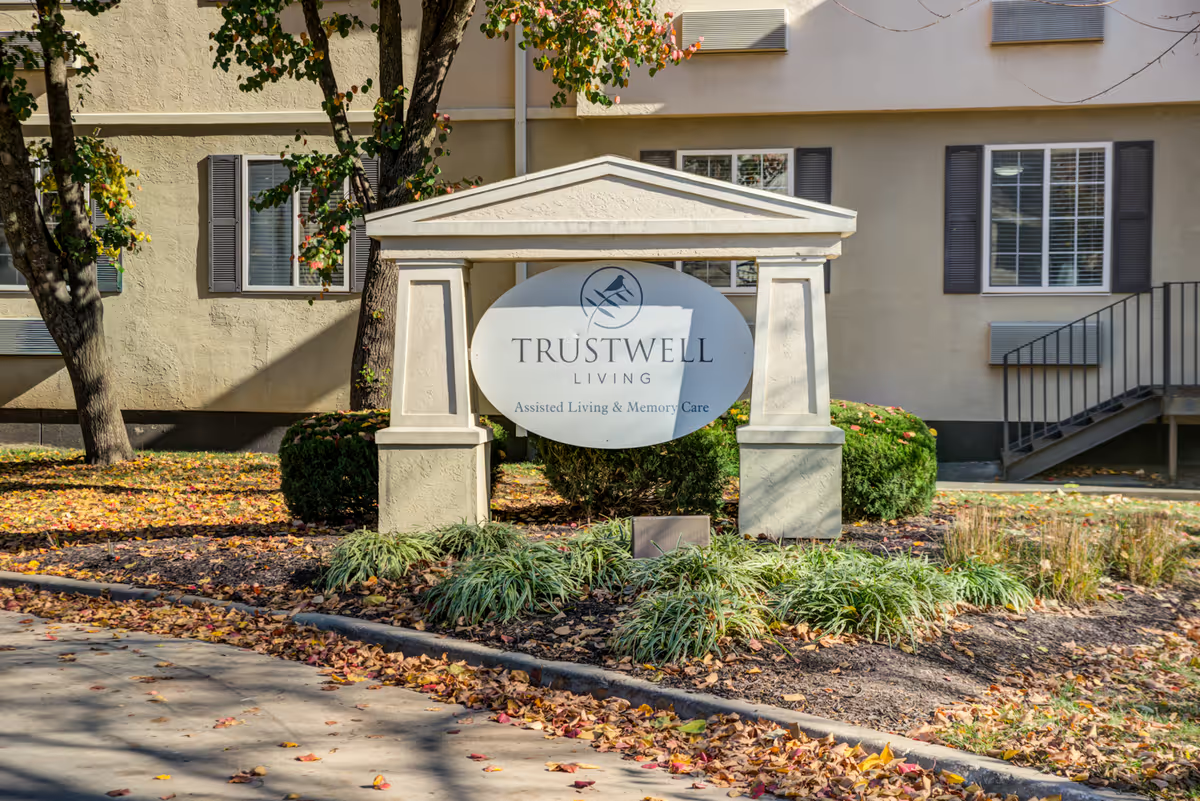
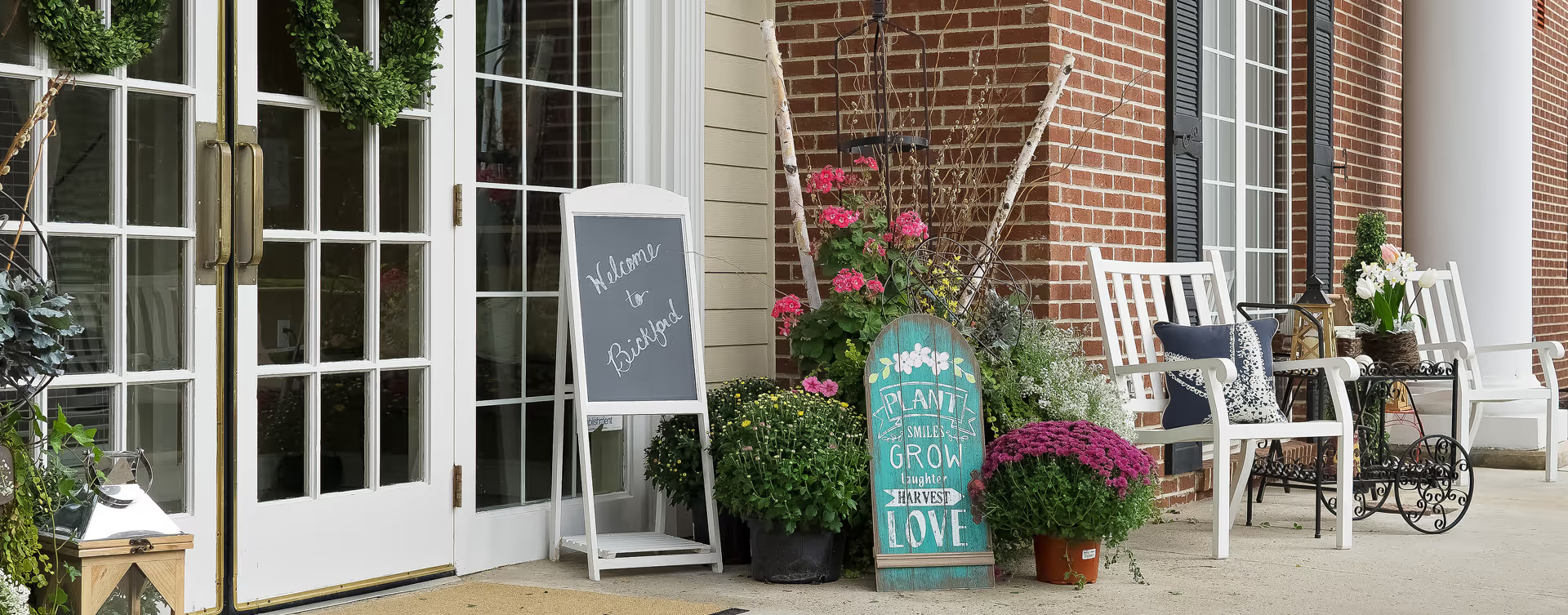
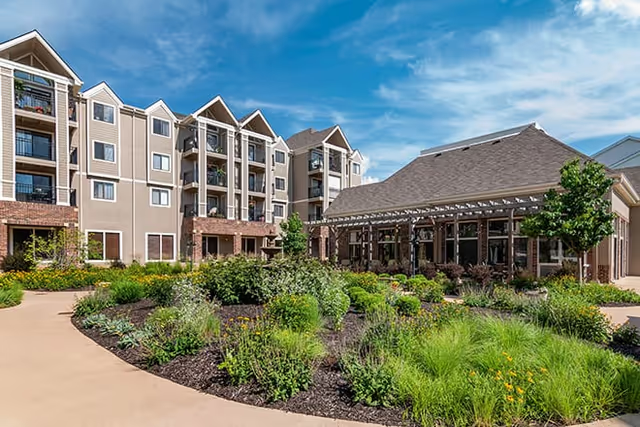
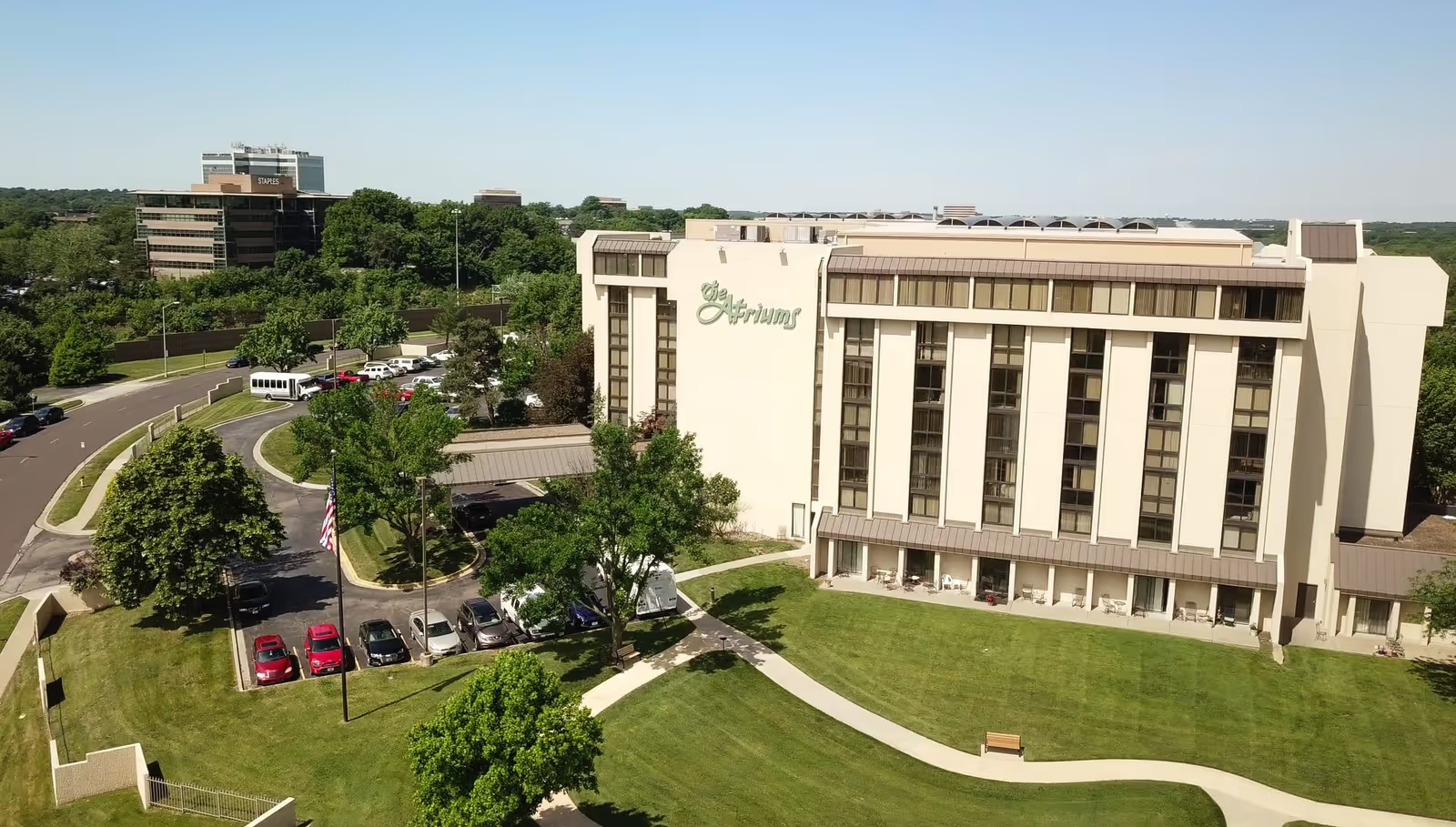
Mission Chateau presents as a new, upscale senior-living community with many of the physical and service attributes associated with boutique or country-club–style residences. Commonly cited strengths are the facility’s appearance — bright, modern common areas and well‑kept grounds — and a broad set of on-site amenities such as a pool, fitness center, theater, and organized excursions. Many families described smooth move-in experiences, regular housekeeping and maintenance, and common areas that encourage socialization.
Care and staff performance are recurring focal points. The caregiving team is frequently described as professional, attentive, and compassionate; several reviewers highlighted individual staff and leadership members for going above and beyond. At the same time, there are recurring concerns about variability in staff continuity and training, particularly related to memory-care needs. Clinical strengths include positive experiences with hospice and other clinical partners, but the community does not provide skilled nursing or a formal continuing-care guarantee, meaning residents who need higher-level medical care would likely need to relocate.
Dining is often praised for quality, creativity, and variety — many reviewers used terms such as gourmet and nightly specials — and the community offers multiple meal venues and special meals (continental breakfast, brunch). However, operational limits around meal coverage and cost were also noted: some families described restricted meal service (fewer included meals per day), minimal portioning at times, and additional charges for items such as lunches, beverages, or desserts. Prospective residents should confirm what is included in base fees and what is an extra charge.
Activity programming is a clear strength: daily social events, exercise classes, clubs, live music, and bus outings are commonly mentioned and credited with improving resident well‑being. The programming is nevertheless sensitive to staffing and public‑health events; activity continuity was sometimes suspended or curtailed during infection-control outbreaks and pandemic-related adjustments. A few comments also noted a resident gender imbalance and that the country‑club atmosphere may not suit every preference.
Management and transparency present a mixed picture. Local ownership and on-site management presence receive positive mentions for responsiveness and involvement. Conversely, families raised concerns about clarity around memory‑care admission criteria, inconsistent administrative communication (including phone-routing and follow-up), and a perception that financial considerations can drive decision-making. Add-on fees and unclear billing practices were a frequent operational complaint. There are also intermittent infrastructure issues cited (wifi, hot water) and occasional administrative errors.
Overall, Mission Chateau is positioned to appeal to older adults seeking a polished, activity‑focused independent‑living environment with strong dining and amenity offerings and engaged caregiving staff. It is less well suited to those who expect an integrated skilled‑nursing continuum or transparent, all‑inclusive pricing. Prospective residents and families should prioritize clarifying memory‑care admission standards, the scope of clinical services, the full fee schedule (including optional items), staffing ratios/training for higher‑acuity needs, and contingency plans for care escalation before committing.