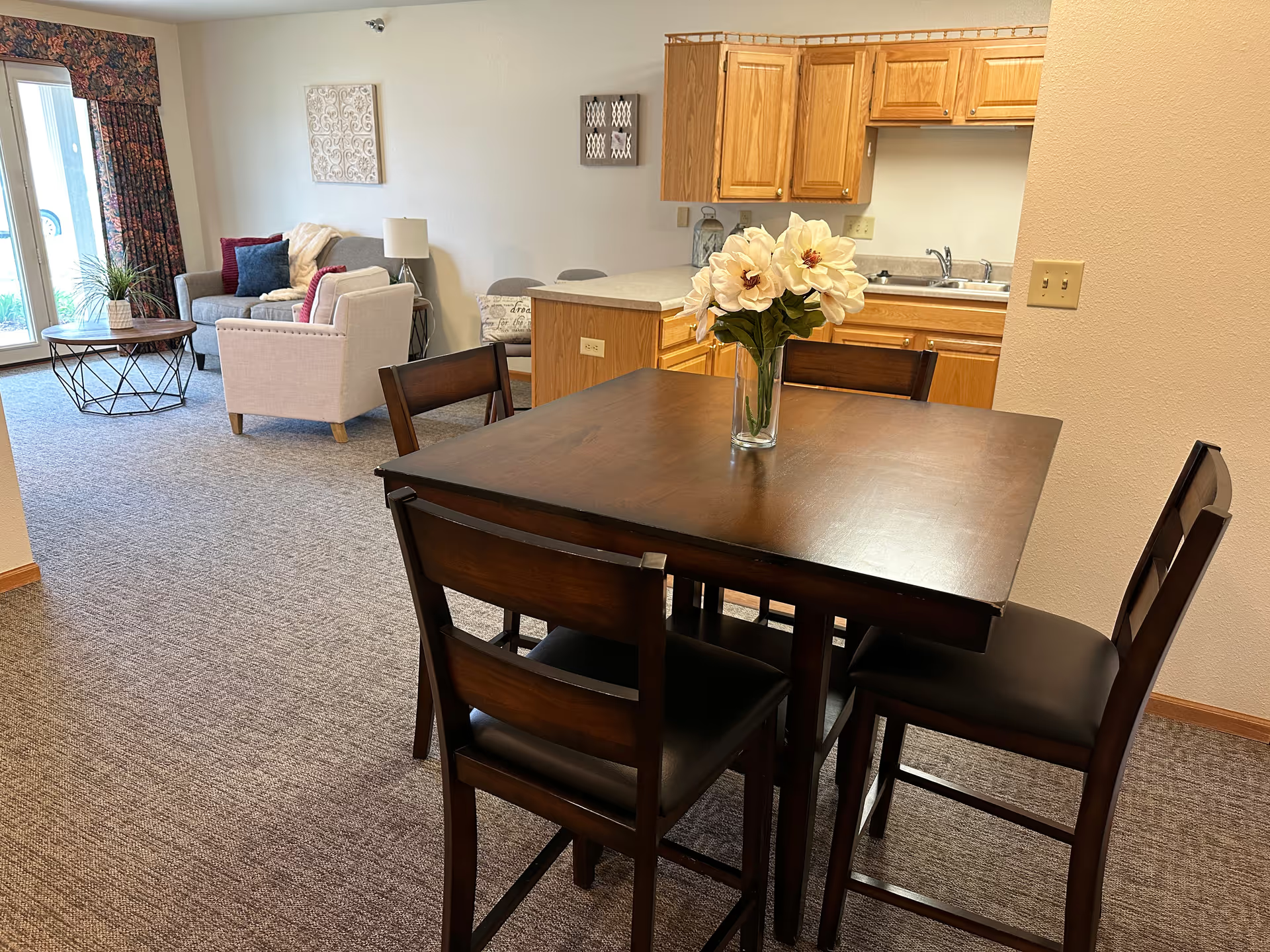
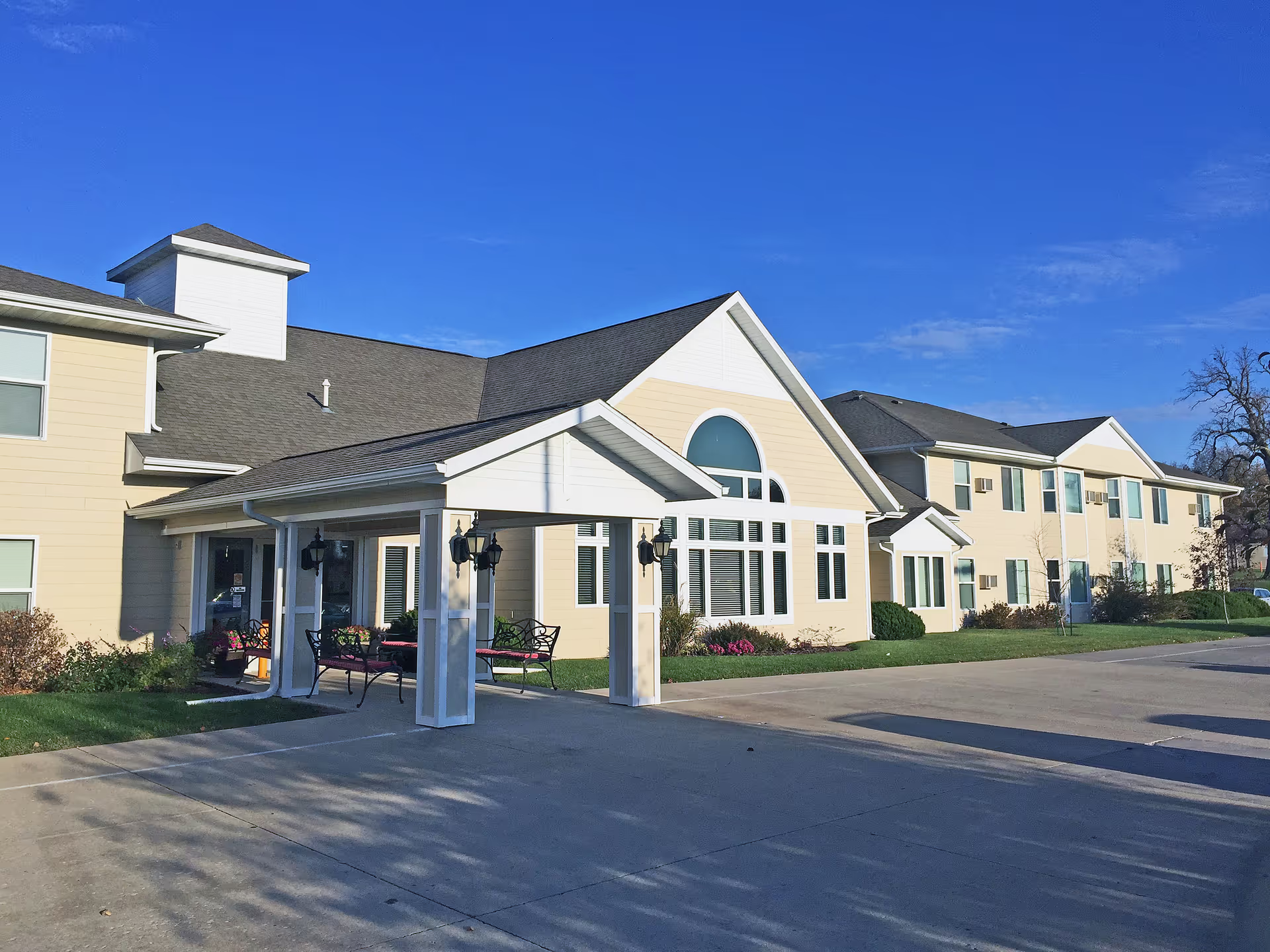
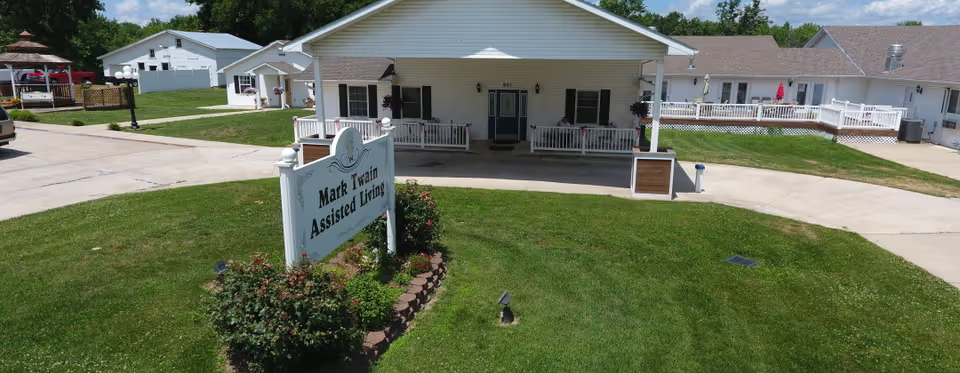
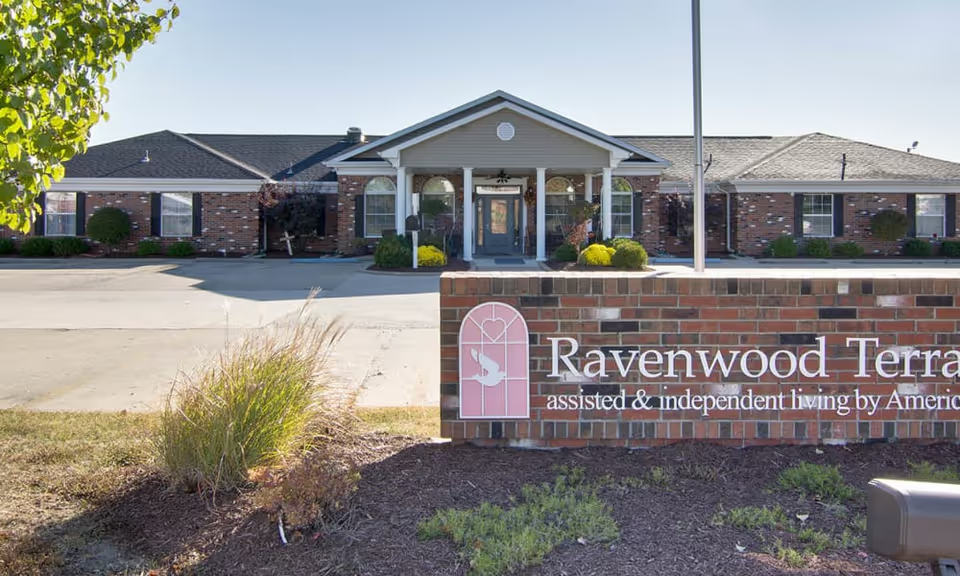
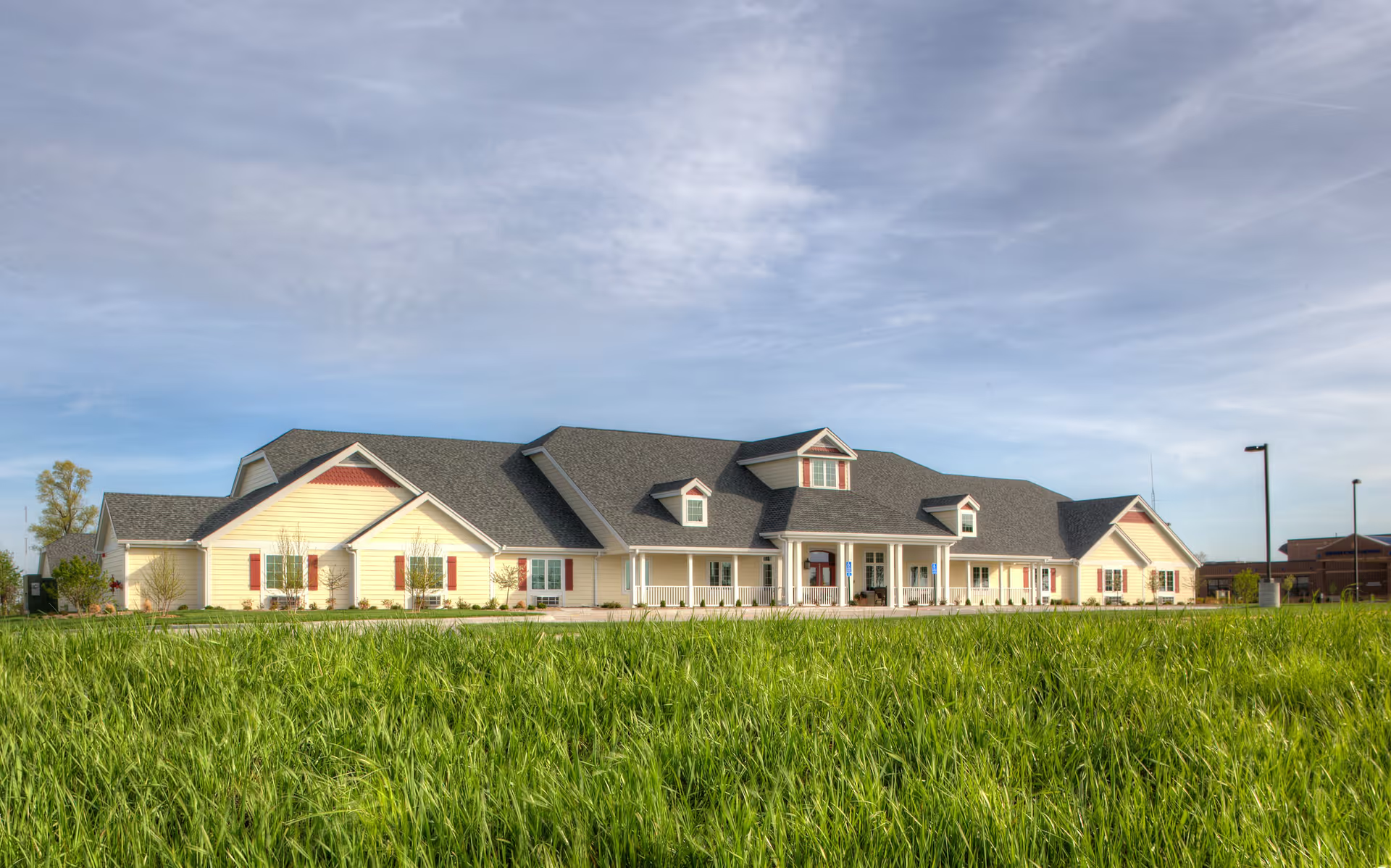
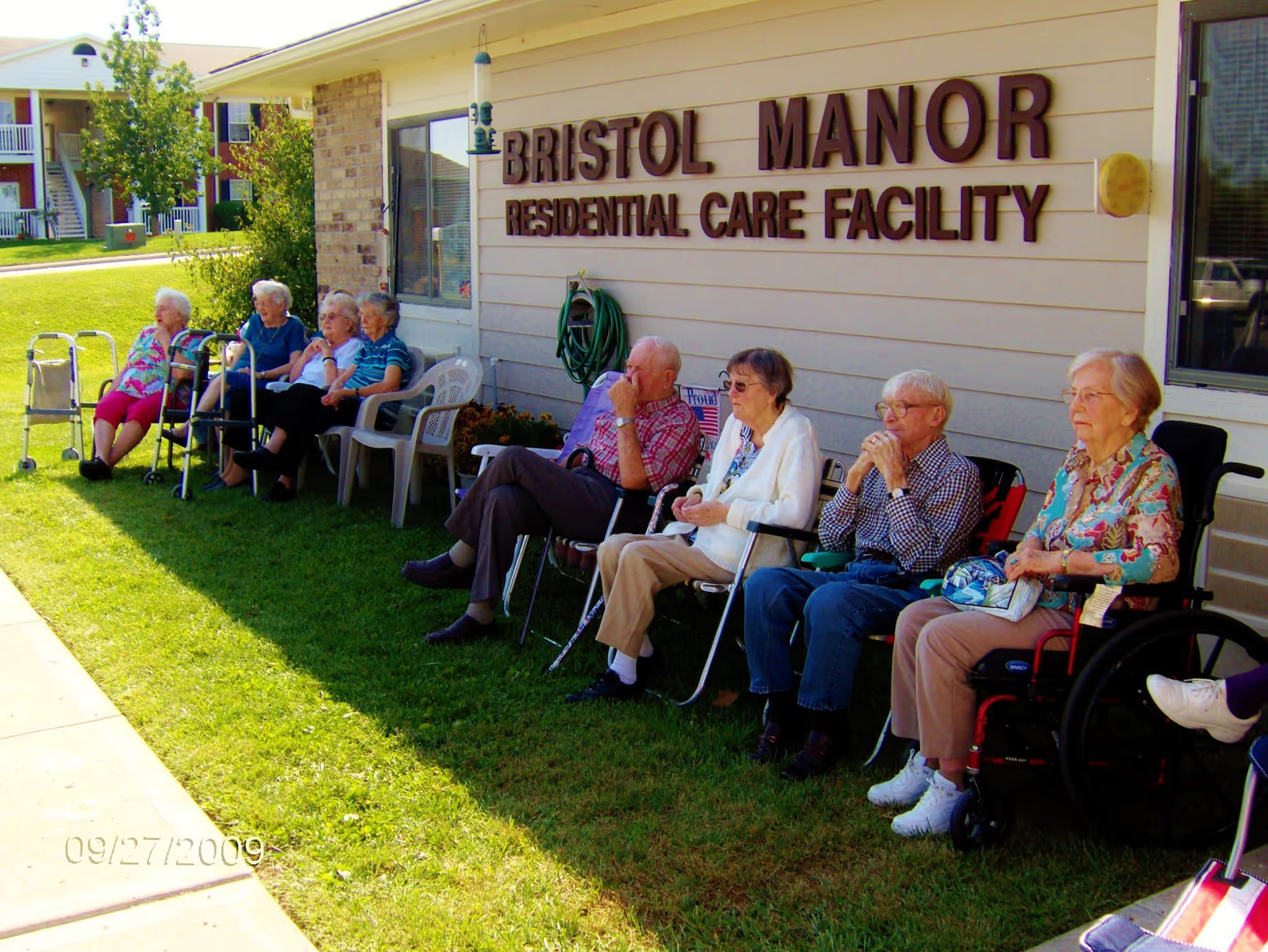
Overall impression: Feedback about Highland Crest Senior Living is largely positive with consistent praise for the quality of hands-on care, the friendliness of staff, and the facility’s appearance. Reviewers frequently described nurses and caregiving staff as compassionate, attentive, and quick to respond; they also highlighted a welcoming, social atmosphere that helped residents adjust and feel comfortable. Common facility-level strengths cited include clean rooms and hallways, an attractively decorated lobby with seasonal décor, and a focus on presentation in the dining room.
Care and staff: Many comments emphasize strong direct-care performance — attentive nursing, respectful interactions, and staff patience when assisting residents. Specific caregiving tasks such as showering and daily assistance were noted positively, and the kitchen and dining-service staff received separate praise for meal quality and service. At the administrative level, some reviewers singled out an efficient and pleasant director, and others described prompt follow-up when concerns were raised.
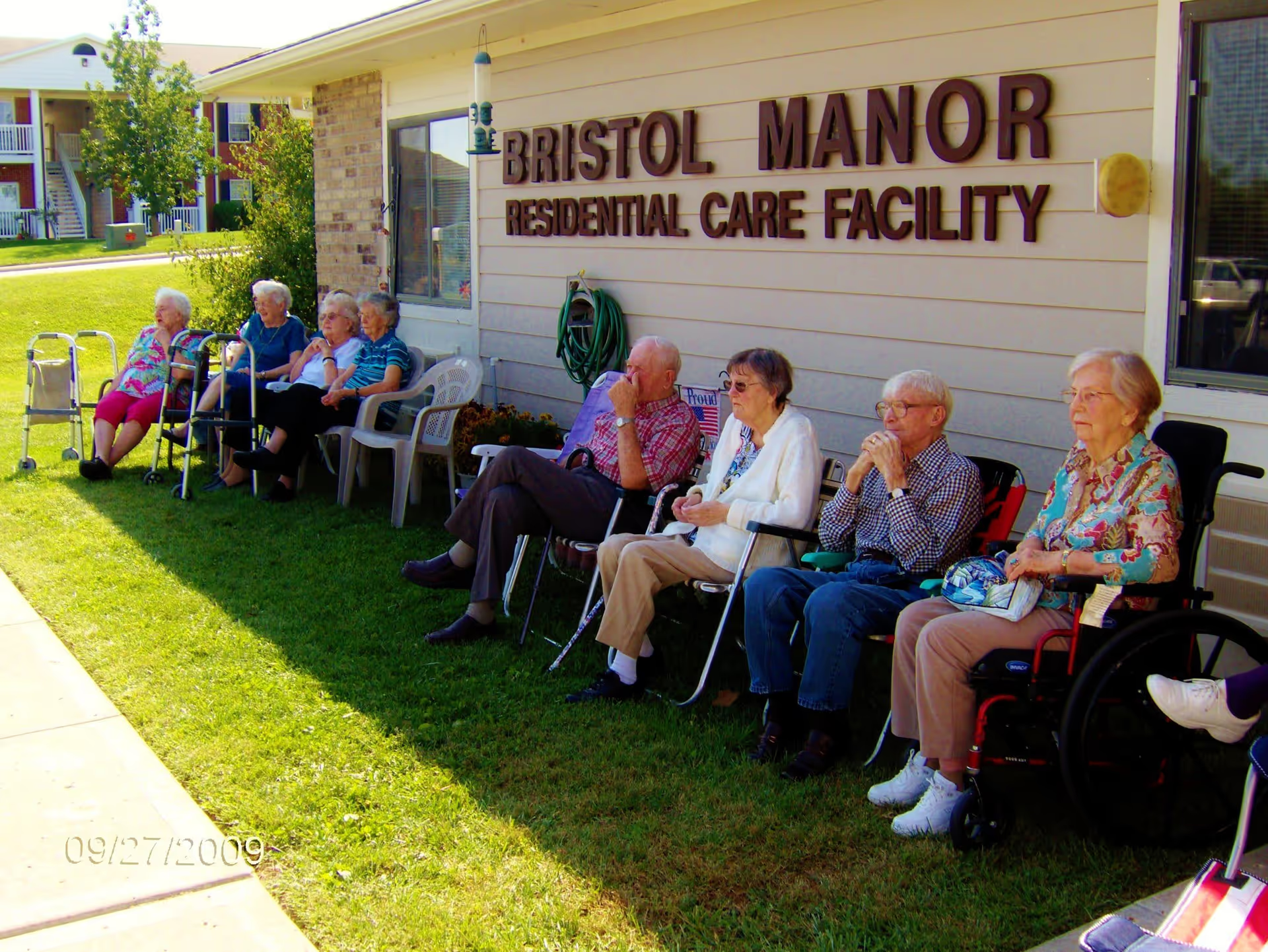
Dining and activities: Dining is a clear strength in the reviews: meals were described as enjoyable, the dining environment is presented with attention to detail (for example, linen napkins and round-table seating), and kitchen staff were complimented. The activities program appears varied and socially oriented, with card games, cookie-decorating, bible studies, and daily physical-exercise sessions among the offerings; reviewers linked these activities to improved resident well-being and easier adjustment to community life.
Facilities and operations: The physical environment is described as clean, well-maintained, and warmly decorated. At the same time, a pattern of operational weaknesses appears in the commentary. Staffing shortages and uneven management practices were the most commonly cited operational concerns; these reportedly affect responsiveness and, in some cases, how transitions and transfers are handled. Related issues include occasional delays in clinical transfers, inconsistent handling of resident privacy and personal items, and intermittent communication gaps between staff and family members.
What to watch for: Prospective residents and families should balance the facility’s clear strengths in caregiving, dining, social programming, and the physical environment against the operational concerns about staffing levels and management consistency. When touring or interviewing the community, consider asking about current staffing ratios, transfer protocols and timelines, privacy and personal-property policies, and examples of recent communication practices with families to assess how these operational aspects are being managed now.