The reviews describe a facility with a mix of clear strengths and notable operational variability. Positive comments focus on interpersonal aspects of day-to-day life: staff are frequently described as friendly, personable and patient; meals are consistently praised for quality; and the activity program appears active and social, with card games and group events highlighted. Several reviewers also noted comfortable accommodations and the presence of private in-room bathrooms, which contribute to a generally welcoming atmosphere for residents and visiting families.
Care quality is characterized as uneven. Some families reported a positive, supportive experience, while others described insufficient help for a loved one and concerns about responsiveness. These descriptions point to variability in how care tasks and assistance are delivered rather than a single consistent standard across shifts or units. Review comments about short or unclear stays suggest that transitions and early impressions can be inconsistent, and that family expectations about assistance levels may not always be met.
Staff-related feedback presents both strengths and areas for improvement. Direct caregiving staff are often singled out for warmth and patience, creating positive resident interactions and contributing to quality of life. At the same time, reviewers called out staffing shortages and instances of unprofessional language or communication tone. Together, those items indicate an operational pressure point: when staffing levels are tight, the consistency of staff conduct and timely responsiveness appears to decline.
Dining and activities are clear positives. Meal quality and the availability of social programming appear to be reliable contributors to resident satisfaction. Those programmatic elements are likely to support residents’ social engagement and daily routine, and they are among the most consistently praised features in the reviews.
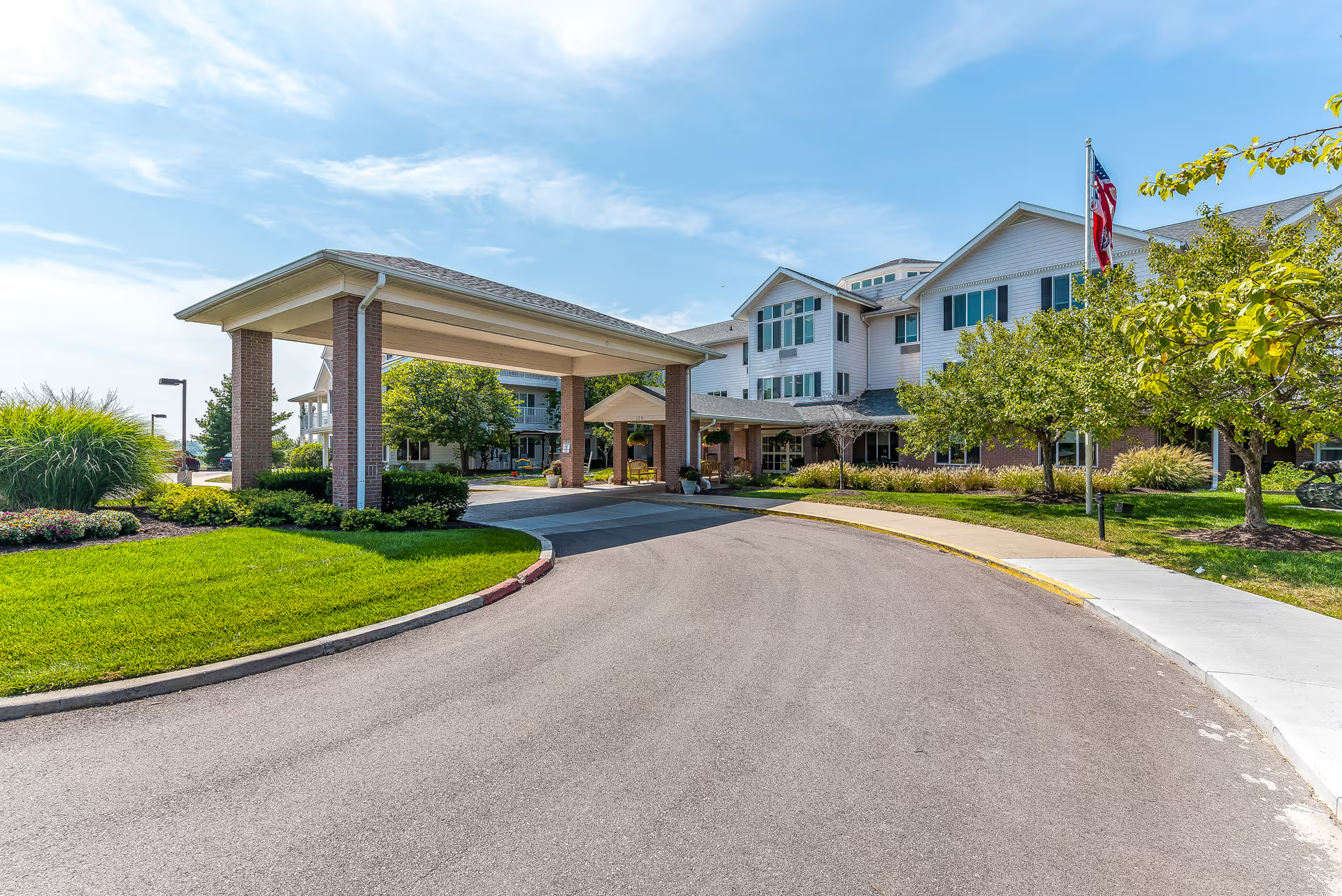
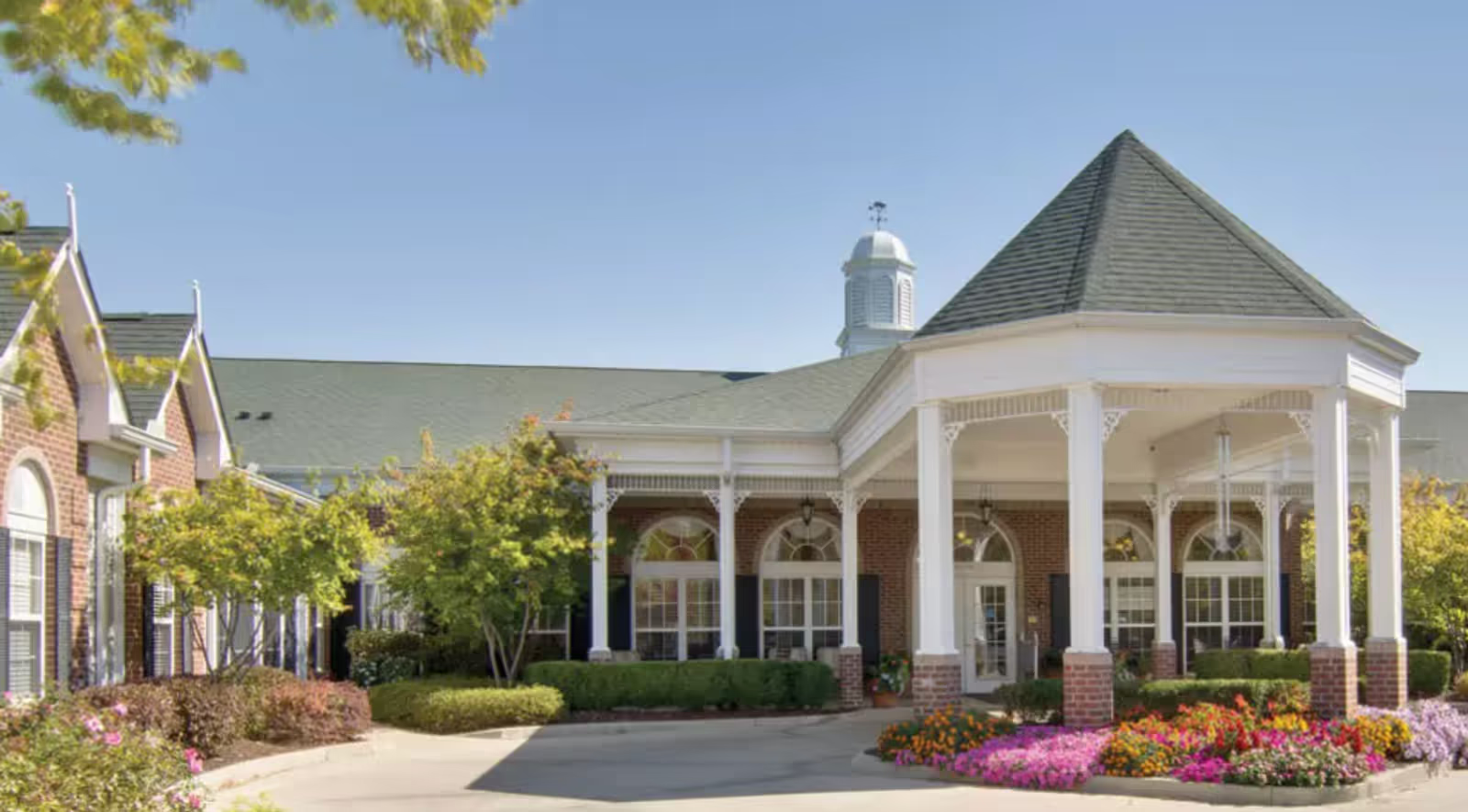
Facility features such as comfortable common areas and private bathrooms are noted favorably and support resident privacy and comfort. There are no repeated facility-equipment failures cited; the concerns focus more on how care is delivered and managed. Management and operational patterns emerge as mixed: reviewers describe some instances of good service and others of inconsistency, suggesting opportunities to standardize staffing, shift coverage, and communication expectations.
Overall, Essex of Mexico appears to offer strong social programming, good dining, and many positive staff-resident interactions, but prospective residents and families should be aware of variability in staffing and service consistency. When evaluating the community, consider asking targeted questions about staffing ratios, shift coverage, how the facility handles peak-demand periods, staff training on professional communication, and how the facility manages transitions and short stays to better understand how those operational traits might affect an individual resident’s experience.