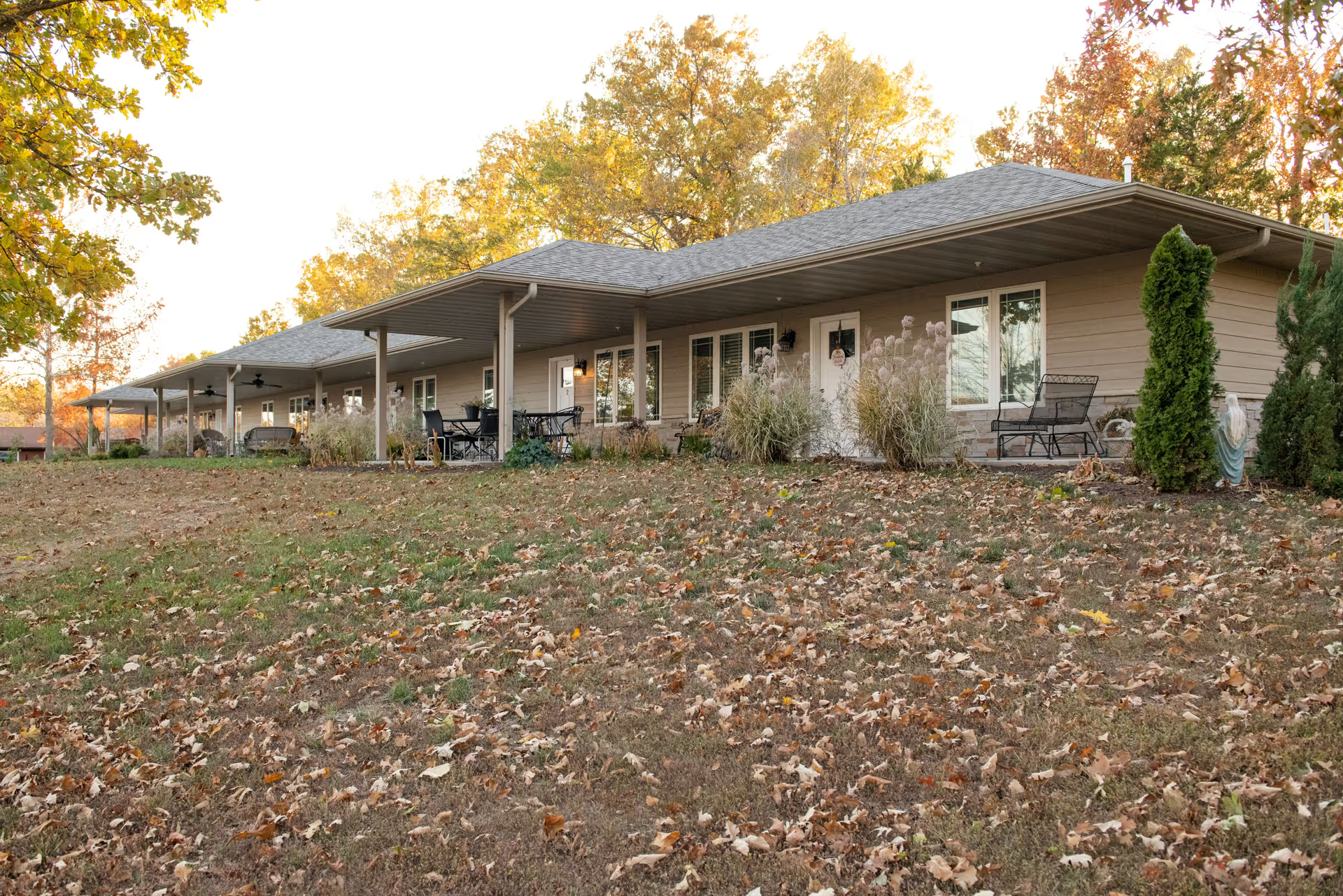
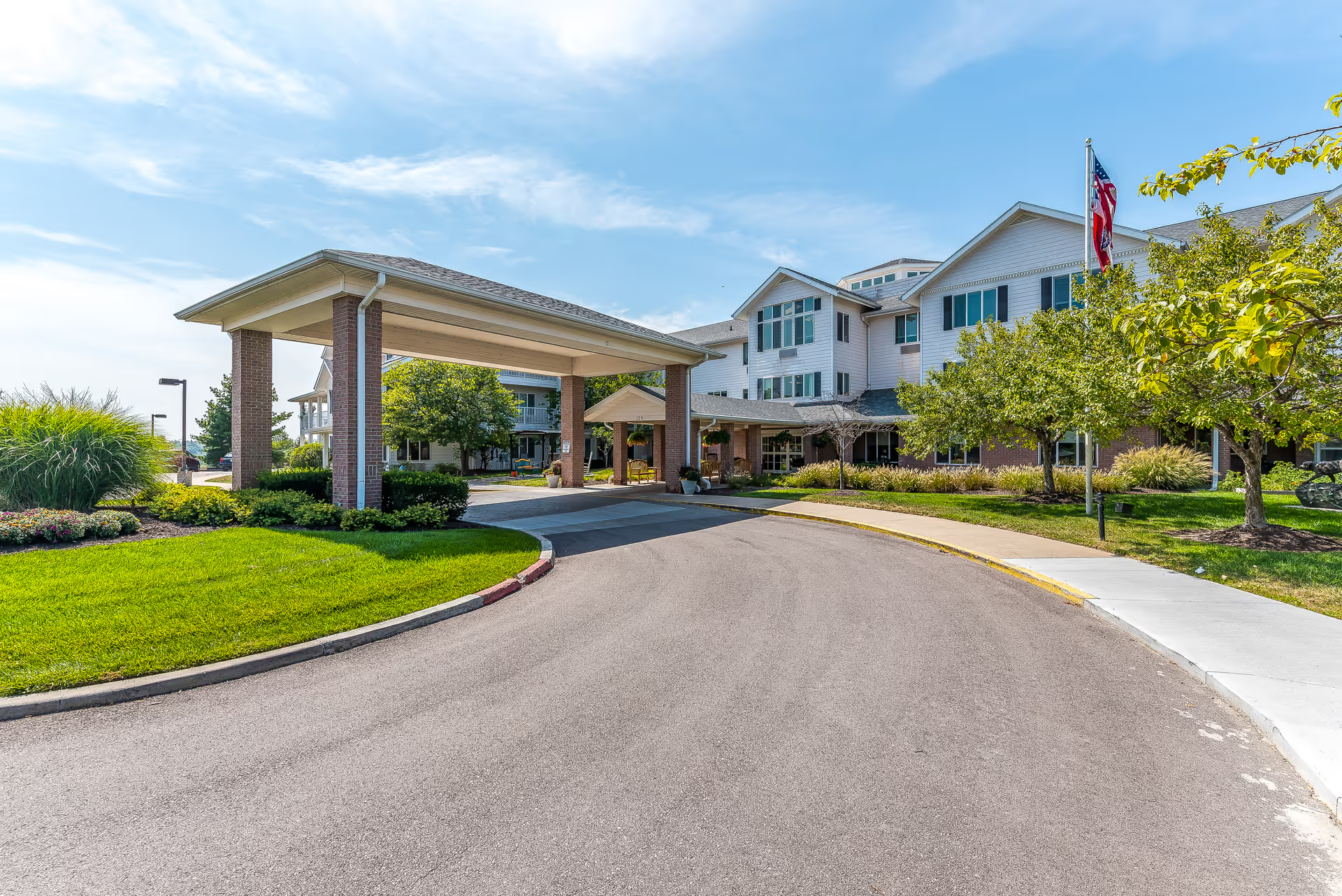
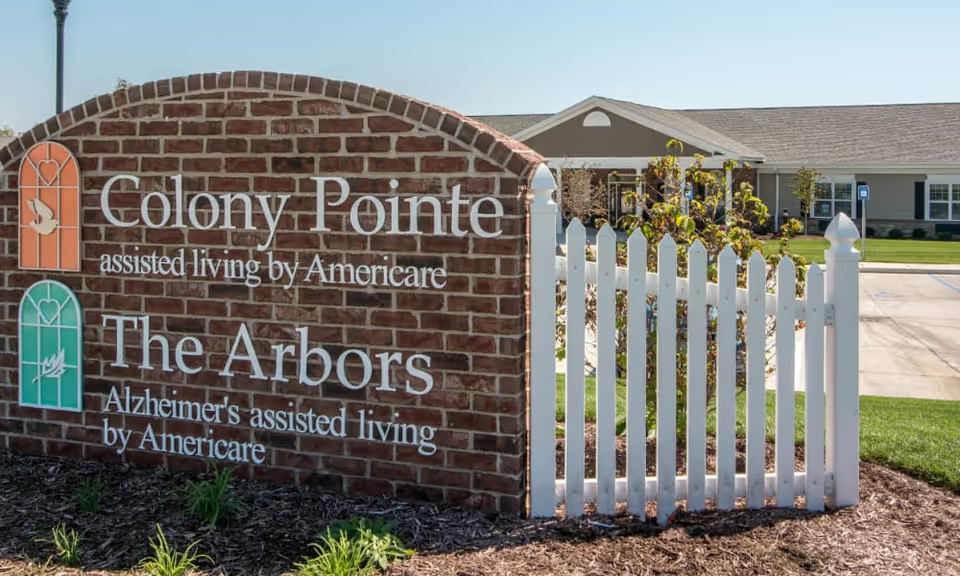
Teal Lake Senior Living is described predominantly as a well-kept, community-oriented assisted living option with strong social programming and a pleasant physical setting. Reviewers emphasize an airy, modern interior and attractive grounds—lake access and walking paths are repeatedly noted—alongside detached one- and two-bedroom cottages that offer private living arrangements. Common-area cleanliness and an overall welcoming atmosphere are cited as consistent strengths.
Staff and clinical care receive largely positive remarks: many families and residents characterize staff as kind, engaging, and effective at routine tasks such as medication administration and personal care. Several accounts describe timely medicine delivery, smooth transitions into the community, and staff who facilitate social engagement. That activity programming is broad—bingo, exercise, puzzles, cards, outings, and church services—is highlighted as supporting residents' social well-being; salon services and frequent events contribute to reports of improved mood and increased social connections for residents.
Dining and nutrition are also a notable strength. Reviewers point to balanced meals, a variety of menu choices, and generally positive food experiences. Food service is tied to social life at the community—residents report enjoying meals together and attending events without missing dining opportunities.
Facility features and family communication rank positively. The campus layout, cottages, and communal spaces support both privacy and community interaction. Families describe accessible visitation, clear communication from staff, and a sense of being kept informed about routine matters.
Despite the generally favorable perspectives, an important pattern of concern appears in a small number of accounts that describe extended delays in attending to urgent resident needs after an incident. These accounts suggest potential weaknesses in monitoring, rounding, and clinical-incident escalation procedures. In other words, while day-to-day care and medication administration are frequently characterized as reliable, there may be variability in responsiveness and oversight during critical events or across different shifts.
In summary, Teal Lake presents as an attractive, well-managed community with strong social programming, pleasant facilities, and generally attentive staff. Prospective residents and families should weigh those strengths against the isolated but serious concerns about incident response and consistency; it would be prudent to ask management about current protocols for monitoring, incident escalation, staff-to-resident ratios across shifts, and any recent changes made to address responsiveness and clinical oversight.