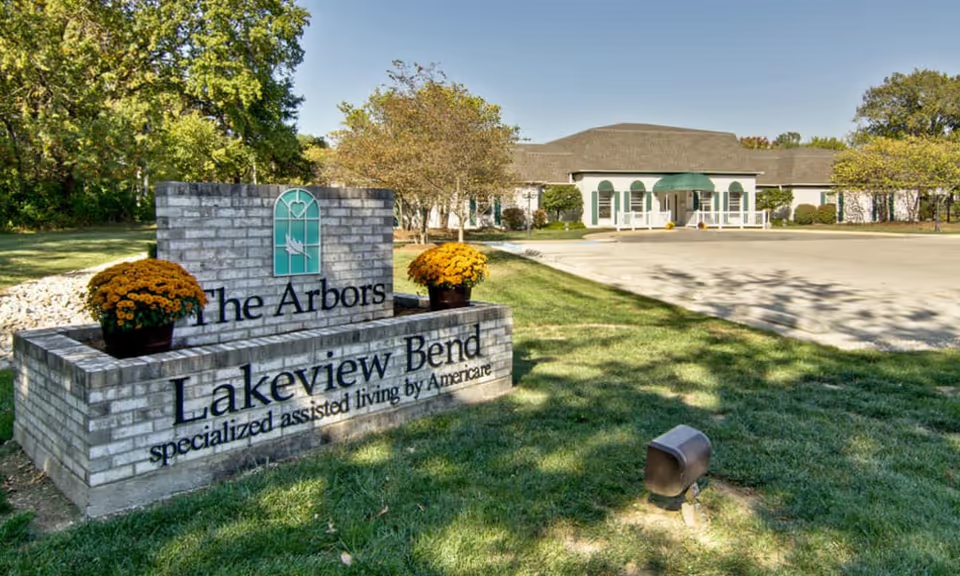
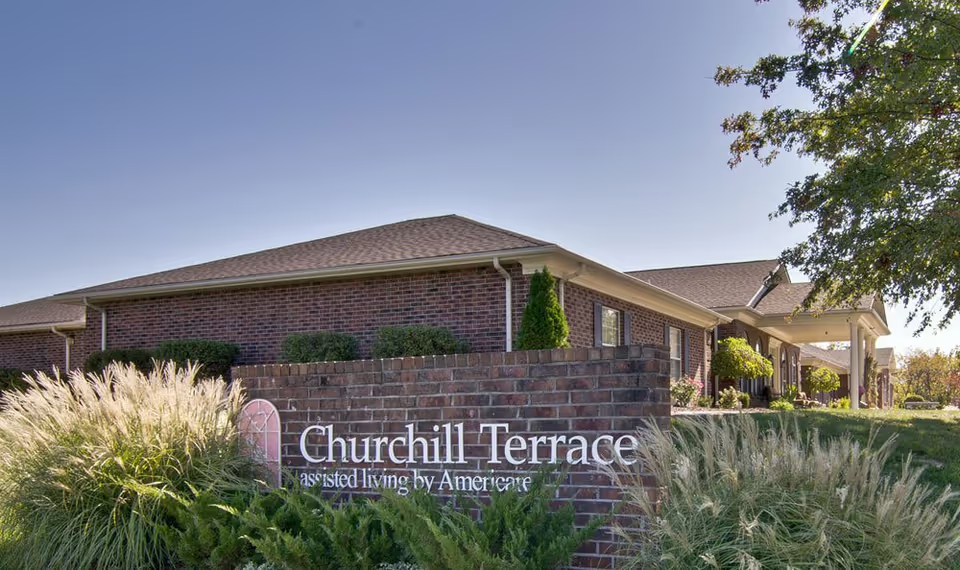
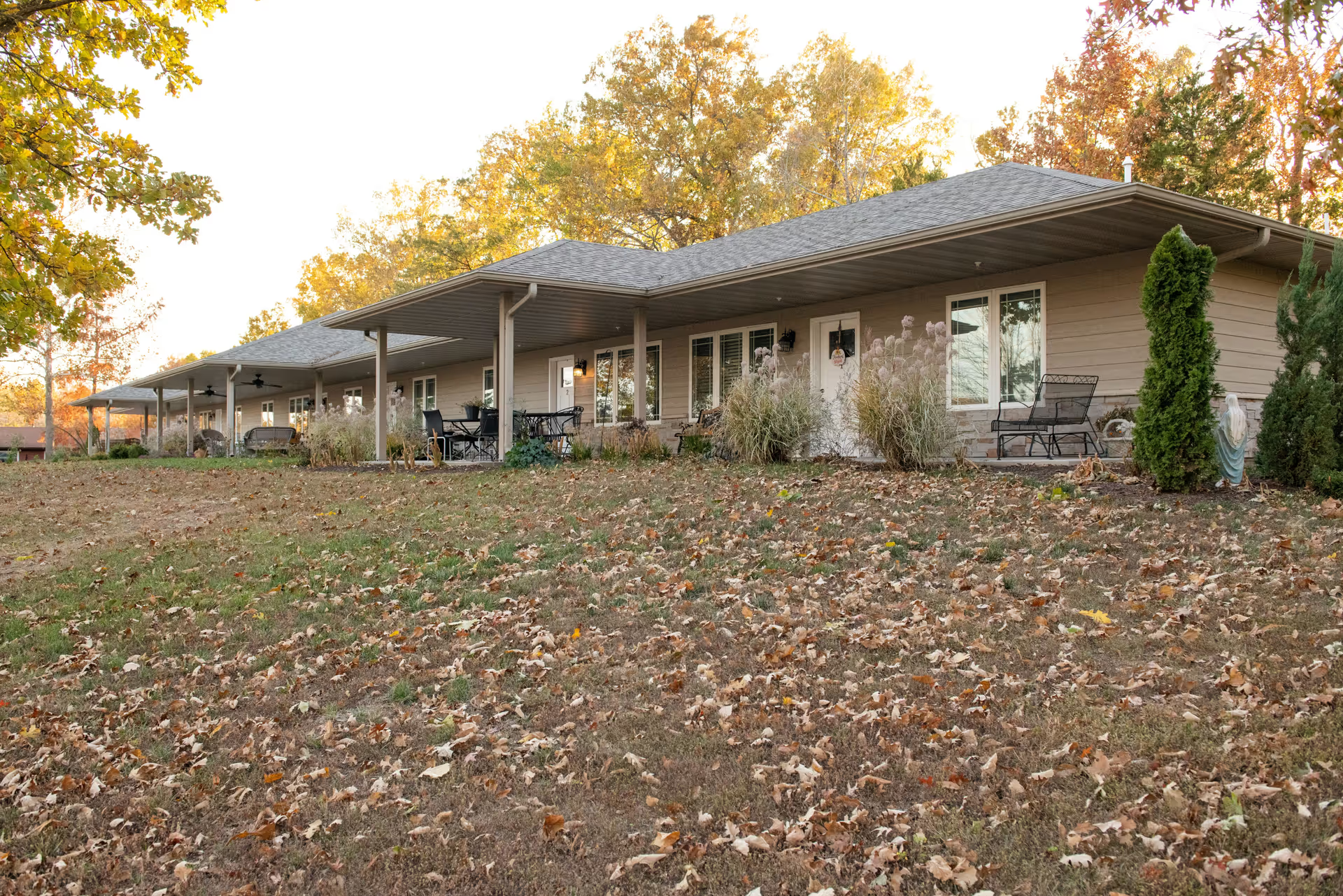
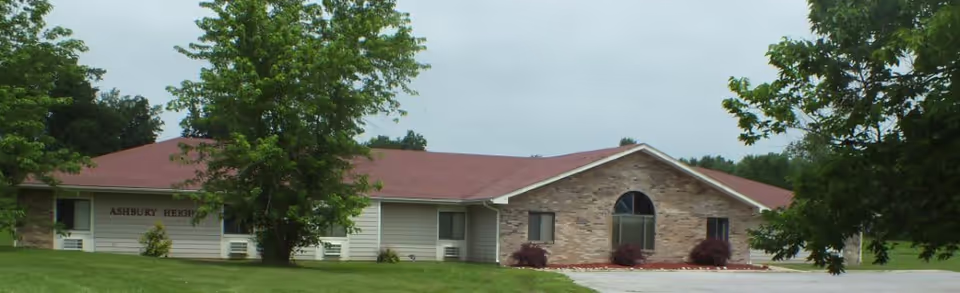
The reviews present a mixed picture: the facility is described as small and home-like with several staff members noted for being kind, attentive, and willing to provide personal-care touches such as hair and nail care. A strong point is the facility’s short-term rehabilitation services and professional physical-therapy staff; reviewers describe measurable functional improvement for some residents and the ability to accommodate time-limited stays. Hospice and palliative-care collaboration and family-friendly common spaces are also cited positively.
Care quality appears inconsistent. Positive descriptions of compassionate, responsive staff coexist with multiple concerns about delayed responses to clinical needs and long nurse-call waits. Several reviews point to delays in routine personal care (including bathing and toileting assistance) and concerns about pain-management consistency. There are indications that the facility is not well equipped for higher-acuity residents (for example, those who are oxygen dependent) and that staff training and orientation for complex care needs can be insufficient. Fall-related safety and monitoring systems are noted as limited, which reviewers linked to adverse outcomes in some cases.
Staffing and management emerge as core operational themes. While individual caregivers are frequently described as going beyond their duties, the facility also reportedly experiences high turnover and periods when inexperienced staff are scheduled. Reviewers raised concerns about management stability, employee-treatment issues, and the facility’s for-profit orientation; there are also allegations of financial misconduct that families should consider when evaluating placement. These management challenges appear tied to uneven consistency of care and to deferred facility upkeep.
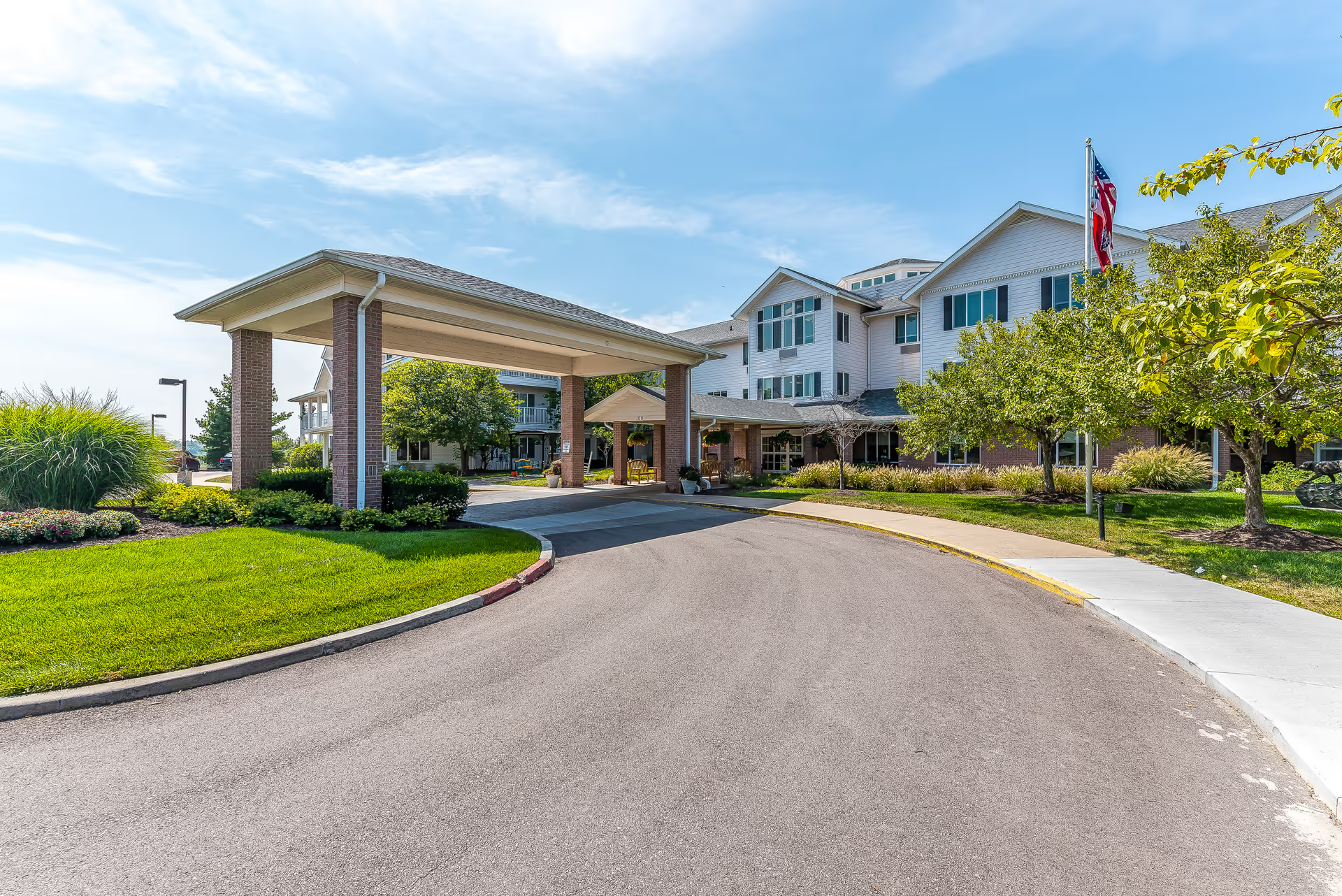
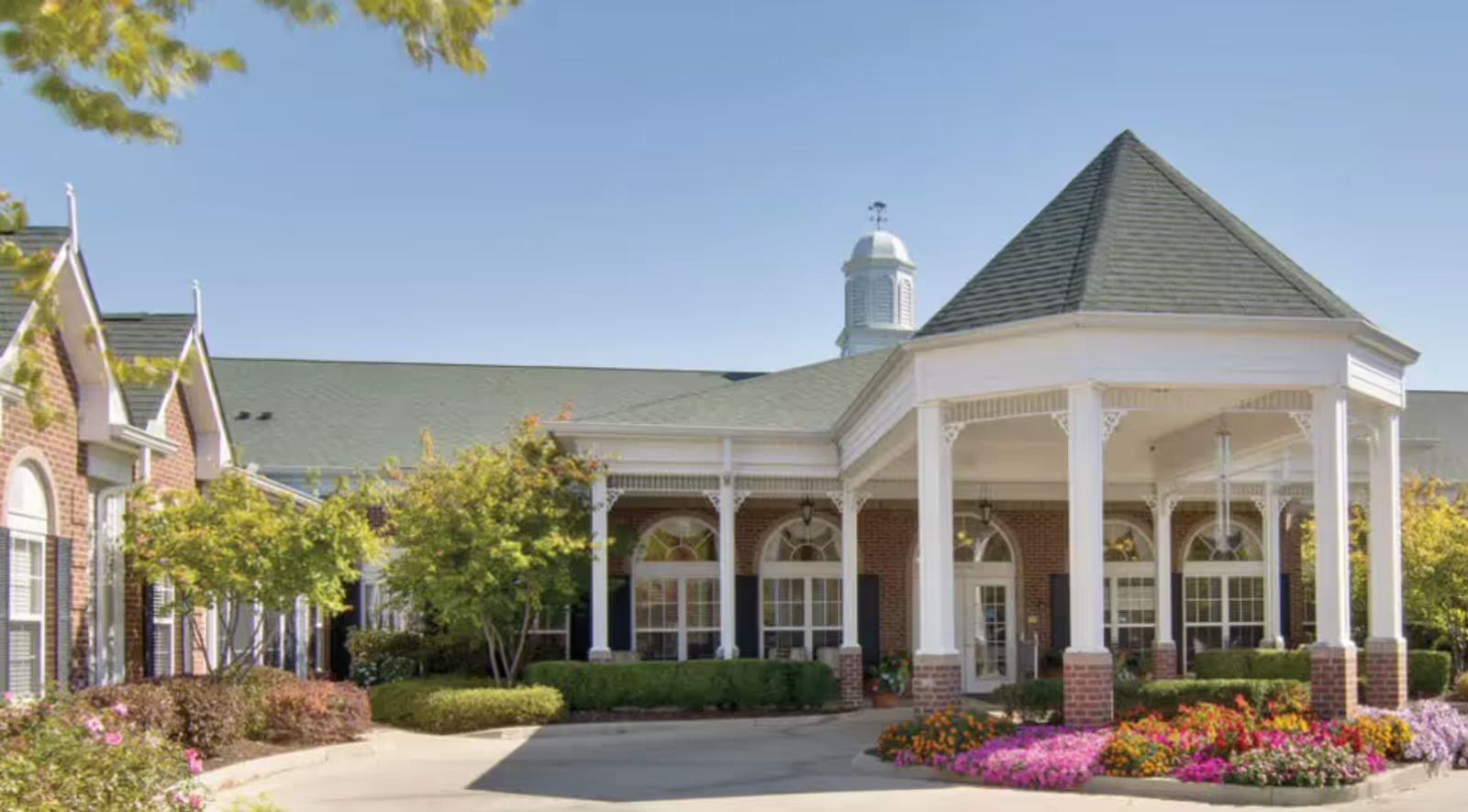
Dining and the daily environment are described inconsistently. Several reviewers praised food quality and individualized meal accommodations, while others described unsatisfactory dining and shared-bathroom arrangements in certain areas. The building is characterized as older; some parts are clean and homey, but other reviewers noted sanitation and cleanliness issues and a need for remodeling and maintenance (including parking-lot repair).
Notable patterns: reviews are polarized — some families recommend the facility for short-term rehabilitation and hospice collaboration, while others caution against long-term placement for residents with higher clinical needs. Prospective families should weigh the strength of the therapy program and small, residential atmosphere against recurring operational concerns: staffing stability, response times, fall-prevention protocols, infection- and clinical-management consistency, and facility maintenance.
Recommendations for families considering this facility: arrange a tour that includes inspection of resident rooms and common areas; ask for current staffing levels and turnover statistics; review fall-prevention and nurse-call response procedures; inquire about staff training for higher-acuity care and pain management; request examples of how the facility coordinates with hospice and therapy providers; and speak with current resident families about routine sanitation practices and management responsiveness. These steps can help clarify whether the facility’s strengths match the prospective resident’s needs.