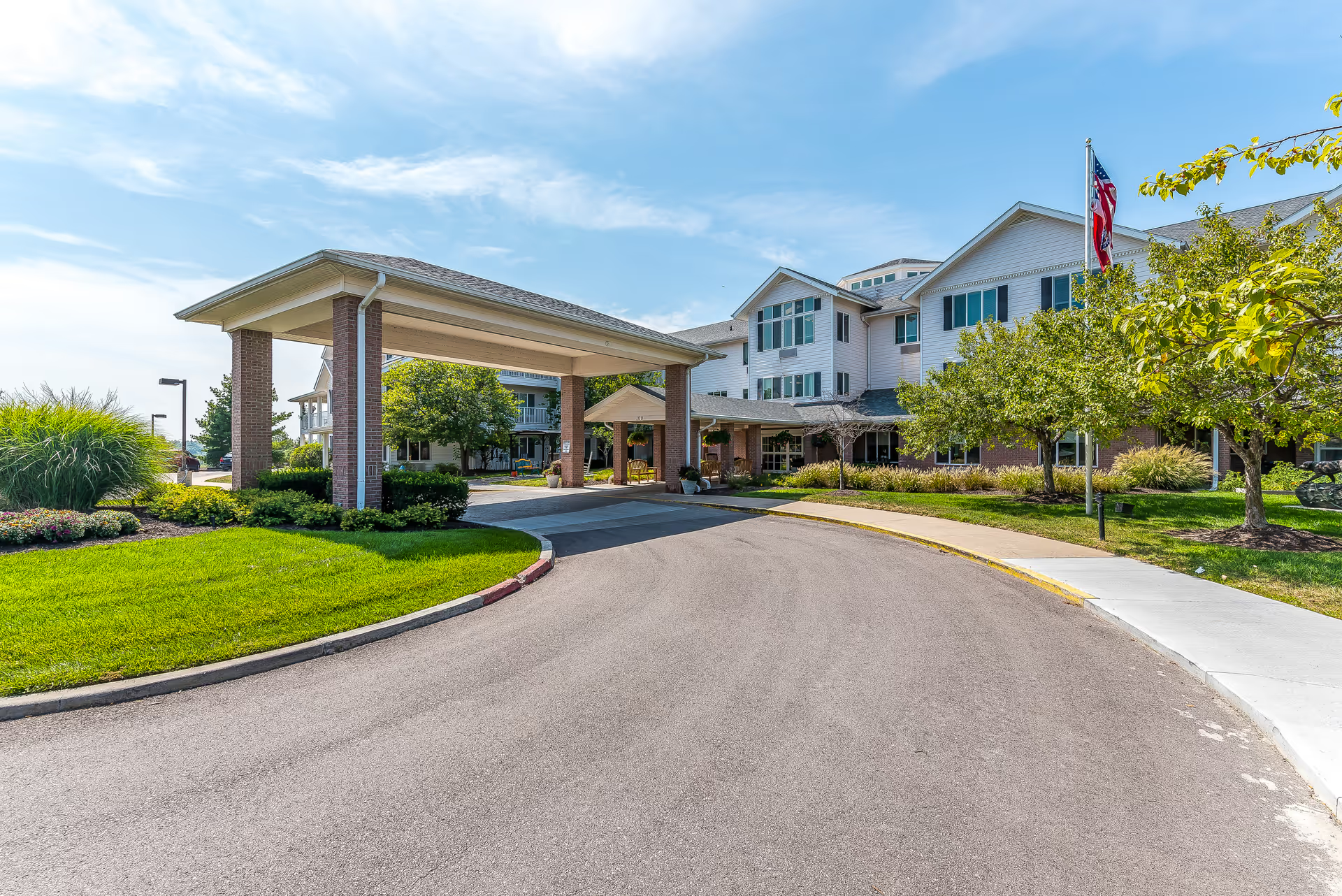
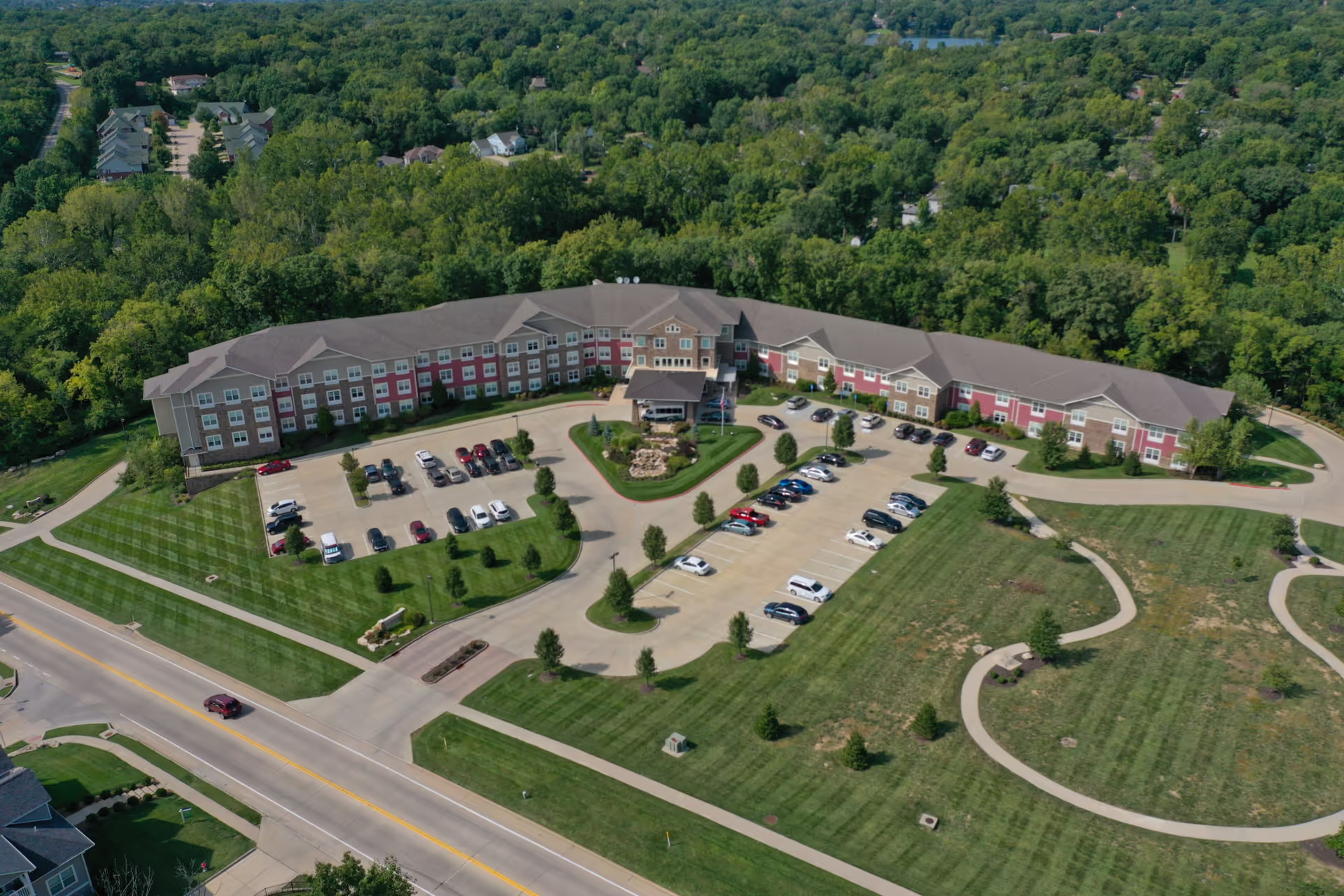
Overall impression is mixed but consistent in certain themes. Positive feedback centers on the clinical rehabilitation program and frontline caregiving: many families describe effective therapy services, daily functional improvement for residents, and staff who are compassionate and willing to engage with families. Activities programming, including live music and desserts noted as enjoyable, contributes to a pleasant social environment. Several reviewers characterized common areas as clean and well maintained, and some call the facility a convenient local option for Moberly residents.
At the same time, the facility shows operational inconsistencies that may affect prospective residents differently depending on acuity and timing. Cleanliness and odor-control practices are uneven across reports, and meal quality is described variably — from favorable dining experiences to unreliable breakfast service and poor meals. Staffing is a recurrent concern: while many staff members are praised for kindness and responsiveness, reviewers also note turnover and staffing instability that appear to create variability in day-to-day care and administrative follow-through.
Clinical and administrative gaps are another pattern. There are concerns about responsiveness to pressing clinical needs (including pain management and post-operative mobility support) and about transfer/mobility assistance for higher-acuity residents. One reviewer raised an allegation of misrepresentation regarding admission expectations (rehab versus longer-term skilled nursing), which highlights the need for clear pre-admission communication. Property-management issues such as laundry and missing personal items were also mentioned, indicating weaknesses in inventory and resident-belongings procedures.
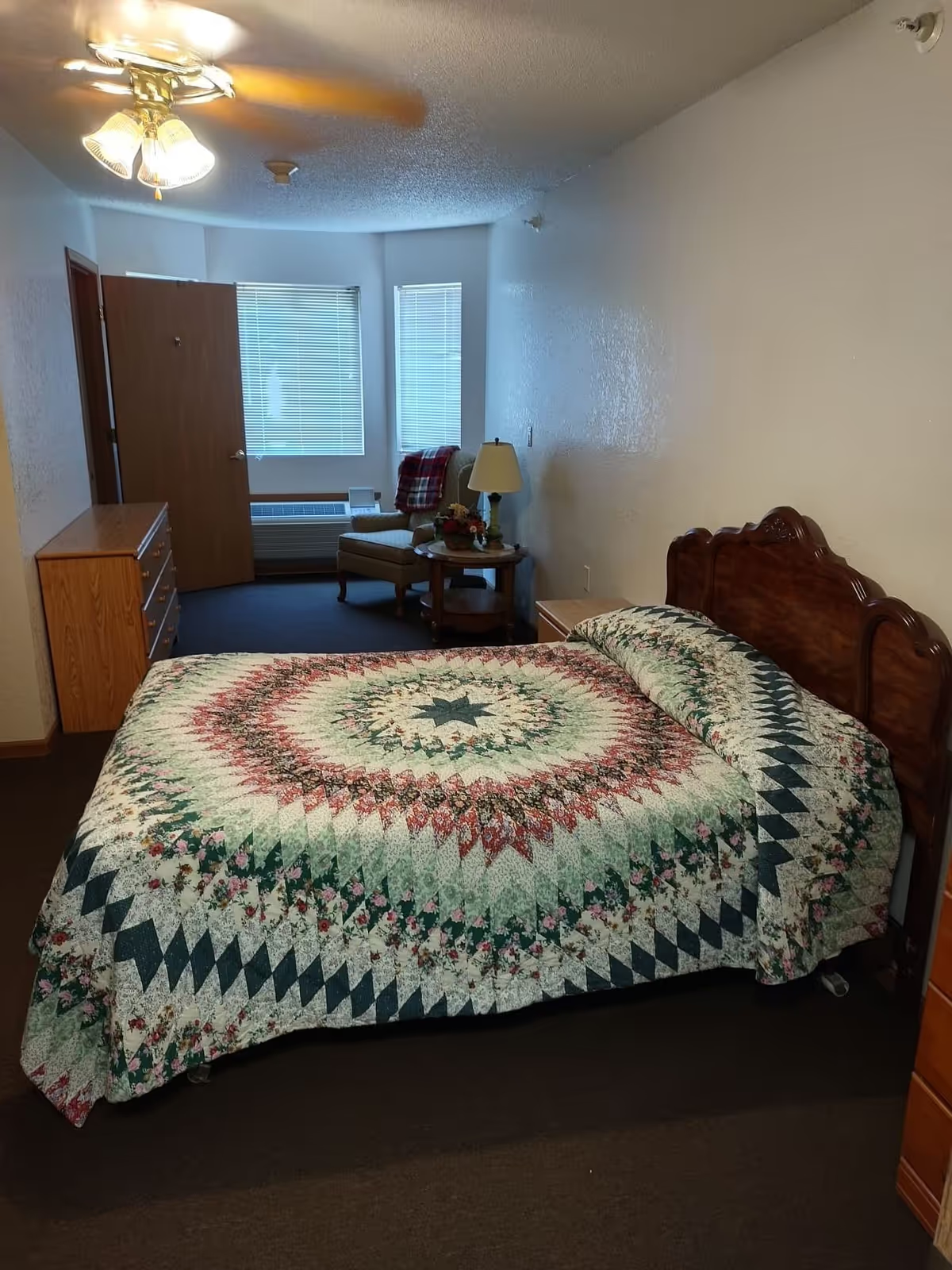
Management appears to be working under budgetary limits and, according to some reviewers, is undertaking improvements; however, administrative responsiveness is inconsistent — office staff are described as either helpful or unhelpful depending on the account. Facility constraints include small resident rooms, limited storage/closet space, and a waiting list for private rooms.
For families considering this facility, the pattern suggests a generally strong therapy program and many caring direct-care staff, tempered by variability in cleanliness, dining consistency, staffing continuity, and administrative processes. A recommended approach is an on-site tour focused on current staffing levels, sanitation protocols, pain- and post-op care procedures, laundry/property management policies, and documentation about the level of care to be provided prior to admission.