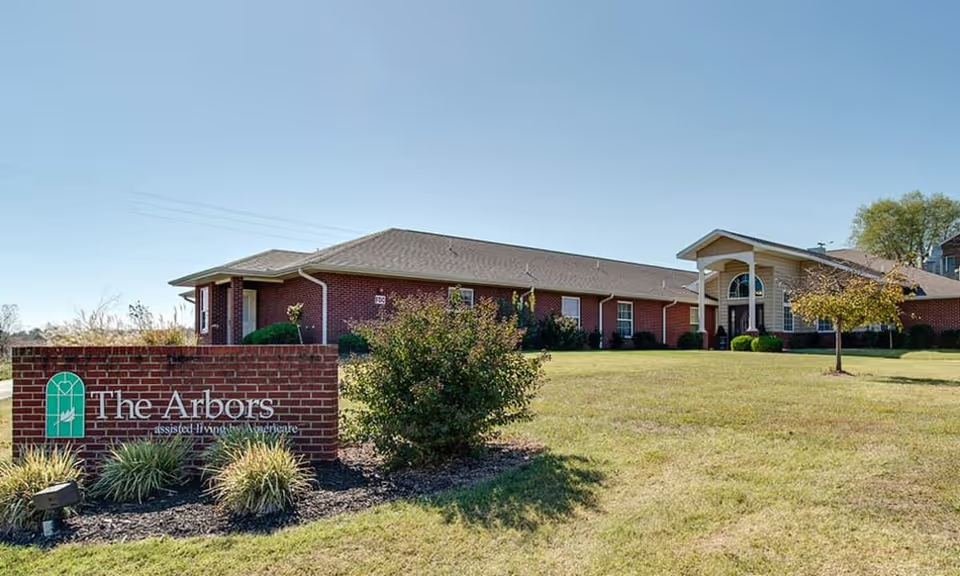
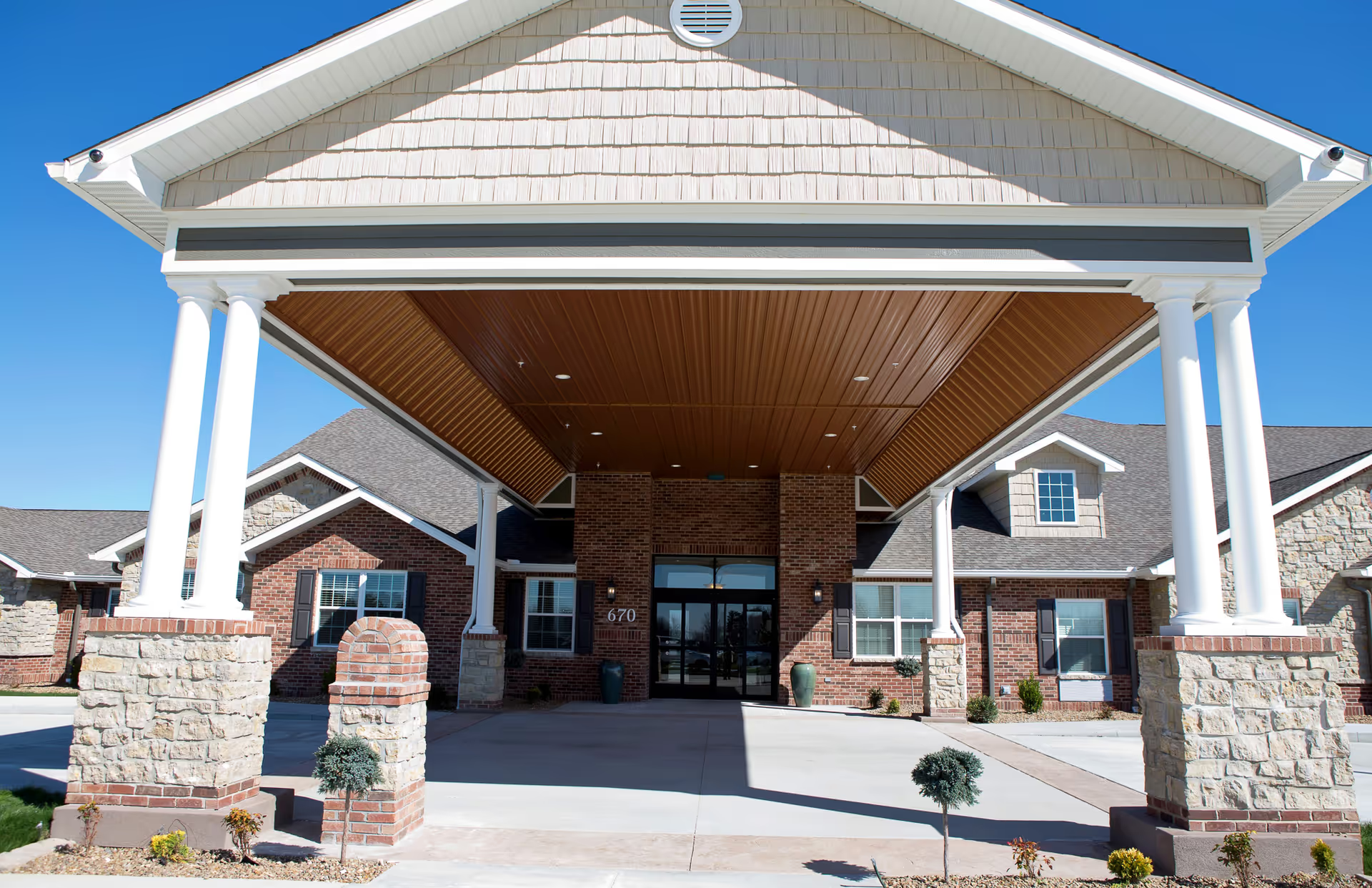
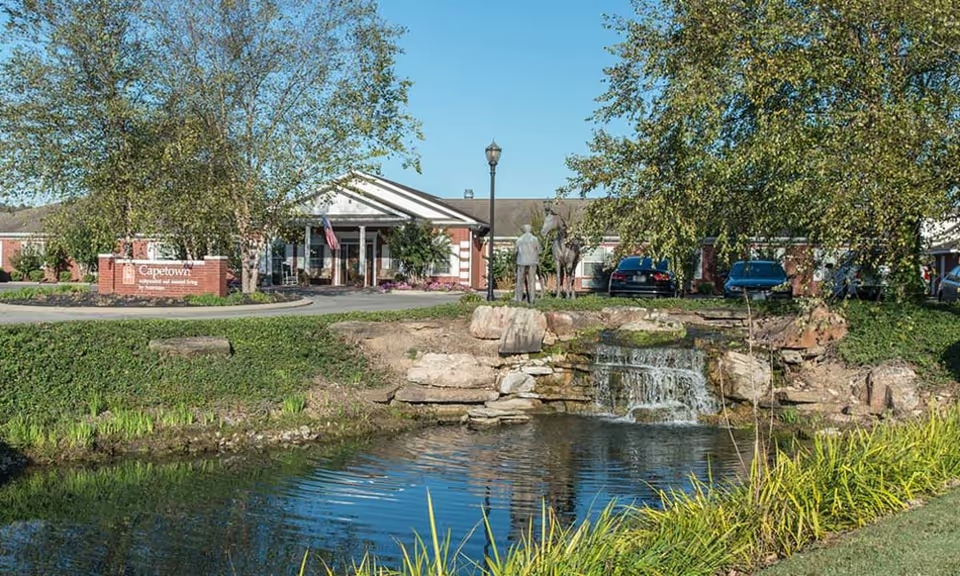
Reviewer feedback about The Estates of Perryville Nursing and Rehabilitation Facility is markedly polarized, describing both strong individual staff performance and systemic operational weaknesses. Positive commentary centers on frontline caregivers and case-management staff who are described as compassionate, hardworking, and effective at supporting families during transitions. Several families named specific employees as helpful and communicative. The building’s physical environment also receives favorable mention in many accounts: reviewers describe a bright, open facility with ample windows, communal space, and activity programming. Its proximity to a hospital is viewed as a practical advantage by some families.
At the same time, a recurring theme is chronic understaffing and instability in staffing levels. Reviewers link limited staffing to inconsistent personal care (including bathing and toileting schedules), missed or delayed assistance, and variability in how quickly clinical concerns are escalated. Some accounts describe delays in obtaining timely physician attention and dental follow-up, and there are concerns about medication-management practices and possible overmedication in specific cases. These operational gaps contribute to divergent experiences: while some residents are described as receiving attentive care, others are said to receive untimely or inconsistent care.
Dining and nutrition impressions are mixed. A portion of reviewers praise the food as enjoyable, whereas others characterize meals as monotonous or lacking appropriate nutrition and note instances where residents were not fed or had meal-service interruptions. Activity offerings are generally seen as a positive component of resident life, but the quality of daily care and mealtime consistency appears to vary with staff availability.
Facility maintenance and safety are also uneven in reviewer accounts. Many cite a well-kept, home-like environment with engaging communal areas, but other accounts raise cleanliness and sanitation issues in parts of the facility and report broken fixtures or supply shortages that undermine care delivery. Security and visitor-access practices are another area of concern: reports describe inconsistent visitor policies, confrontational interactions at entry points, and allegations of missing personal items. Workforce-management issues extend beyond scheduling to payroll and employment practices; there are claims of unpaid wages and worker-term practices that have led to legal concerns in at least some accounts.
Management and corporate communication receive criticism for perceived poor responsiveness, favoritism, and prioritization of financial objectives over clinical needs in some reviewers’ views. Conversely, families who had positive experiences highlight proactive communication from specific staff members and effective case-management support. In short, the facility appears to deliver high-quality care when direct-care staffing, communication, and supplies are sufficient, but systemic issues—particularly inconsistent staffing, care continuity, medication oversight, sanitation in some areas, and management practices—create variability in resident experience.
For prospective residents and families: arrange in-person visits during shift changes and mealtimes to observe staffing and meal service, ask for current staffing ratios and turnover data, request copies of medication-management and incident-reporting policies, review visitor and resident-placement policies, and inquire about payroll and human-resources stability. These steps will help assess whether the facility’s strengths align with your relative’s needs and whether the operational concerns reflected in some reviews have been addressed.