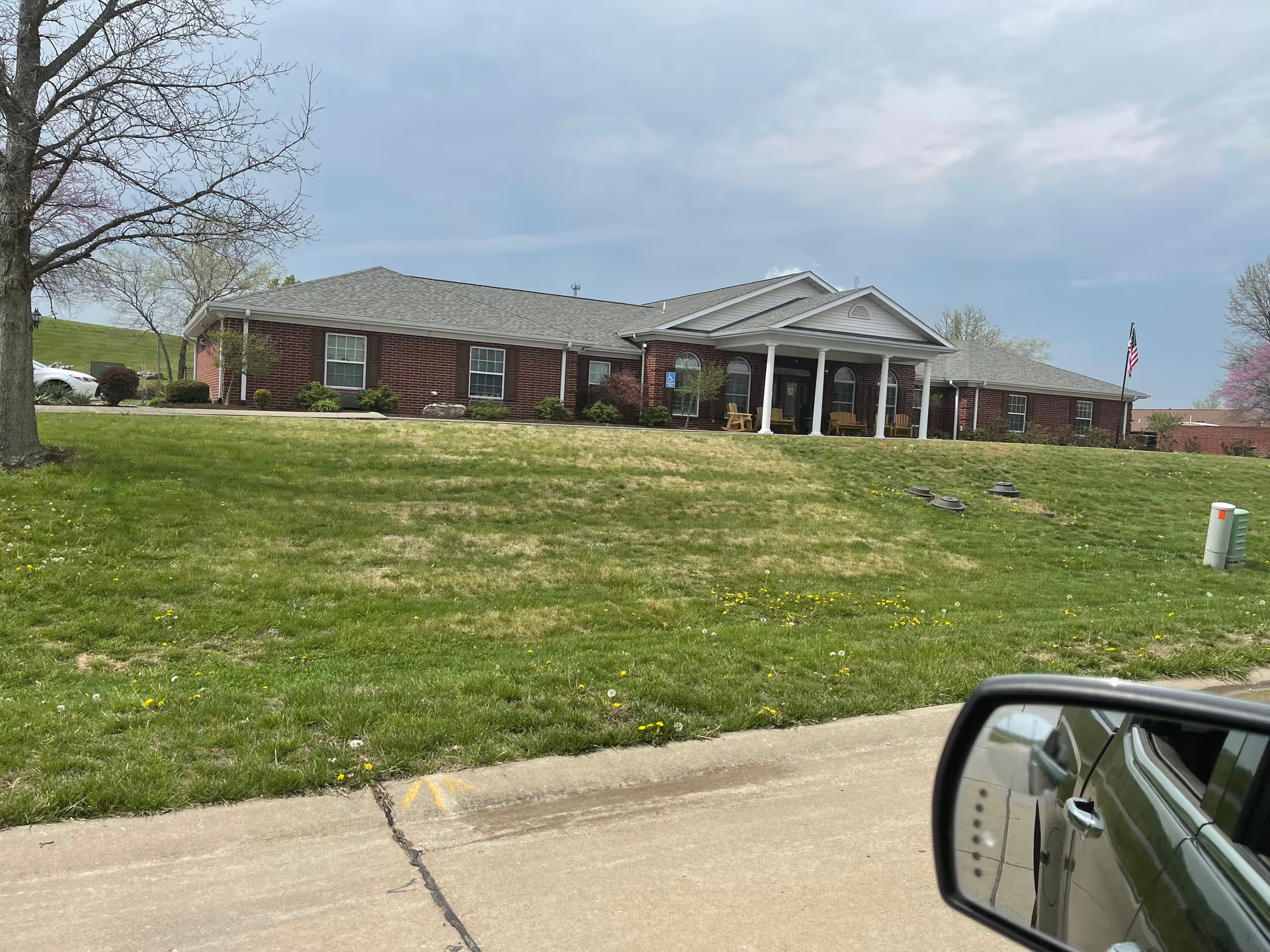
Capetown Senior Living elicits mixed but distinct themes. Many families praise the facility's small, home-like scale, noting compassionate caregiving—including dementia-trained staff—and individualized attention. Reviewers highlighted smooth admissions and transitions, particularly for residents moving from assisted living into memory care. Several comments emphasize dedicated staff members and an approachable administrative team that can be responsive and family-oriented. The presence of a chef and the ability to customize meals, along with social traditions such as celebratory cake days, are cited as meaningful positives.
At the same time, recurring operational concerns appear in reviews. Dining is a polarized area: some families describe nutritious, appealing meals and flexible menu options, while others report inconsistent food quality, food-handling and food-safety practices, limited menu variety, and occasional missed or interrupted meal service. A number of families supplement meals with outside food. Cleanliness and sanitation are similarly mixed; while common areas are often described as well maintained, there are accounts indicating inconsistencies in room-level cleaning and odor concerns that warrant follow-up.
Staffing and role clarity emerge as another pattern. Several reviewers describe staffing shortages and instances of role diffusion—for example, nursing or activity staff taking on nonstandard duties—which can create operational strain and affect residents' day-to-day experience. Activity programming is active in some accounts but is described as unengaging or infrequent in others, suggesting variability in program delivery. Administrative performance also varies by account: some families report responsive, organized leadership, whereas others recount limited presence, unresolved complaints, or lack of follow-up.
For prospective residents and families, the facility's strengths—personalized, memory-focused care, a small community feel, and staff members who are praised for compassion—are balanced by operational areas that may require inquiry during a tour or intake conversation. Key follow-up topics should include current staffing levels and staff roles, kitchen training and food-safety procedures, routine cleaning schedules and odor-control protocols, activity calendars with examples of participation, and clarity about fees to assess cost versus perceived value. Visiting during a meal, meeting the nursing leadership and activity staff, and asking about recent regulatory or quality-improvement actions will help families assess whether Capetown's mix of strengths and inconsistencies aligns with their priorities.