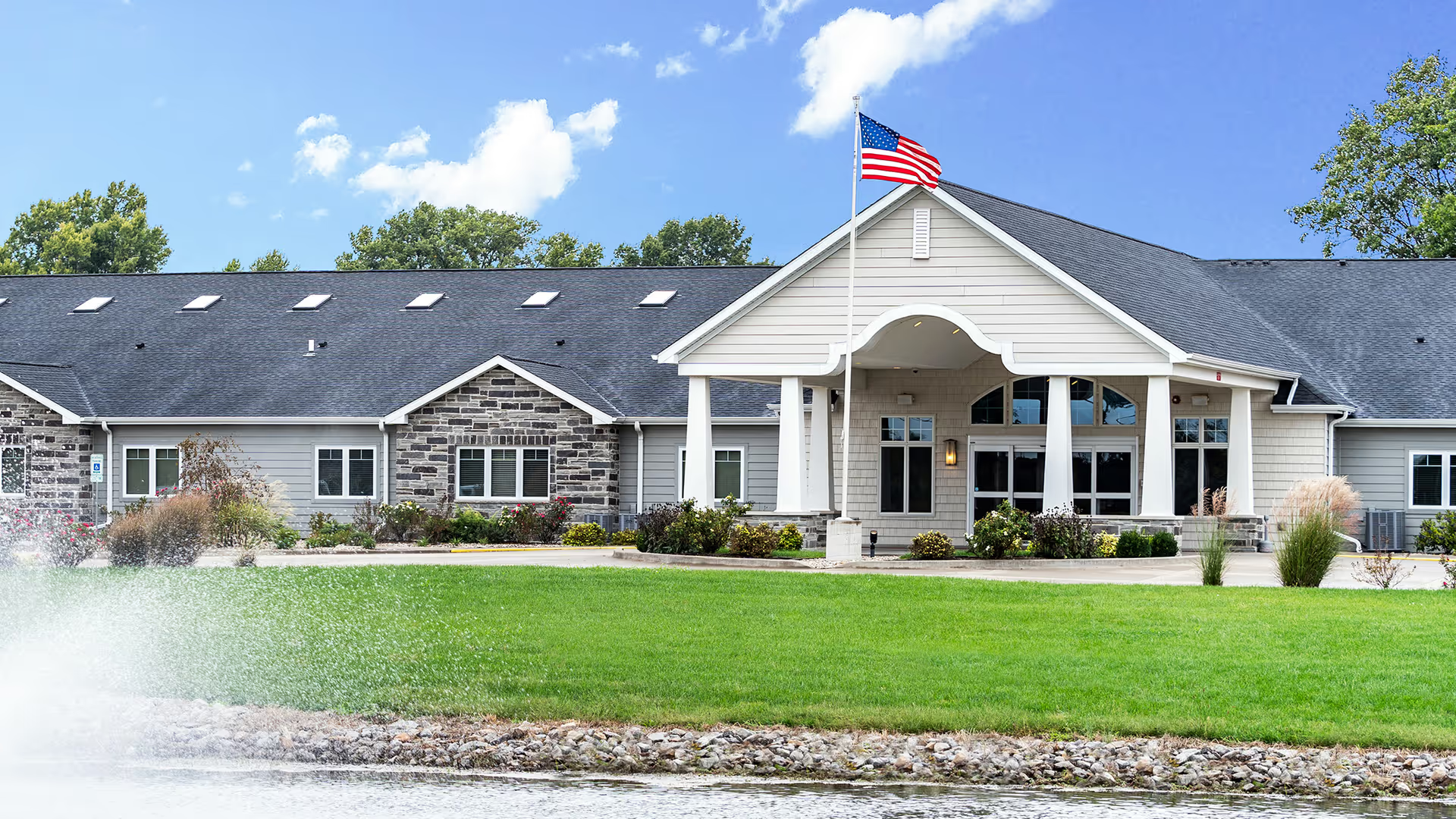
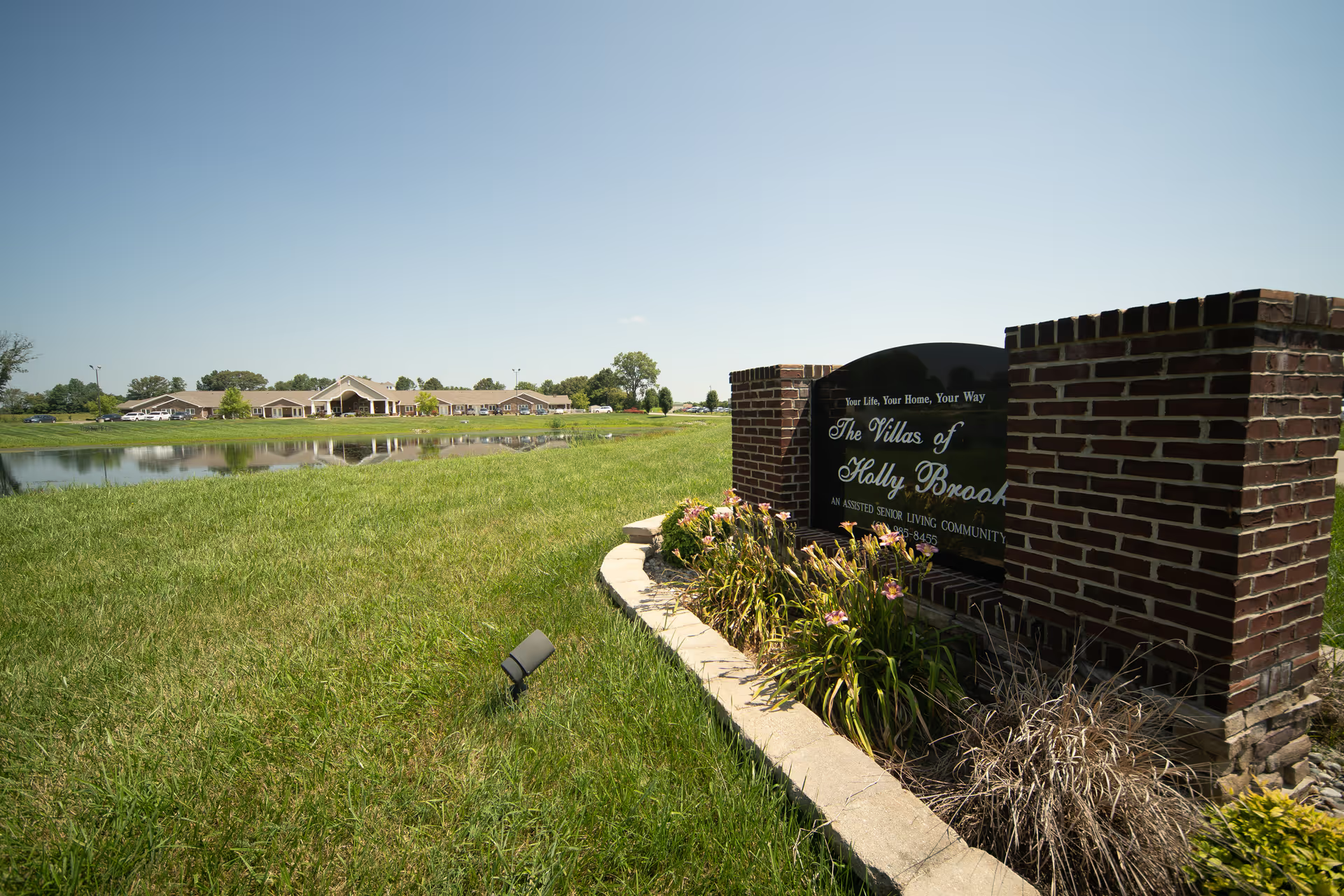
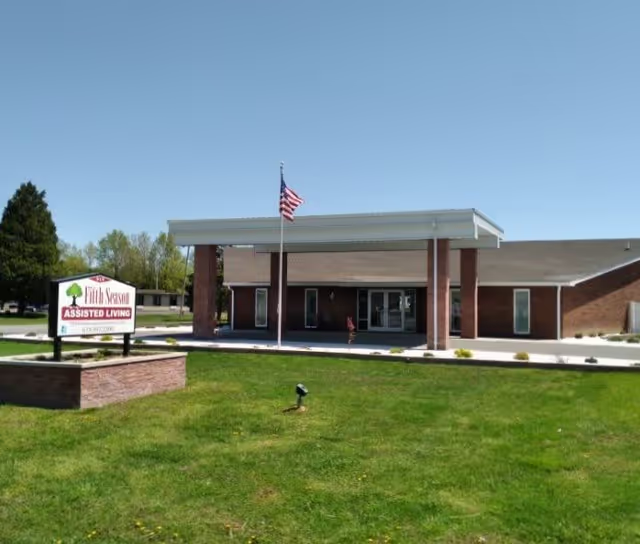
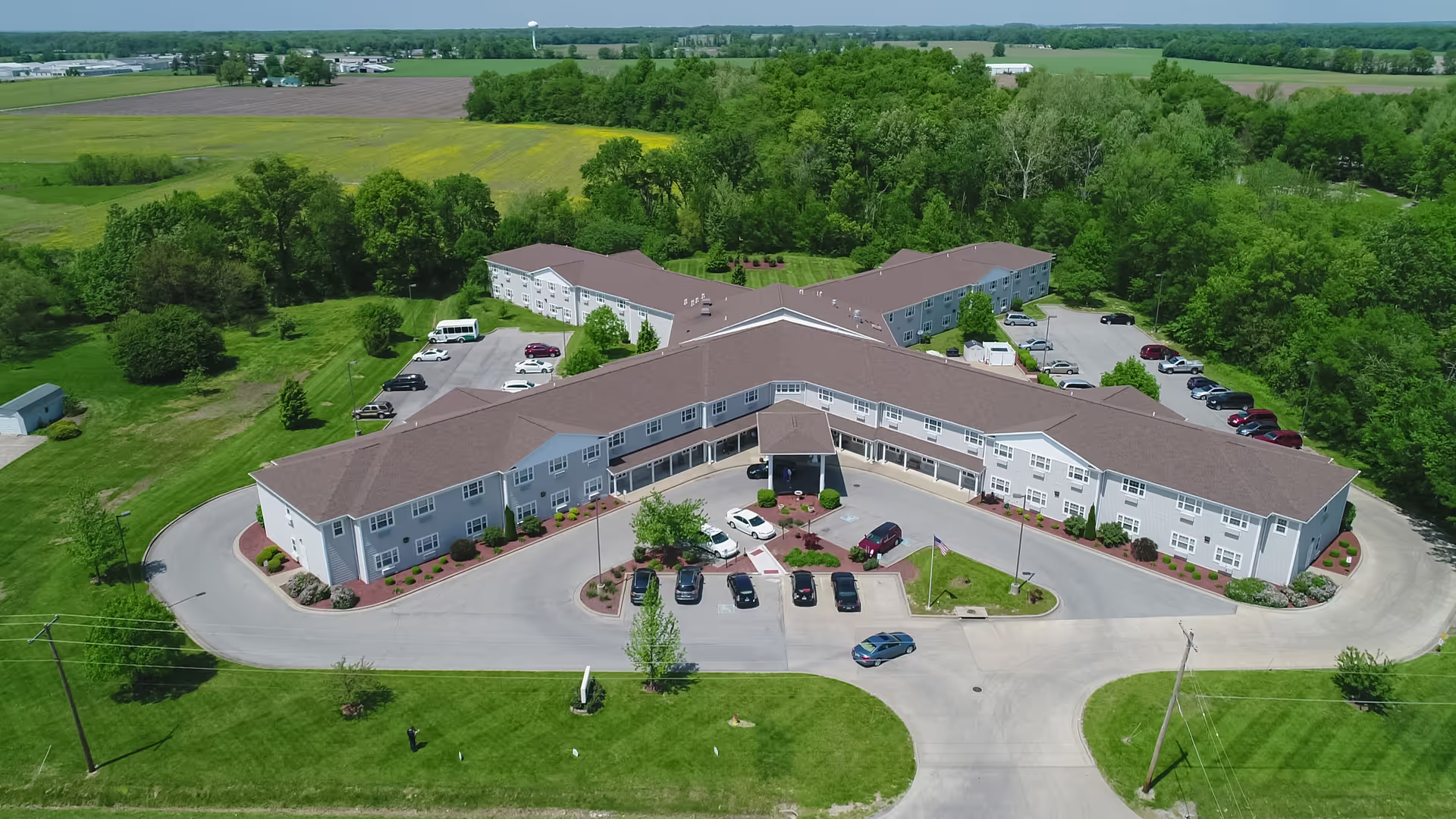
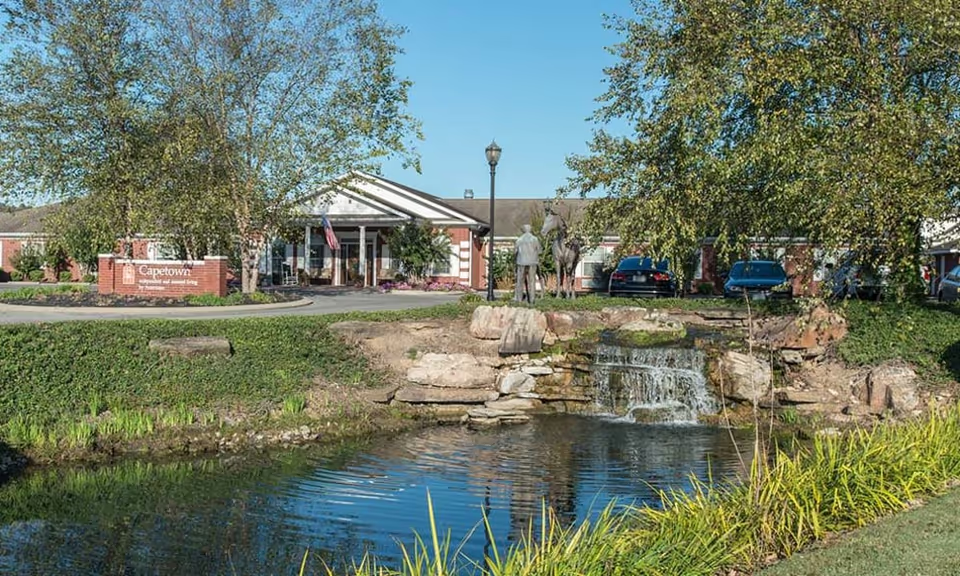
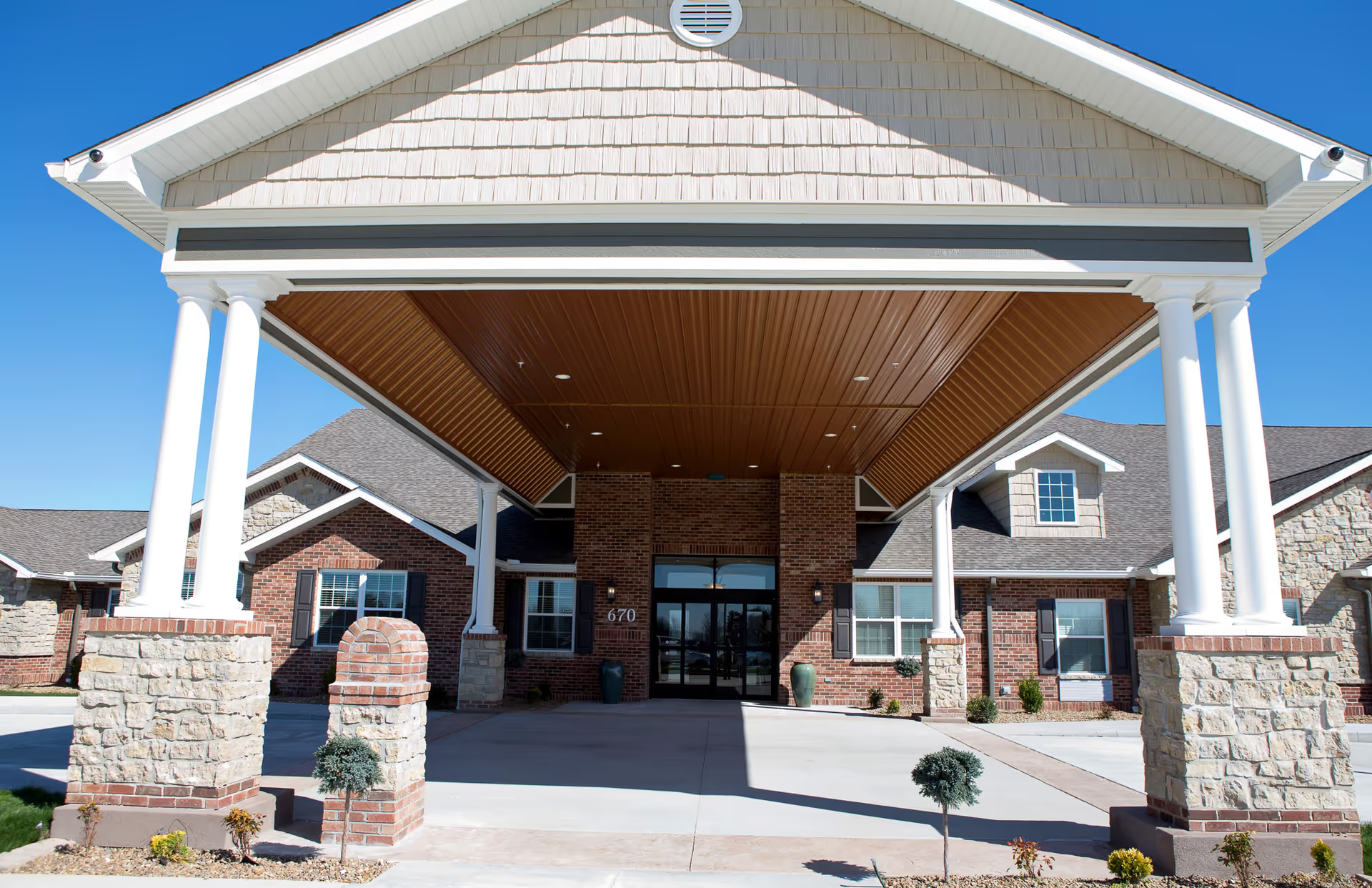
Overall impression: The Landings at Reed Station Crossing is frequently described as a modern, well-appointed senior living community with resort-like amenities and attractive outdoor spaces. Many families and residents praised the physical environment — new construction, landscaped grounds, a lake with water features, garden beds, courtyards and multiple indoor common areas such as a theater, library, salon, and lounges. Apartment units are generally characterized as spacious with large bathrooms, walk-in closets, two-bedroom options, and individual climate controls. The community is pet-friendly and offers accessible parking and walkable grounds.
Care and staff: Caregiving staff receive consistent positive mention. Reviewers often highlight attentive CNAs, a 24/7 nursing presence, supportive therapy staff, and compassionate direct-care interactions that contribute to a family-like atmosphere and peace of mind for families. The tour and move-in teams are frequently described as welcoming and proactive. That said, recurring operational patterns include staffing shortages and turnover that can affect service levels; these staffing constraints have been linked to delays in routine assistance, variable housekeeping frequency, and occasional gaps in weekend coverage.
Dining: Dining services present a mixed picture. Dining staff and kitchen teams are praised for responsiveness, alternative-menu options, and the ability to accommodate portion preferences; private dining for celebrations is available. However, reviewers also described inconsistent meal quality and freshness, repetitive menu cycles, uneven portion sizes, and occasional late meal service. In-room meal delivery is limited, which may be a consideration for residents who require meals delivered to their apartments.
Activities and programming: The community offers a broad range of social and recreational programming — crafts, bingo, happy hours, decorating events, outings, and wellness activities — and many residents are described as socially engaged. Amenities such as the theater, exercise room, garden and organized trips support an active lifestyle. A notable pattern is that memory-care programming is comparatively less robust; reviewers cited reduced activity options and turnover in activity-management roles as contributors to inconsistency in that unit.
Facilities and operations: Operational strengths include on-site therapy services (often covered by Medicare), wing-level laundry rooms, a laundry valet service, and useful apartment storage. Maintenance and housekeeping quality appear uneven: while many describe the community as immaculate, others report inconsistent hallway and room cleaning and missed trash or laundry pickups. Administrative areas to note include limited assistance with long-term care billing and no Medicaid acceptance, which raise affordability considerations for prospective residents. Some reviewers also mentioned limited in-apartment cooking facilities and constrained in-room entertainment options.
Notable patterns and recommendations: The dominant themes are a high-quality physical environment and a caring direct-care staff balanced against operational challenges tied to staffing levels, turnover in certain roles, and variability in dining and housekeeping consistency. Prospective residents and families should weigh the strong amenity set, onsite clinical resources, and community atmosphere against potential service variability during times of staffing pressure. Visitors may want to ask about current staffing ratios, memory-care activity schedules, meal scheduling and delivery options, housekeeping frequency, and administrative support for billing before making a placement decision.