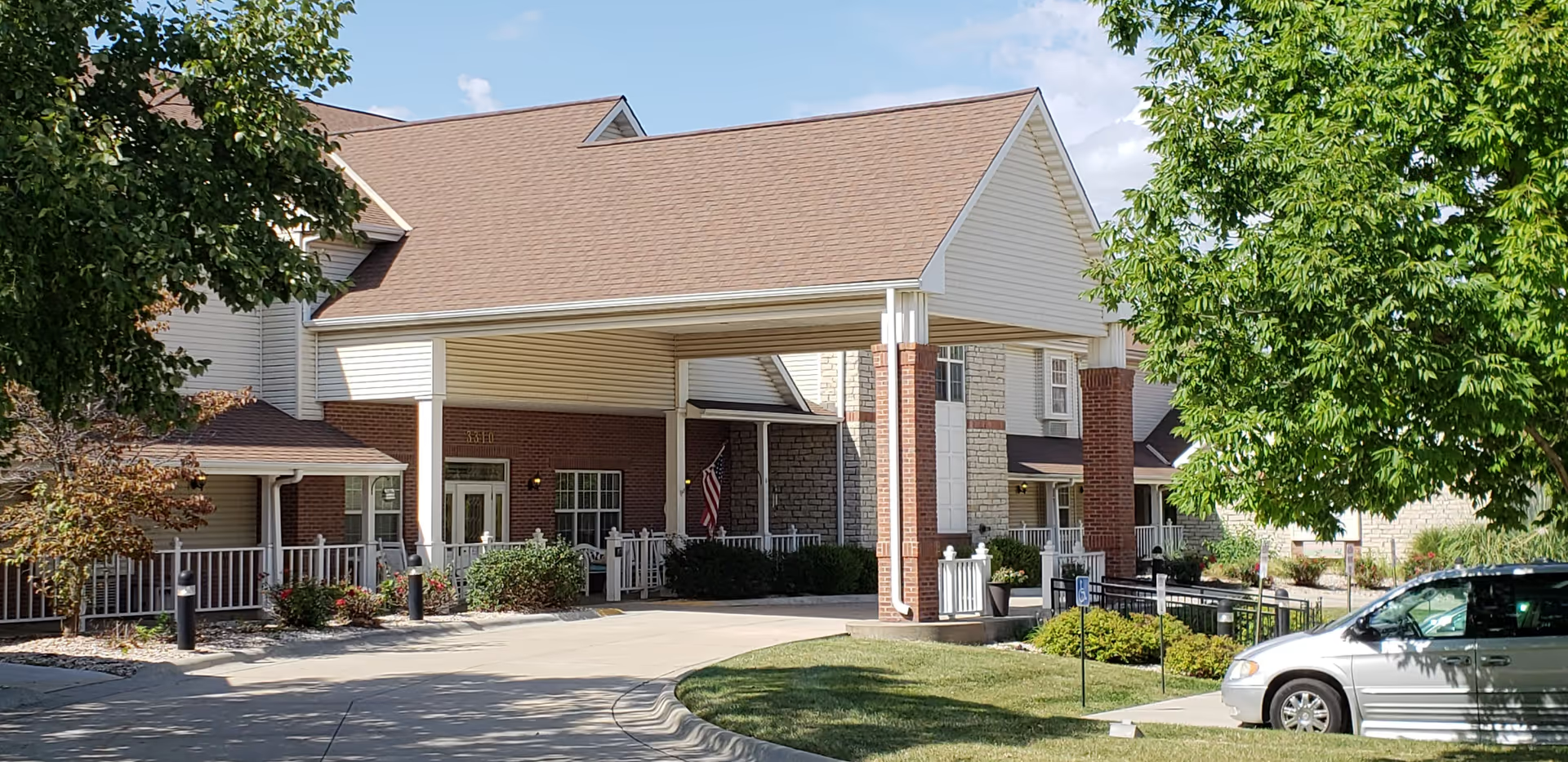
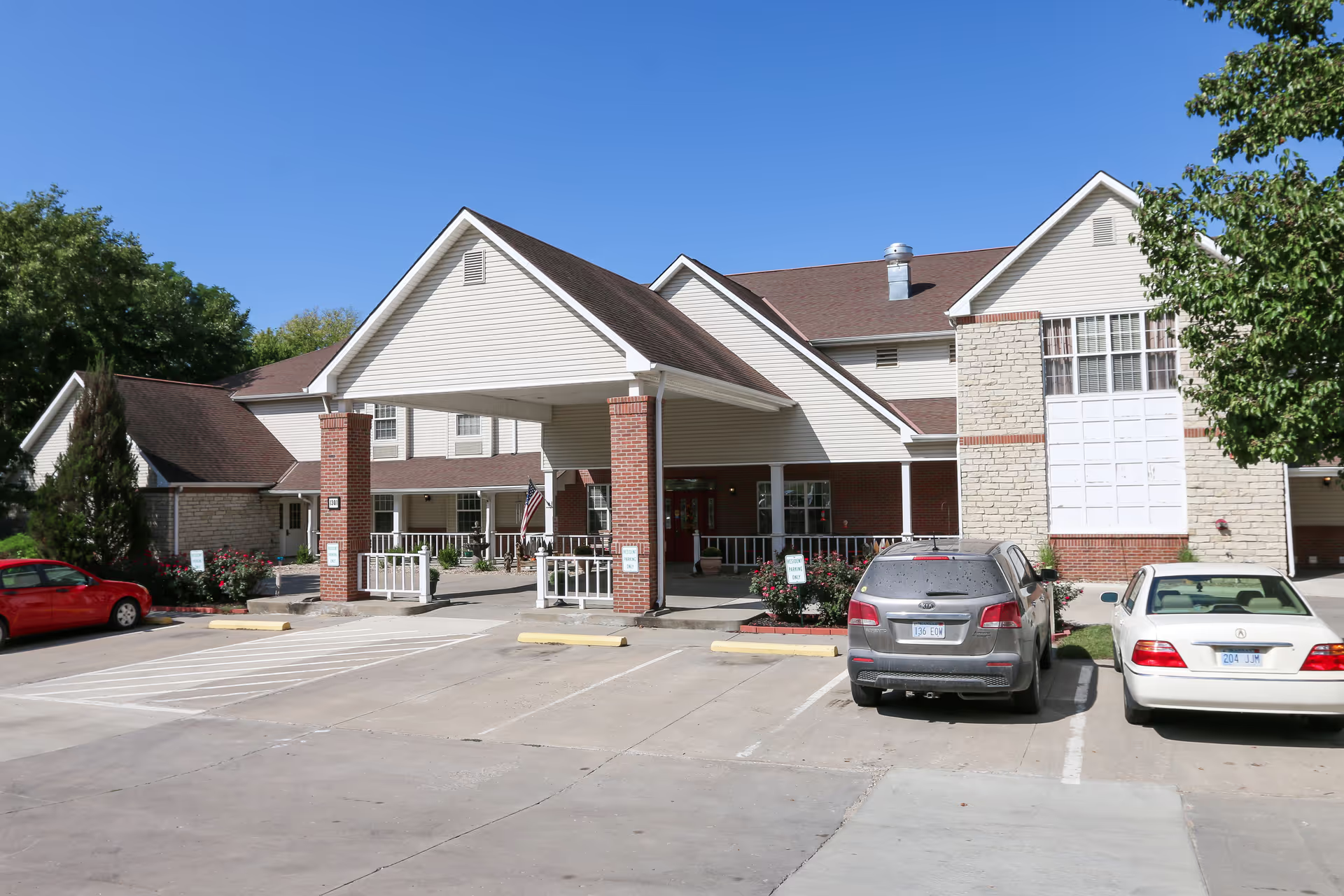
The reviews present a mixed picture of care at LaVerna Manor Health & Rehabilitation, with clear strengths in frontline caregiving but recurring operational weaknesses that families should evaluate. Many accounts describe nursing and therapy staff as courteous, compassionate, and collaborative; several reviewers praised rehabilitation services, hospice support, and an engaged director of nursing. The facility’s location and campus security, along with recent updates following an ownership change, were also cited as positive features that aid accessibility and overall environment.
At the same time, there are repeated concerns about consistency of care. Reviewers describe variable staffing patterns and a strong reliance on agency personnel, which correlates with reports of uneven responsiveness and occasions when clinical monitoring fell short (examples include wound and infection management issues). There are also instances of therapy interruptions and delayed or extended discharges despite clinician clearance, suggesting gaps in care transitions and therapy continuity.
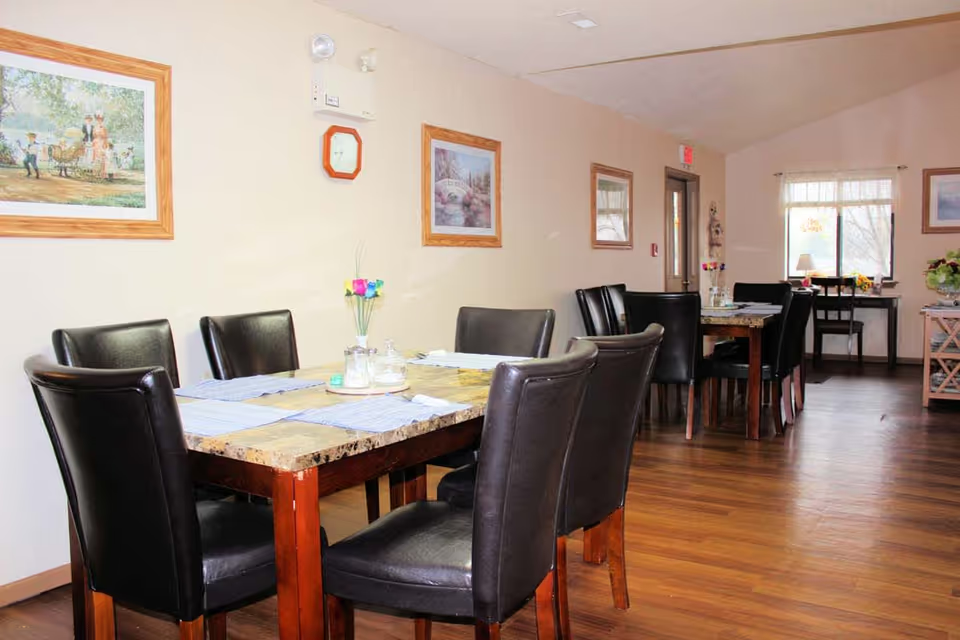
Facility services and daily living routines show similar polarization. Some families commented on helpful, communicative staff and orderly operations; others identified sanitation and cleanliness inconsistencies, incontinence-care concerns, and problems locating staff when assistance was needed. Meal service appears inconsistent for some residents, with reports of menu inaccuracies and missed items. Recreational programming and the facility atmosphere were described as limited by reviewers who characterized the environment as low-engagement, with restricted schedules that may not suit more active seniors.
Management and culture receive mixed evaluations. Positive reports describe a well-organized management team that prioritizes compassionate care and strong staff teamwork. Conversely, other accounts cite limited administrative presence, difficulty reaching leadership, and concerns about staff conduct and communication tone. Serious individual claims — including allegations of staff theft and property-security gaps — were also noted and should be treated as items requiring direct clarification from facility leadership or regulators.
Taken together, the pattern suggests a facility with tangible strengths in individual caregiver commitment and some clinical leadership, but with operational inconsistencies that affect cleanliness, clinical oversight, therapy continuity, and resident engagement. Prospective residents and families would benefit from focused questions during a tour or intake: current staffing ratios and use of agency staff, infection-control and wound-care protocols, therapy schedules and discharge planning processes, housekeeping and sanitation practices, property-security safeguards, and examples of recent activity programming and facility improvements. Verifying these areas in person and asking for references from recent families can help determine whether the facility’s strengths align with a specific resident’s needs.