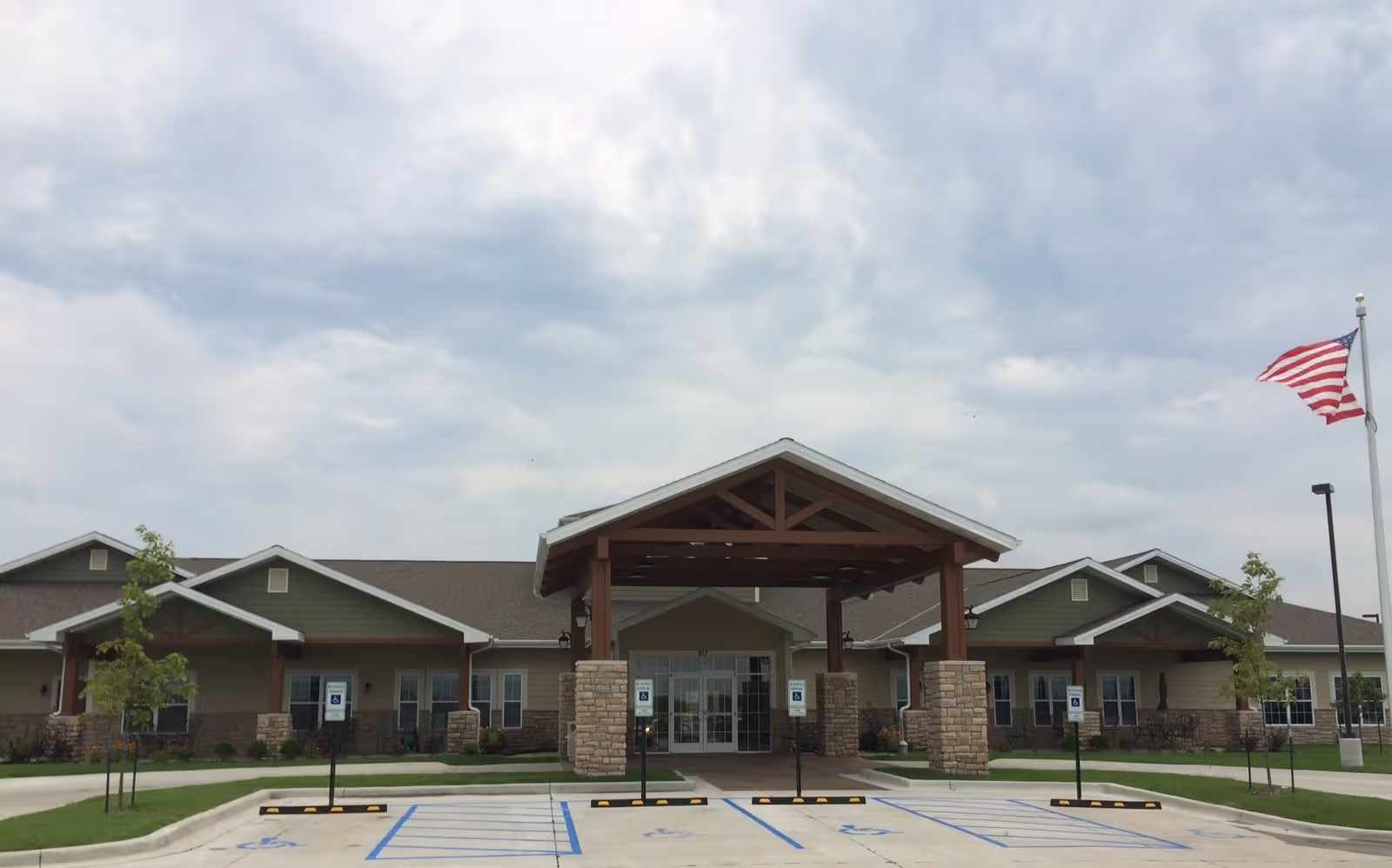
Carriage Square Rehab & Healthcare Center presents a mixed picture: many reviews emphasize strong frontline caregiving and an effective rehabilitation program, while others describe operational inconsistencies that affect the resident experience. The facility earns repeated praise for compassionate aides, nursing staff who form close relationships with residents, and a physical-therapy team that achieves good functional outcomes for people recovering from illness or injury. Multiple accounts describe a family-like atmosphere, frequent activities, and staff who provide personalized attention and regular communication to families.
Care quality shows two distinct patterns. Positive experiences highlight attentive daily care, quick responses to call-buttons, and therapy that helps residents return home. However, there are recurrent concerns about inconsistent staffing, delays in attending to needs, and shortcomings in medication administration and clinical follow-through. Several reviews point to episodes of inadequate monitoring for residents with cognitive impairment and examples of communication tone that families found inappropriate. Prospective families should ask about current nurse-to-resident ratios, medication-check procedures, and protocols for residents with dementia.
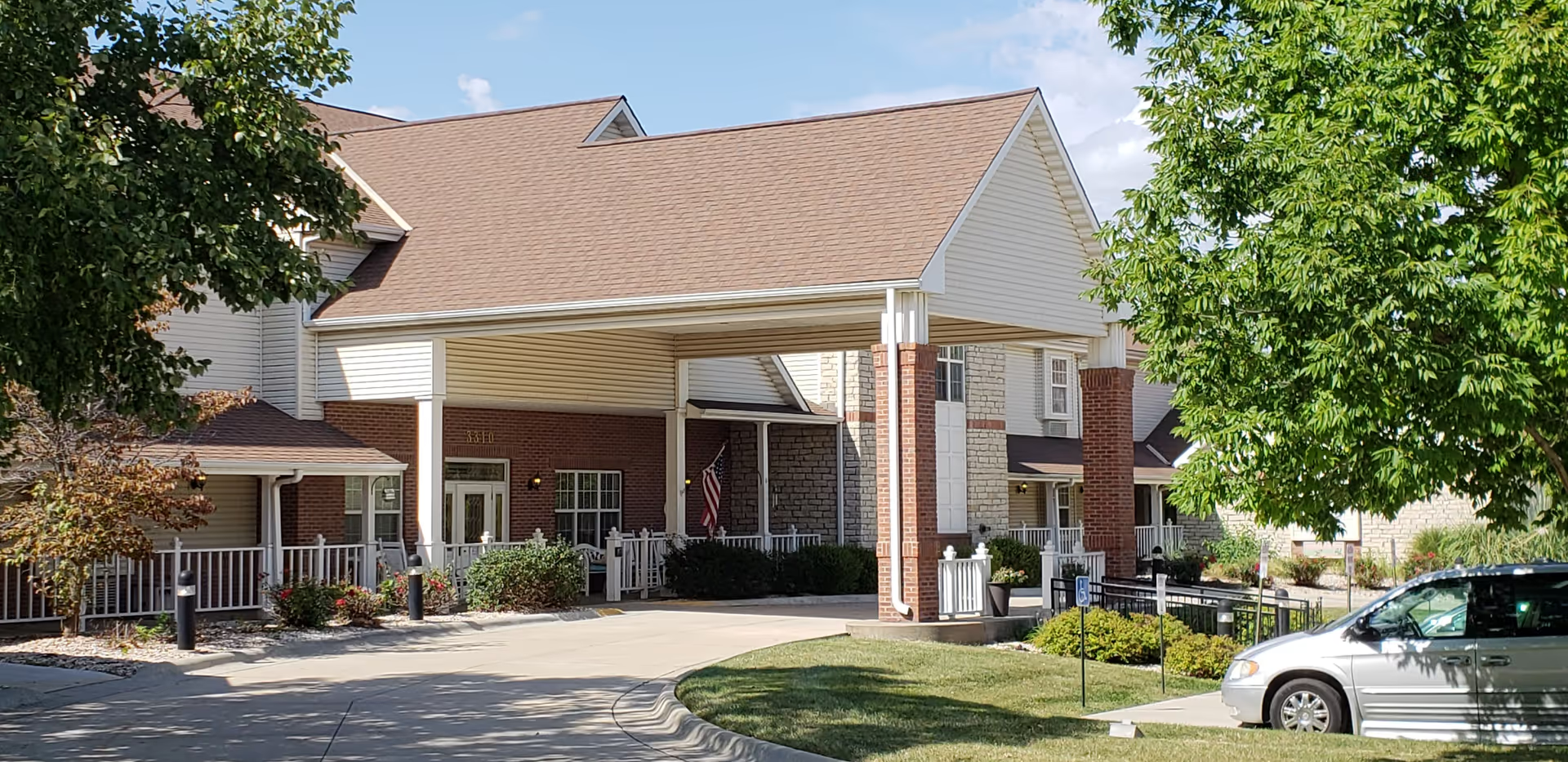
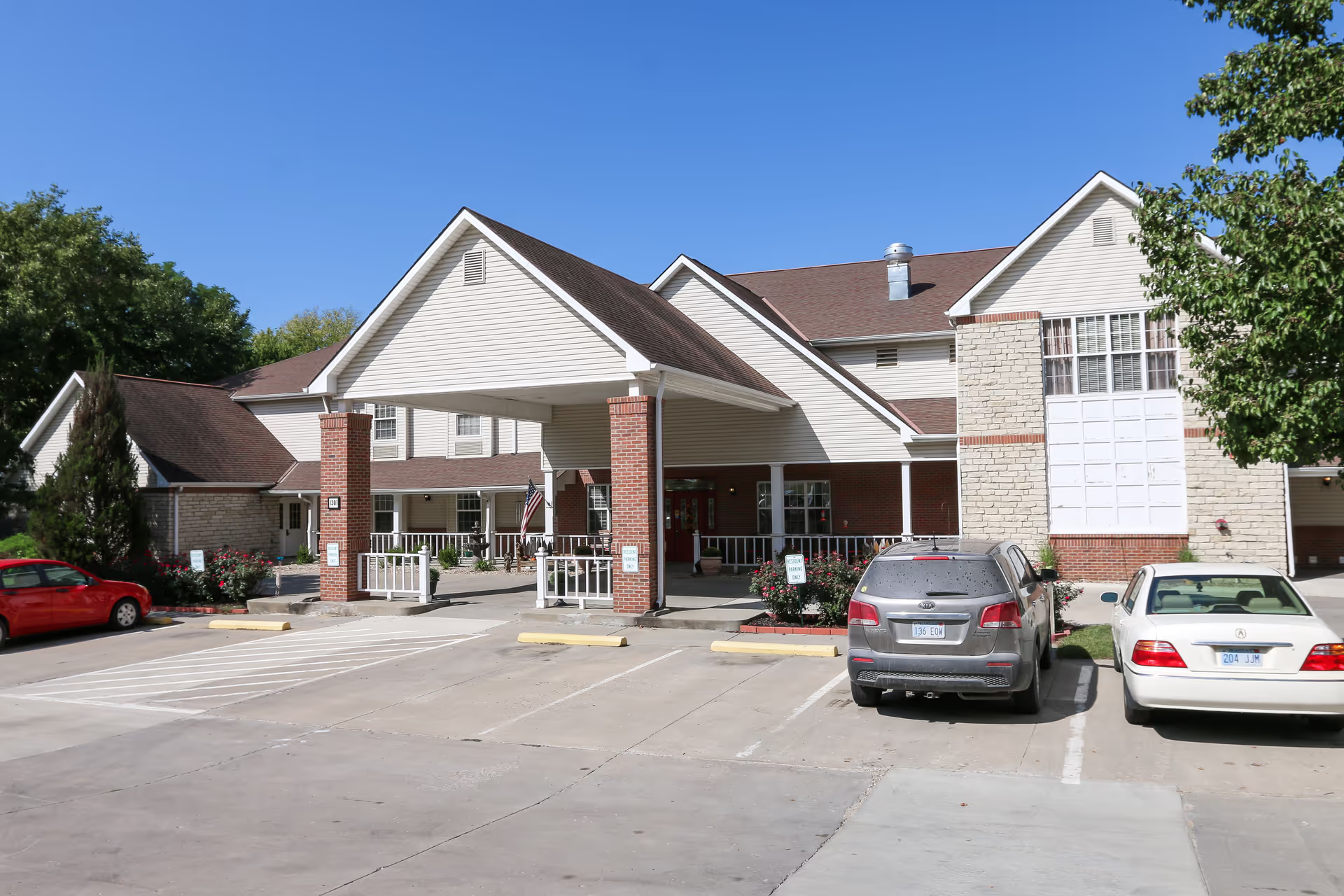
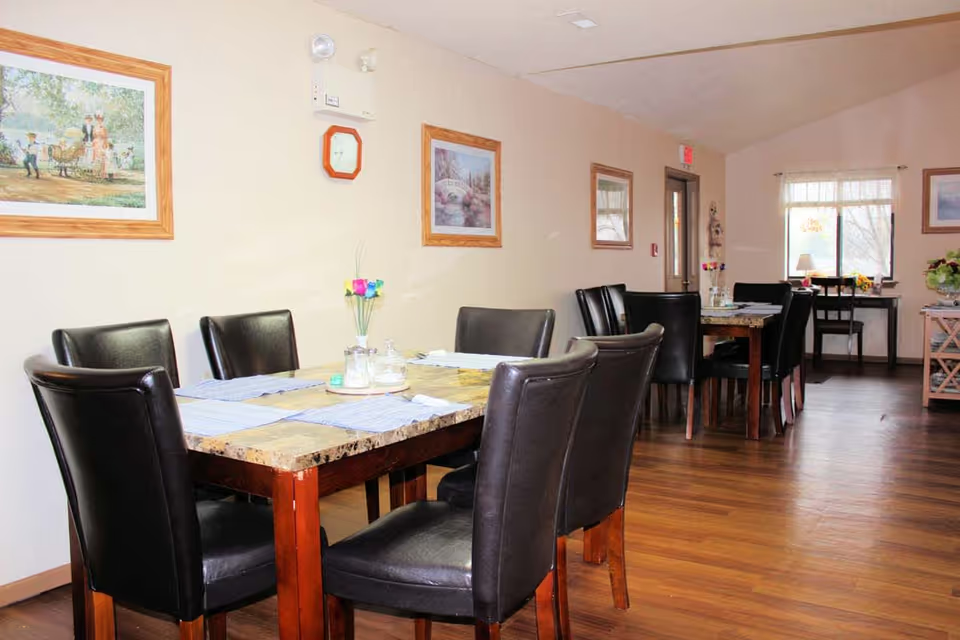
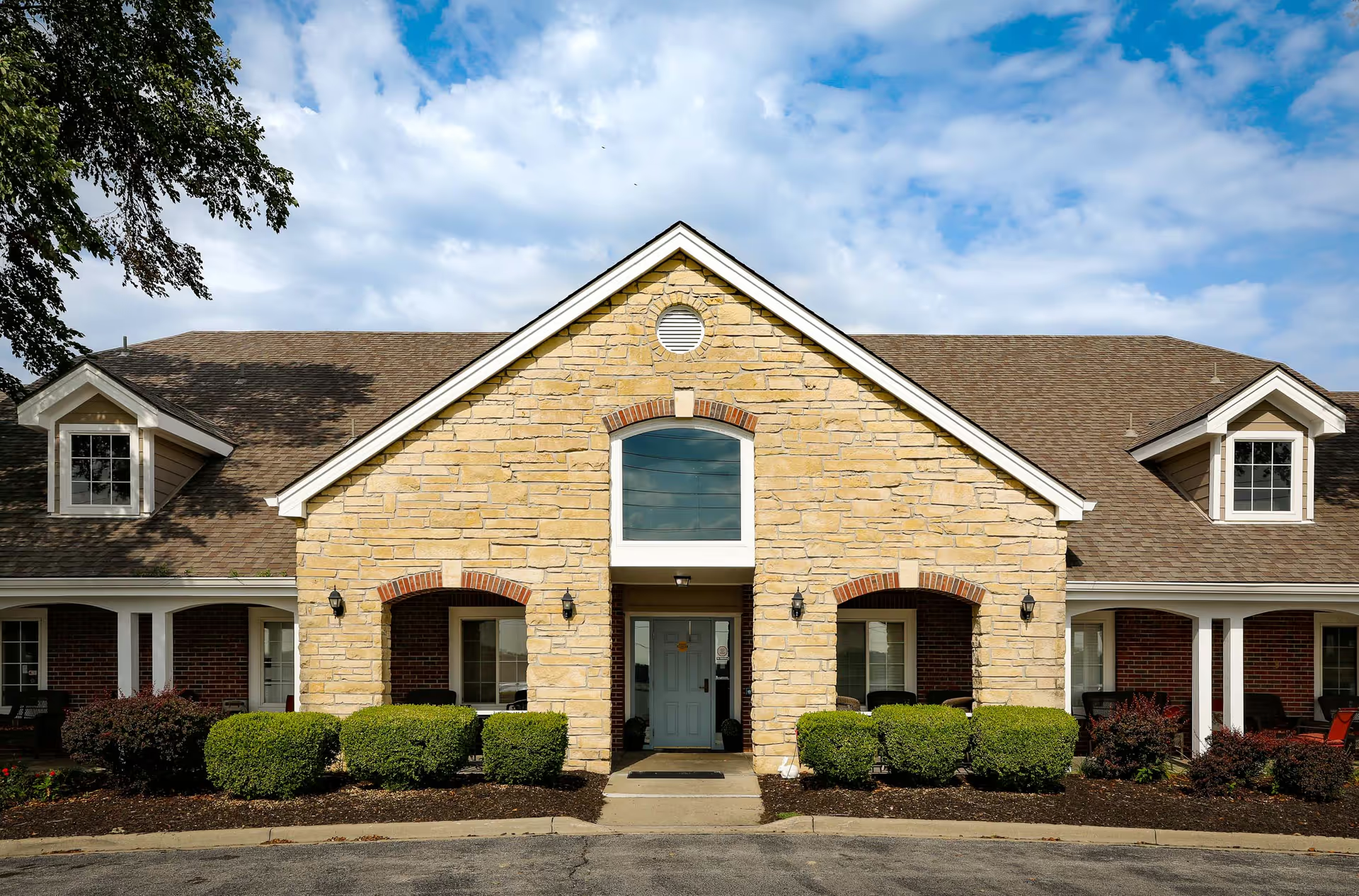
Dining, activities, and the physical environment are described unevenly. Many reviewers praised food, cleanliness, decorated common areas, and a broad activity calendar that supports social engagement. Conversely, others reported variable meal quality, odor concerns in some areas, and delayed maintenance responses (for example, plumbing or room repairs). The building is not uniformly new, but several accounts describe clean, comfortable rooms and an absence of the typical institutional atmosphere that some seekers prefer.
Management and operational patterns merit careful inquiry. Reviewers describe administrative turnover, limited or delayed grievance responses, and inconsistent family-communication practices in some cases. There are a few allegations involving missing belongings and payroll irregularities that raise concerns about property control and workforce administration. Some families also reported restrictive visitation practices or communications perceived as intimidating. Those considering Carriage Square should review current leadership stability, grievance and incident-response policies, property-security measures, and payroll/workforce practices during a visit.
In summary, Carriage Square appears to deliver strong hands-on care and an effective rehab program for many residents, supported by a caring, team-oriented staff and varied activities. At the same time, patterns of inconsistent staffing, maintenance, medication follow-through, and administrative instability create variability in the resident experience. A in-person visit, focused questions about staffing and clinical protocols, and checking on how the facility handles grievances and property security will help families weigh the facility’s therapeutic strengths against operational risks.