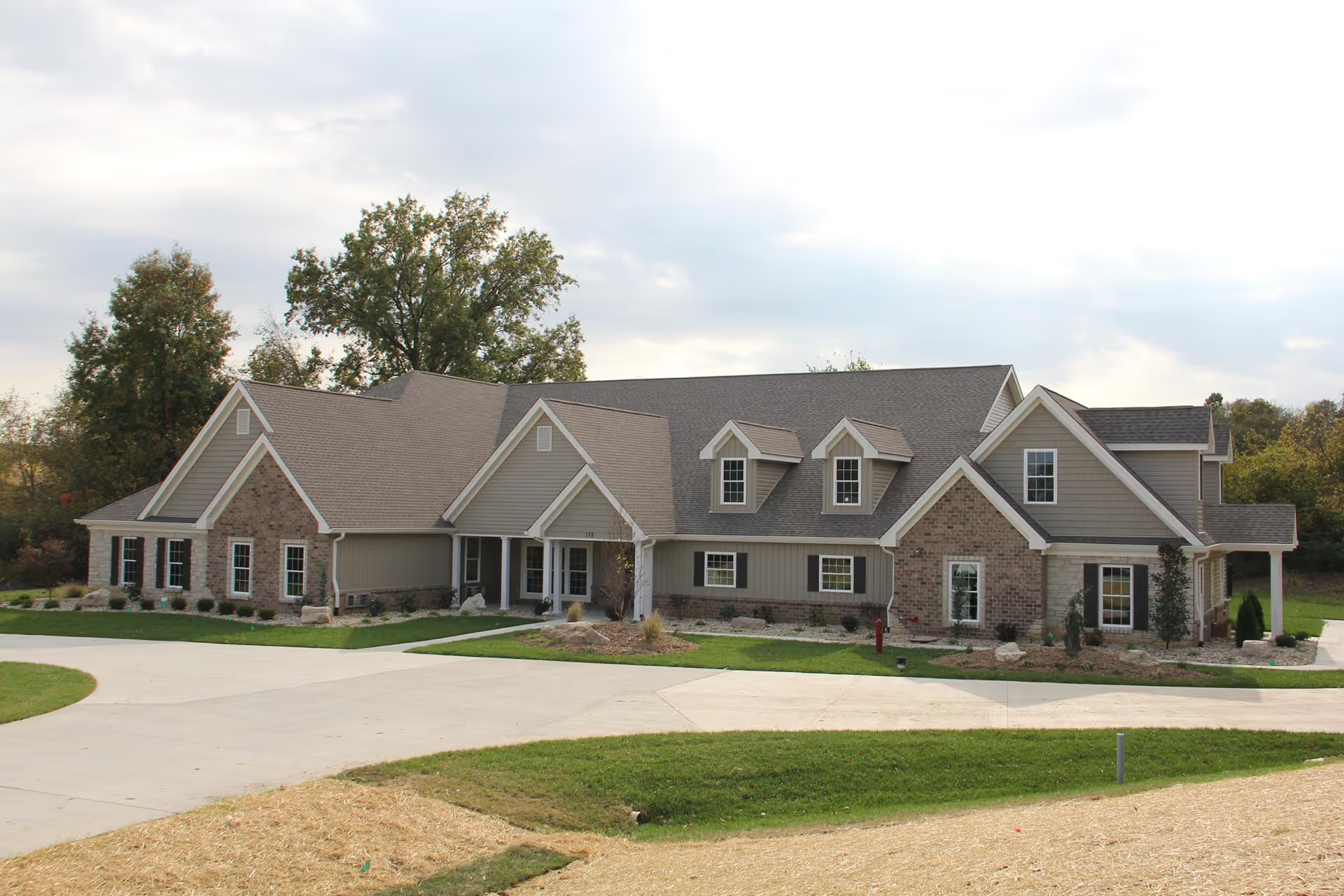
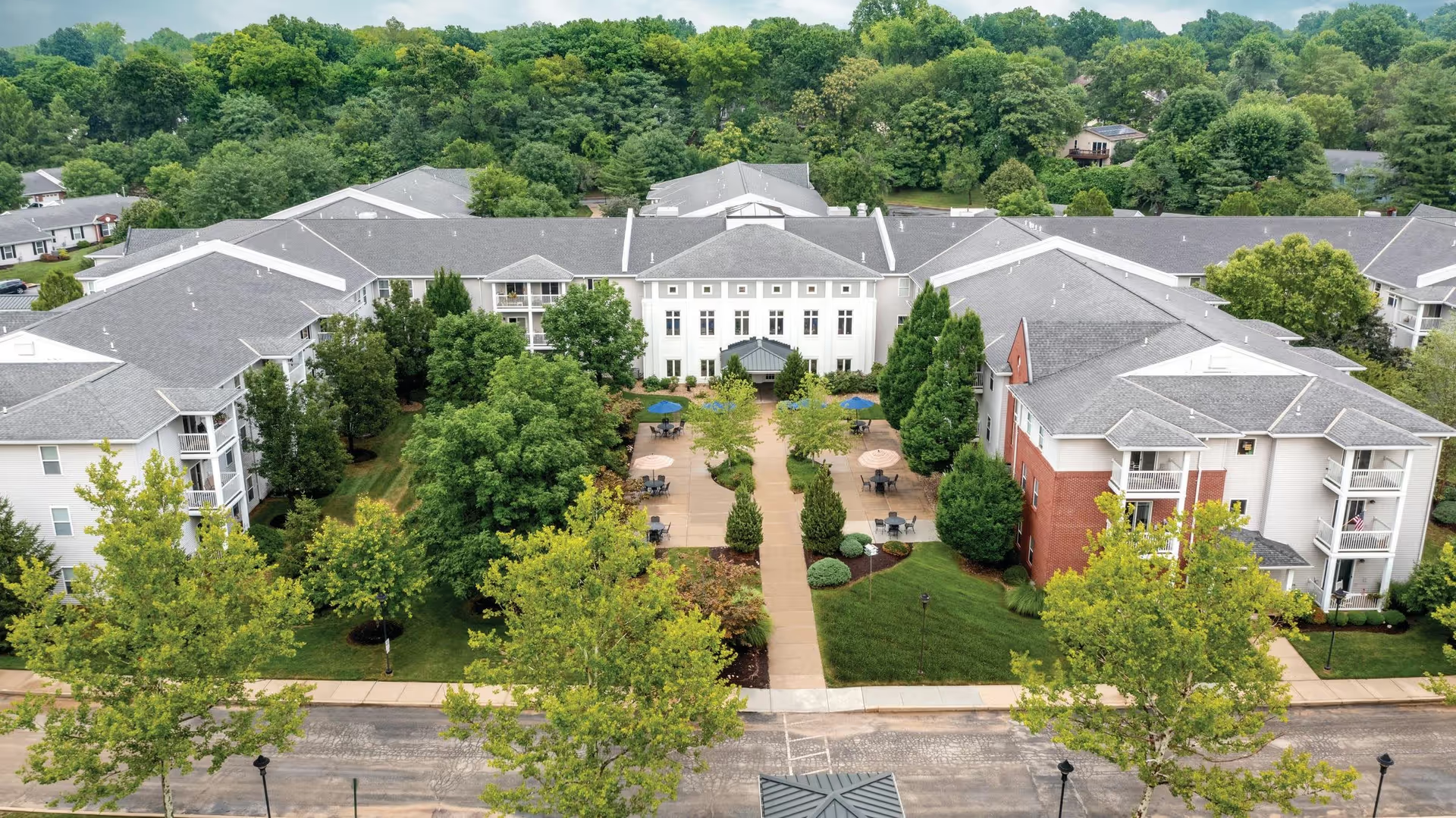
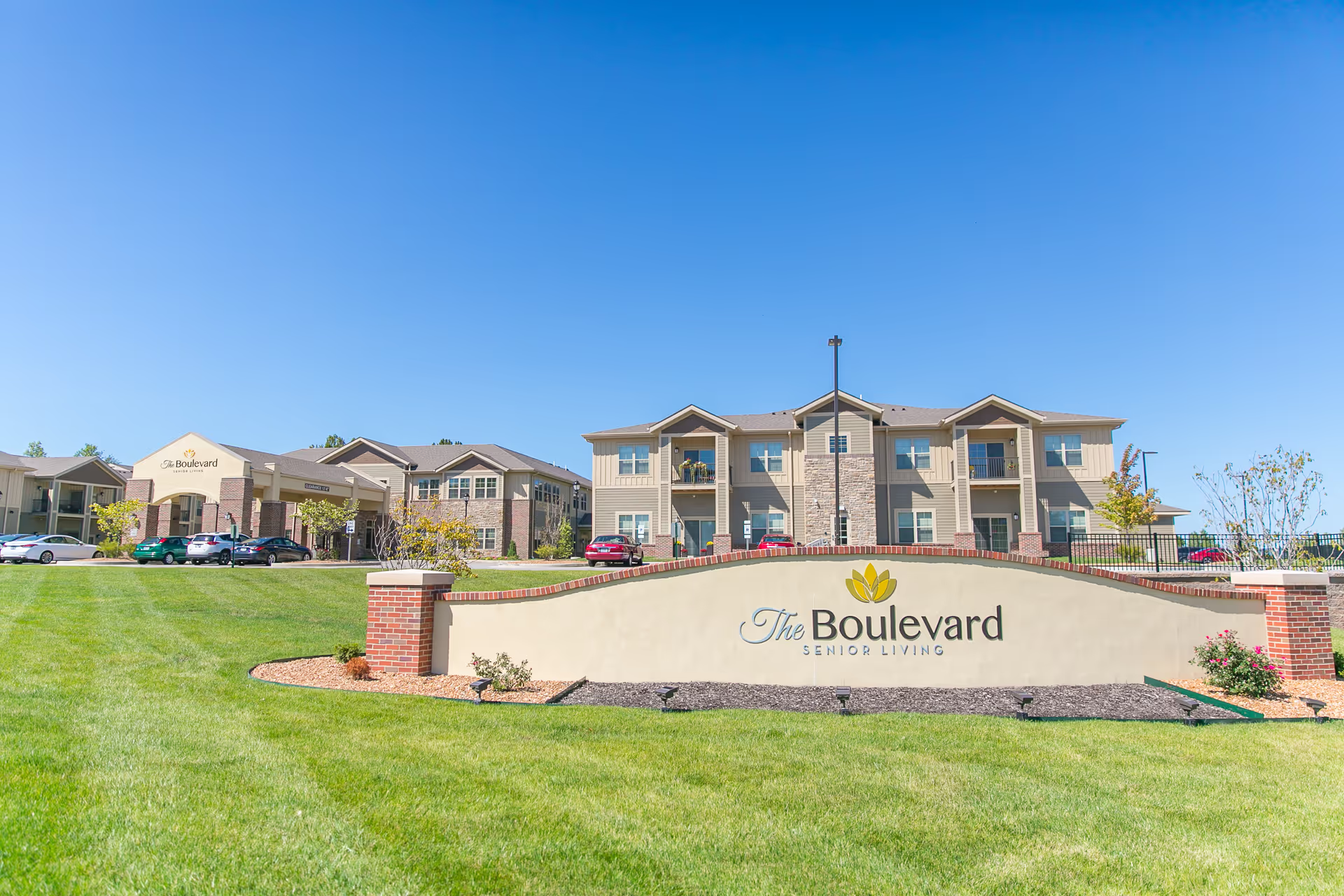
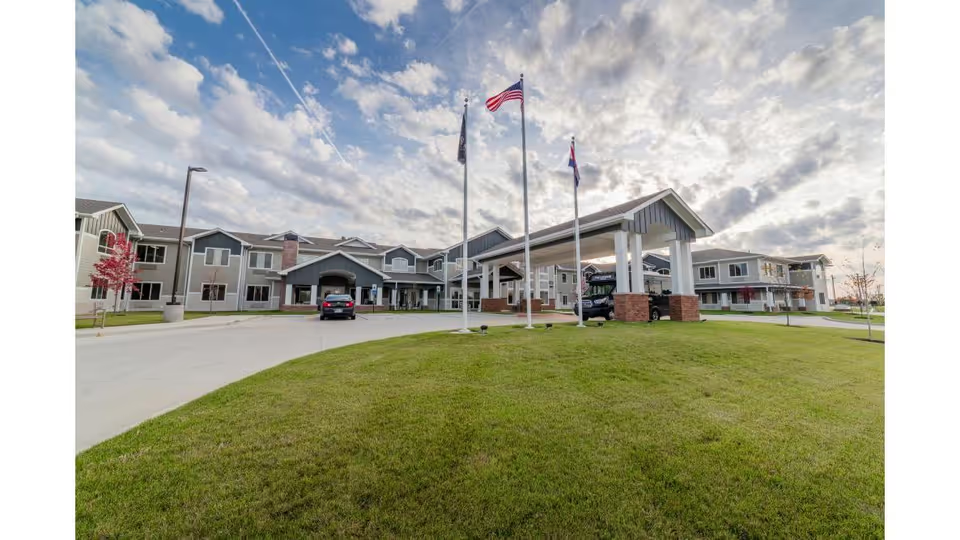
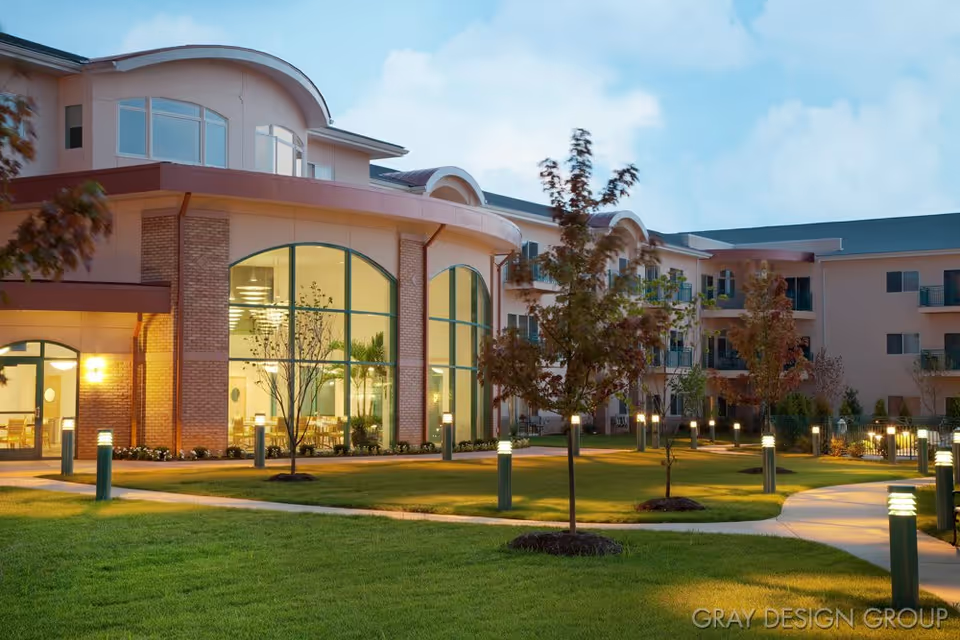
Clarendale of St. Peters is described consistently as a modern, well‑maintained community with a broad amenity set and a strong emphasis on resident quality of life. The building is new or recently updated in most accounts and is frequently characterized as clean, attractive, and hotel‑like. Public areas such as lounges, multiple dining venues, fitness rooms, theater, salon and outdoor courtyards—including secure outdoor spaces for memory care—contribute to a campus that many families find comfortable and engaging.
Care and staffing receive generally positive assessments. Reviewers highlight compassionate, well‑trained caregivers, a professional memory‑care program, and visible nursing and medical oversight. The community offers in‑facility hospice and ongoing outreach in end‑of‑life situations, which some families cited as an important continuity-of-care feature. At the same time, there are operational concerns: several accounts point to uneven housekeeping and linen change practices, occasional lapses in evening shift attentiveness (including phone use), and specific procedural gaps such as unsecured medication/documentation practices. These describe patterns of inconsistent execution rather than wholesale failure of clinical oversight.
Dining and programming are frequently praised for variety and resident focus. Multiple dining rooms, cafes and bistros, plus varied weekly menus, are viewed positively. A few reviewers described a decline in food quality tied to staffing changes in the kitchen and noted that meal plan inclusions were not always clearly communicated. Activity programming is a clear strength for many residents — arts and crafts, gardening, music, exercise, outings and frequent social events are common — but programming in memory care was sometimes described as limited later in the day, indicating uneven scheduling between units or shifts.
Facility layout and accommodations present a mixed picture. Apartments are generally described as spacious, updated and able to be furnished with residents’ own furniture; there are also smaller floorplans and reports of couple‑accommodation constraints. The multi‑floor design and elevator traversal were noted as a potential accessibility concern for residents with early cognitive impairment. Management and sales staff are typically described as proactive and welcoming; families often praised responsiveness and problem‑solving. However, the community’s pricing level is a recurring theme — many reviewers consider the cost high relative to their budgets — and some noted service continuity issues when key staff change.
Overall, Clarendale of St. Peters projects a strong appeal for families seeking a modern environment, active programming, and attentive clinical care, particularly in memory care. Prospective residents should weigh the facility’s higher cost against the breadth of amenities and resident services, and ask specific operational questions about housekeeping schedules, medication documentation, activity hours in memory care, couple accommodations, and the community’s approach to staffing continuity to ensure those operational details meet their expectations.