Care quality: Review summaries indicate that clinical and rehabilitative care are strengths of the facility. Commenters note an active rehab and physical therapy program, regular weekly physician rounds, and on-site medication-management processes. Many assessments describe staff who provide attentive, above-and-beyond support for resident needs, and overall impressions of care quality skew positive. At the same time, there are recurring notes about uneven follow-up and responsiveness, which suggests variability in post-care communication and task completion.
Staff: Staff performance is a central theme. A substantial portion of comments praise caregivers as compassionate, dedicated, and exceptional; several highlight teams that go beyond expectations. However, the overall picture is mixed because other comments identify instances of rude or inconsiderate conduct and slow follow-up. This points to variability in staff professionalism and interpersonal communication rather than a uniformly negative or positive staffing picture.
Dining and services: The facility provides hot meals and on-site laundry services, both of which are mentioned positively. Medication management is described as an established process, and weekly physician visits are noted as a regular clinical resource. Ancillary services are therefore a relative strength, though there is limited detail about menu variety, special-diet accommodations, or organized dining activities.
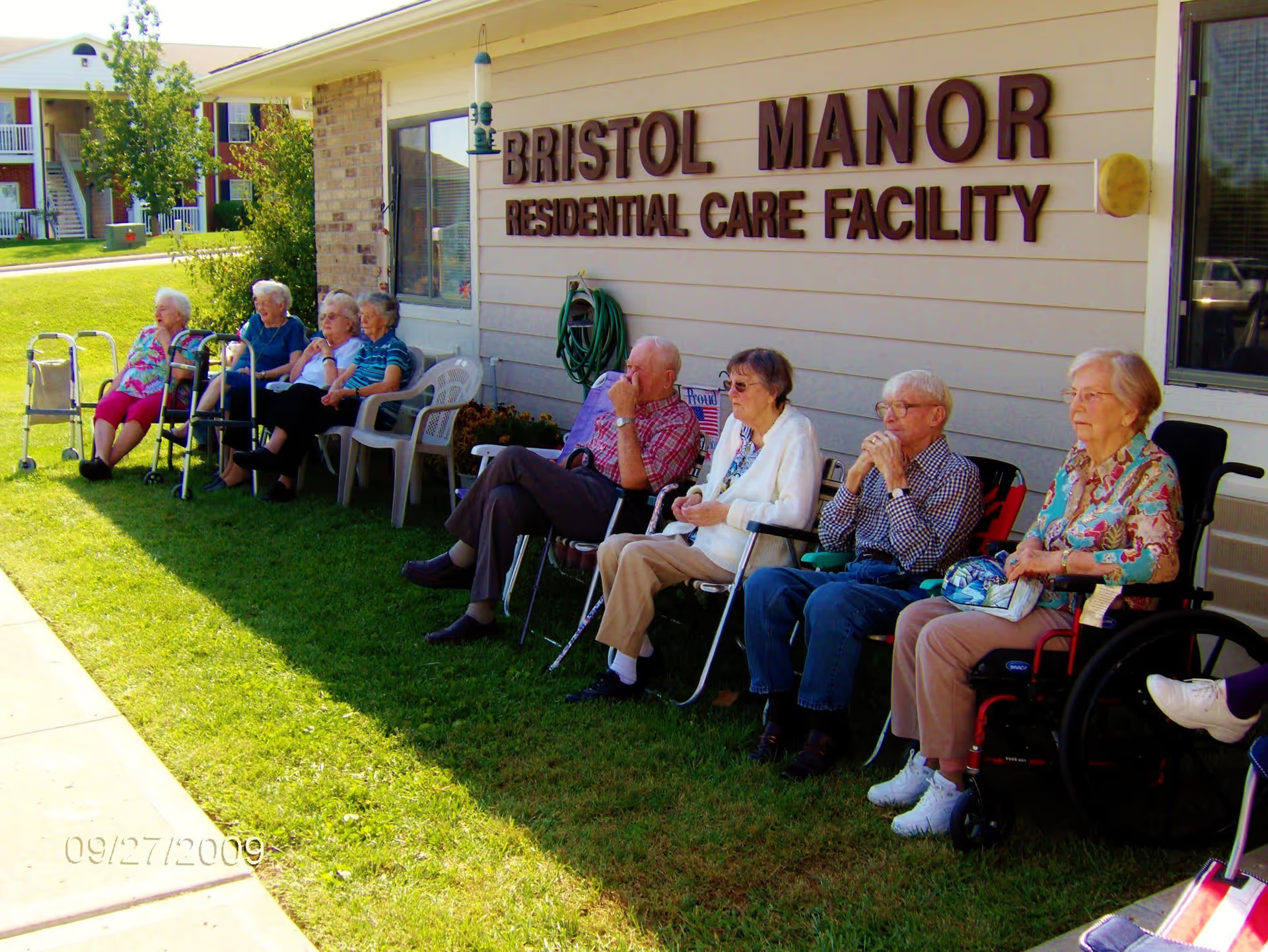
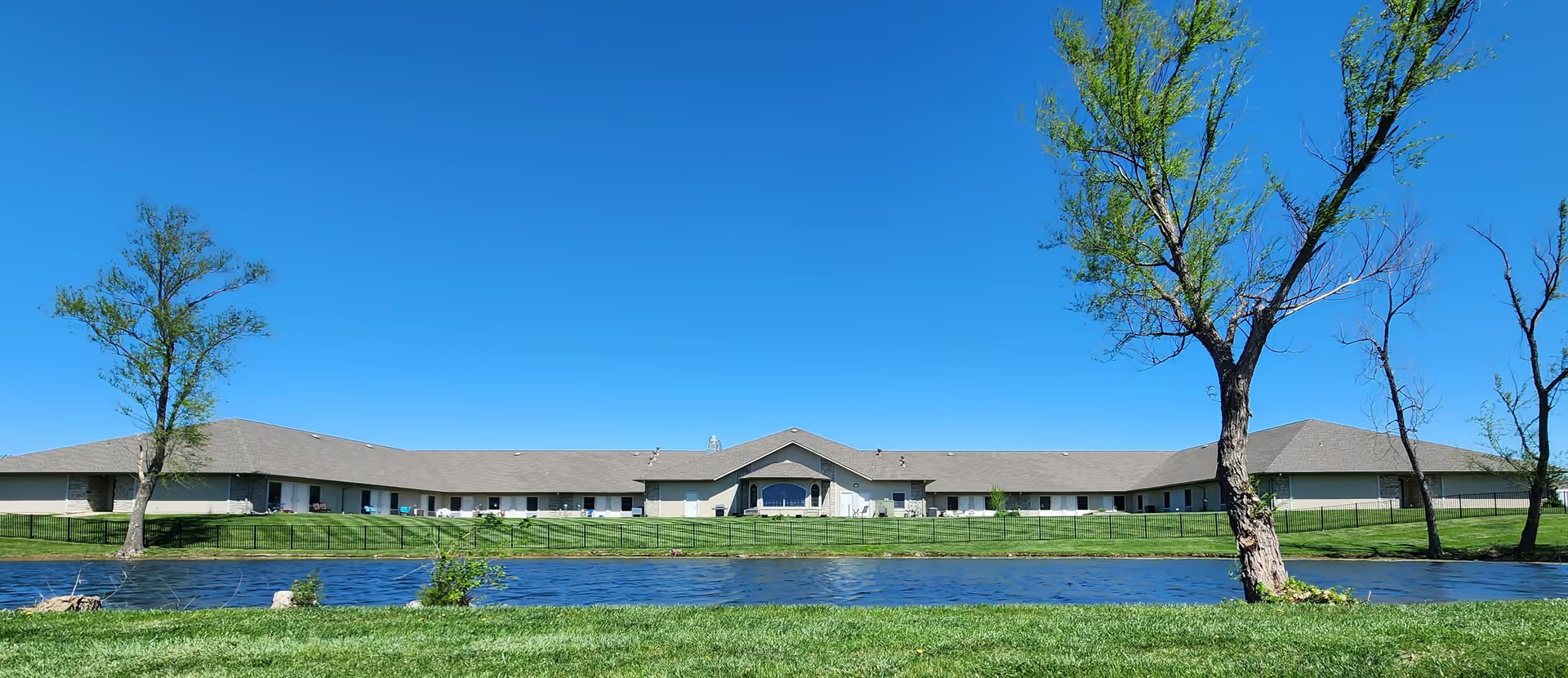
Activities and community feel: Reviewers describe a quiet, attractive campus and a small-community feel in some areas; residents are often characterized as appearing content. There is little specific information about structured activities or engagement programming in these summaries, and short-term stay experiences are not frequently detailed. Prospective residents should request current activity schedules during a tour to evaluate programming adequacy for individual needs.
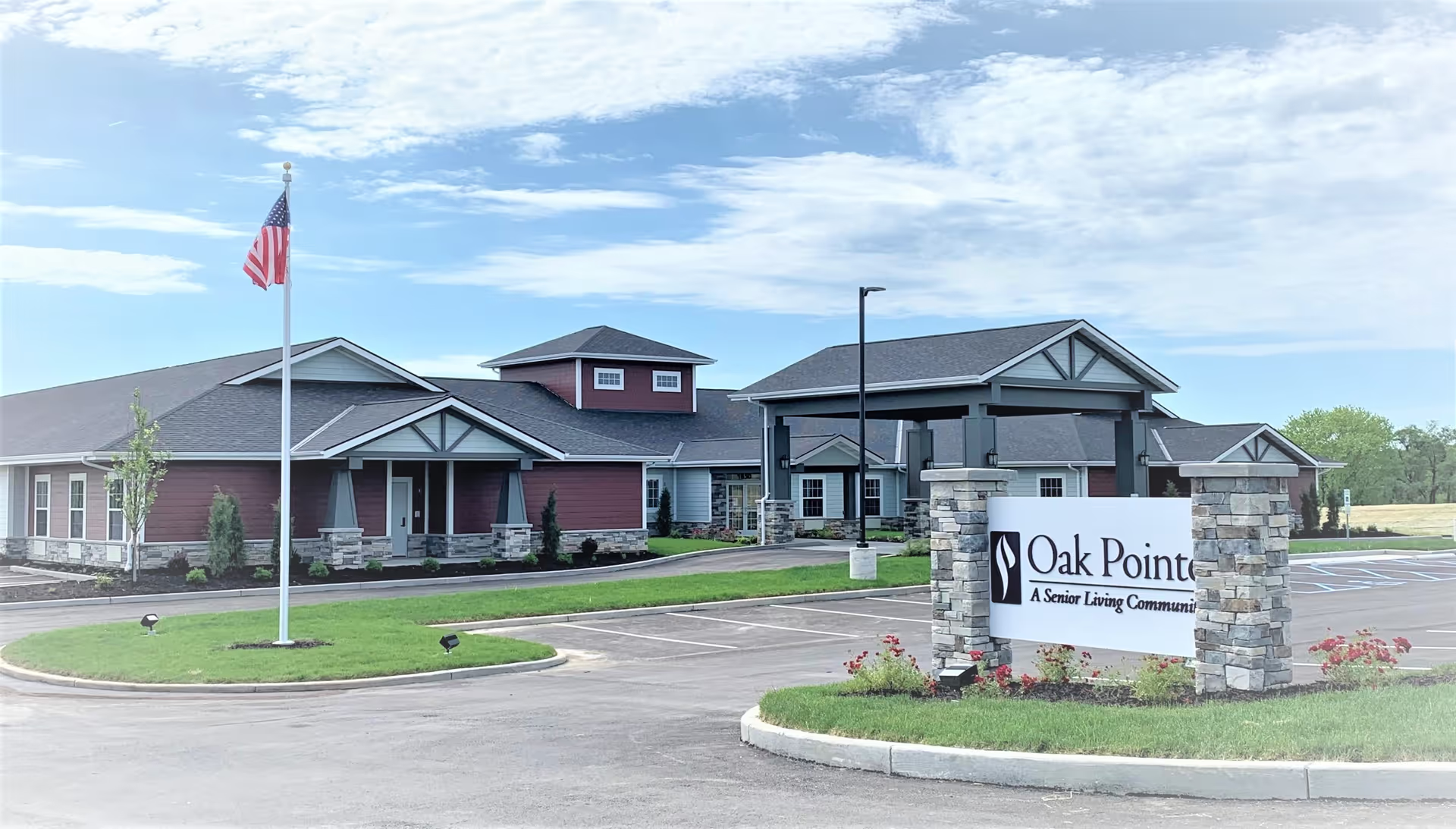
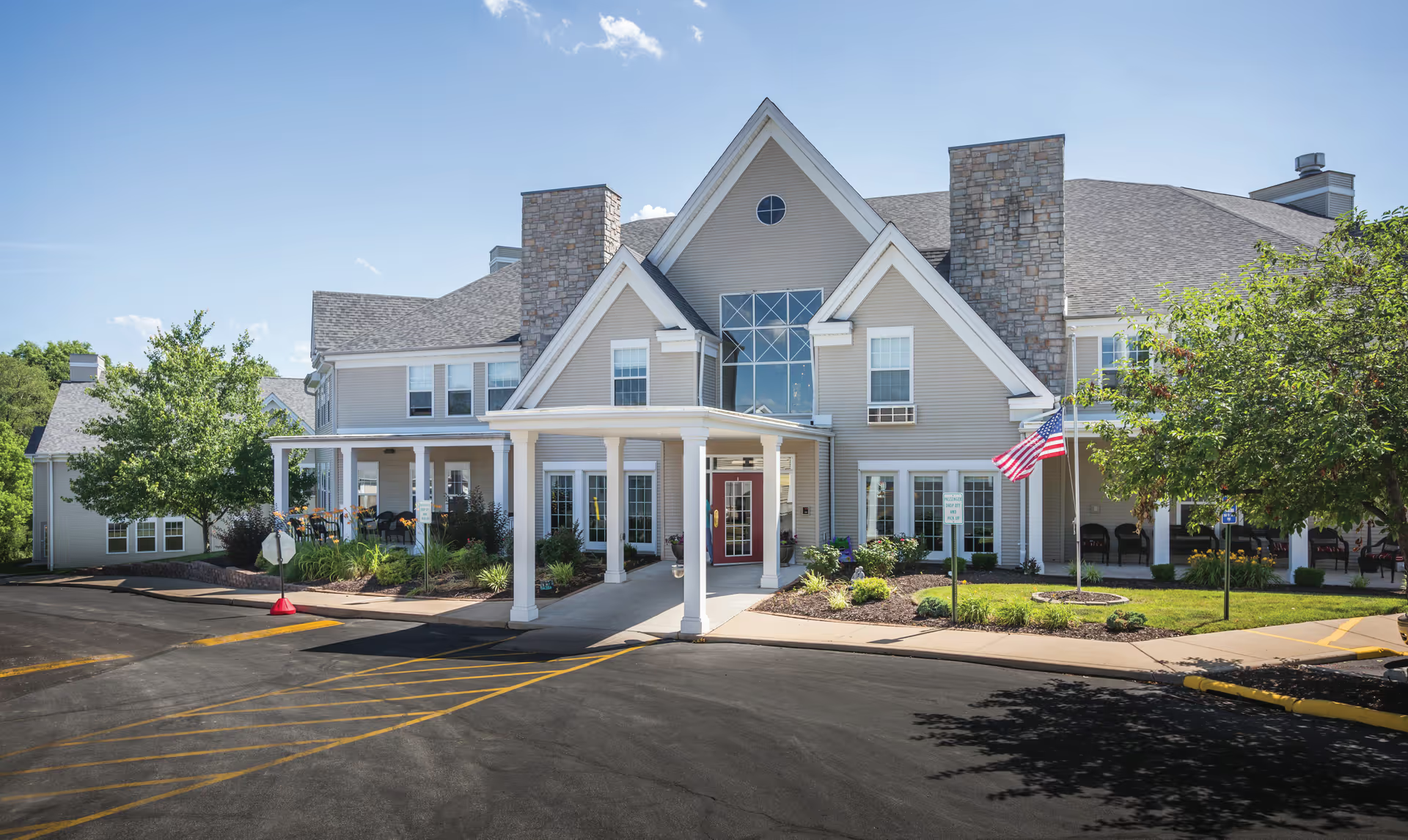
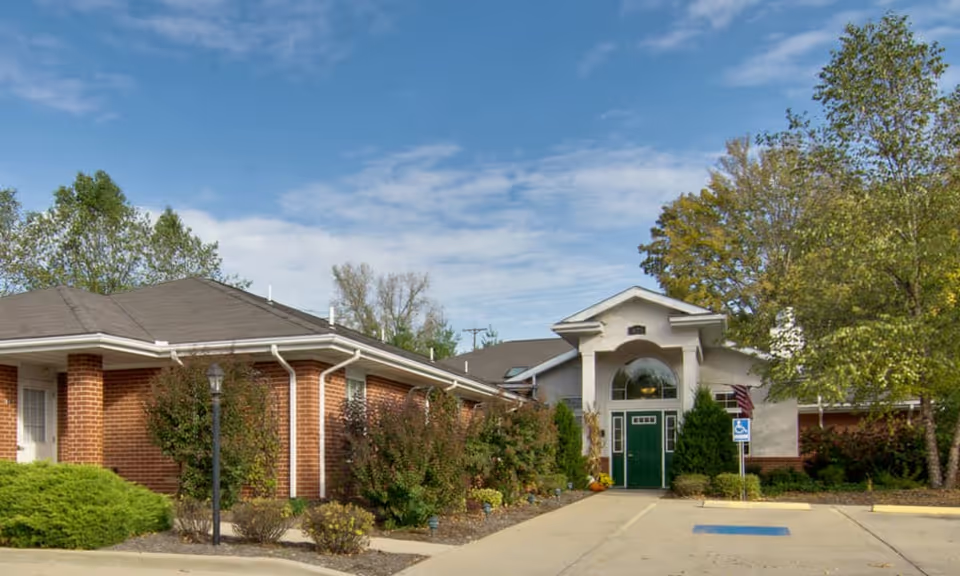
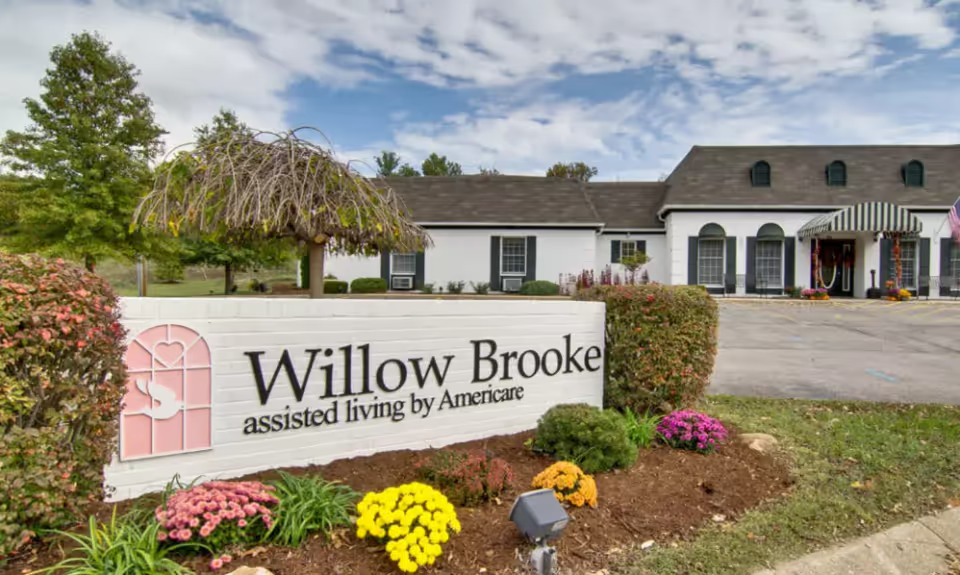
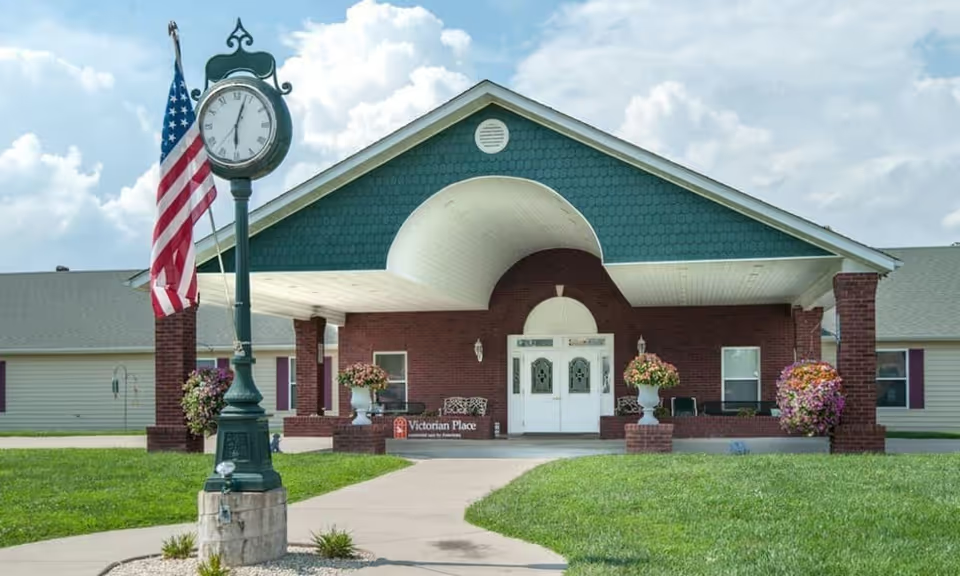
Facilities and amenities: Physical plant observations are mixed. Positive notes reference clean, well-maintained interiors and pleasant grounds. Conversely, the building is also described as dated, with a sparsely decorated rehab wing and some areas that feel institutional rather than residential. Connectivity is a notable amenity gap: weak internet/Wi‑Fi coverage was specifically mentioned. Space per resident is also described as limited in places, which may affect perceptions of privacy and homeliness.
Management and notable patterns: The dominant pattern is strong, committed frontline caregiving paired with operational and facility shortcomings. Management strengths include clinical oversight (weekly physician rounds) and basic service consistency (meals, laundry, medication handling). Areas for improvement include responsiveness to family communications and follow-up, consistency in staff conduct and training around interpersonal skills, and capital investments for updating decor, furnishing the rehab wing, and improving internet access. Prospective residents and families should weigh the facility’s clinical and personal-care strengths against its physical condition and variability in staff responsiveness when making placement decisions.