Highgate Senior Living elicits consistently strong praise for its frontline caregiving and social programs alongside recurring operational concerns that families should consider during a tour and decision process.
Care and staff: Reviewers frequently describe caregivers as compassionate, resident-focused, and personally engaged — staff members are often noted for knowing residents by name and providing individualized attention. Several activity and life-enrichment staff receive repeated commendations for creating meaningful programming, outings, and special events that residents enjoy. At the same time, there are recurring operational issues: staffing levels and turnover are cited as contributing to delayed responses to call lights and care requests, and families flagged uneven attention across shifts. A few reviews describe gaps in medication handling and care for medical devices, indicating a need to confirm clinical protocols and oversight during assessment.
Dining and activities: The community offers a broad activities calendar, frequent van trips, social events, and programmatic effort to engage residents — these features are consistently highlighted as strengths that support quality of life. Dining-service impressions are mixed: many reviewers praise attentive dining-room staff, daily specials, and pleasant mealtimes, while others find the food bland or repetitive and note limited menu variety. Prospective families should sample meals and ask about menu rotation and special-diet accommodations.
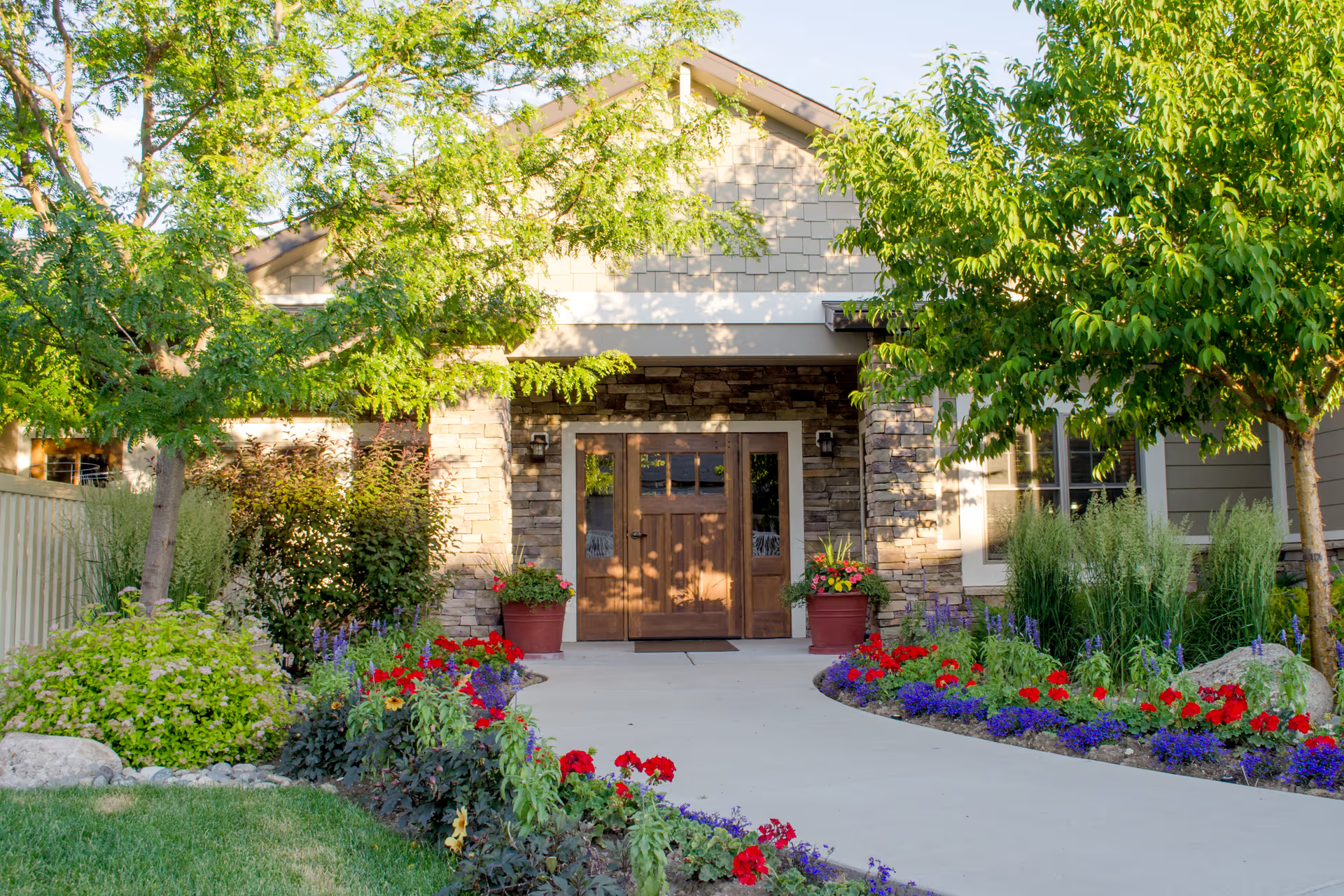
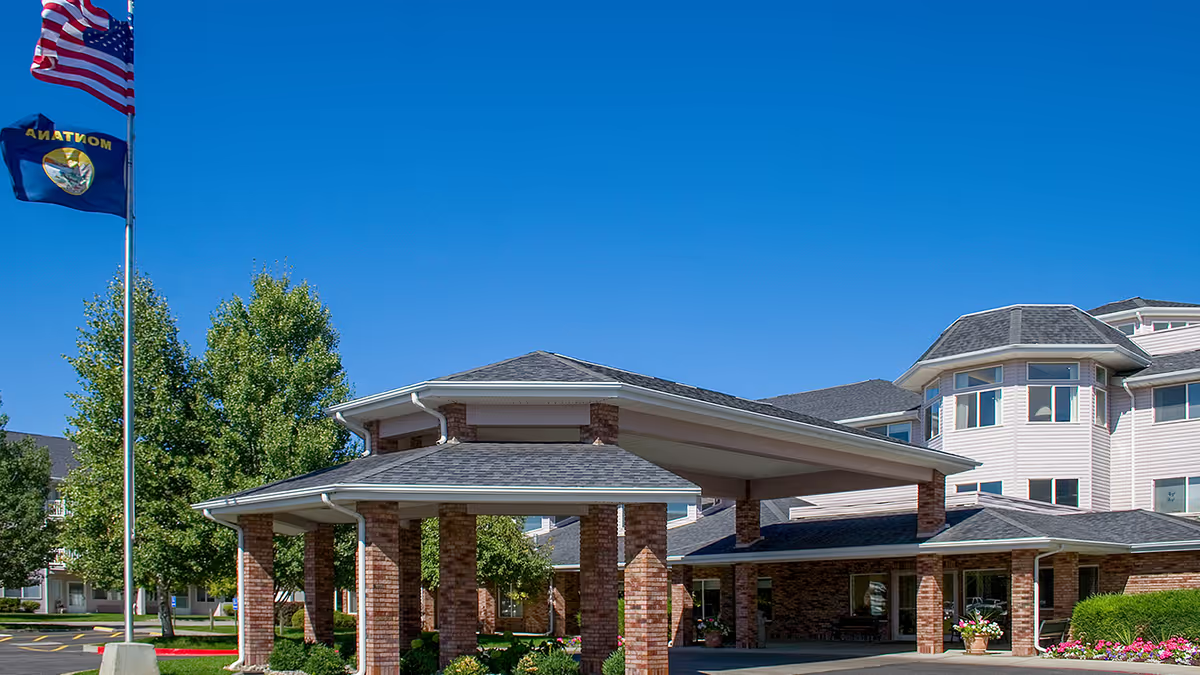
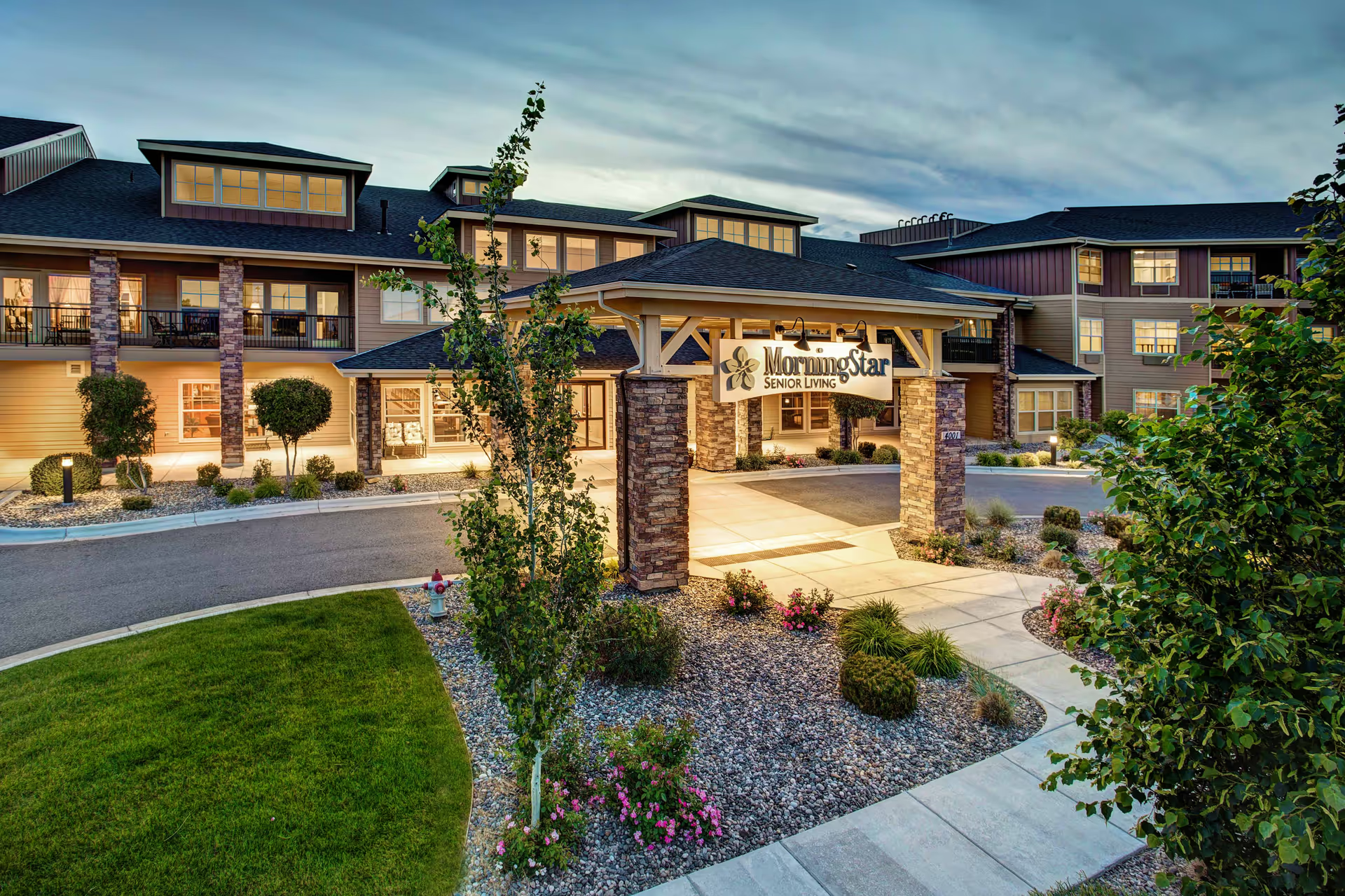
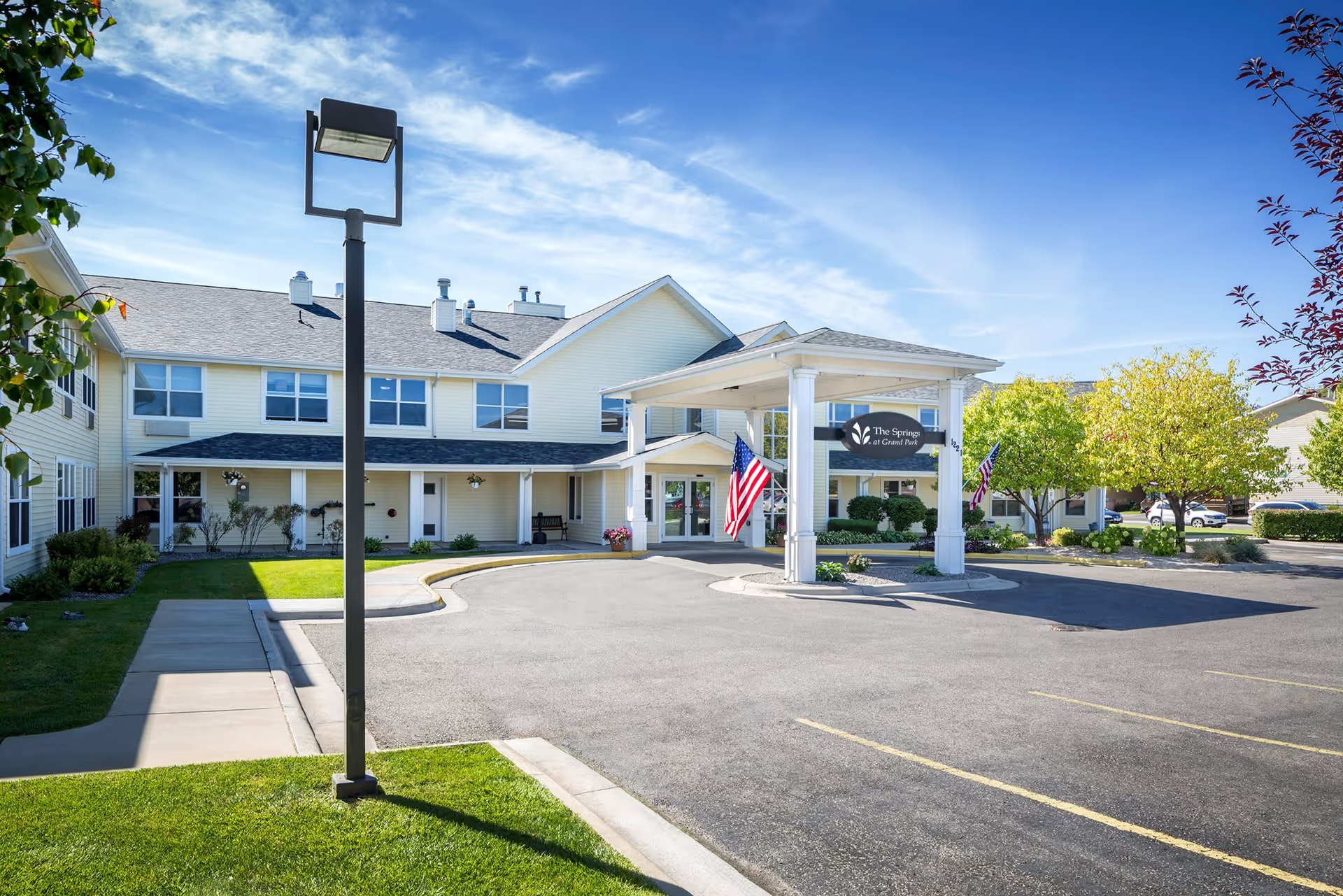
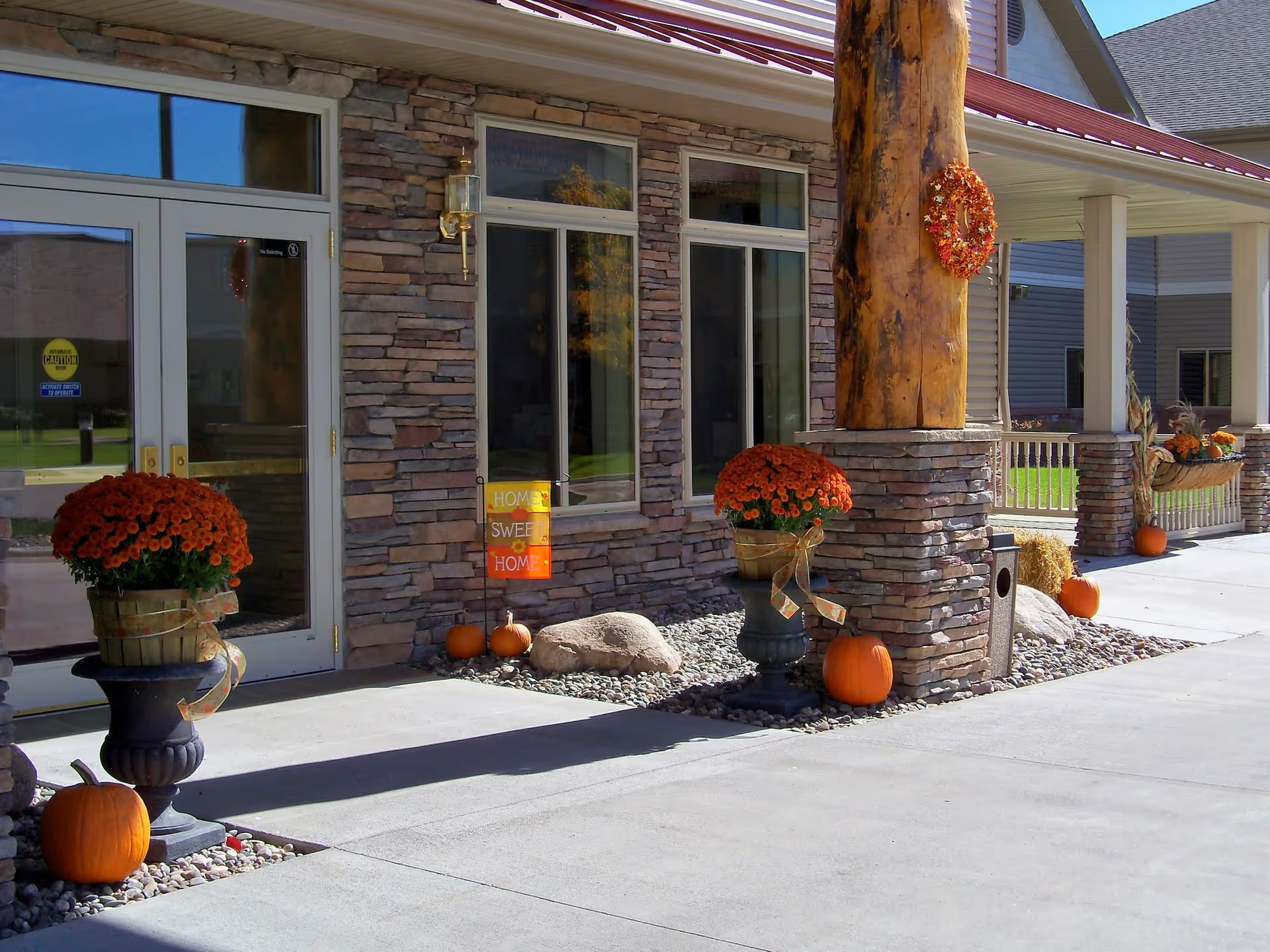
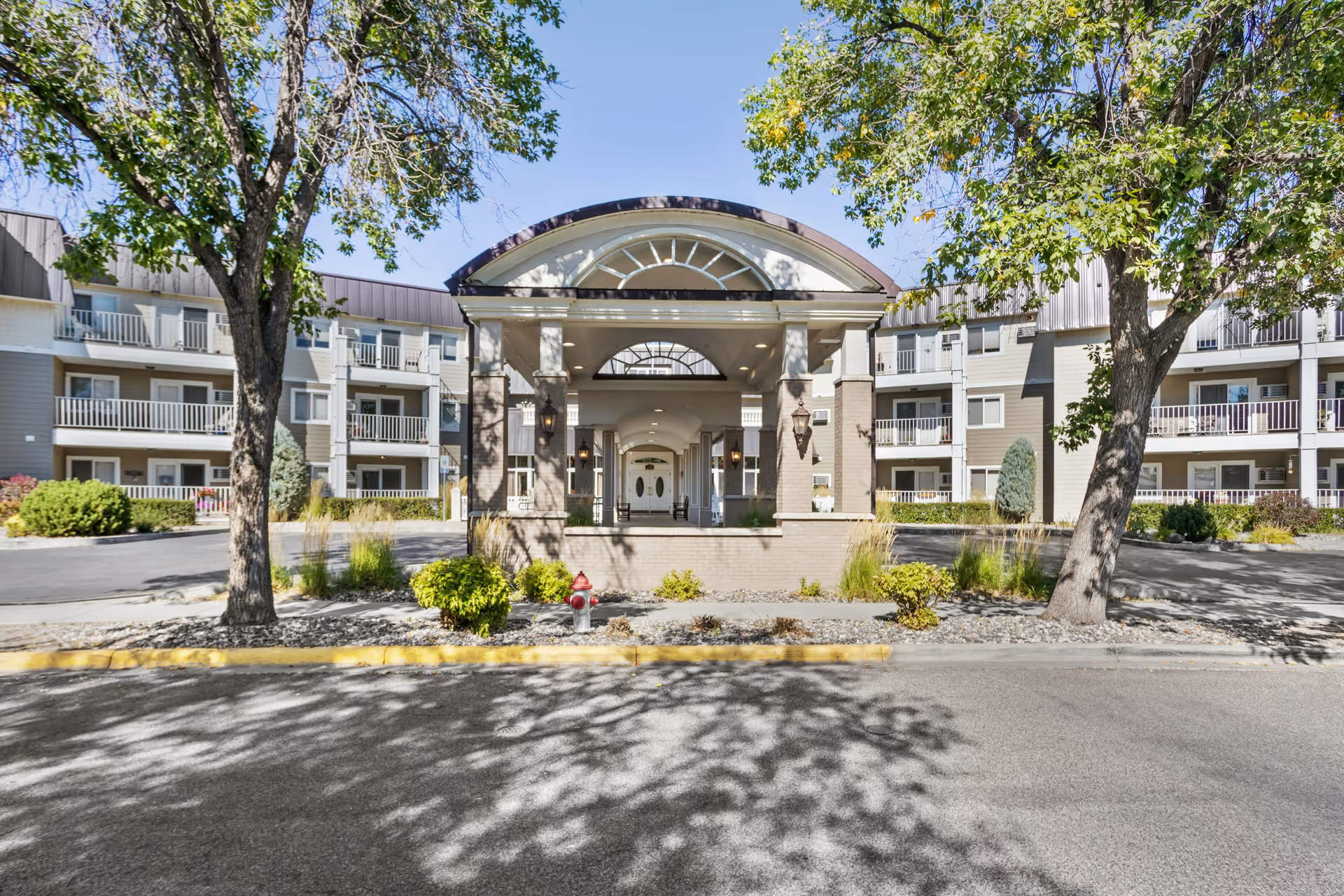
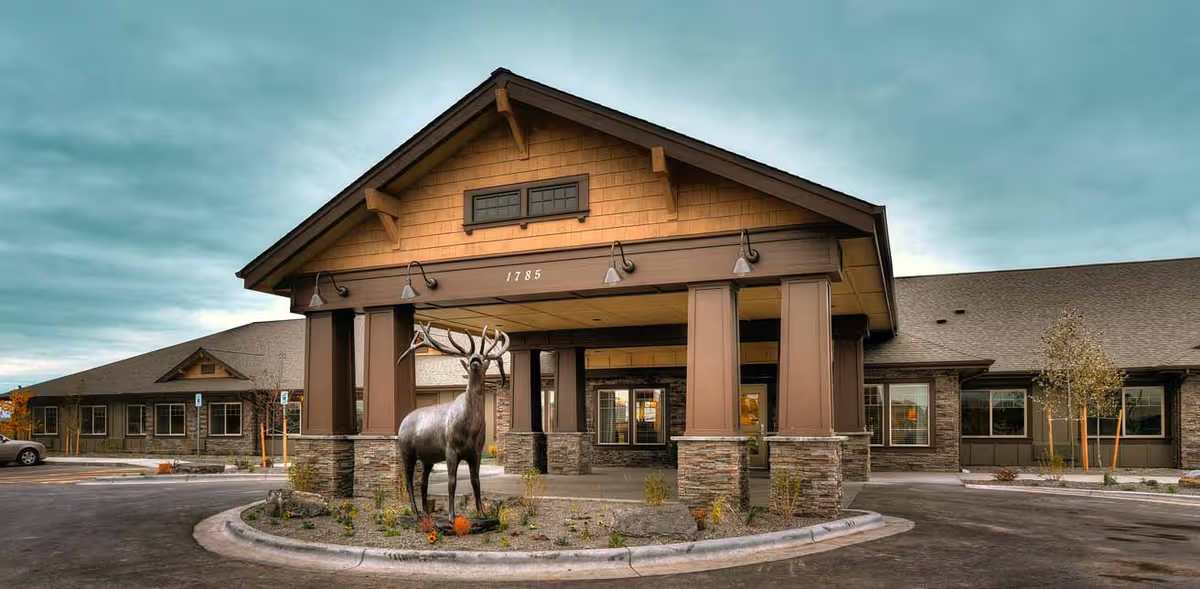
Facilities and housekeeping: Physical spaces are regularly described as bright, clean, and well maintained, with attractive grounds and a pleasant courtyard. Private suites and cottage units receive positive comments for space and light. However, housekeeping and laundry reliability appear inconsistent in practice; some families report dependable same-day laundry pickup and thorough cleaning, while others note missed tasks such as dusting or uneven weekly cleaning. There are also specific access-control and safety concerns raised about an exterior courtyard door and isolated property-security incidents; these point to facility-level maintenance and security checks worth verifying.
Management and communication: Experiences with leadership and administrative responsiveness vary. Some families praise directors and administrative staff for proactive communication, smooth transitions, and strong coordination with hospice and insurance processes. Conversely, other accounts describe poor communication, slow follow-through on proposals or maintenance requests, unclear billing or room-assignment explanations, and a sense that corporate-level decisions can feel remote. Memory-care screening and placement have mixed reports — while compassionate dementia care is commended in several cases, a few families reported placement or screening problems that required external intervention.
Notable patterns and advice: The overall pattern is of a community with strong relational care and vibrant programming tempered by operational inconsistencies tied to staffing, housekeeping, clinical-process adherence, and communication. For prospective residents and families, useful topics to explore on a visit include current staffing ratios and turnover, protocols for medication and medical-device management, housekeeping and laundry schedules, examples of menu rotation and special-diet handling, memory-care screening criteria, security/access controls, and contract/billing line items. Observing mealtime, an activity, and a shift change can help corroborate written policies with lived experience. Highgate appears to provide a warm, active environment for many residents, but operational variability suggests families should confirm the specific practices that matter most to them before committing.