Overall impression: The facility presents as a small, well‑kept, home‑like senior community with consistently positive feedback about frontline caregiving, cleanliness, dining, and activities. Families and visitors frequently praise staff for being kind, personable, and engaged; many accounts emphasize one-on-one attention, staff knowing residents by name, and a family‑style atmosphere that supports social interaction and resident wellbeing.
Care quality and staff: Direct care staff are widely described as compassionate, patient, and attentive. Reviewers highlight timely medication delivery in many cases, assistance with dressing and daily needs, and responsiveness during after‑hours on multiple occasions. The small community scale appears to support individualized attention and quicker relationship building. However, there is a consistent pattern of operational concerns that affect perceived care reliability: leadership and administrative follow‑through are described as inconsistent, internal communication between management and caregivers is weak, and there are gaps in coordination with hospice and medication oversight. Prospective residents requiring higher clinical oversight or with complex medication regimens should confirm medication‑management protocols and escalation procedures during a tour.
Dining and activities: Dining receives positive remarks overall—descriptions include chef-driven menus, appealing meal choices, and fine‑dining experiences for special events. Activity programming is a clear strength: reviewers reference a wide range of options (crafts, card games, bingo, Wii bowling, music performances, cornhole, outings, and themed events) that support mobility, cognition, and social engagement. These offerings appear well curated for an active resident population and are often cited as having a positive impact on mood and mobility.
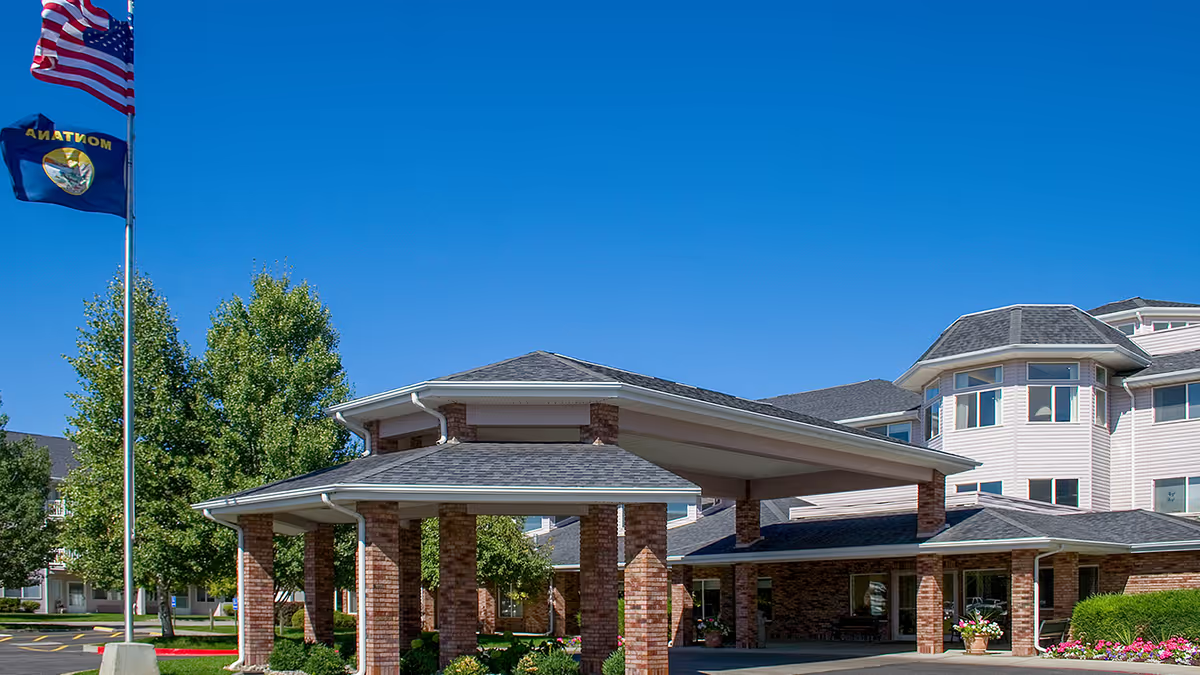
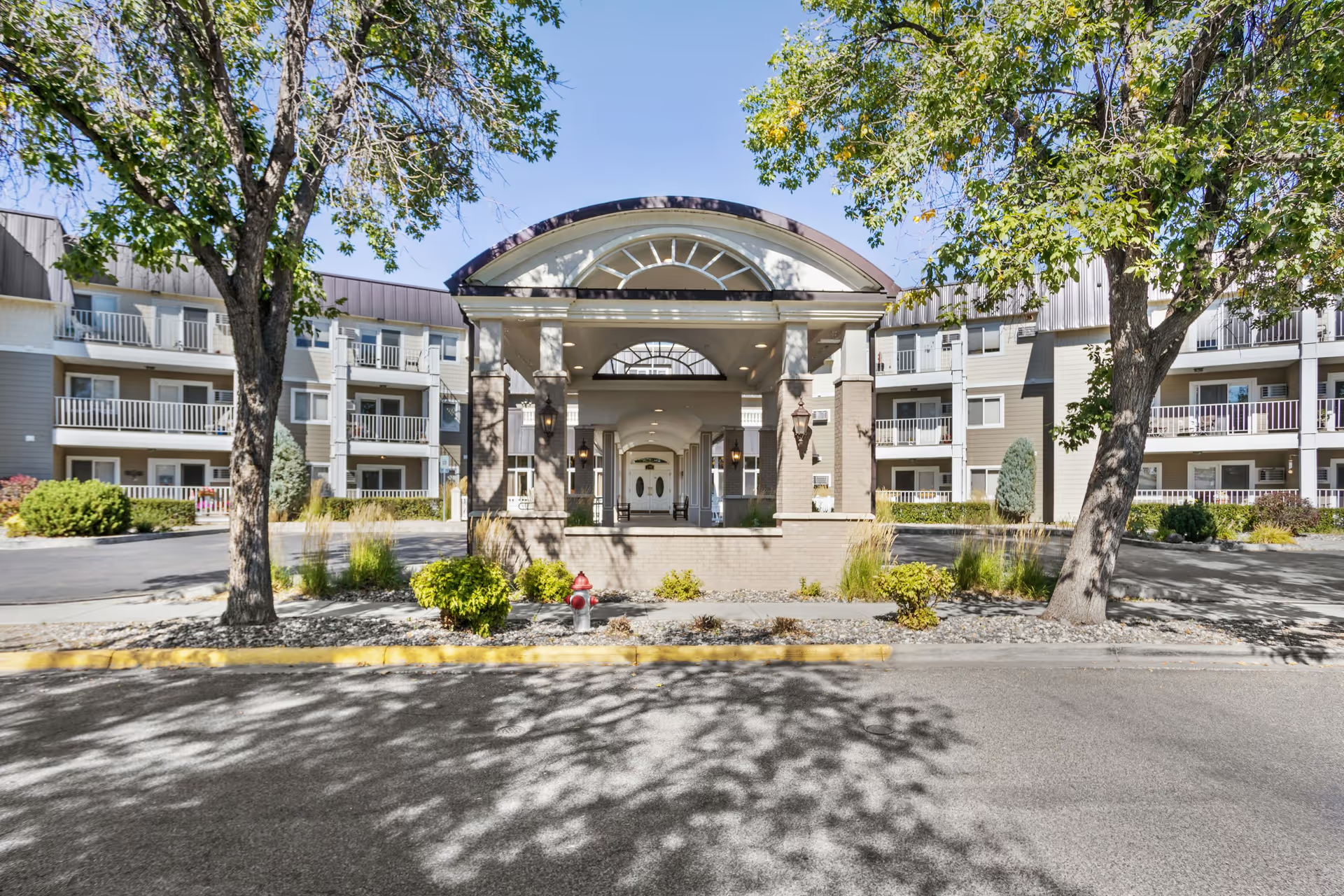
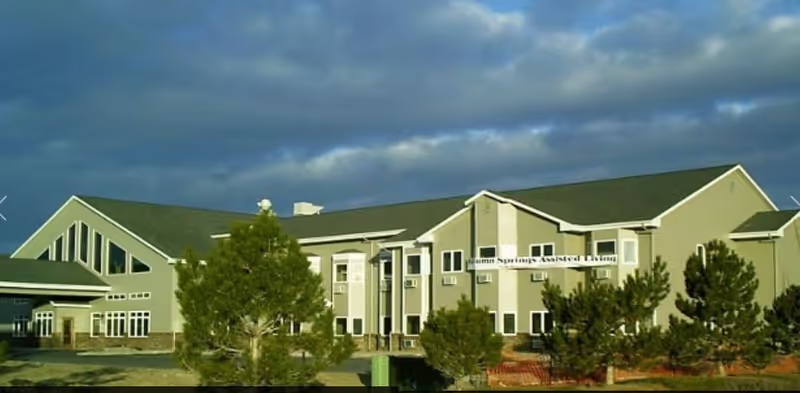
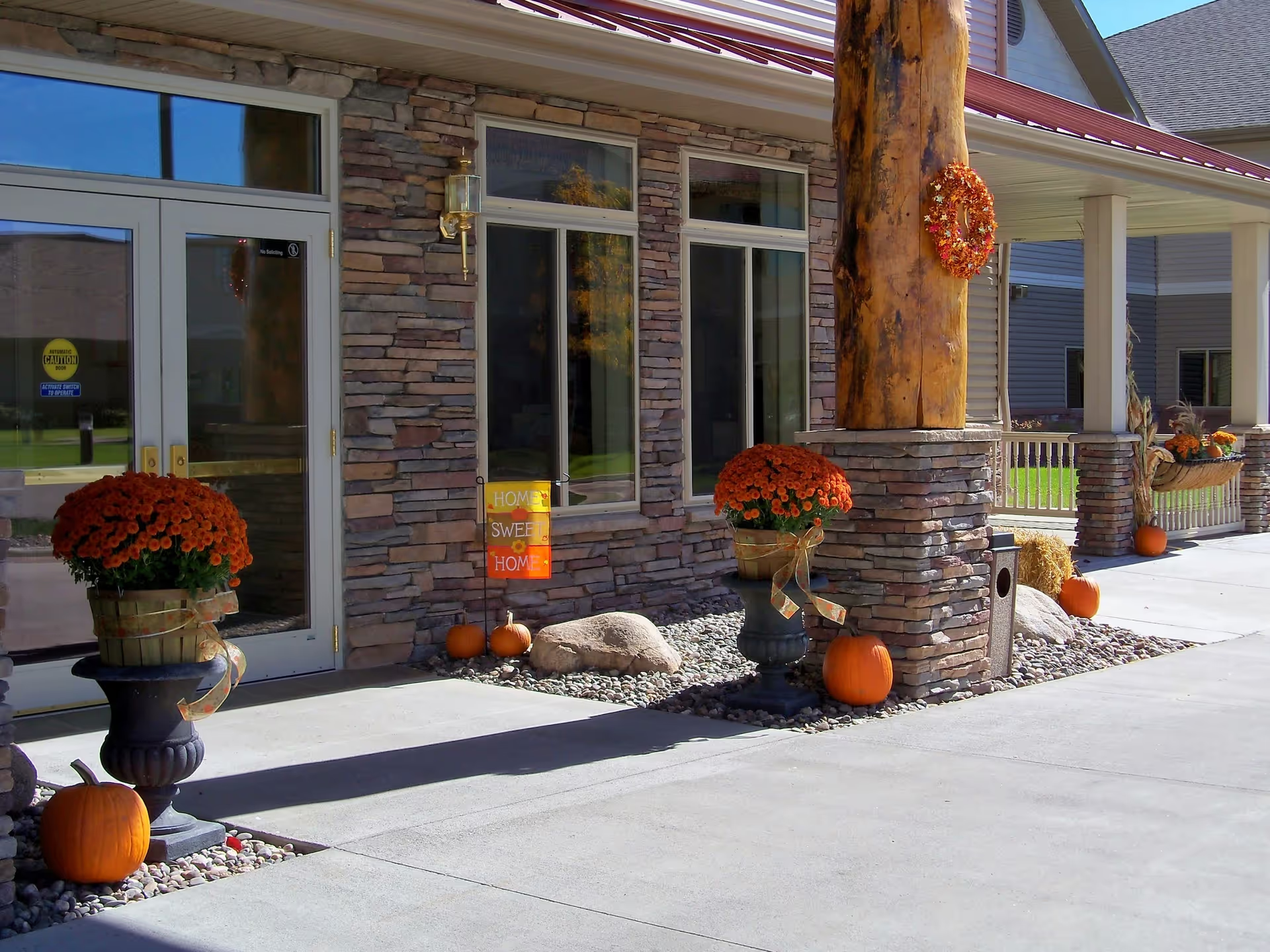
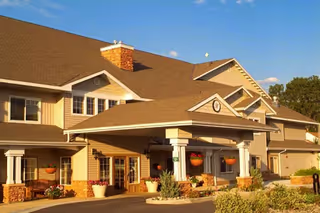
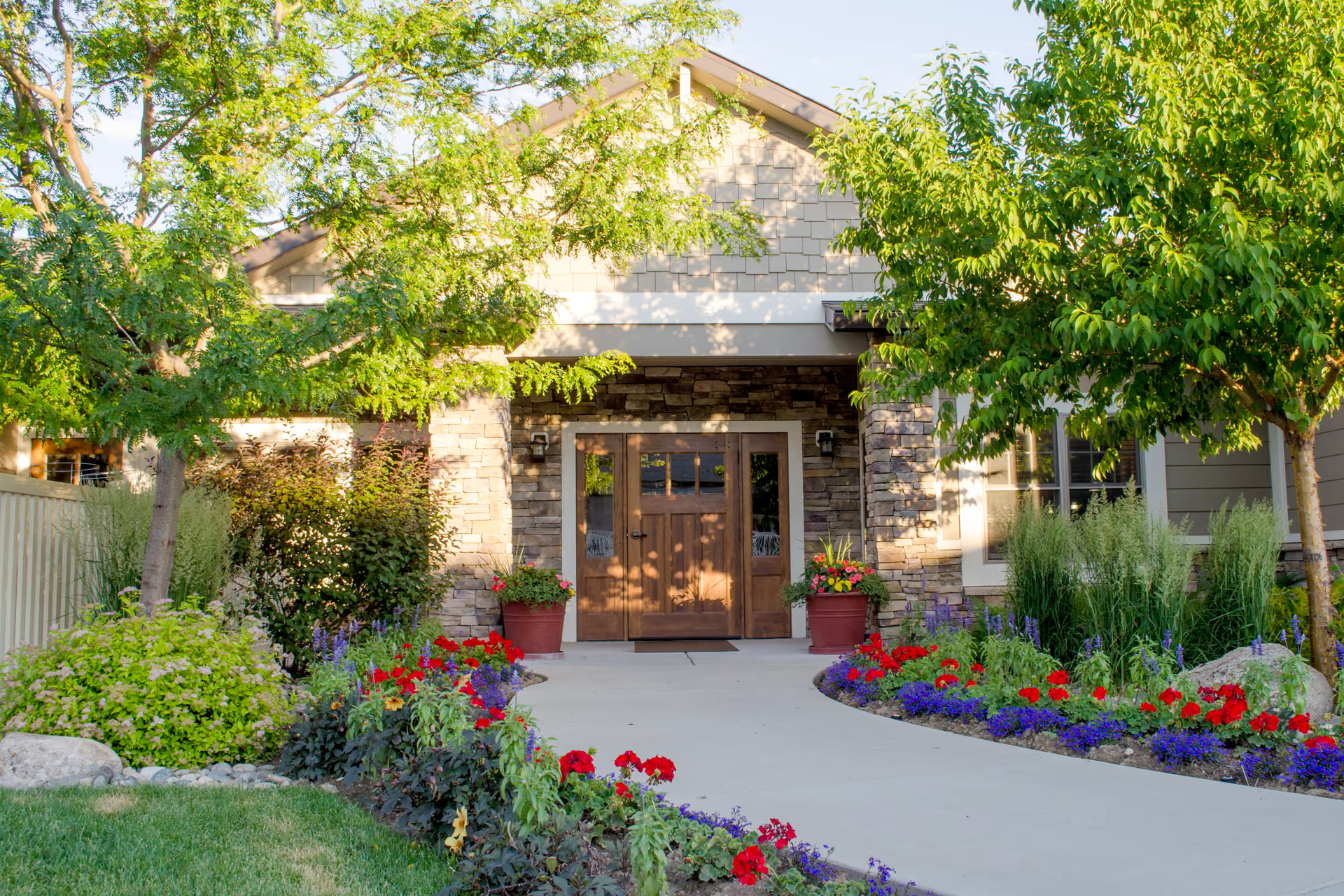
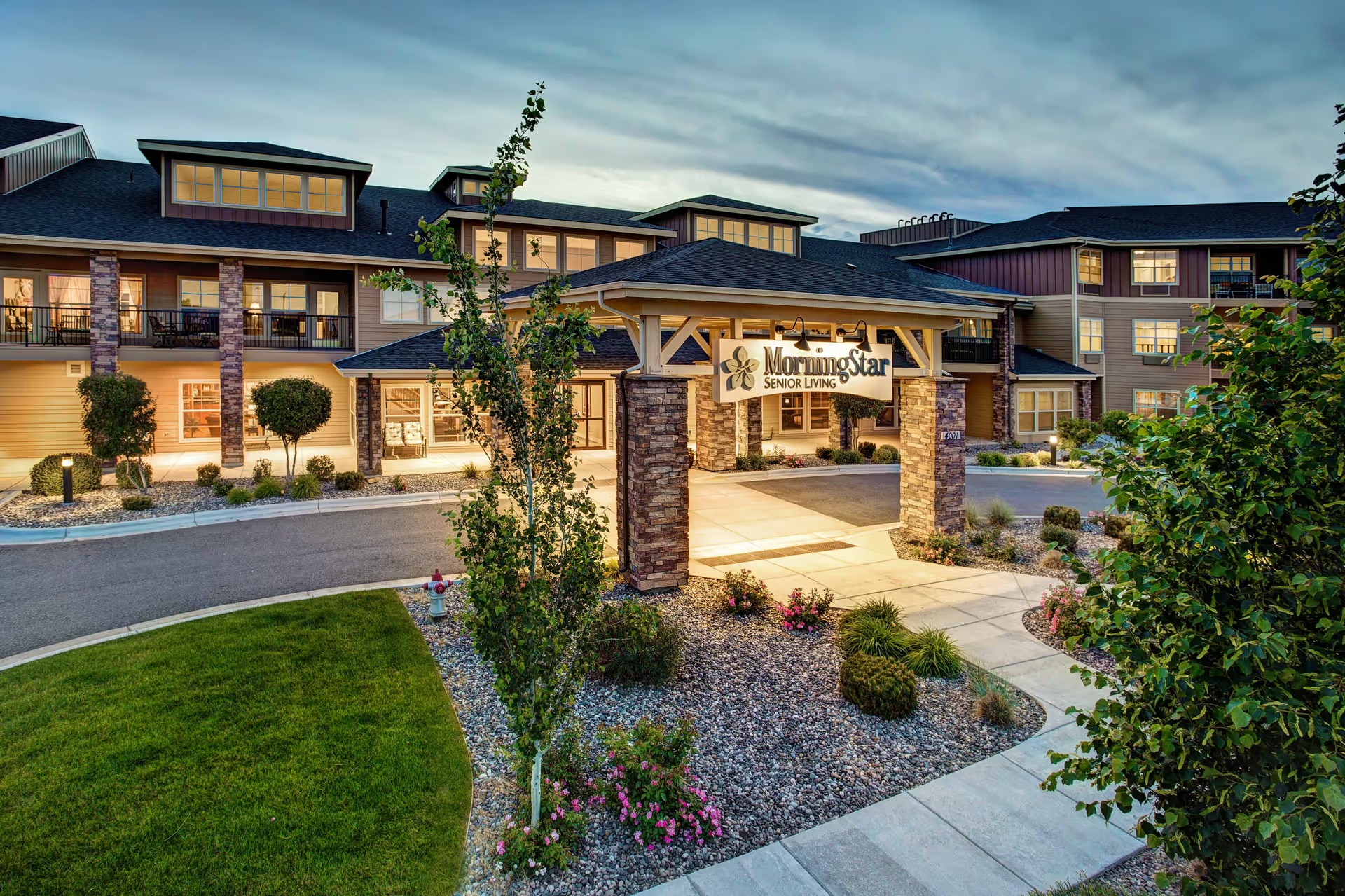
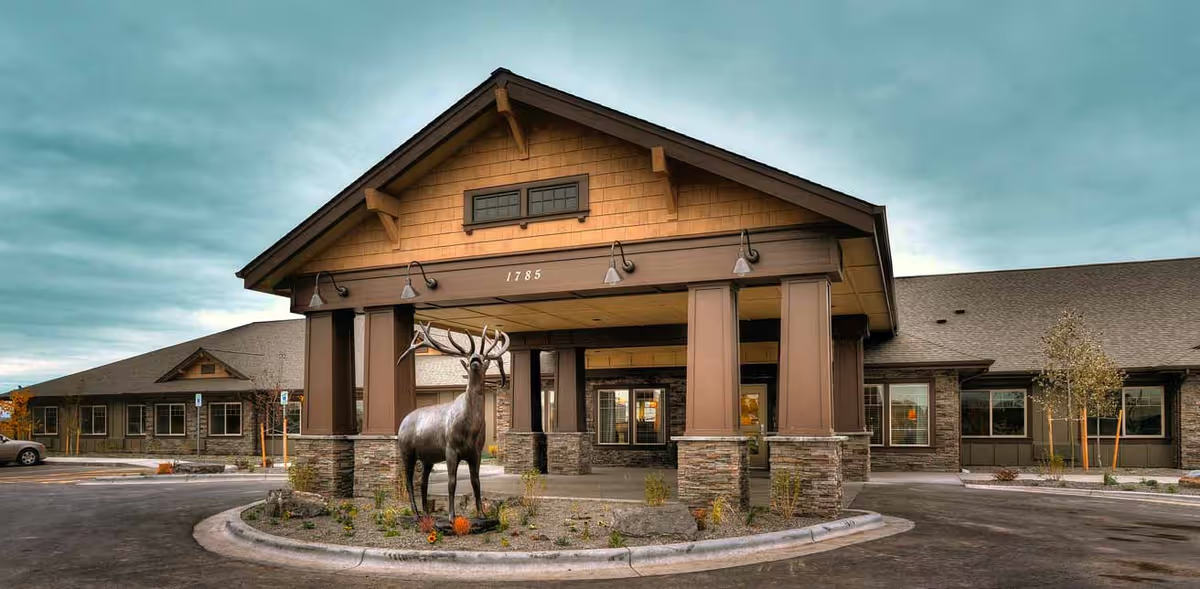
Facilities and environment: The physical plant is frequently described as spotless, remodeled, and thoughtfully laid out for dementia‑friendly navigation. Apartment‑style rooms with bright windows and accessible bathrooms are noted, and common areas are kept in good condition. Because the community is small, it fosters social familiarity among residents. Room size is variable: some unit types—especially some memory‑care rooms and studios—are reported as compact, so families should compare specific floor plans. Parking availability and winter parking logistics are recurring practical concerns.
Management, admission, and cost patterns: Management and administrative practices are the most mixed area in the feedback. Positive interactions with particular administrators and tour guides are common, but there are repeated comments about slow or inconsistent callbacks, unannounced tours, and variable phone‑based customer service. Families also describe occasional failures to follow through on commitments or inconsistent delivery of promised benefits. Pricing is frequently described as high, with references to significant monthly fees and start‑up costs; prospective residents should obtain a detailed fee schedule and clarify how levels of care affect monthly charges.
Notable patterns and recommendations: The dominant pattern is a strong frontline team and appealing environment tempered by administrative and operational weaknesses. For families considering this community, recommended due diligence includes: confirming medication administration and hospice coordination protocols, reviewing staffing ratios and after‑hours responsiveness, touring the exact unit type under consideration to assess space, and obtaining a clear written breakdown of costs and admission policies. When leadership and communication are aligned with the caregiving staff, the community’s facility, activities, and dining suggest a positive quality of life for residents; where those administrative gaps persist, families should evaluate whether the facility’s operational approach matches their expectations for clinical oversight and customer service.