The reviews present a mixed picture with clear positives alongside several recurring operational concerns. Strengths cited include staff members who can be responsive and attentive in many interactions, a consistently well-rated lunch service, rooms that offer pleasant exterior views, and an exterior entrance ramp that supports wheelchair access. At the same time, reviewers describe multiple areas where practices appear inconsistent or inadequate, and these patterns merit careful follow-up by prospective residents and families.
Care quality and clinical monitoring: Several comments raise concerns about personal-care practices and basic clinical monitoring. Specific operational themes include delays in attending to incontinence-care needs and gaps in routine observations such as temperature checks. These are presented as patterns rather than single isolated compliments, and they point to potential weaknesses in day-to-day clinical oversight and timeliness of care.
Staff and conduct: Feedback about staff is mixed. Many reviewers characterize staff as responsive and attentive, particularly in some interactions, but others report variability in conduct and compassion and describe delays in responding to resident needs. This suggests inconsistent staff performance or uneven staffing coverage that can affect the resident experience. Prospective families should ask about staffing ratios, training in person-centered care, and how the facility manages shift handovers.
Dining and meals: Lunches are frequently described positively, but breakfast and dinner receive criticism for menu composition (emphasis on inexpensive carbohydrates) and inconsistent temperature control (examples of cold items). Overall meal quality appears variable, and families may want to review sample menus, inquire about special-diet accommodations, and request a meal observation during a visit.
Activities: Reviews contain minimal direct commentary about recreational or therapeutic activities. Because activity programs are important to quality of life, prospective residents should request an activities calendar and observe participation levels during a tour.
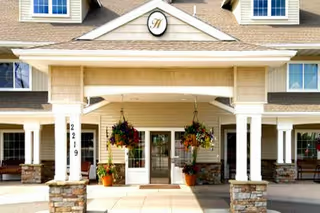
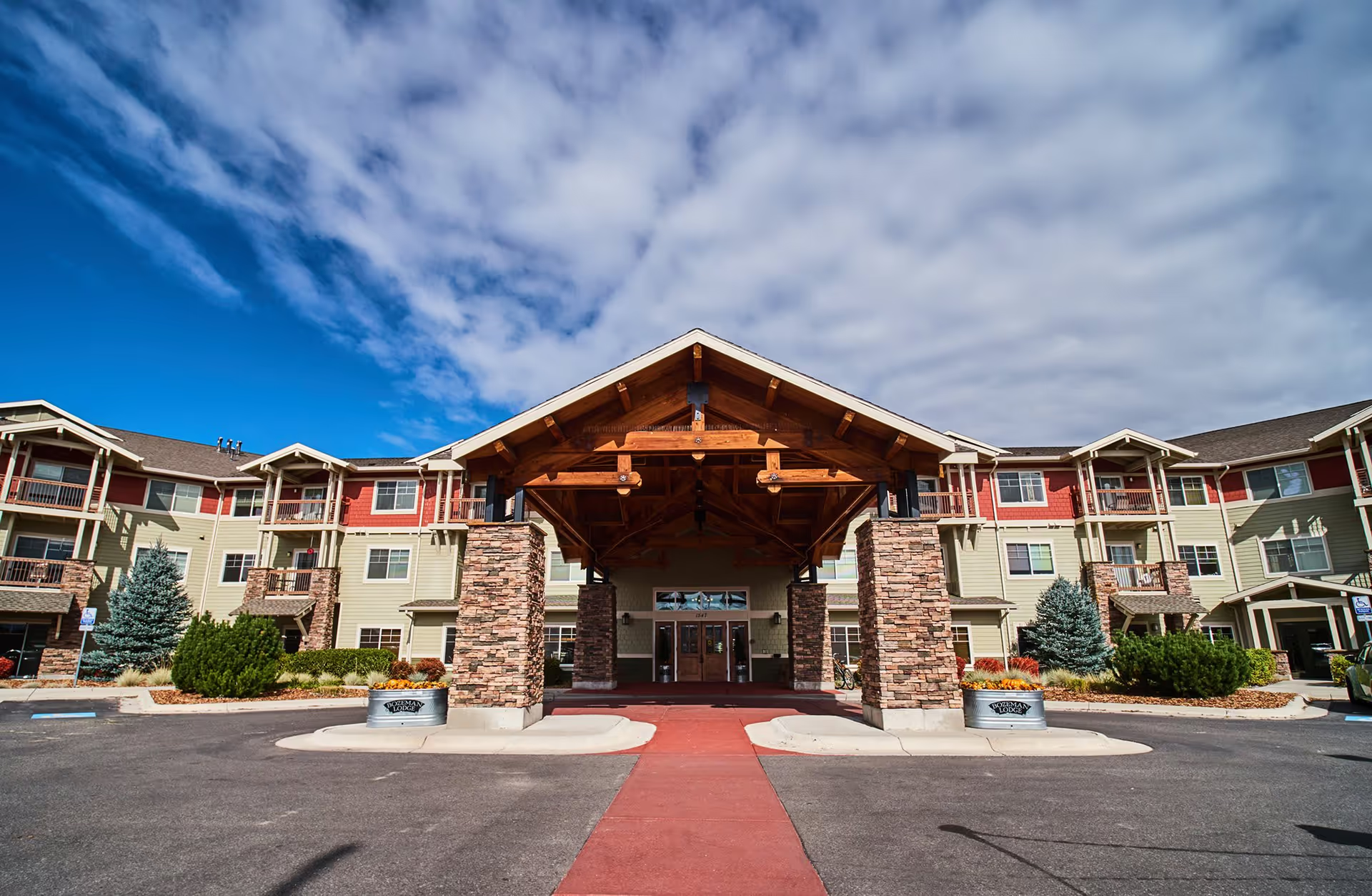
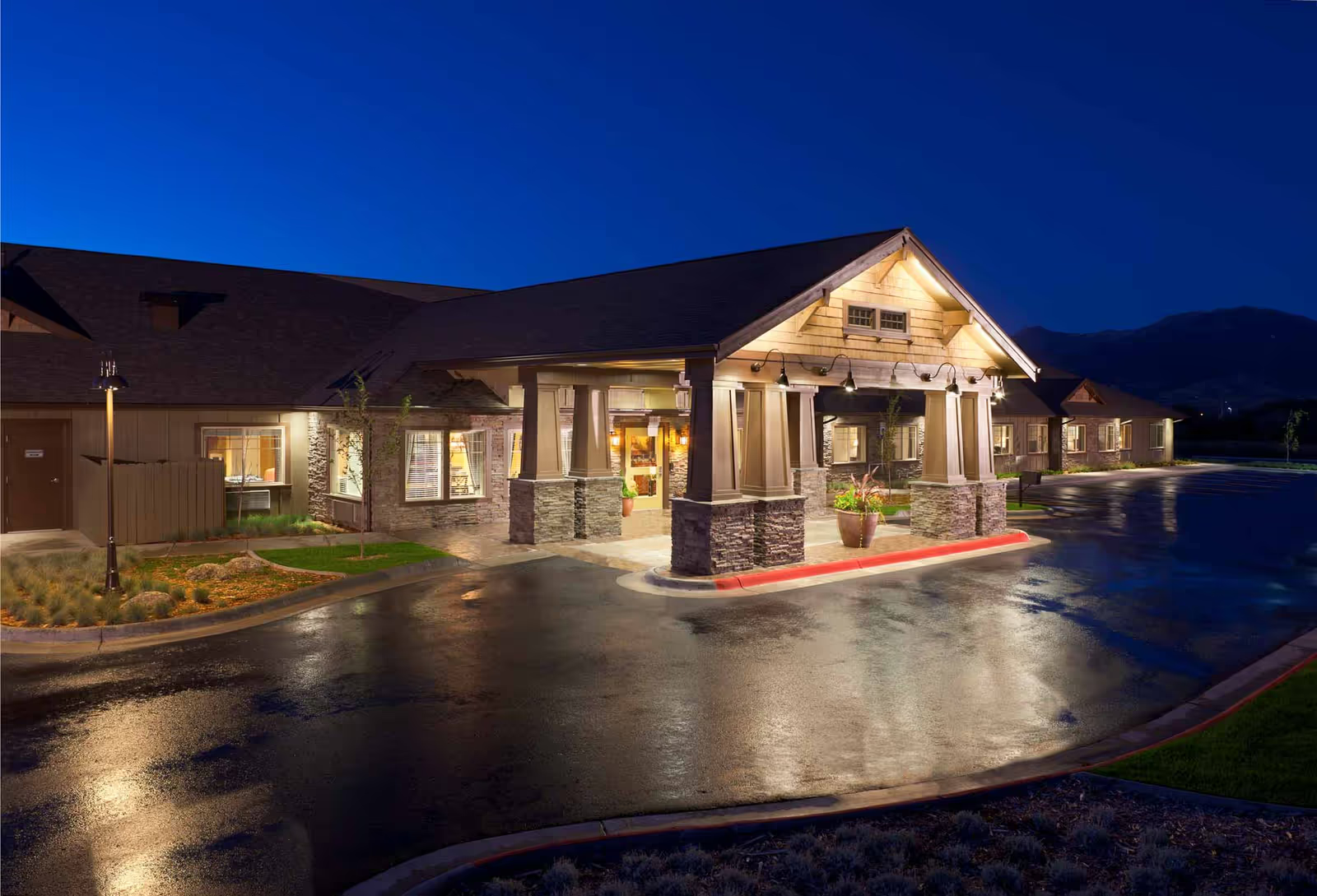
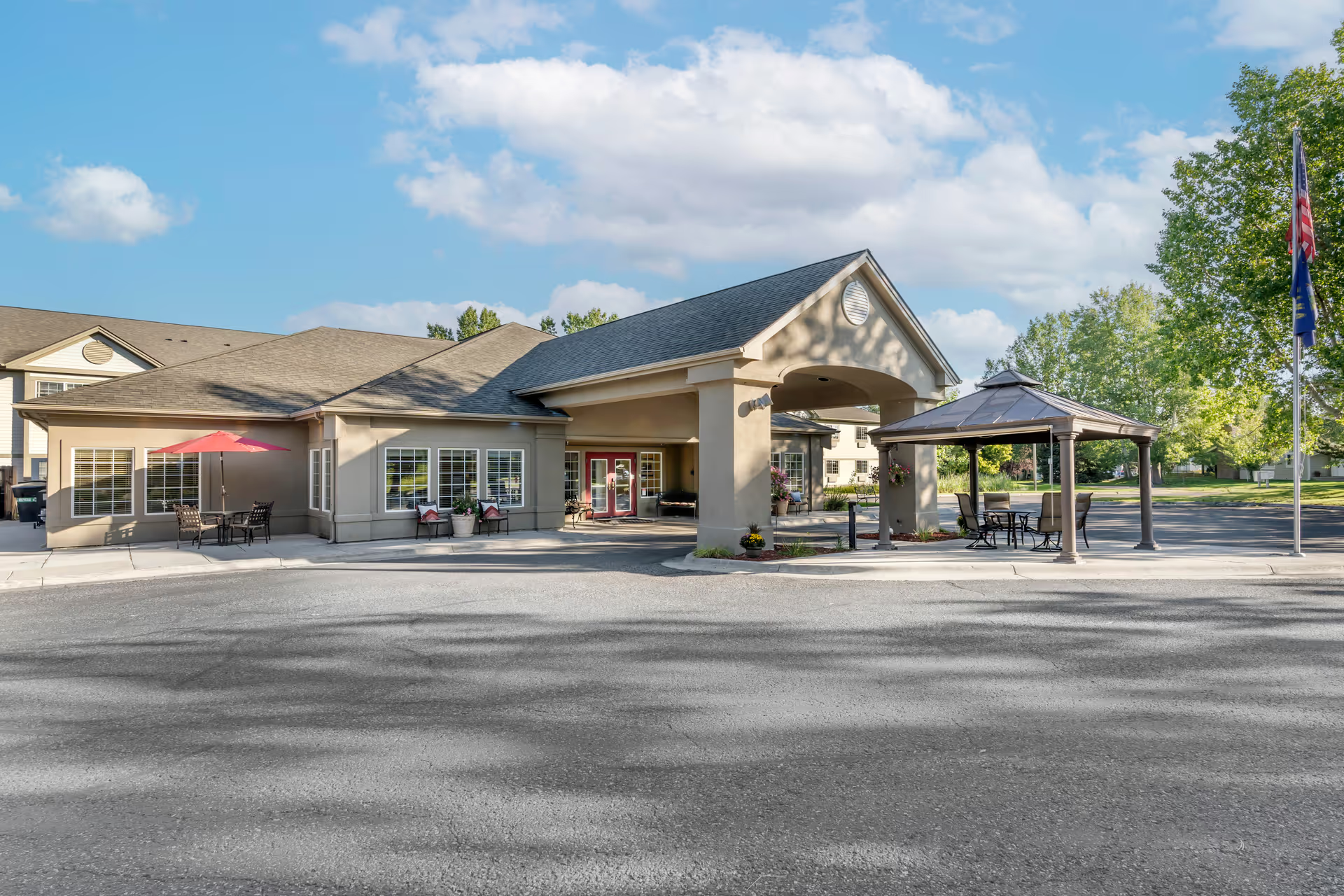
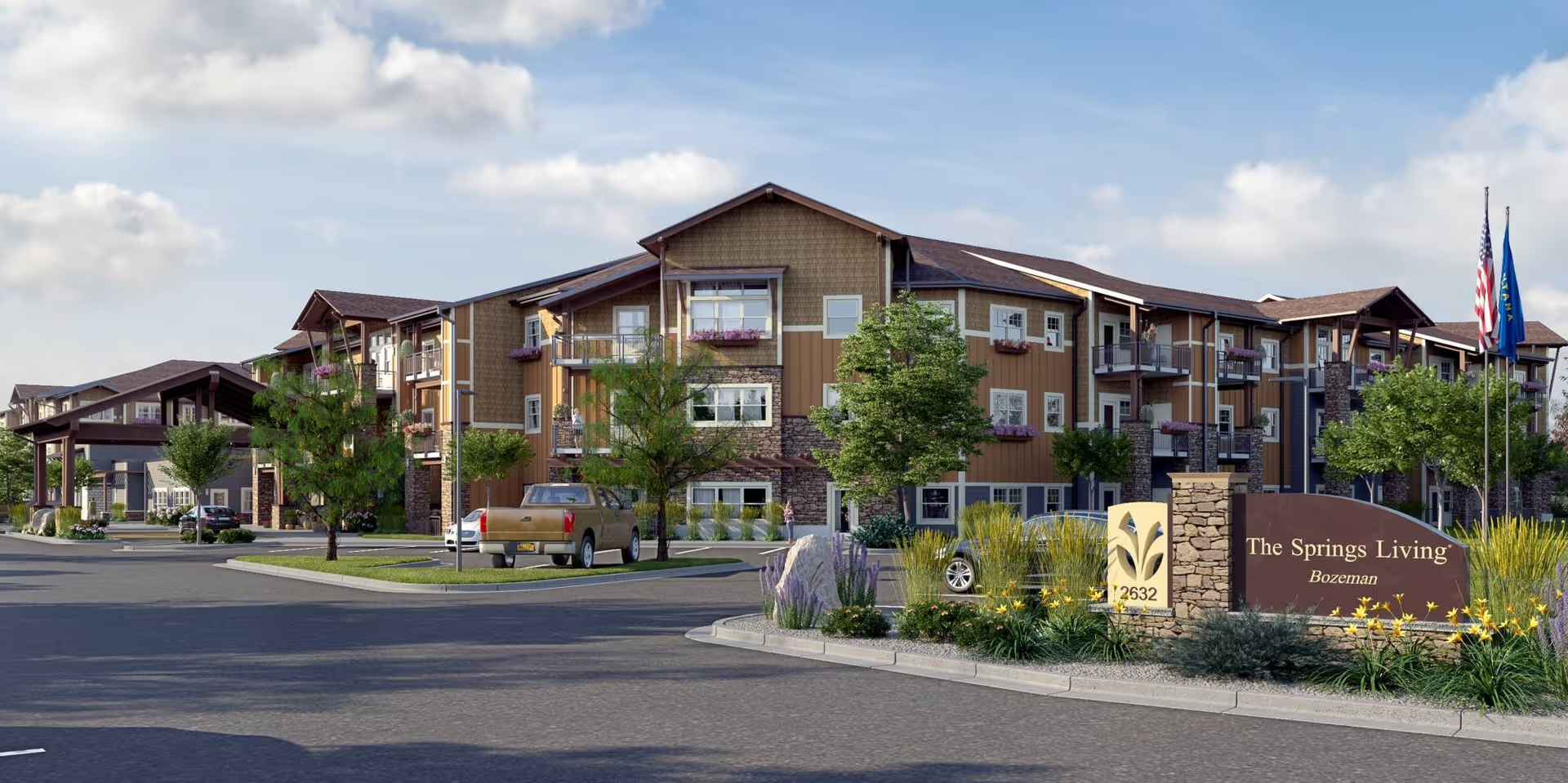
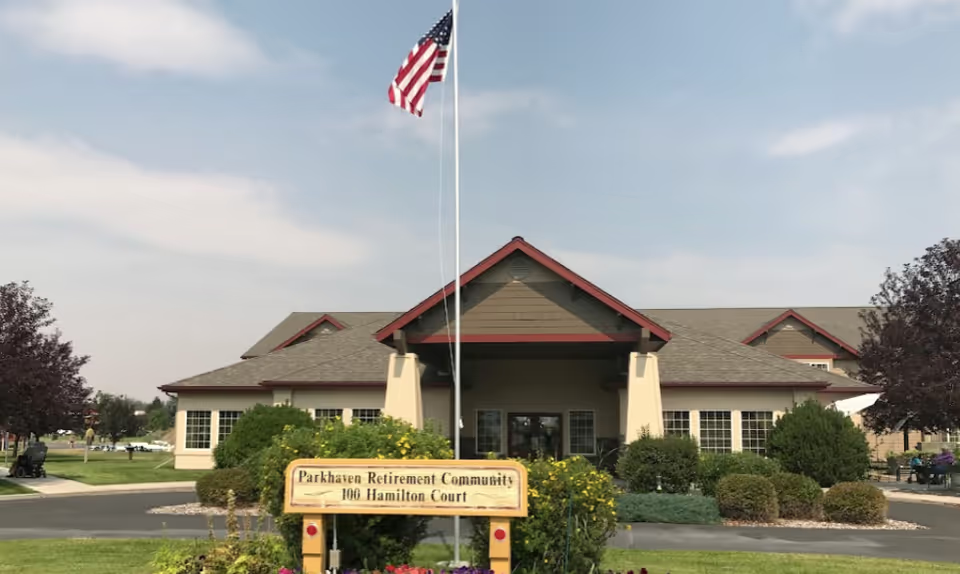
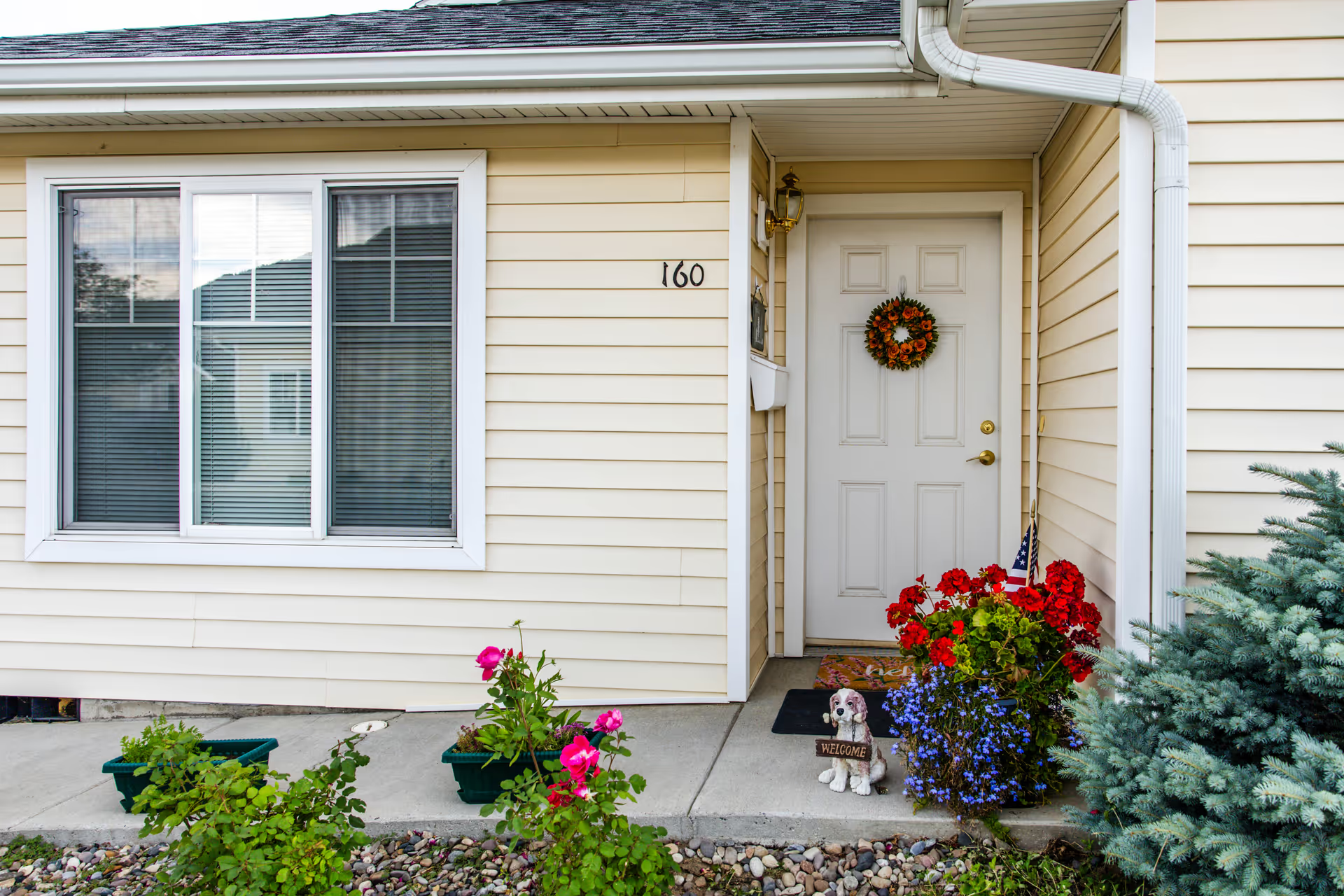
Facilities and housekeeping: Physical facilities receive mixed feedback. Rooms are described as sparingly furnished but with good views; however, interior circulation presents accessibility limitations — there is an exterior ramp at the main entrance but interior stairs that restrict full wheelchair mobility. Housekeeping and restroom sanitation are noted as inconsistent, and specific concerns about cleaning of furniture and common areas were raised. These sanitation and cleanliness issues are operational traits that should be verified through inspection, asking for housekeeping protocols, and reviewing recent environmental inspection reports.
Management and administrative issues: Financial and administrative processes were a source of concern for some reviewers, with examples of billing disputes and delays in refund processing. There is limited information about how management responds to complaints; the pattern suggests families should clarify billing policies, timelines for refunds, and complaint-resolution procedures before committing.
Notable patterns and recommendations: The overall pattern is one of variability — several strengths exist, but there are persistent, facility-level weaknesses in personal-care timeliness, basic clinical monitoring, housekeeping consistency, dining reliability, interior accessibility, and administrative responsiveness. For decision-making, request a facility tour that includes observation of mealtimes, a review of staffing levels and schedules, sample care plans, housekeeping and sanitation protocols, recent inspection results, and written billing/refund policies. Ask for references from current families and clarify how the facility documents and addresses care concerns when they arise.