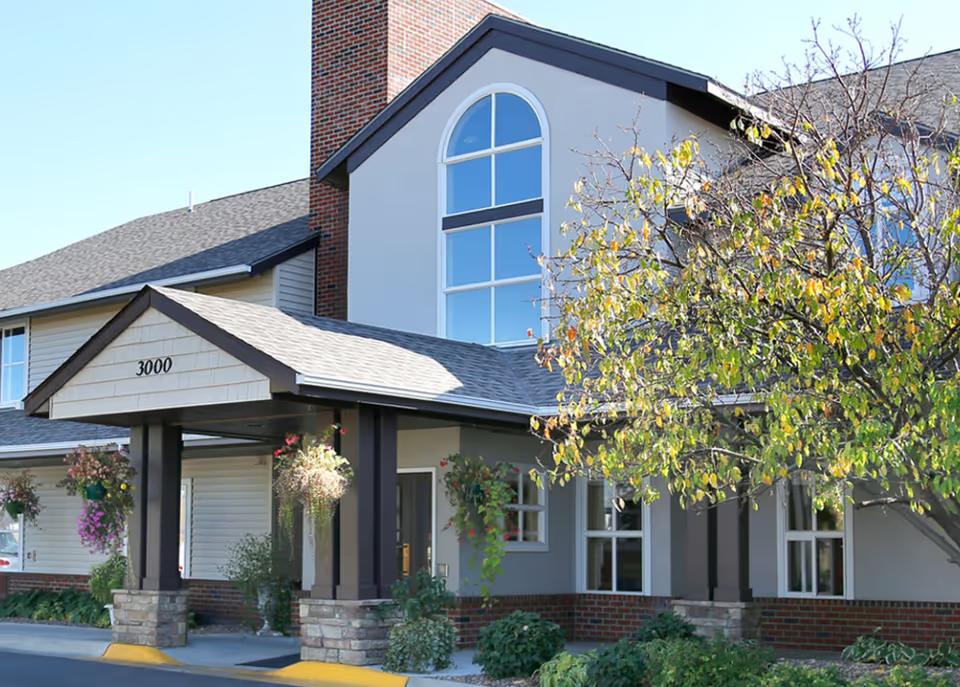
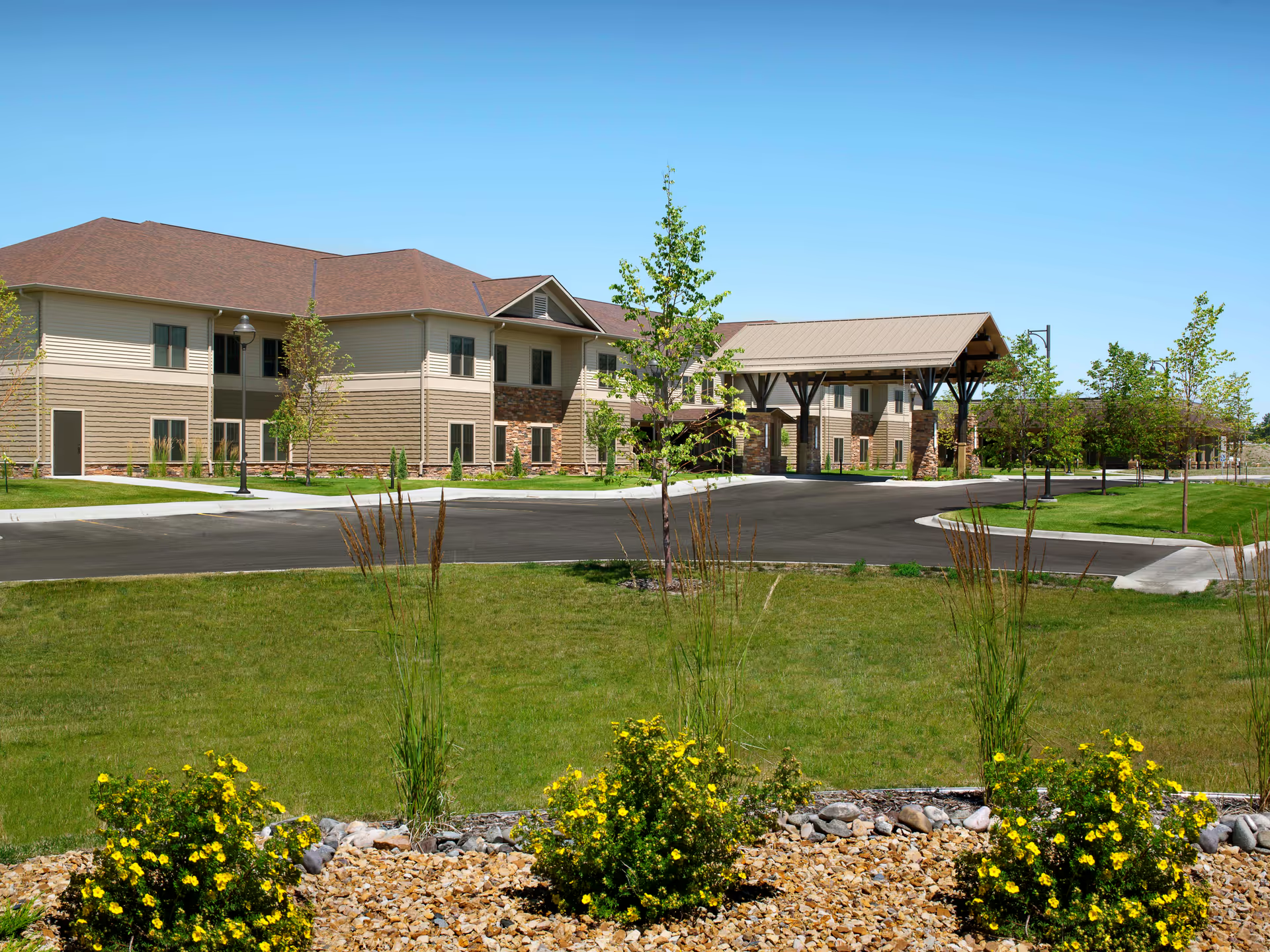
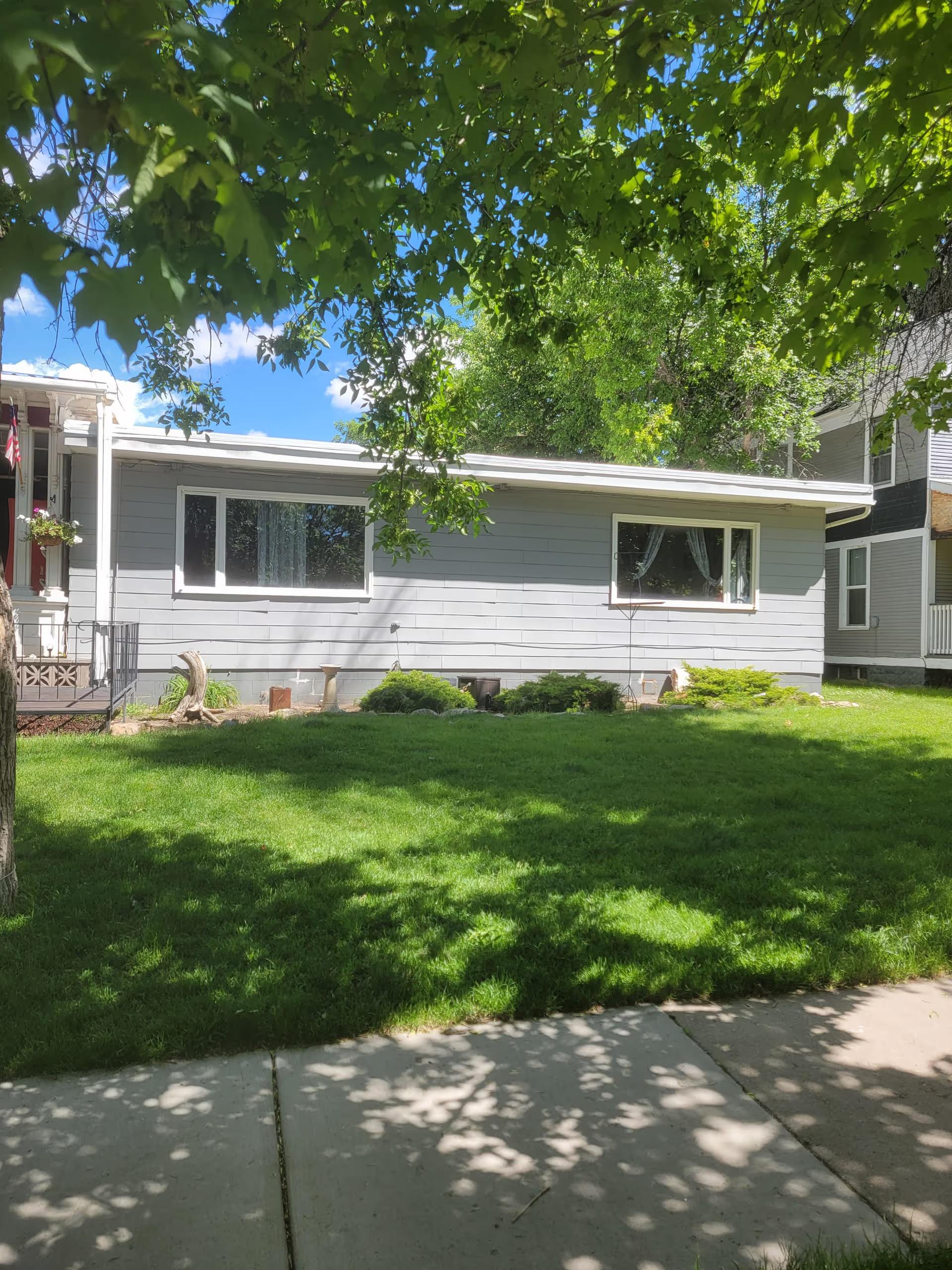
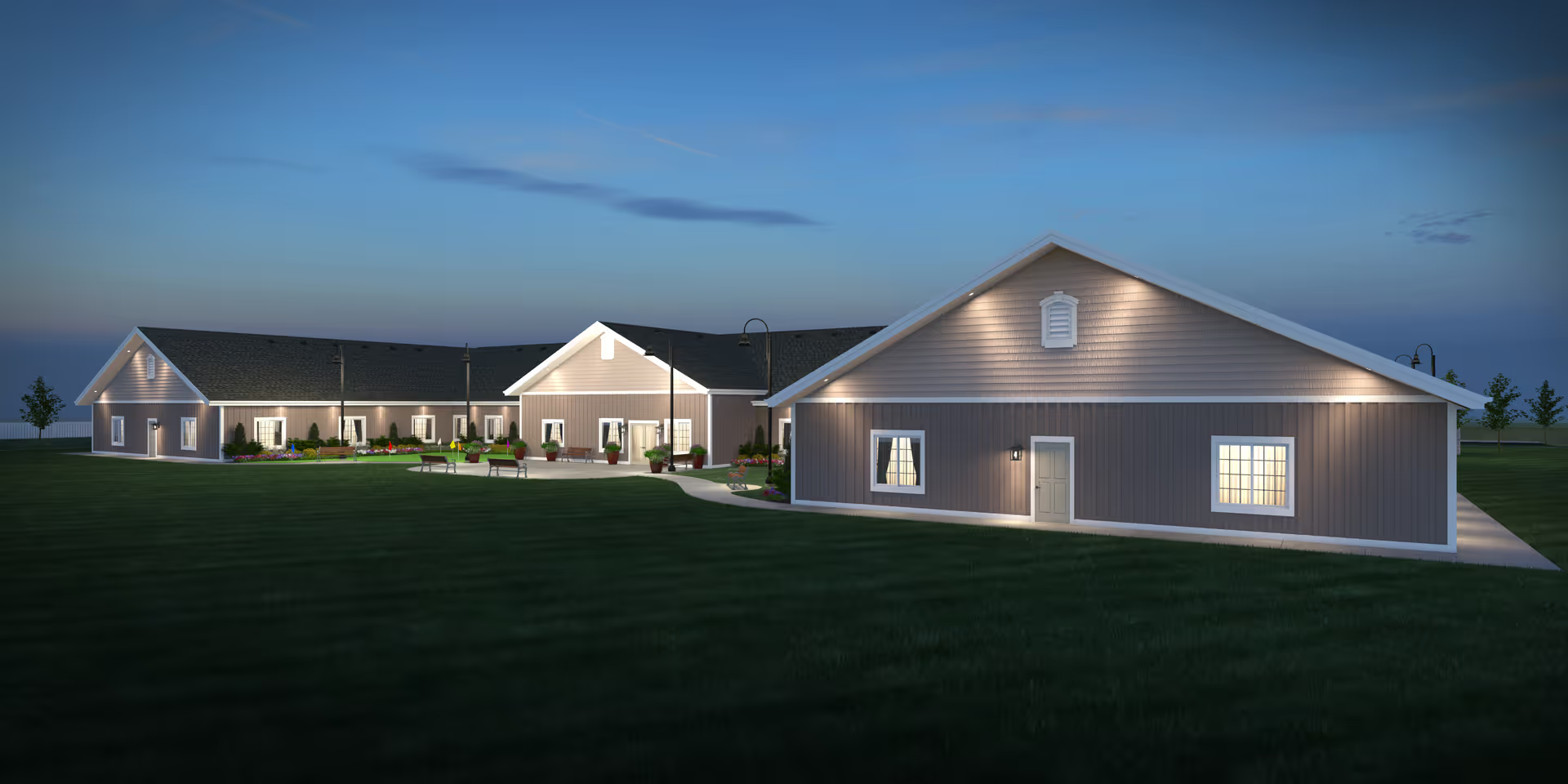
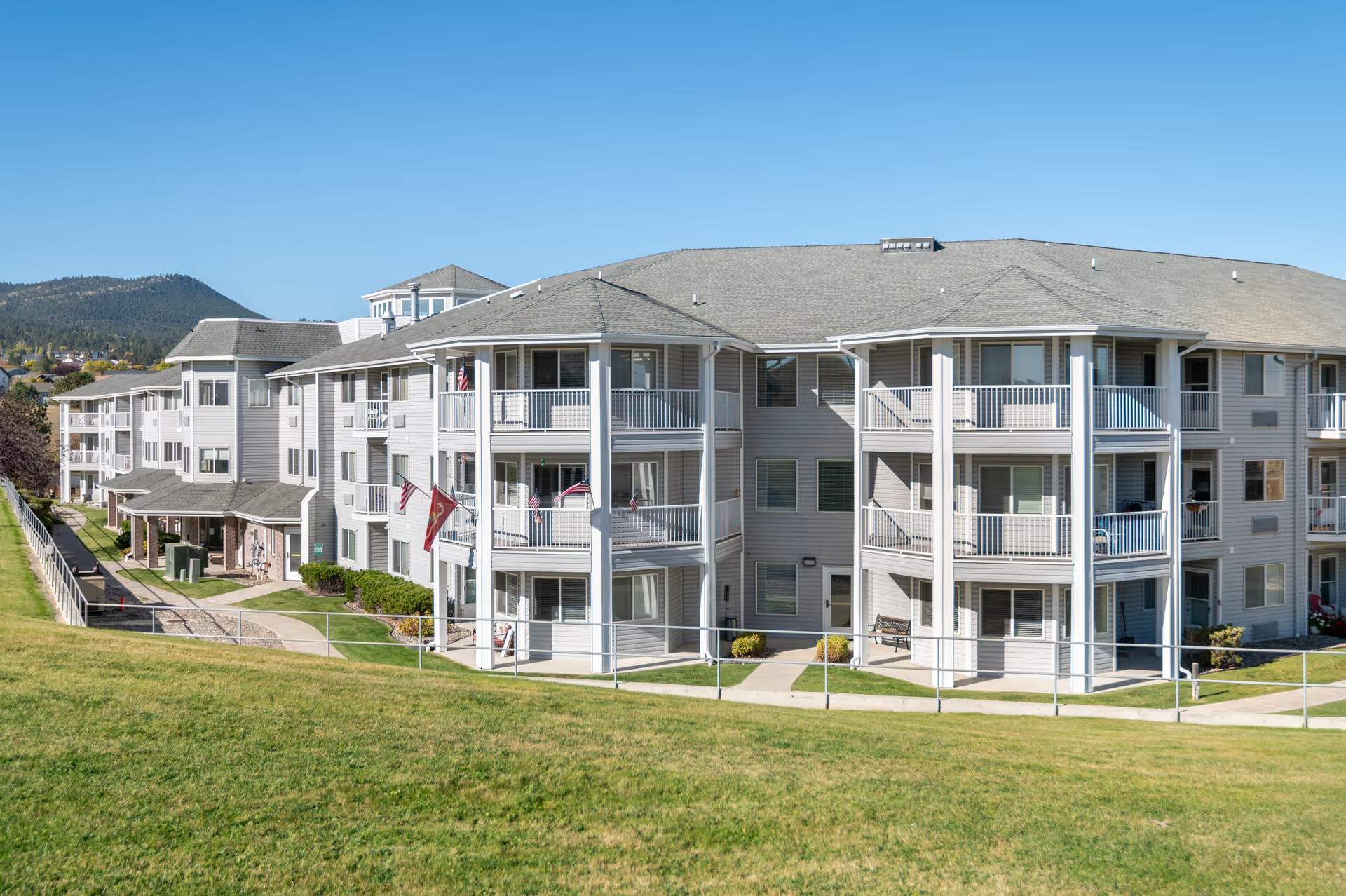
The Goldstone Assisted Living is consistently described as a small, home-like assisted-living residence with a clear focus on personalized and dementia-focused care. The facility’s size appears to be an operational feature: it supports individualized attention and a calm atmosphere, but also constrains capacity and the breadth of on-site services. Reviewers emphasize a welcoming building appearance and an interior that is well maintained and free of noticeable odors, contributing to a domestic rather than institutional feel.
Care and staffing are presented as strengths. Families and visitors describe caregiving staff as attentive, professional, and kind; certified nursing assistants are frequently characterized as responsive and not chaotic. Clinical oversight is present on-site via a registered nurse, and the facility is described as coordinating with residents’ physicians, which suggests an organized clinical-management approach for ongoing medical needs.
Dining and daily-life supports are likewise noted positively. The kitchen provides home-cooked meals and a regular offering of fresh fruit and salads. Social engagement is supported through scheduled programming — reviewers cite two daily activities — which appears to promote resident interaction and good spirits. However, the activity schedule is relatively modest; prospective residents seeking an extensive activity calendar or a wide range of specialty programs may find the options limited.
Facility-level operations include active infection-control measures and secure access. The site enforces COVID testing protocols for staff and residents and has used entry masking during move-ins, indicating an emphasis on health precautions. The campus is described as clean and well cared-for overall. Practical limitations follow from the property’s small footprint: parking is limited, and the compact size may restrict additional amenities or specialized services that larger communities provide.
In summary, The Goldstone is best characterized as a small, affordable assisted-living option that prioritizes dementia-focused programming, personalized attention, cleanliness, and a home-like dining environment. Its strengths lie in calm, attentive caregiving and on-site clinical oversight. Trade-offs include limited parking, a relatively small activity program, and the general capacity limits that come with a smaller facility. Prospective residents and families valuing individualized care and a homelike setting are likely to view these trade-offs as acceptable; those seeking broader services, larger social programming, or more extensive campus amenities should confirm availability before committing.