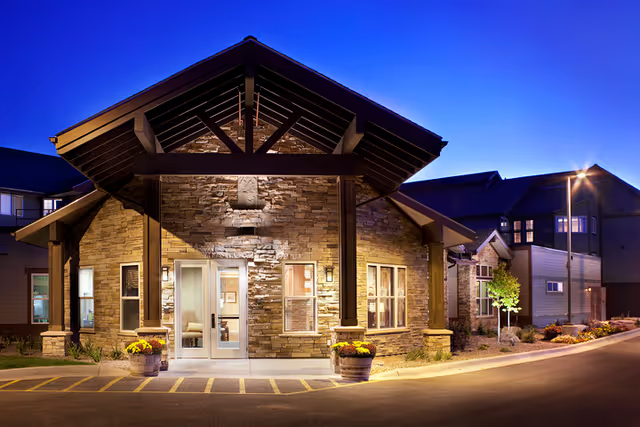
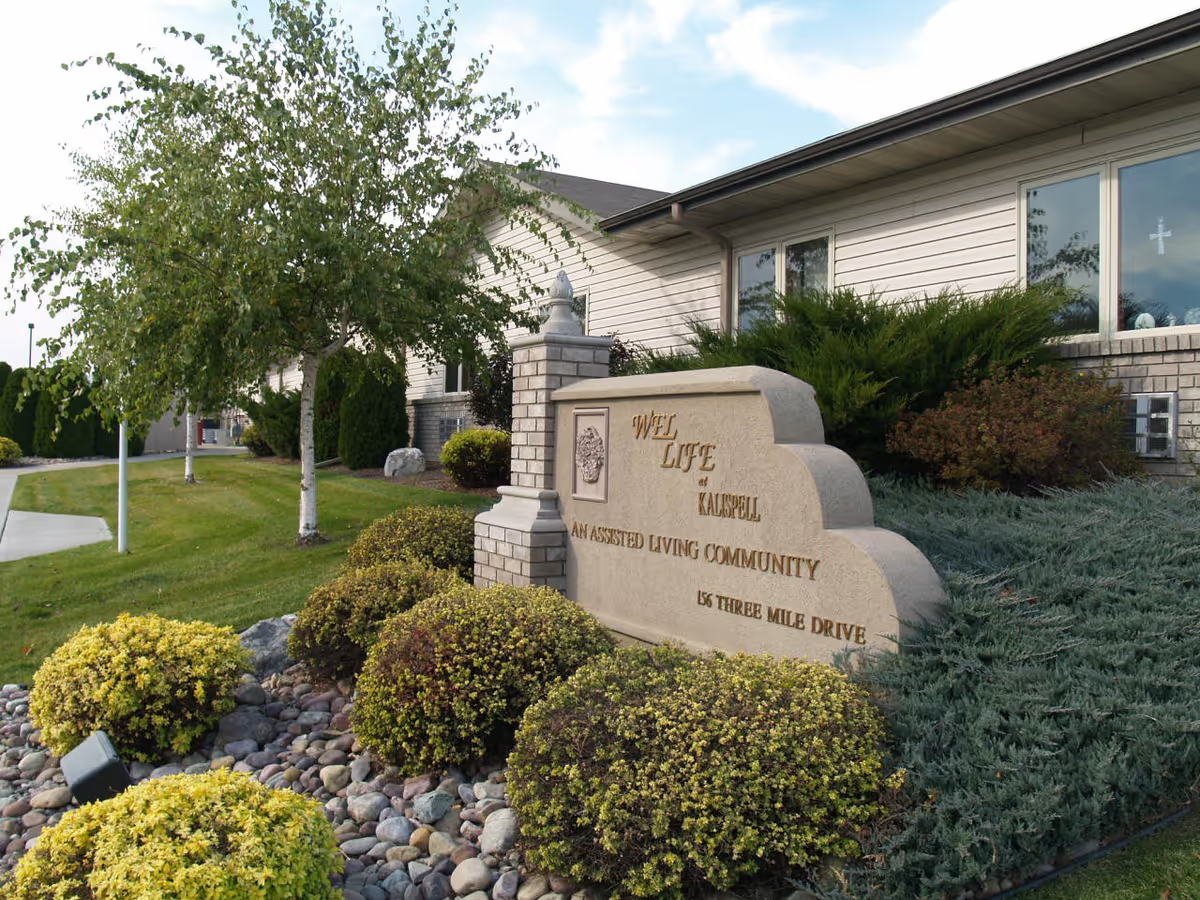
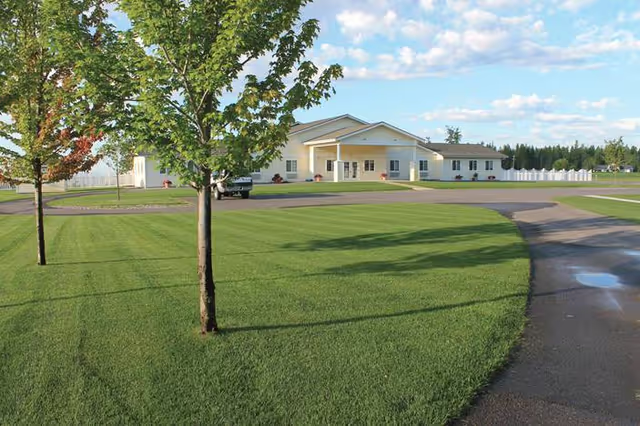
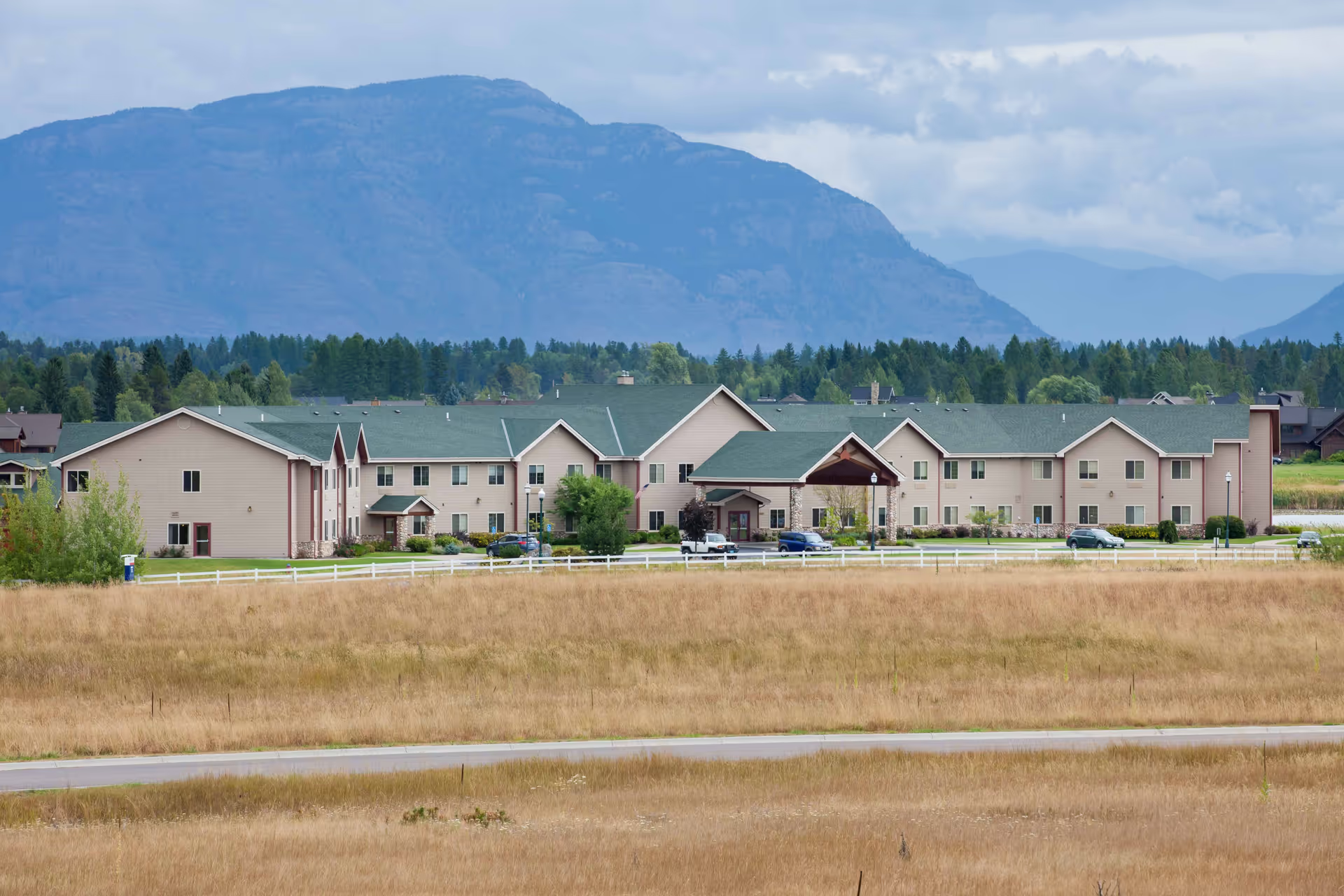
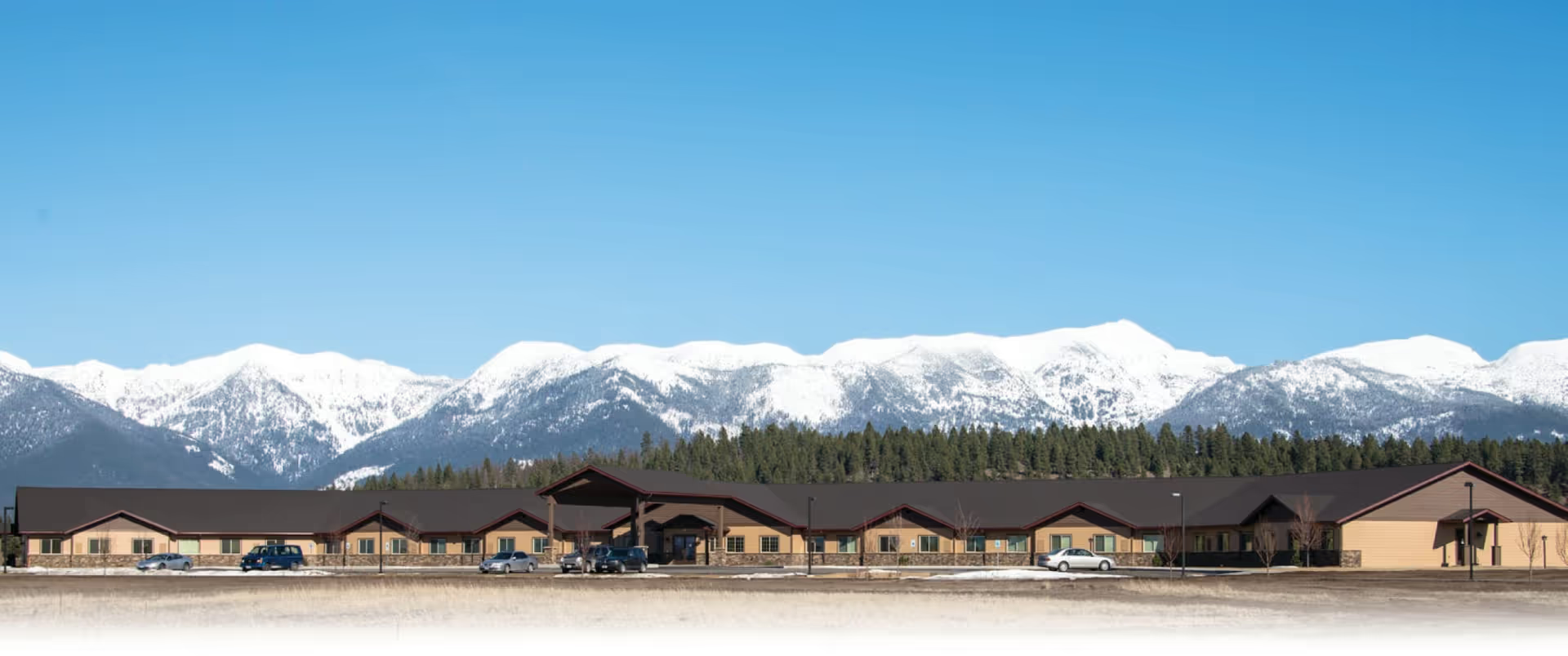
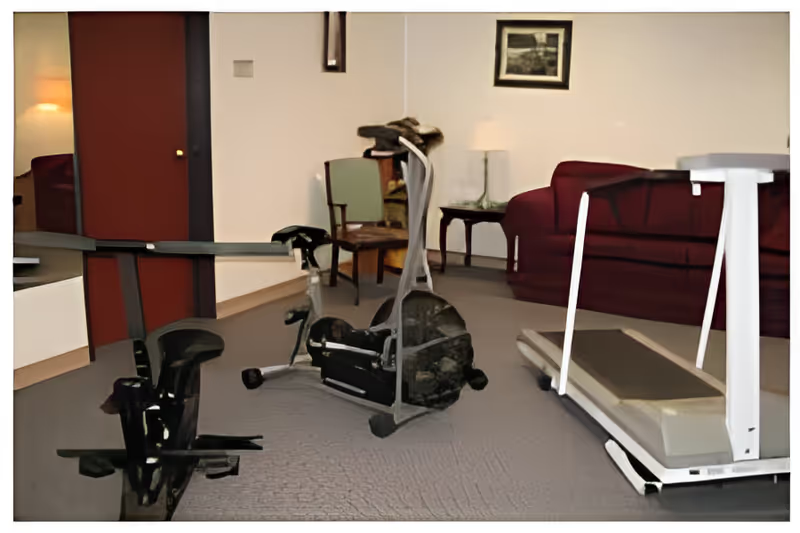
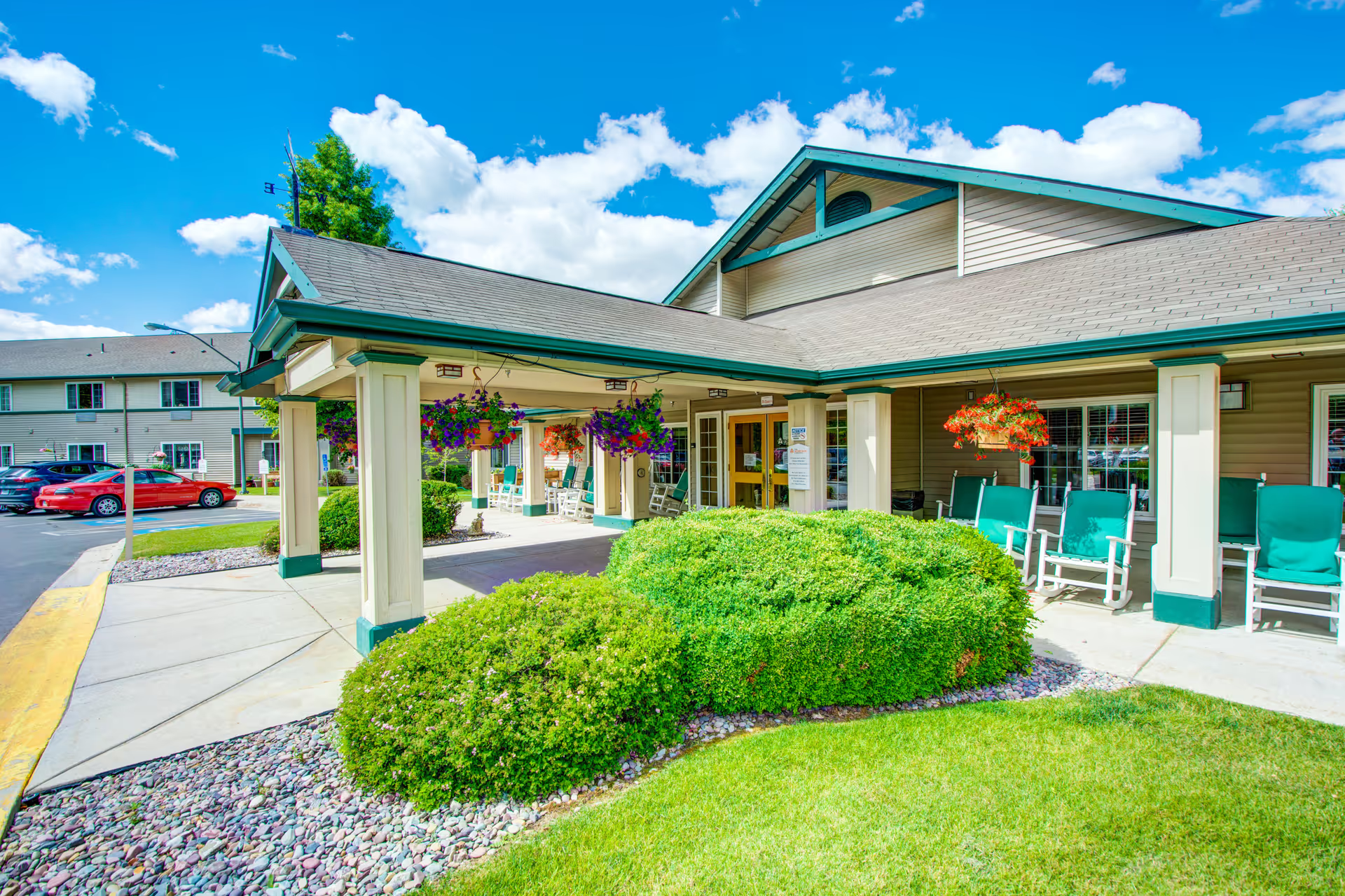
Immanuel Living elicits strongly mixed impressions. Several comments emphasize the facility's physical strengths — recently renovated buildings, an expanded campus, attractive common areas, and an active social calendar — alongside praise for admissions and marketing staff who provide informative tours. Many families and visitors also compliment the dining presentation and certain direct-care employees, describing a warm resident community and robust programming.
At the same time, a recurrent pattern of operational concerns appears across accounts. The most consistent themes are problems with communication and responsiveness: family members describe difficulty reaching staff, callbacks not being returned, and limited after-hours availability. These communication shortfalls intersect with reports of inconsistent staff professionalism and behavior, which some families found concerning enough to question accountability processes.
Clinical-care themes are also present. Several summaries raise issues related to medication administration and clinical oversight, including missed or changed medications and consequent clinical escalation in at least one account. Relatedly, reviewers described understaffing — particularly in the memory-care unit — and cited this as a factor in safety and fall-prevention process gaps. These patterns suggest prospective families should inquire specifically about staffing ratios, medication-administration protocols, and fall-prevention procedures.
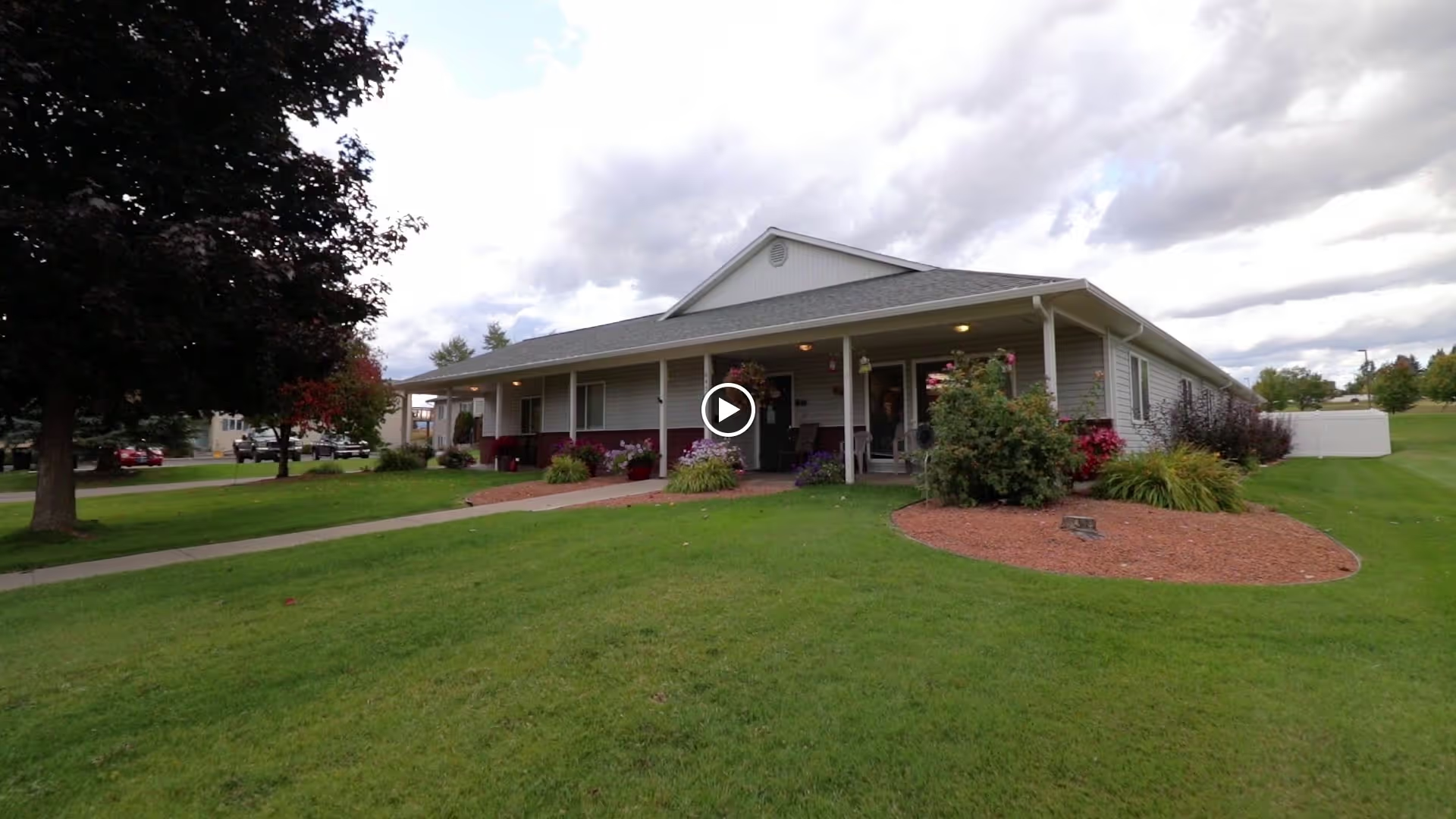
Dining and activities receive generally positive comments: food quality and presentation are highlighted as strengths, and programming is described as active and engaging. However, there are also notes about inconsistent accommodation of texture-modified diets and occasional disagreement about meal preparation choices. Facilities and atmosphere are repeatedly framed as assets — the campus and interiors are described as well-maintained and welcoming.
Management and financial transparency are areas of concern for some families. Comments point to perceived weaknesses in leadership accountability and questions about value relative to cost; there are also at least one or two serious financial-handling allegations that prospective families may wish to clarify directly with management. Taken together, these items suggest variability in operational consistency rather than a uniformly poor or uniformly excellent operation.
For prospective residents and family decision-makers: the facility demonstrates clear strengths in physical environment, social programming, and dining, with several staff members and teams receiving praise. At the same time, recurring themes around communication, medication and clinical oversight, staffing in memory care, and management accountability warrant direct, specific questions during a tour. Suggested topics to address with leadership include on-call and after-hours responsiveness, documented staffing ratios for the unit of interest, medication-administration protocols and error reporting, dietary accommodation processes, and written financial policies and billing practices.