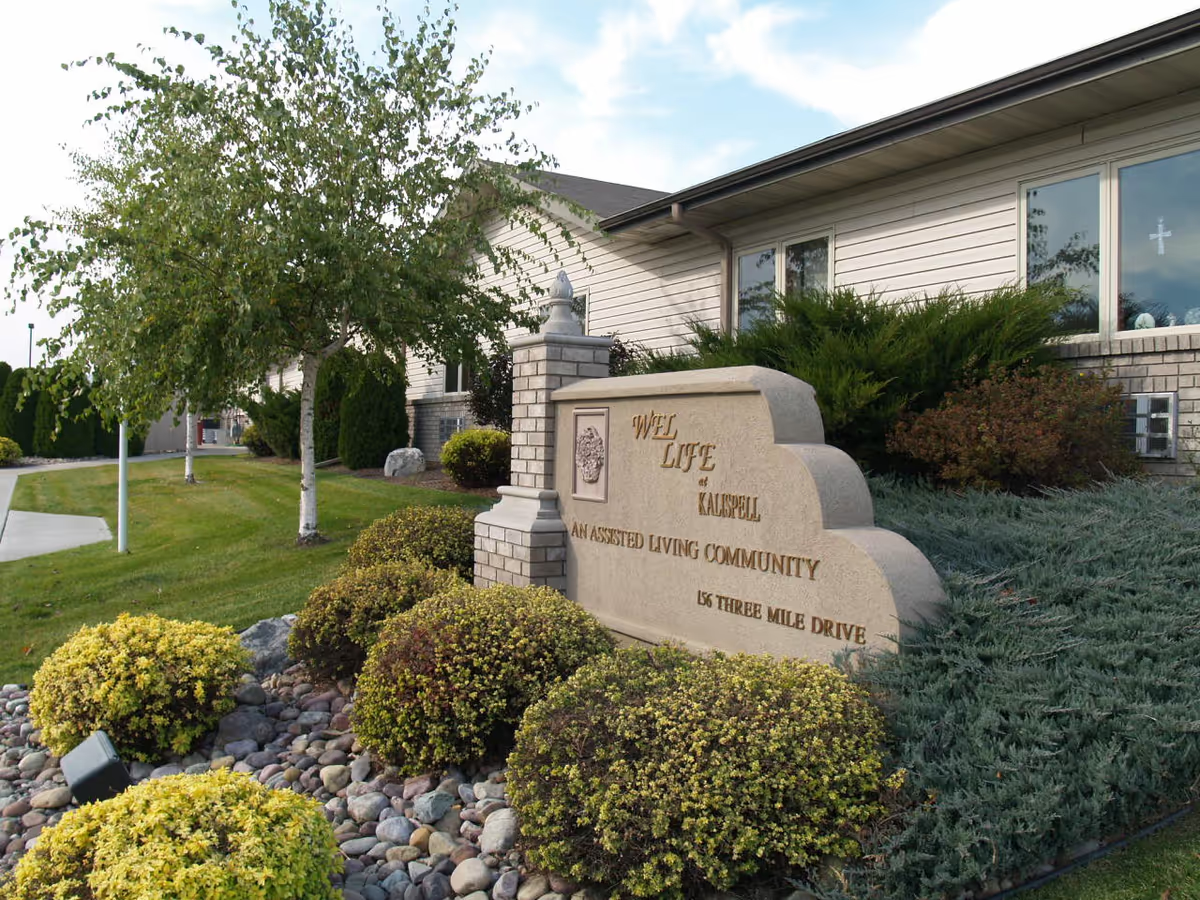
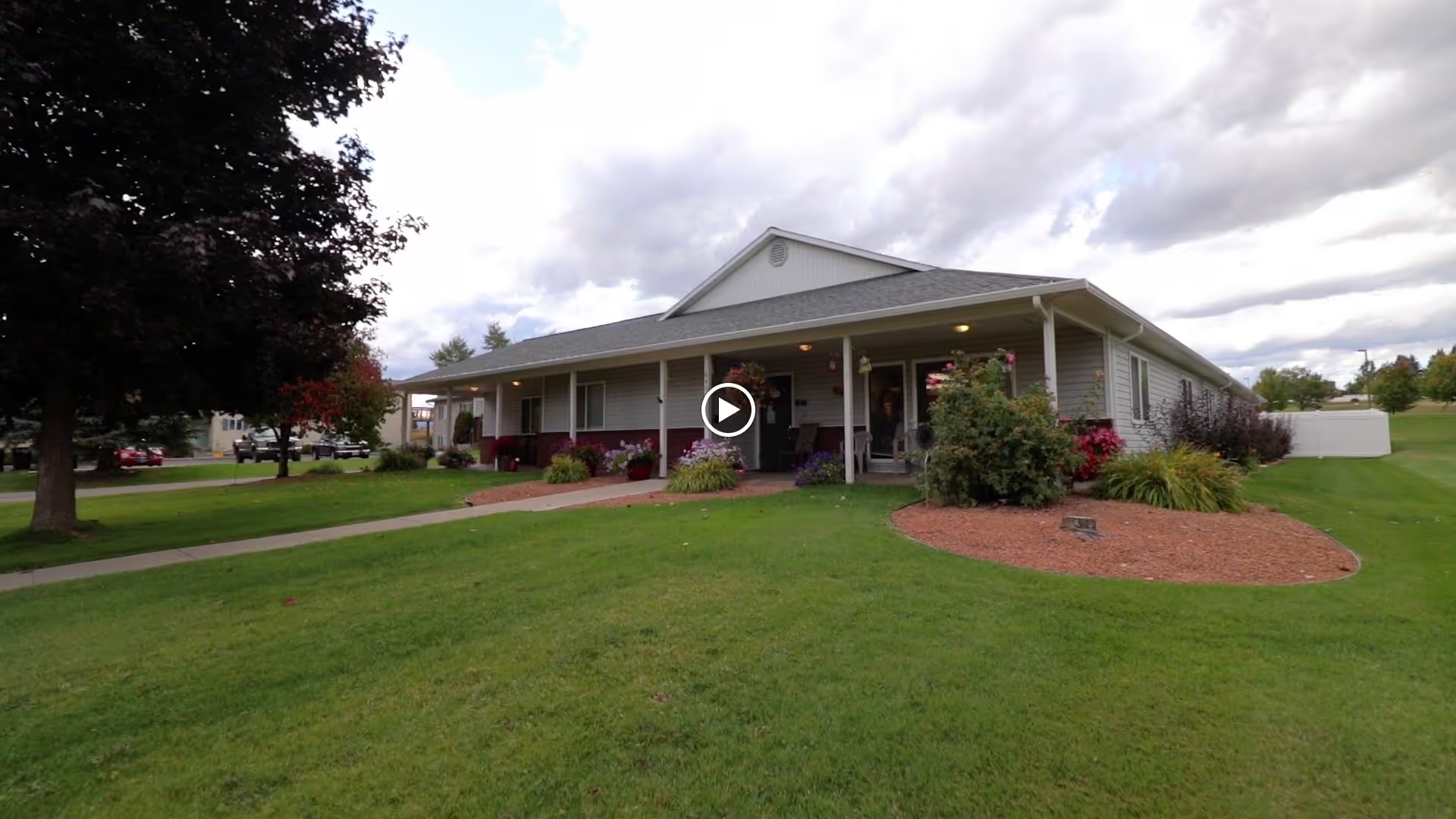
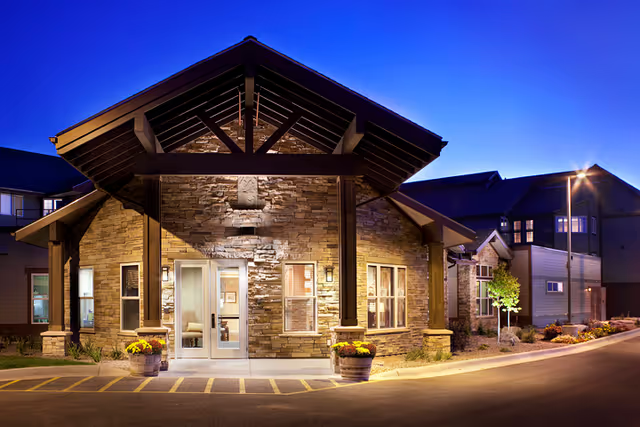
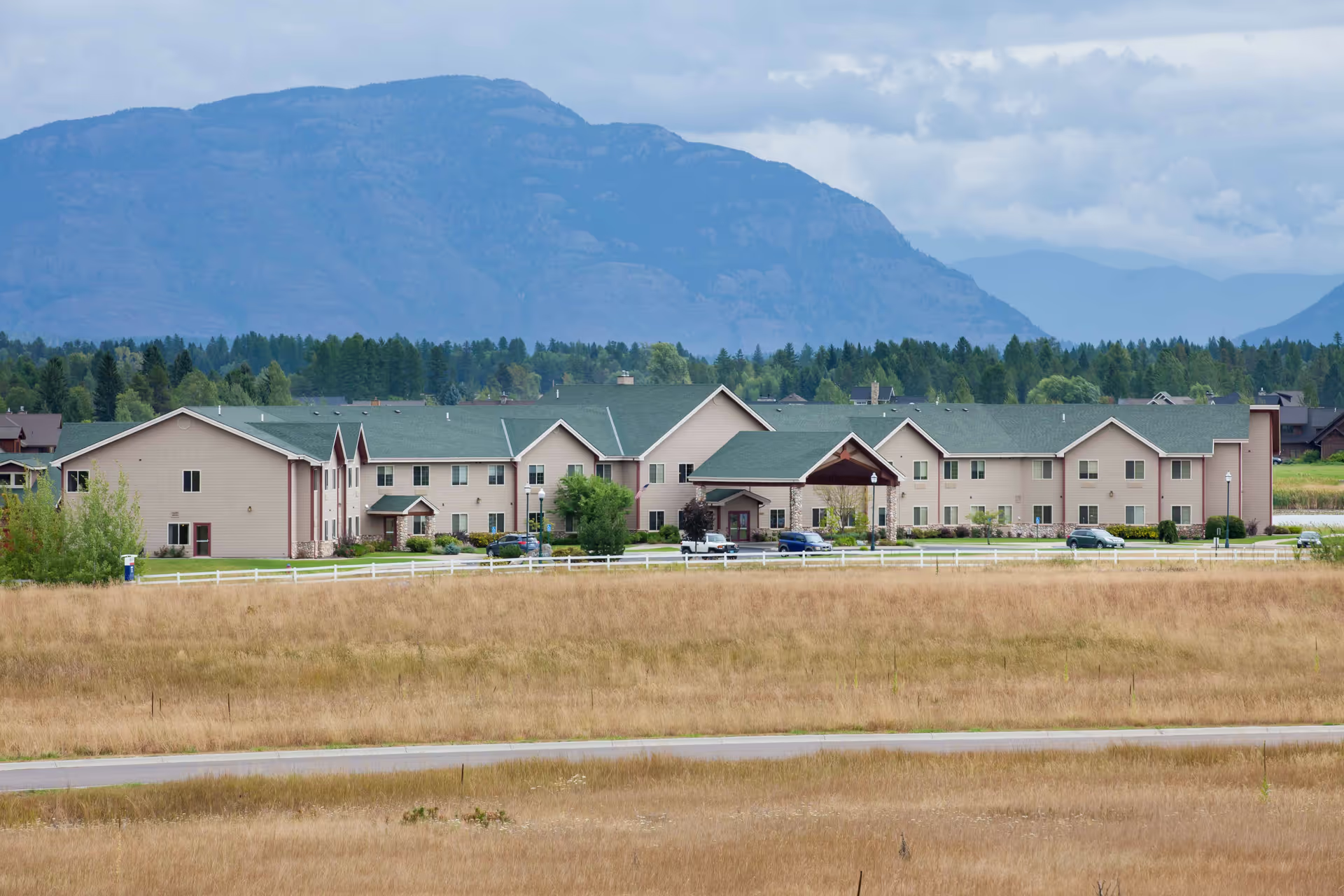
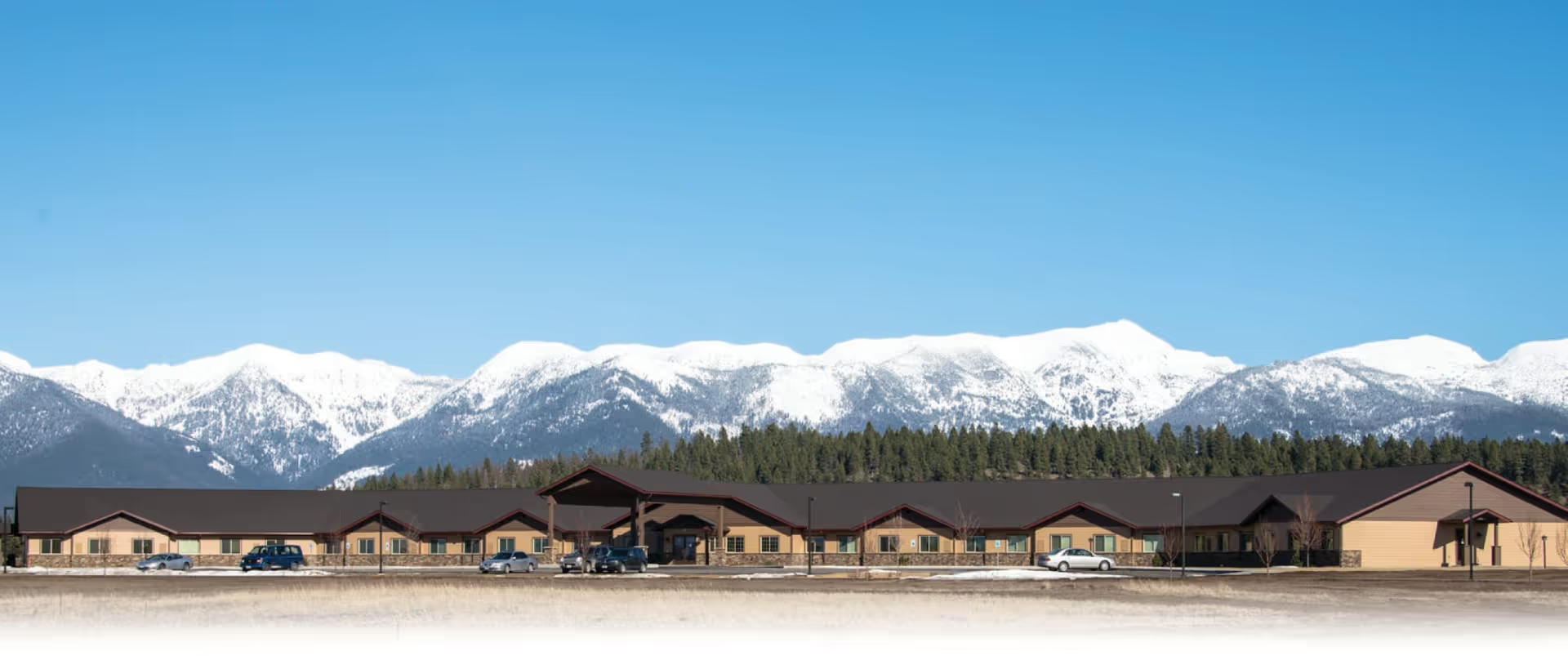
Overall impression: Reviewers portray Kalispell Assisted Living as a facility with many operational strengths and some recurring operational weaknesses. Positive commentary centers on direct care and the physical environment: families frequently described staff as compassionate, engaging, and attentive, and many noted a welcoming administrative team and a family-like atmosphere. The building and apartments are commonly described as clean, bright, and well maintained, with private kitchens and bathrooms in units and pleasant communal spaces such as an attractive dining room, salon, and courtyard.
Care quality and staff: The facility receives repeated praise for the quality of hands-on caregiving—staff are described as remembering residents' names, providing individualized attention, and offering emotional support through end-of-life transitions. That said, reviewers also describe variability in staff conduct and training, and there are recurring notes about understaffing leading to delayed services at times. These mixed accounts suggest consistent strengths in caregiver empathy, paired with occasional operational gaps in staffing levels and staff training consistency.
Dining and activities: Dining is generally seen as a strength: the facility serves three meals daily in a well-appointed dining room, and many families complimented the food and communal mealtime experience. A few reviewers noted declining food quality or large portion sizes and occasional service delays, indicating some inconsistency in kitchen execution. Activity programming receives positive mentions for social events, celebrations, and daily activities that encourage resident engagement; however, some families felt programming was limited in scope (bingo, crafts, movies) and that the community’s smaller size constrains activity variety.
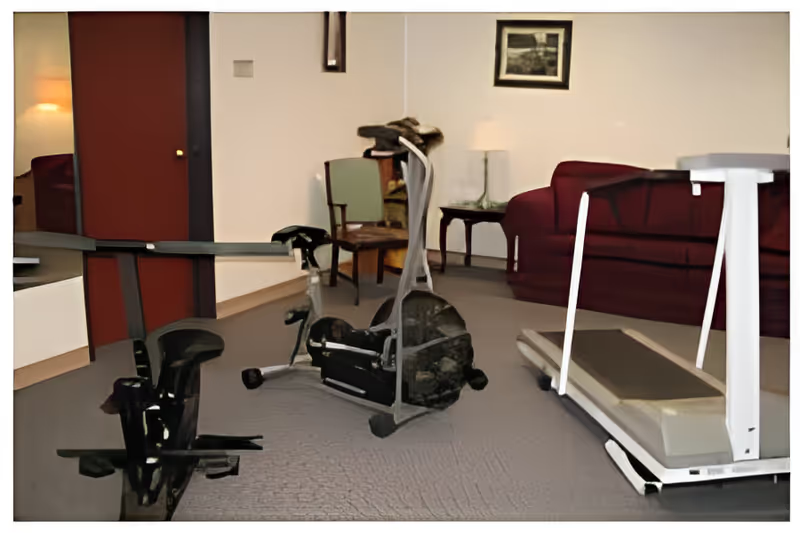
Facilities and suitability: The physical plant is described as clean, bright, and comfortable, with a home-like atmosphere and seasonal decorations enhancing communal spaces. Apartments with private kitchens and bathrooms and on-site amenities were highlighted as benefits. Multiple reviewers cautioned that the community may not be well suited for residents with more advanced memory-care needs: staff and layout appear aligned more closely with assisted-living requirements than specialized dementia care, and some noted confusion around memory-care placement.
Management, administration, and patterns of concern: The dominant operational concerns involve administrative coordination and billing. Several families described difficulties with billing, charges for services that were unclear, and delays resolving statements—creating a perception of inconsistent administrative processes. There are also specific, serious concerns about medication-order handling and occasional misplaced change orders; these comments point to gaps in medication-management workflows that merit administrative attention. Infection-control policies during COVID prompted mixed responses: while entry screening and safety measures reassured many, others described restrictive lockdown practices and inconsistent visitation flexibility. A few reviewers expressed a perception that financial considerations influence operational decisions.
Bottom line: Kalispell Assisted Living is frequently recommended by families for its compassionate staff, clean accommodations, strong dining environment, and active social life. Prospective residents and families should weigh these strengths against operational issues that have recurred in reviews—particularly administrative/billing coordination, occasional understaffing, medication-order workflows, and the community’s limited suitability for advanced memory care. Those considering the facility should ask targeted questions about staffing ratios, medication protocols, billing practices, and how the community accommodates residents with memory-impairment needs to determine fit for an individual’s requirements.