The reviews reflect a facility with a mixed performance profile: several reviewers describe compassionate, skilled direct-care staff and effective rehabilitation services, while others identify persistent operational weaknesses that affect day‑to‑day resident experience. Strengths that recur across feedback include personable CNAs and nurses, therapists who provide meaningful recovery support (notably post‑stroke care), and an overall welcoming atmosphere in some units and common areas.
Care quality appears inconsistent. Positive accounts describe attentive, respectful interactions and effective therapy; negative accounts emphasize delayed responses to needs, missed or late medications, and uneven hygiene assistance. There are recurring references to long call‑light response times, medication-timing problems, and gaps in bathing and linen-change routines. Together these suggest variability in hands‑on care depending on shift coverage and individual staff workload.
Staffing and staff conduct are central themes. Reviewers praise many individual caregivers for compassion and competence, but also indicate staffing shortages, poor shift cohesion, and instances of conduct that raised concern for family members. Several comments point to staff distraction related to personal device use and inconsistent handoffs between shifts. There is at least one mention of an alleged violent staff incident and multiple accounts of families filing complaints with state regulators, indicating that some serious events have prompted external reporting.
Dining and therapy delivery are also uneven. Some families say therapy teams were knowledgeable and helped residents progress; others describe cancelled or ineffective therapy sessions. Meal service complaints include meals not being delivered unless a family member was present and menu choices that felt inappropriate for elderly or recovering residents, indicating inconsistent meal continuity and dietary suitability.
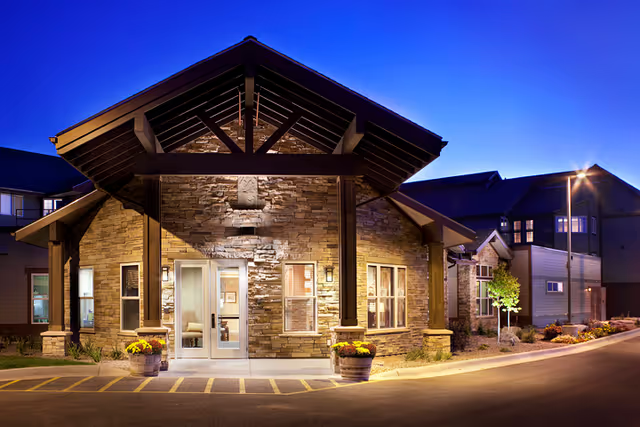
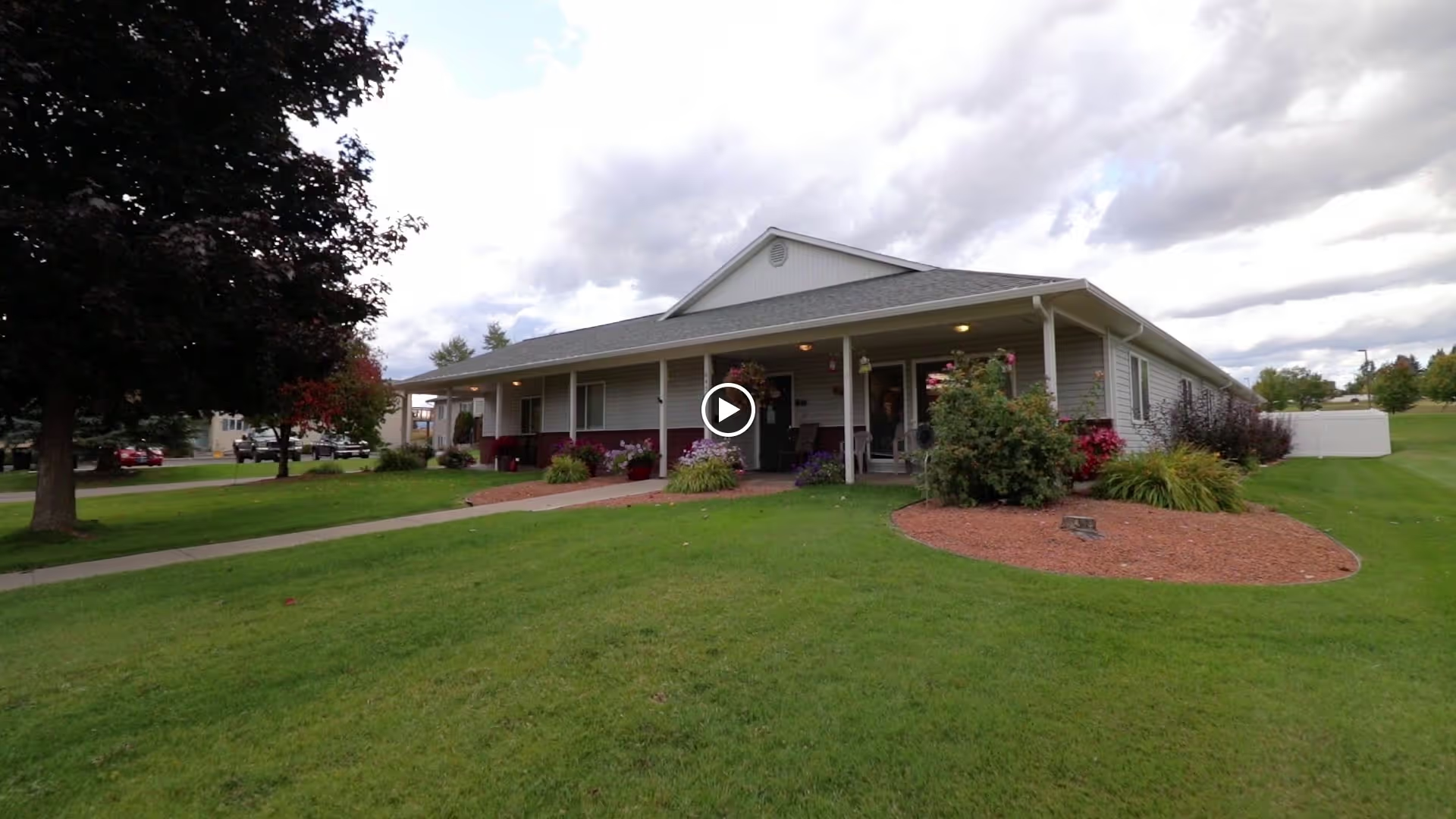
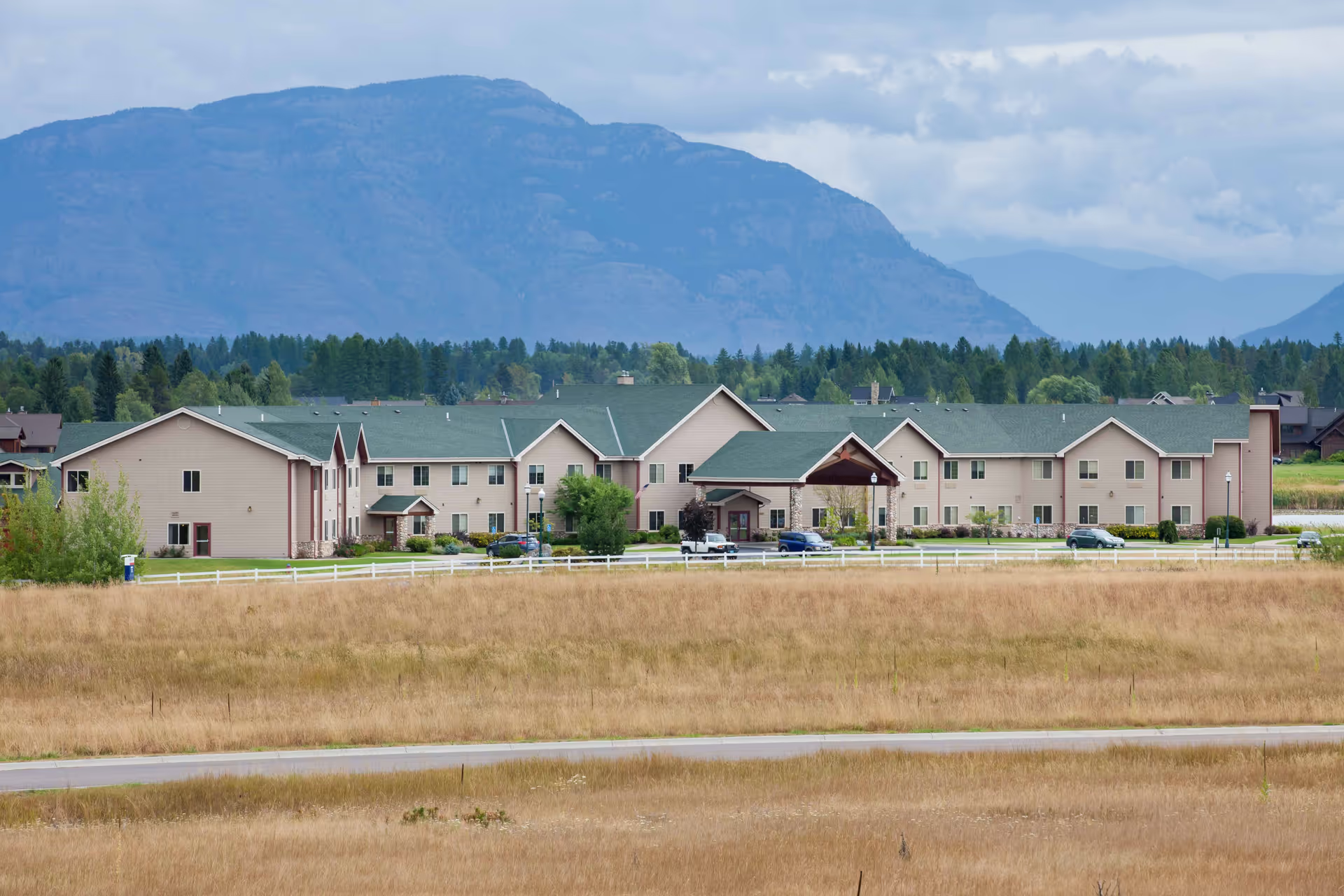
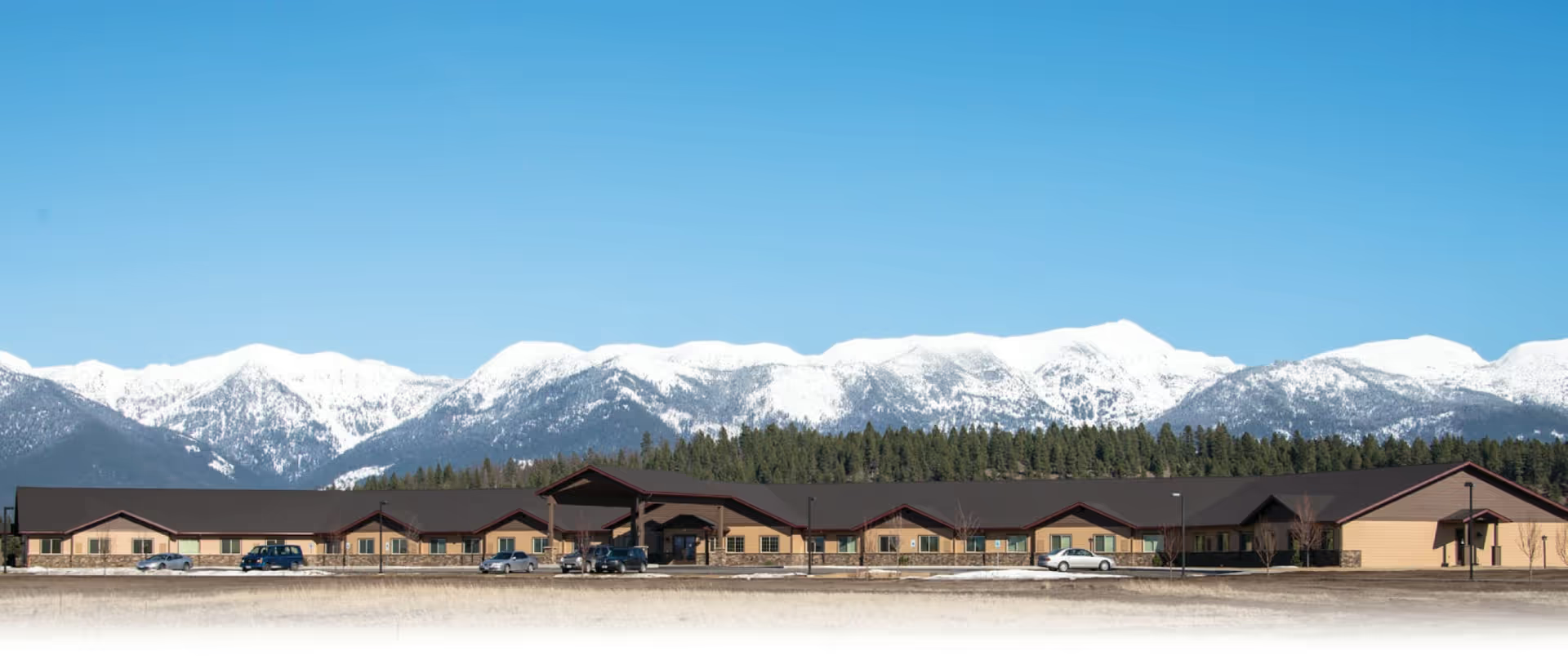
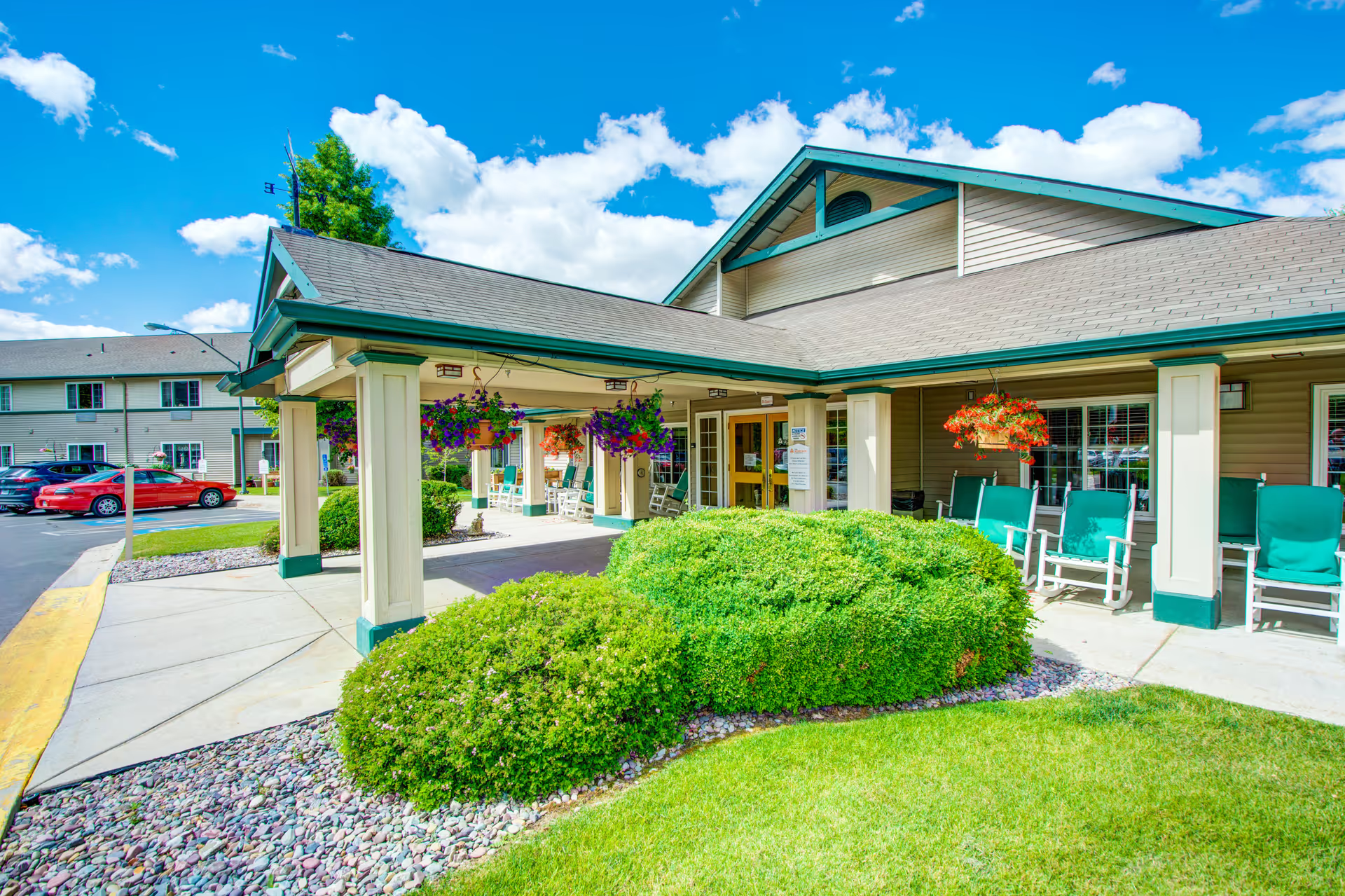
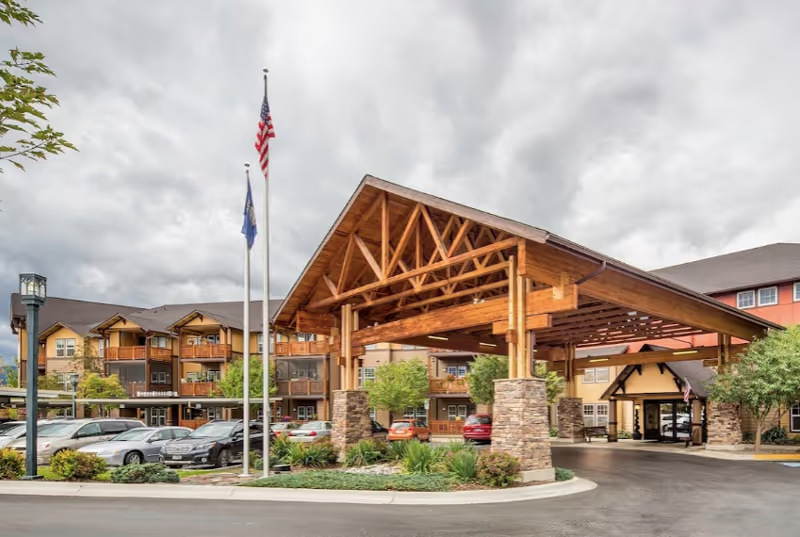
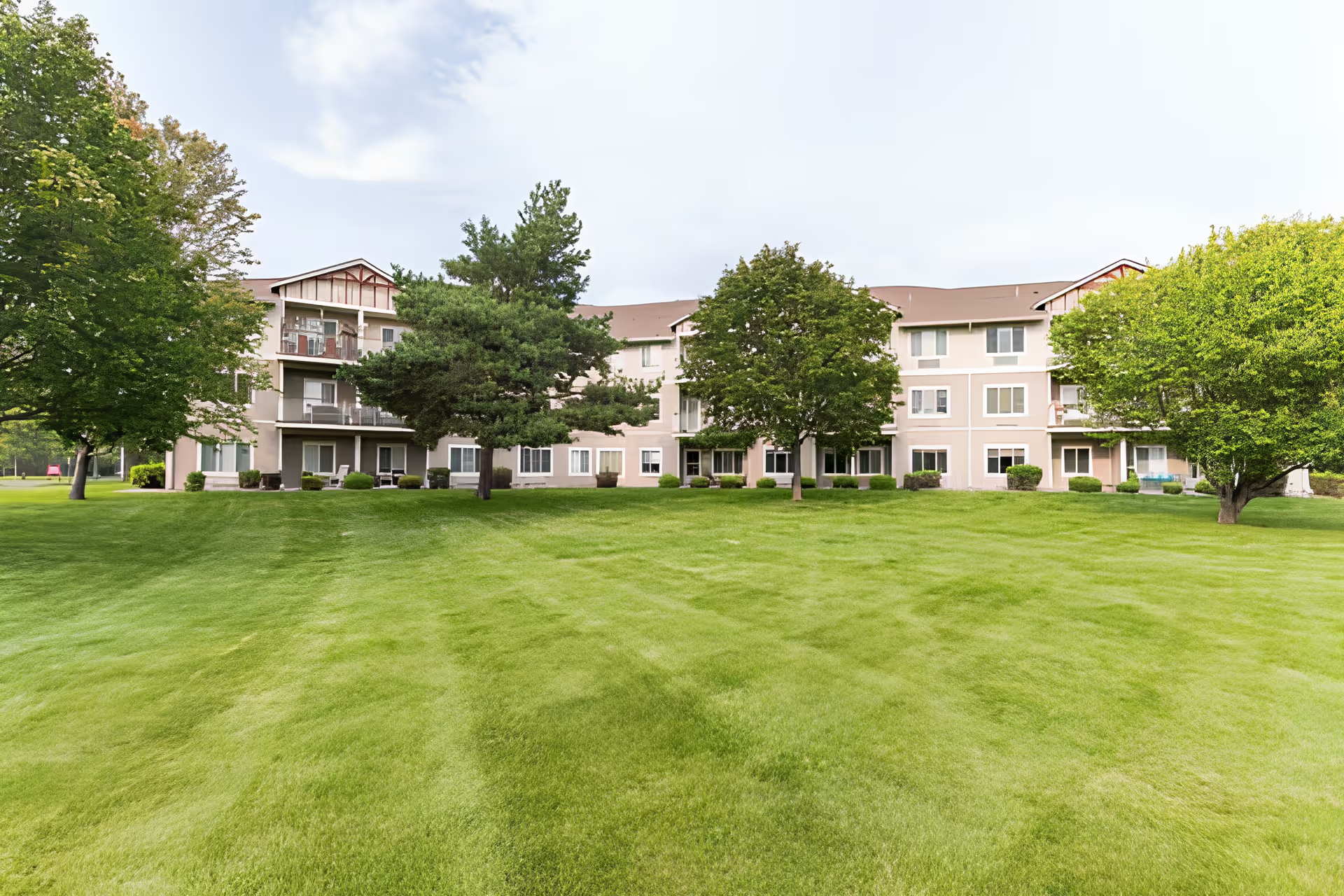
Facility condition reports are mixed: a number of reviewers note well‑kept public spaces and polite staff, while others raise sanitation concerns in resident rooms and guest restrooms and inconsistent linen changes. These divergent impressions point to variability between units or shifts in environmental maintenance and housekeeping practices.
Management and communication are recurring concerns. Families describe limited or delayed communication from administration and clinical leads, inconsistent follow‑up on questions, and restrictive policies that require physician permission for resident movement or have limited visitation flexibility. Such governance and policy issues, combined with the operational weaknesses noted above, contribute to family frustration and perceptions of inadequate oversight.
Overall, prospective residents and families should weigh the clear strengths in individual caregiver skill and some effective therapy programs against reported inconsistencies in staffing, responsiveness, sanitation practices, medication management, and family communication. Visiting the unit at different times, speaking directly with therapy and nursing supervisors about protocols for medication administration, hygiene schedules, dining continuity, and family communication, and asking about recent regulatory actions or complaint resolutions would help clarify whether the facility's strengths align with an individual resident's needs.