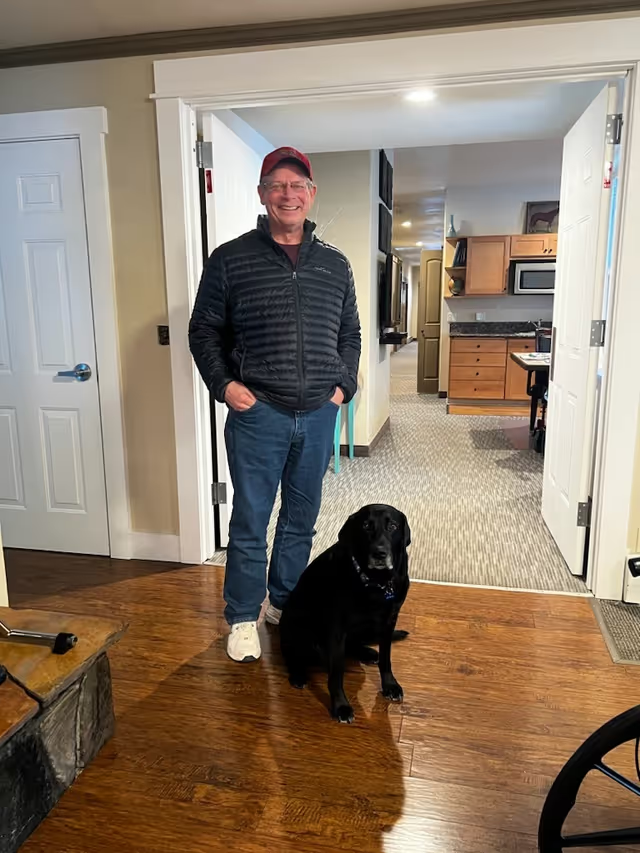
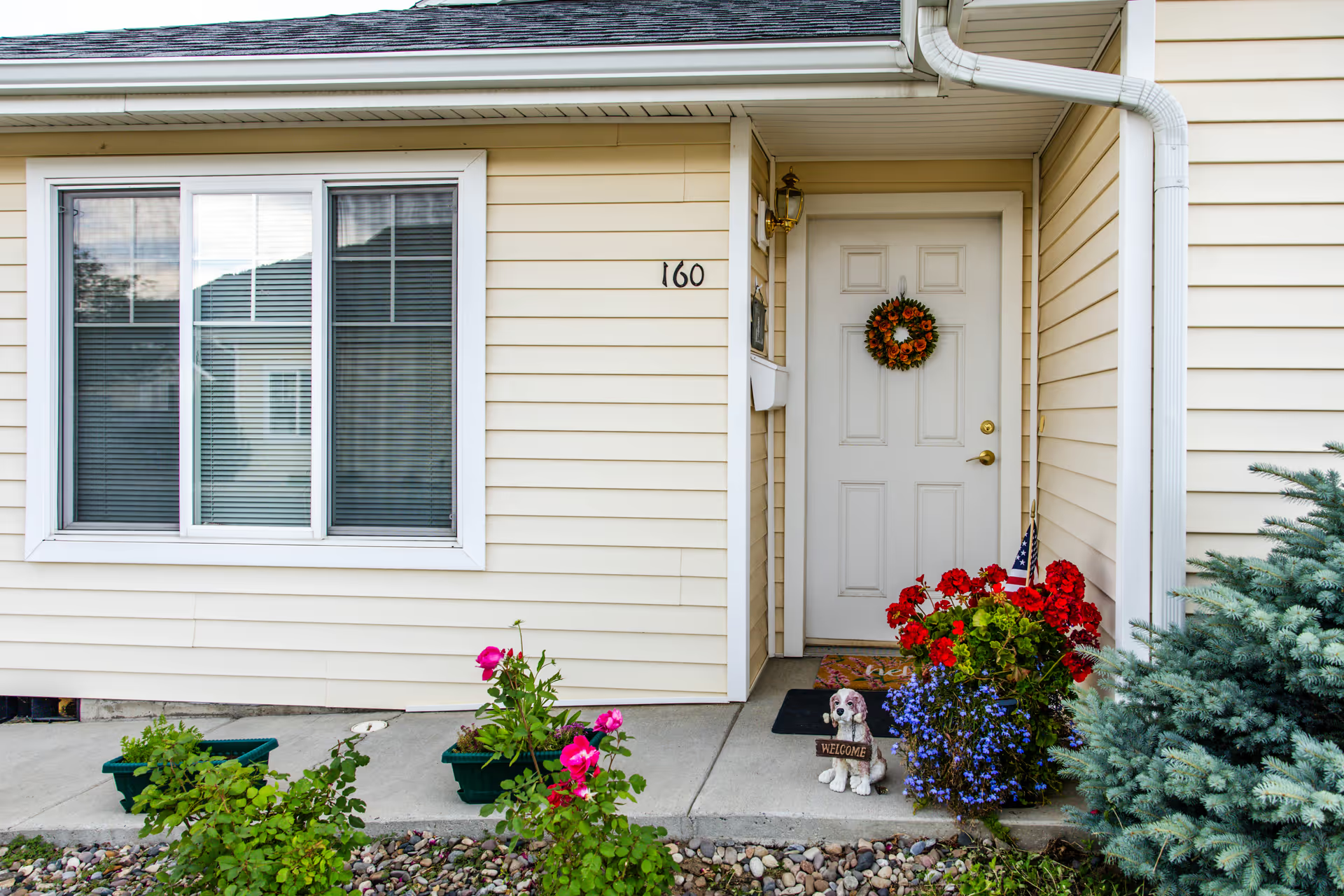
Overall impression: Pathways Assisted Living is described predominantly as a small, family-style facility where residents receive individualized, compassionate care. Reviewers emphasize a warm, homelike environment, close social bonds among residents, and staff who are personally engaged with residents. The setting is frequently characterized as welcoming, with many families noting that newcomers settled in smoothly and felt at home.
Care and staff: The strongest and most consistent theme is the quality of direct caregiving. Staff are described as kind, caring, and compassionate, with an emphasis on one-on-one attention and respect for individual needs. Families highlight engaged staff who participate in daily life with residents and facilitate friendships and community connection. This suggests strength in person-centered care, especially in transitions and in smaller caseloads where staff can focus on individual residents.
Management and communication: While owner interaction and hands-on management receive positive mentions, there are contrasting accounts about communication and responsiveness. Some families experienced limited or no response to inquiries and expressed disappointment with follow-through. There are also concerns about how referrals and external coordination are handled. These indicate institutional-level gaps in family communication protocols and referral-management processes that prospective families should clarify prior to placement.
Dining, activities, and facilities: Reviews focus primarily on interpersonal care and provide little specific information about dining quality, activity programming, or physical plant condition. The small, family-oriented nature of the home implies more intimate social activities and individualized attention, but prospective families should request menus, activity schedules, and tour the facility to evaluate amenities and daily routines.
Notable patterns and recommendations: The dominant pattern is positive — individualized, affectionate care in a close-knit setting — tempered by isolated but meaningful concerns about communication and referral coordination. Prospective residents and families may benefit from asking about formal communication channels (how updates are shared, response-time expectations), the referral and intake process (who coordinates outside services), staffing levels during shifts, and emergency/ escalation procedures. A visit and direct conversations with management can help confirm the consistent application of the individualized care that many reviewers describe.