The reviews for Life Care Center of Elkhorn present a mixed but consistent pattern: many families and residents strongly praise the therapy teams, social work support, and numerous individual caregivers, while recurring operational weaknesses have materially affected resident experience and safety for others.
Care quality is described in two contrasting veins. On the positive side, physical and occupational therapy are frequently identified as strengths: therapists are characterized as skilled, motivating, and effective at restoring mobility and preparing residents to return home. Social work and discharge planning also receive consistent commendation for facilitating transitions and addressing insurance or home-therapy needs. Conversely, multiple accounts point to systemic issues that undermine day-to-day care. Chronic understaffing, heavy use of temporary staff, and high turnover are repeatedly linked to long delays in assistance, inconsistent toileting and bathing schedules, and sporadic medication administration. There are also numerous references to medication-timing problems and gaps in pharmacy coordination, which family members found concerning.
Dining and nutrition responses are similarly mixed. Many reviewers describe varied, appealing menu options, dietary accommodations (including gluten-free choices), private dining opportunities, and helpful dining staff. At the same time, other families reported inconsistent meal quality, cold or incomplete meal delivery, and lapses in adherence to physician-specified diets. These tensions suggest the kitchen and dining service can perform well but have lapses when staffing or coordination are strained.
Activity and therapy programming is a relative strength when staffing allows. Rehabilitation-focused programming, frequent therapist-led sessions, and social dining opportunities were credited with improved independence and morale. Several reviewers noted that activity staffing and program availability decreased during infection-control periods or when staffing levels were limited, leading to less engagement for residents with cognitive needs.
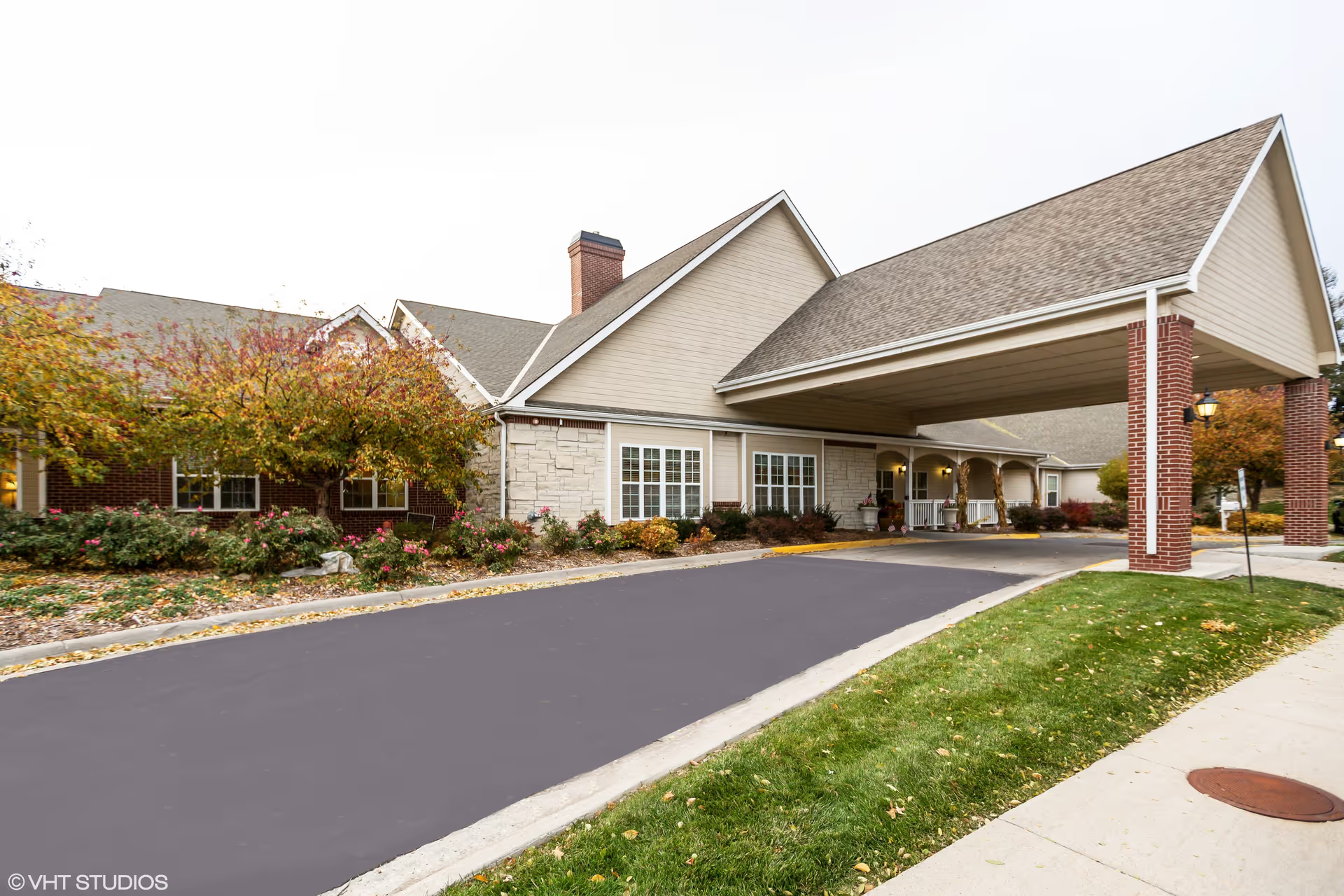
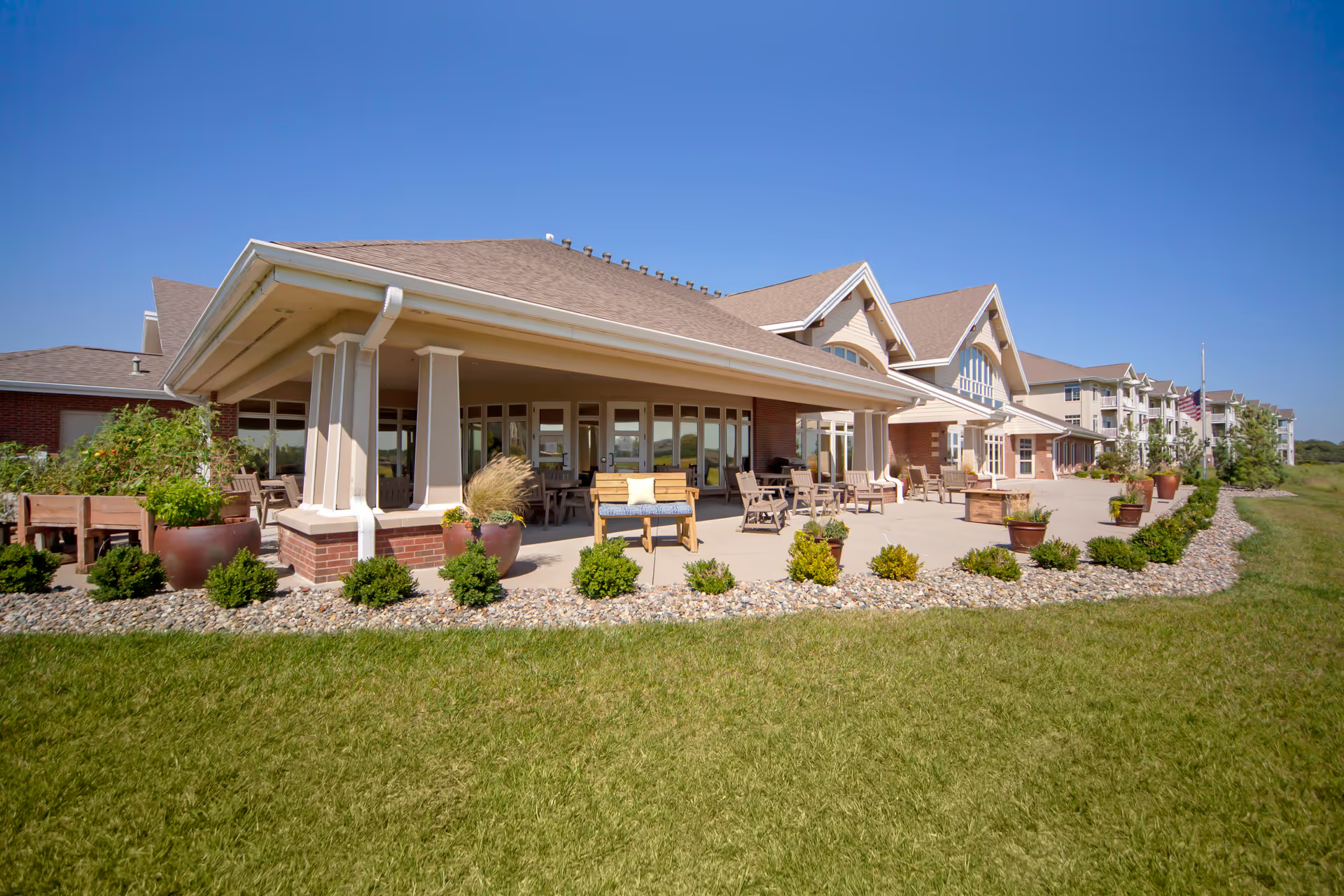
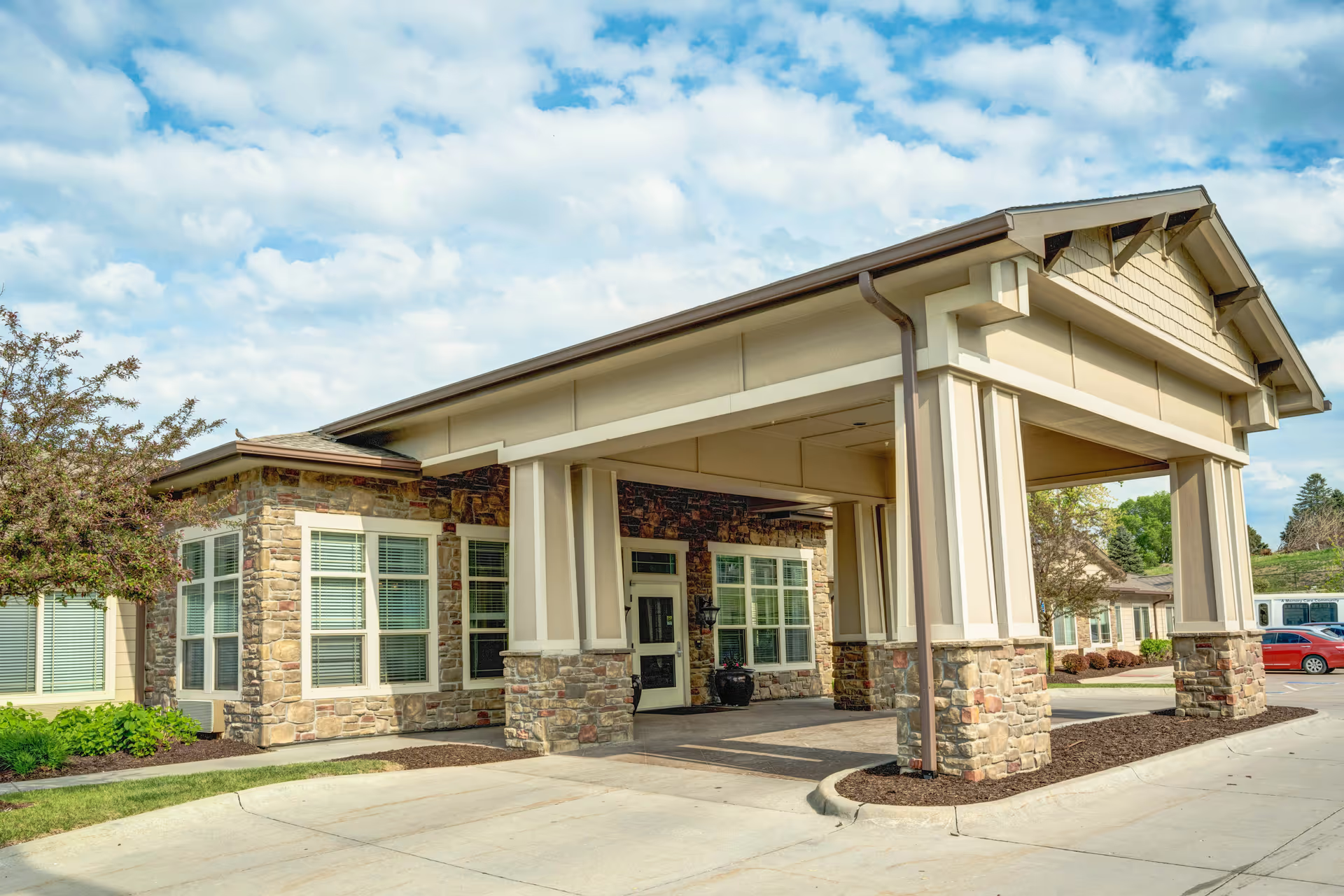
Facility condition feedback is varied. Many visitors found common areas clean, the environment calm, and maintenance adequate; others reported sanitation concerns, localized pest-control issues, and dated furnishings in some units. These mixed reports point to uneven standards of environmental upkeep across the building or over time.
Management and communication emerge as recurring themes in the negative feedback. Families cited weak cross-shift communication, limited electronic information access, and inconsistent updates to relatives. Billing and administrative transparency issues, occasional coordination failures around appointments and transport, and property-handling problems (including allegations of missing belongings and theft) also appear in multiple accounts. While some administrative staff and social-work leaders receive positive mention for responsiveness, other reviews describe a lack of visible leadership or effective problem resolution.
Notable patterns for prospective residents and families: the center demonstrates strong rehabilitation capacity and several committed, compassionate caregivers, making it a potentially good option for short-term rehab or therapy-focused stays. However, the facility also shows recurring operational vulnerabilities — especially staffing instability, call-response delays, medication coordination weaknesses, and uneven cleanliness/property management — that may affect long-term skilled- or memory-care residents. Recommended due diligence before admission includes observing staffing levels on the intended unit, asking about medication-administration protocols and pharmacy coordination, clarifying meal and diet procedures, inquiring about property-security practices, and reviewing how cross-shift communication and family notification are handled.