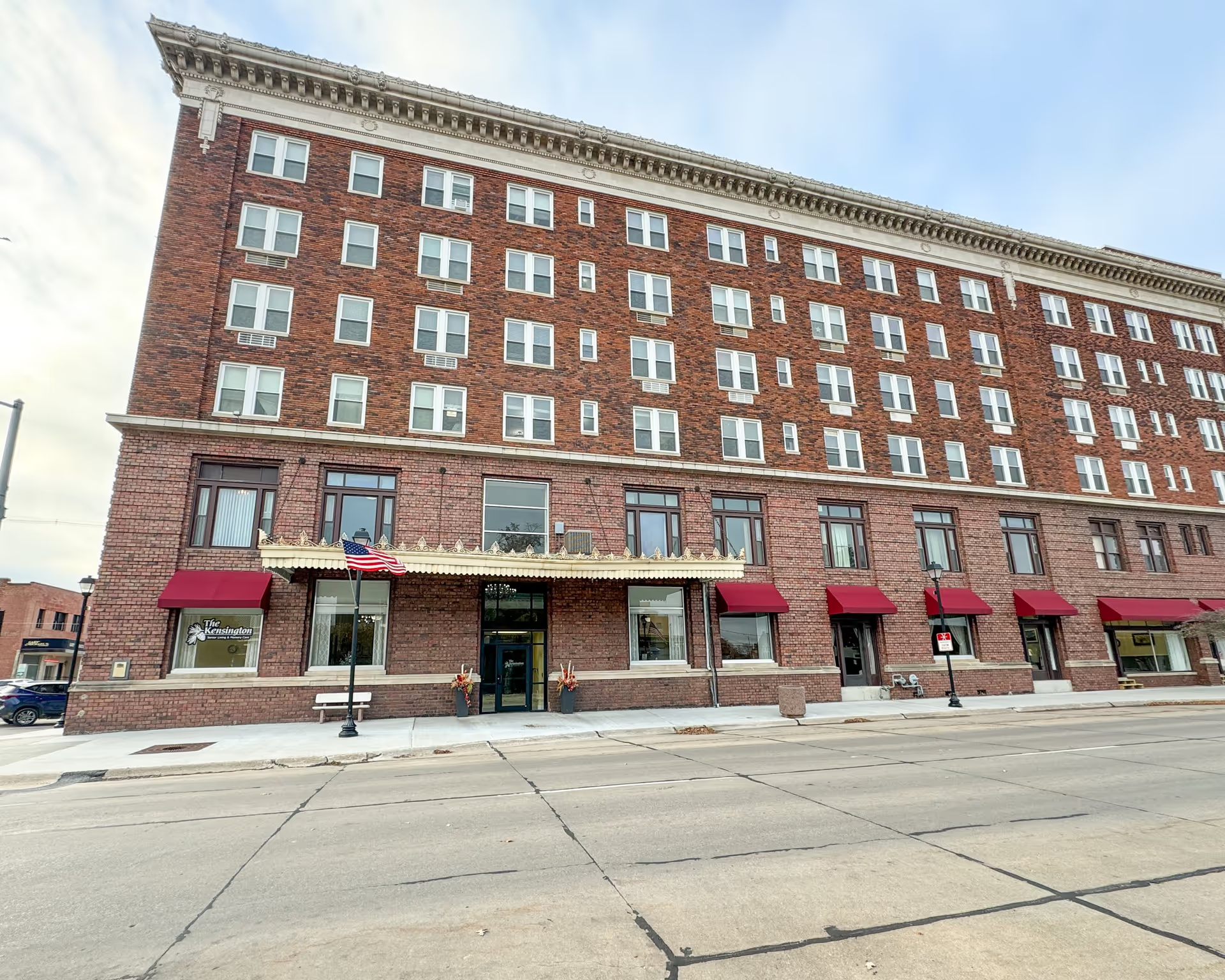
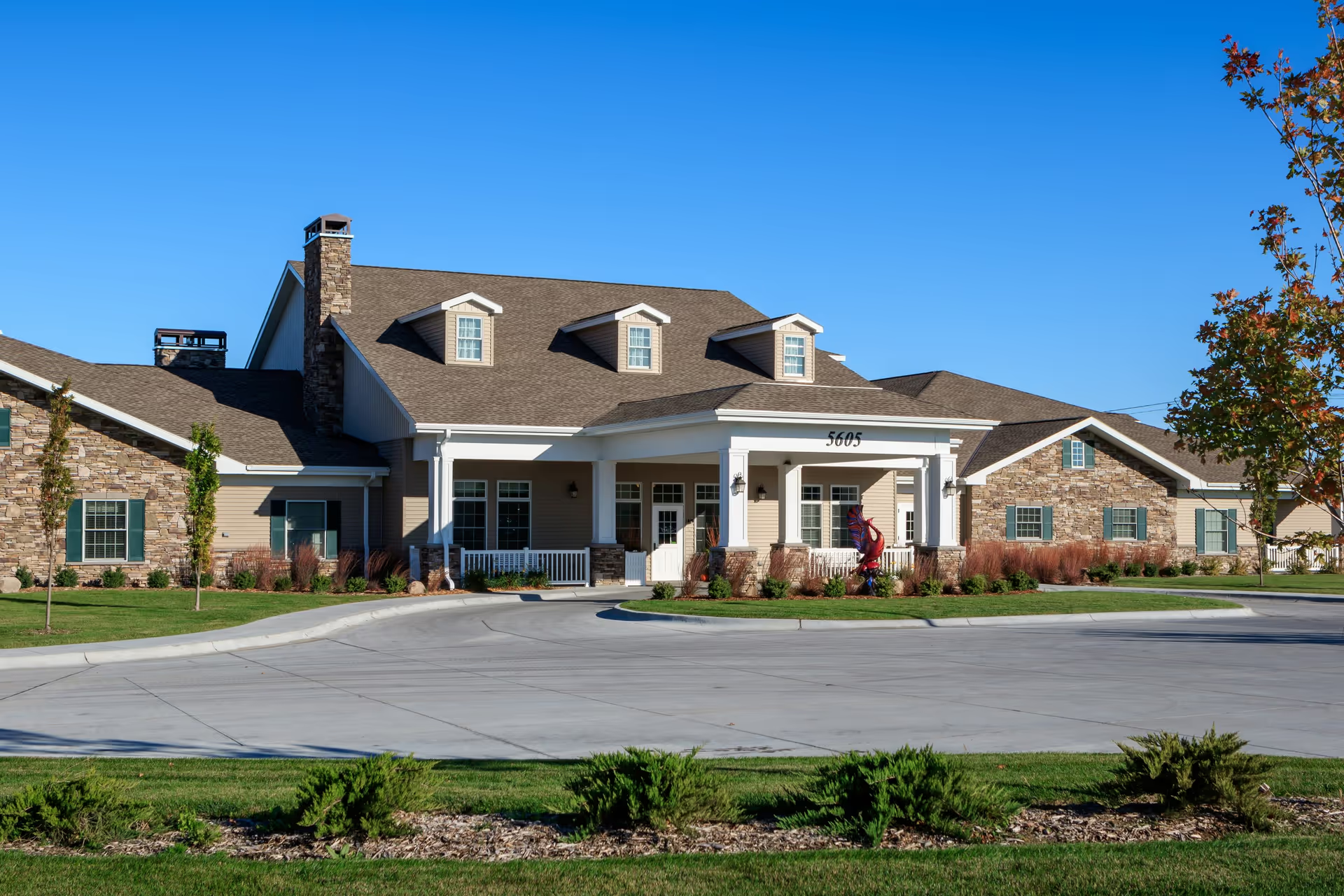
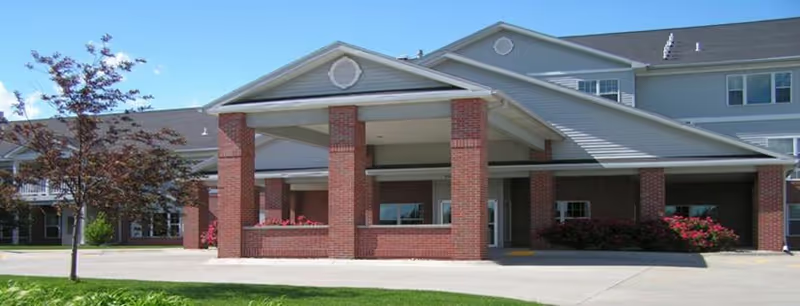
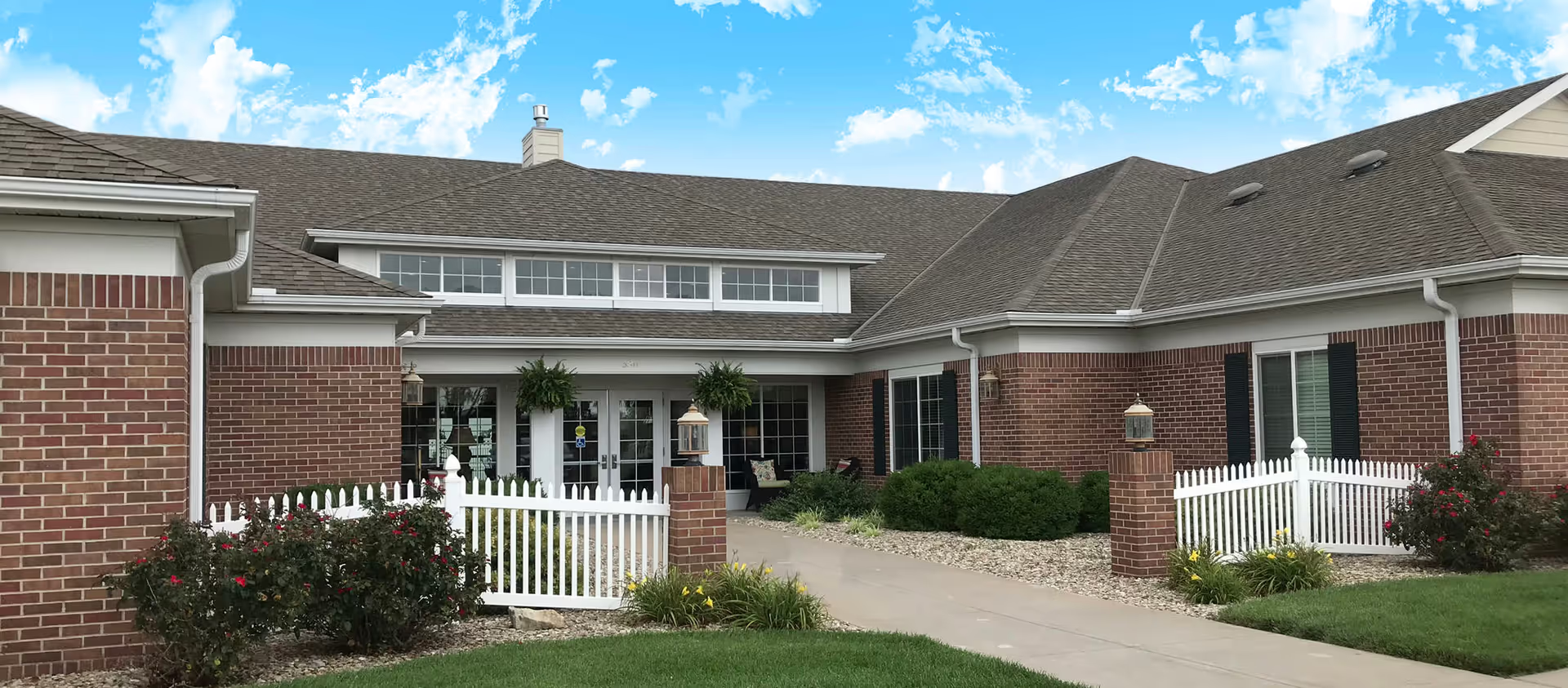
Overall sentiment across the provided review summaries for Homestead Assisted Living of Hastings is strongly positive. Multiple reviewers highlight the staff as a primary strength: they are described as wonderful, caring, kind to family members, and helpful. This positive depiction of staff behavior appears consistently in contexts ranging from day-to-day support to sensitive moments, such as end-of-life care, indicating reliability and emotional support from caregivers. The phrase "excellent care in last days" underscores that staff not only manage routine needs but also provide dignified, compassionate attention during critical times.
Family inclusion and communication are repeated themes. Reviews mention good communication with families and active support for family interactions — examples include help with special get-togethers, permitting drop-in visits, and flexible seating at the table so families can dine together. These details point to a family-centered approach where visitation and shared moments are facilitated rather than restricted, which reviewers explicitly appreciated. Several comments note that staff were "very kind to family," which reinforces the impression that family members feel respected and supported by the facility team.
Operationally, the facility is portrayed as responsive and facilitative during transitions. One reviewer described receiving admission assistance after their previous residence closed, leaving a positive impression of the facility's ability to manage unexpected transitions. The combination of helpful admissions, good communication, and visible kindness suggests competent management and front-line staff who prioritize resident and family needs during stressful moments.
The reviews also highlight personalized touches and resident-centered accommodations. Examples include allowing a resident to care for outside flowers and bird feeders and providing "extras," which suggests staff permit and encourage resident hobbies and preferences. Flexible seating for family meals and support for special gatherings further indicate an environment that values personalization and social connection, not just clinical care tasks.
There are no explicit negative comments or concerns in the supplied summaries. That said, the reviews are narrow in scope and focus heavily on staff behavior, family interactions, and a few specific accommodations. They do not provide detailed information about other aspects such as the physical condition of the building, specifics of medical or nursing services beyond end-of-life care, dining quality beyond family seating arrangements, staffing levels, costs/fees, or activity programming breadth. Because these domains are not mentioned, they cannot be assessed from the supplied summaries.
In summary, the prevailing pattern is strong satisfaction: compassionate, communicative staff; family-friendly practices; individualized allowances for residents' interests; effective support during admissions and end-of-life care; and an overall positive impression that led to long-term residency for at least one family member. The absence of negative points in these summaries is notable but should be interpreted cautiously because the reviews represent a limited sample focused on interpersonal and family-facing aspects of care rather than a comprehensive audit of all service areas.