Greene Senior Living receives predominantly positive feedback from families, residents, visitors, and outside professionals. Many describe a small, home-like community where residents are treated with warmth and dignity. Families commonly praise staff members for patience, attentiveness, and personal connection, and several say staff communicate with relatives, respond to questions, and help coordinate appointments or transitions. Some families also describe staff working to accommodate individual preferences and involving outside services when additional support is needed.
Accounts of care quality are not uniform. Positive experiences include residents becoming more active and socially engaged, staff supporting families during health changes, and relatives feeling informed and reassured. However, a few detailed accounts raise serious concerns about monitoring, timely assistance, medication administration, bathing support, and whether care matched residents’ needs. One family described a mismatch between promised support and the extensive assistance their relative required. These accounts contrast with other families’ reports of attentive care, so prospective families—particularly those considering the community for someone with advanced dementia or complex needs—should ask specifically about staffing, clinical oversight, medication procedures, monitoring, and how changes in care needs are assessed and communicated.
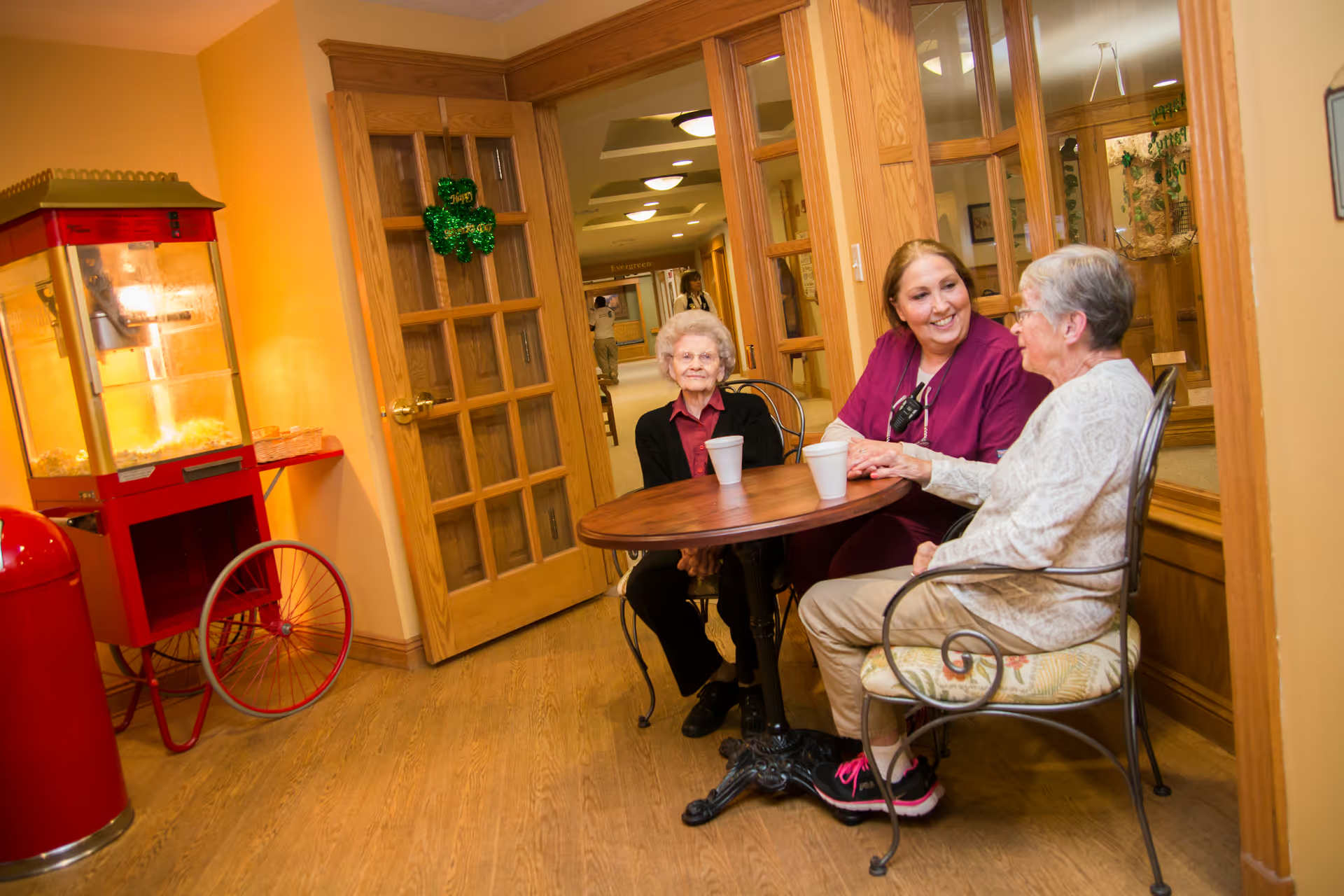
Dining feedback is mixed. Some families and residents praise the food, including recent menu improvements and particular meals, while others describe meals as inconsistent or inadequate for the cost. Activities are a consistent strength: reviewers cite games, exercise sessions, outings, entertainment, religious services, and recurring family nights. Several families say activities helped their relatives participate more and form social connections. One account notes limited exercise equipment and space for more active residents.
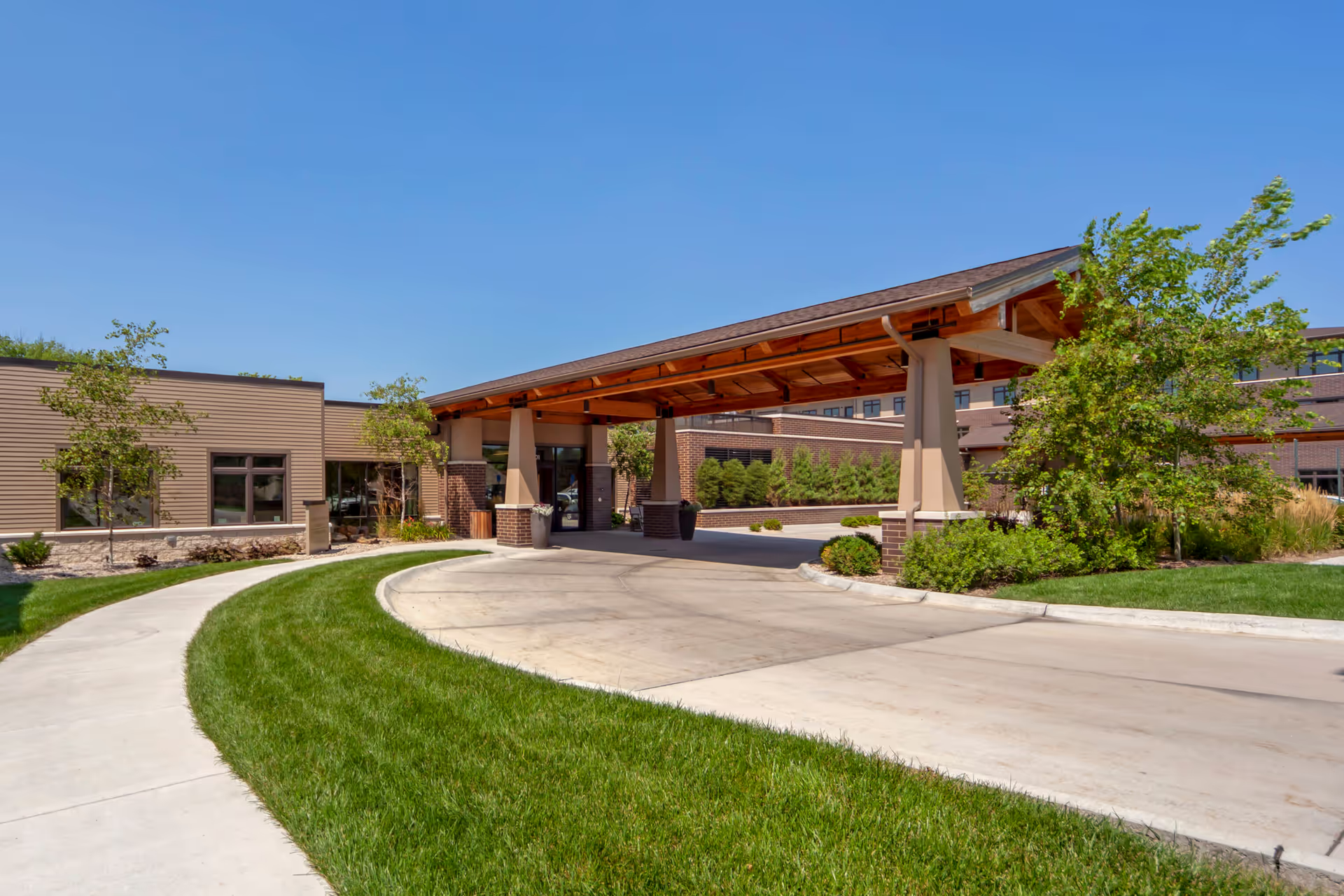
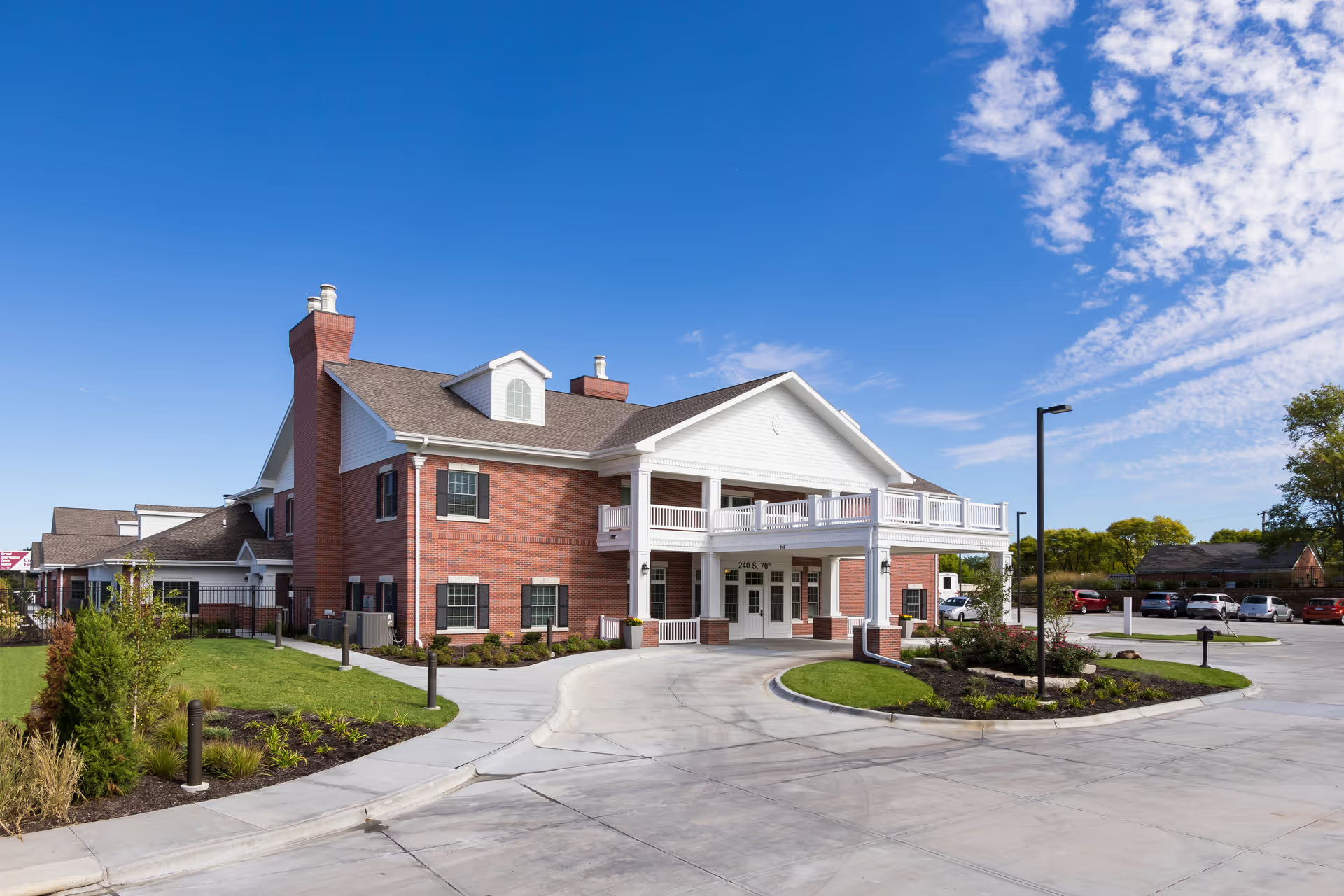
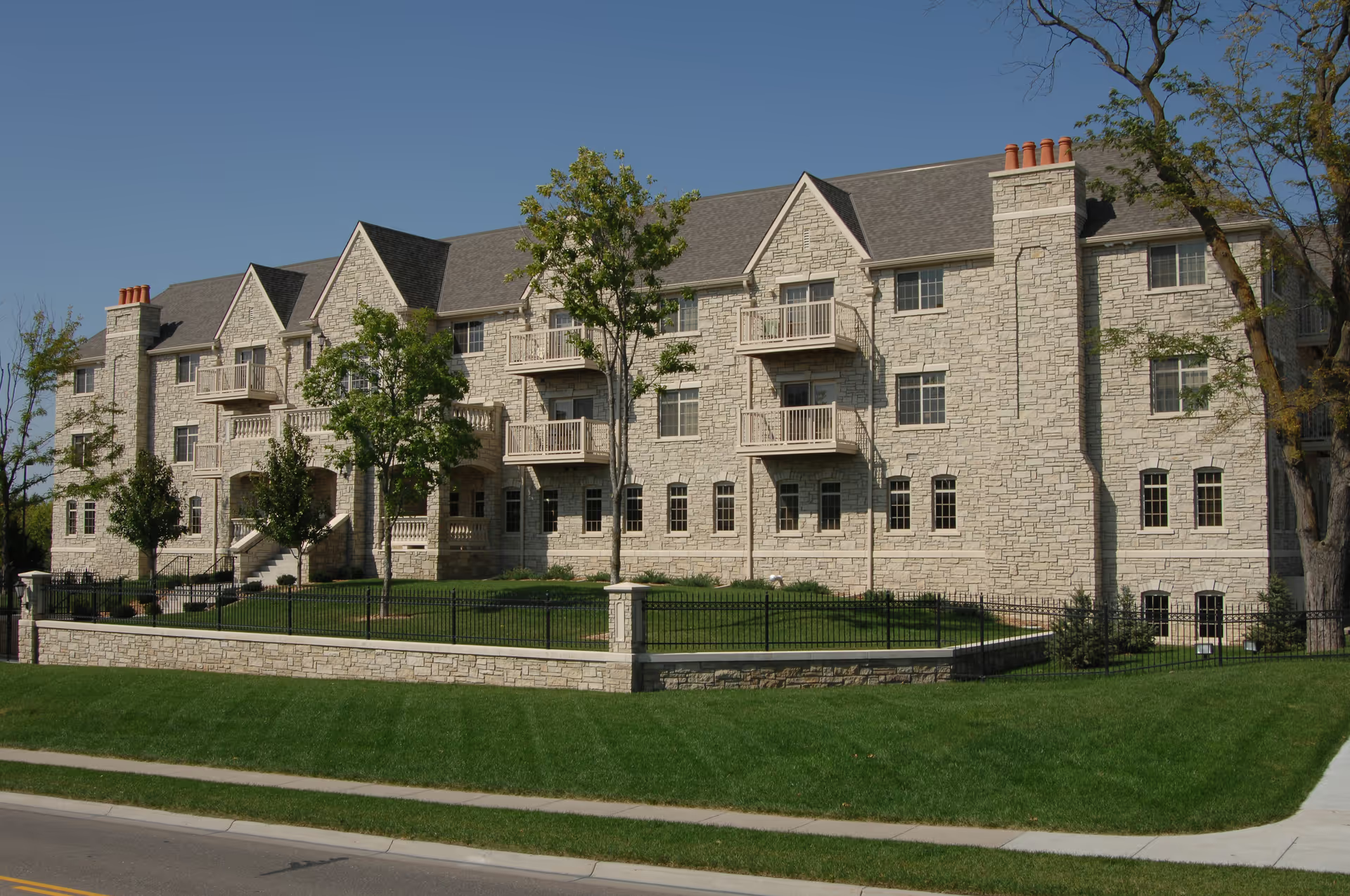
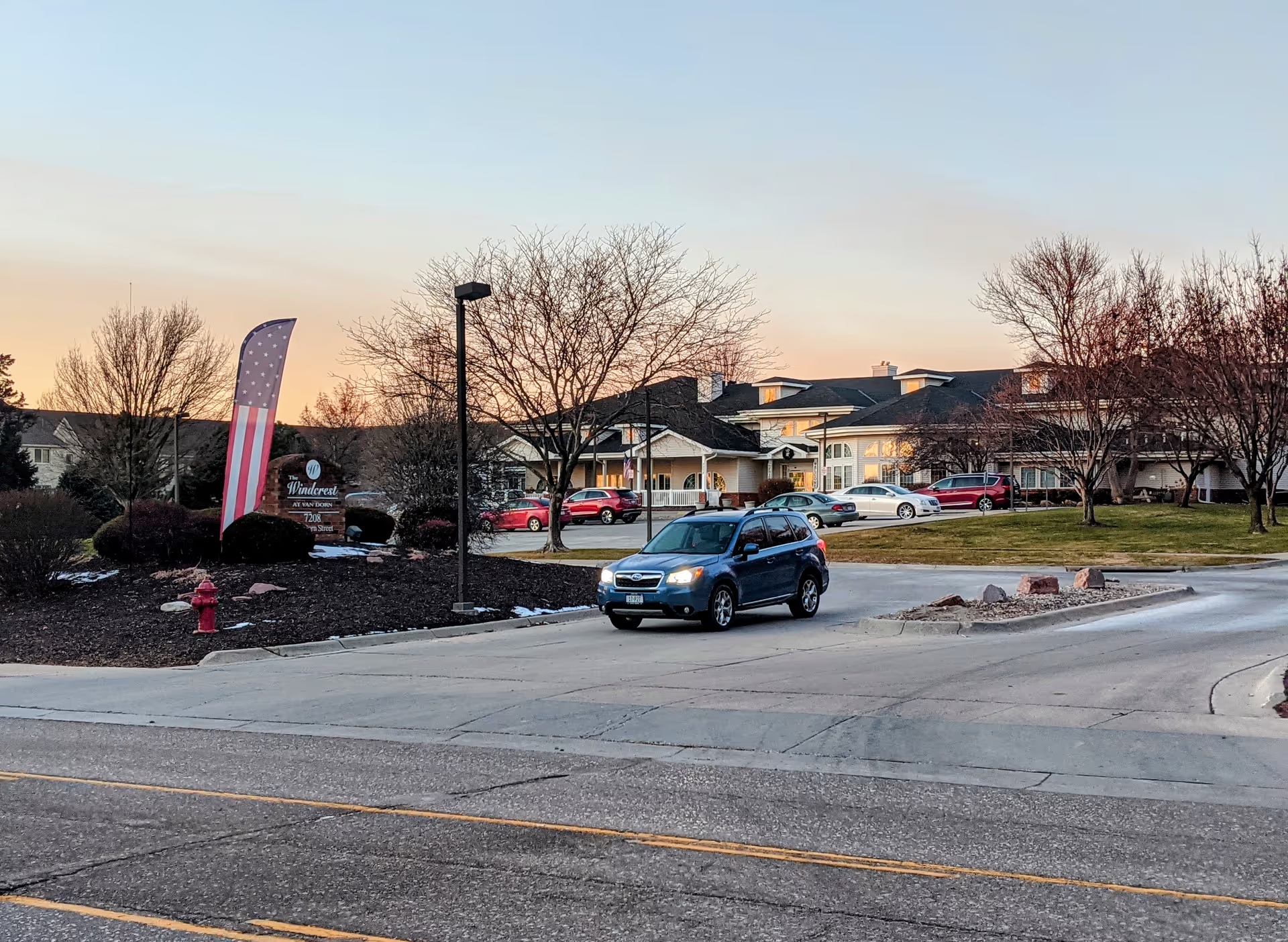
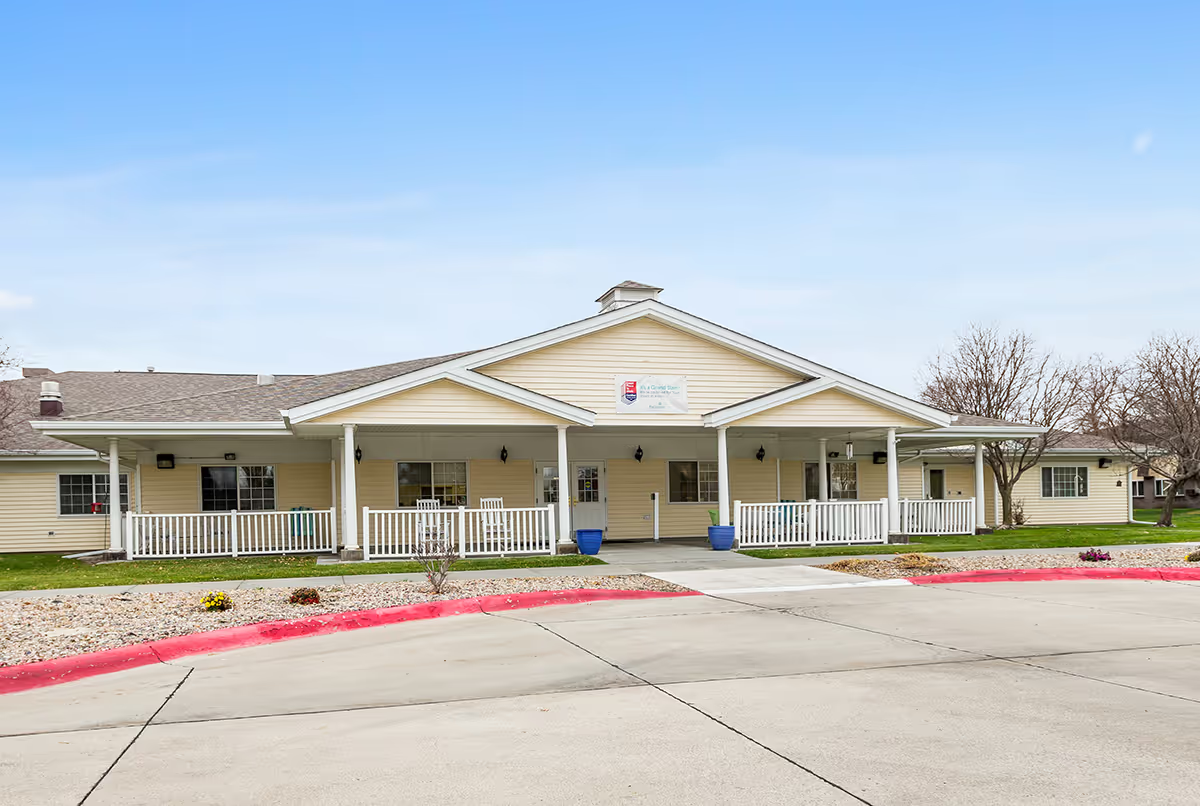
Visitors frequently describe the building as clean, welcoming, and comfortable, with a pleasant dining area and a courtyard-centered layout. Practical facility concerns include relatively small rooms, limited lighting in some rooms, and an exposed or uneven vehicle drop-off area that may be difficult in poor weather. A reviewer also found that the community’s private-pay terms and lack of a Medicaid transition option made it financially unsuitable.
Management and communication also receive both praise and criticism. Many families describe responsive, approachable leaders and helpful communication, while a few accounts cite poor complaint resolution, communication gaps with families or clinicians, and concerns about confidentiality. One reviewer also described missed notifications about scheduled events. Overall, the feedback suggests a community with substantial strengths in its personal atmosphere, staff relationships, cleanliness, and activities, alongside meaningful questions about consistency of care, dining, communication, affordability, and the fit between available services and higher-acuity needs.