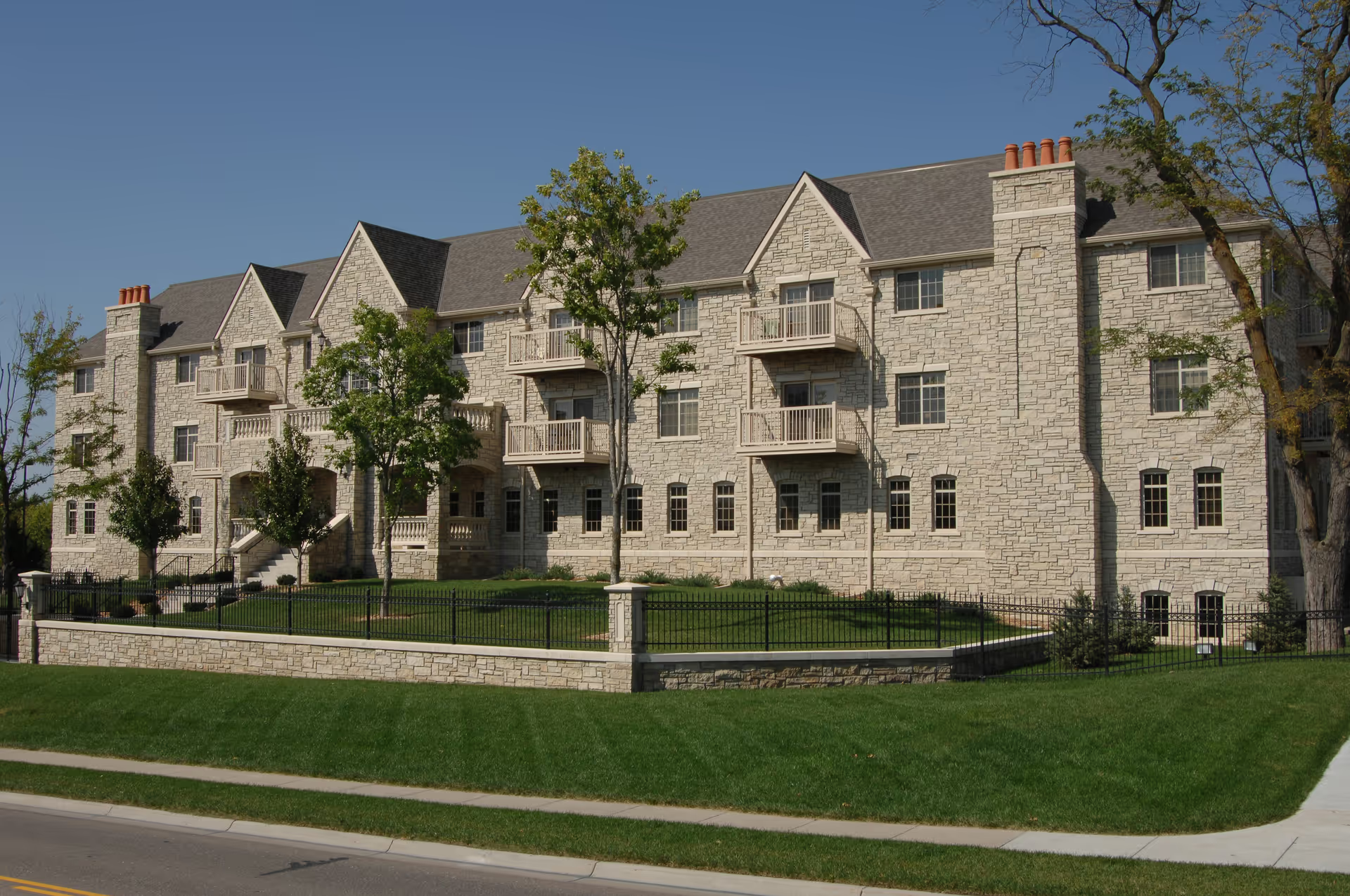
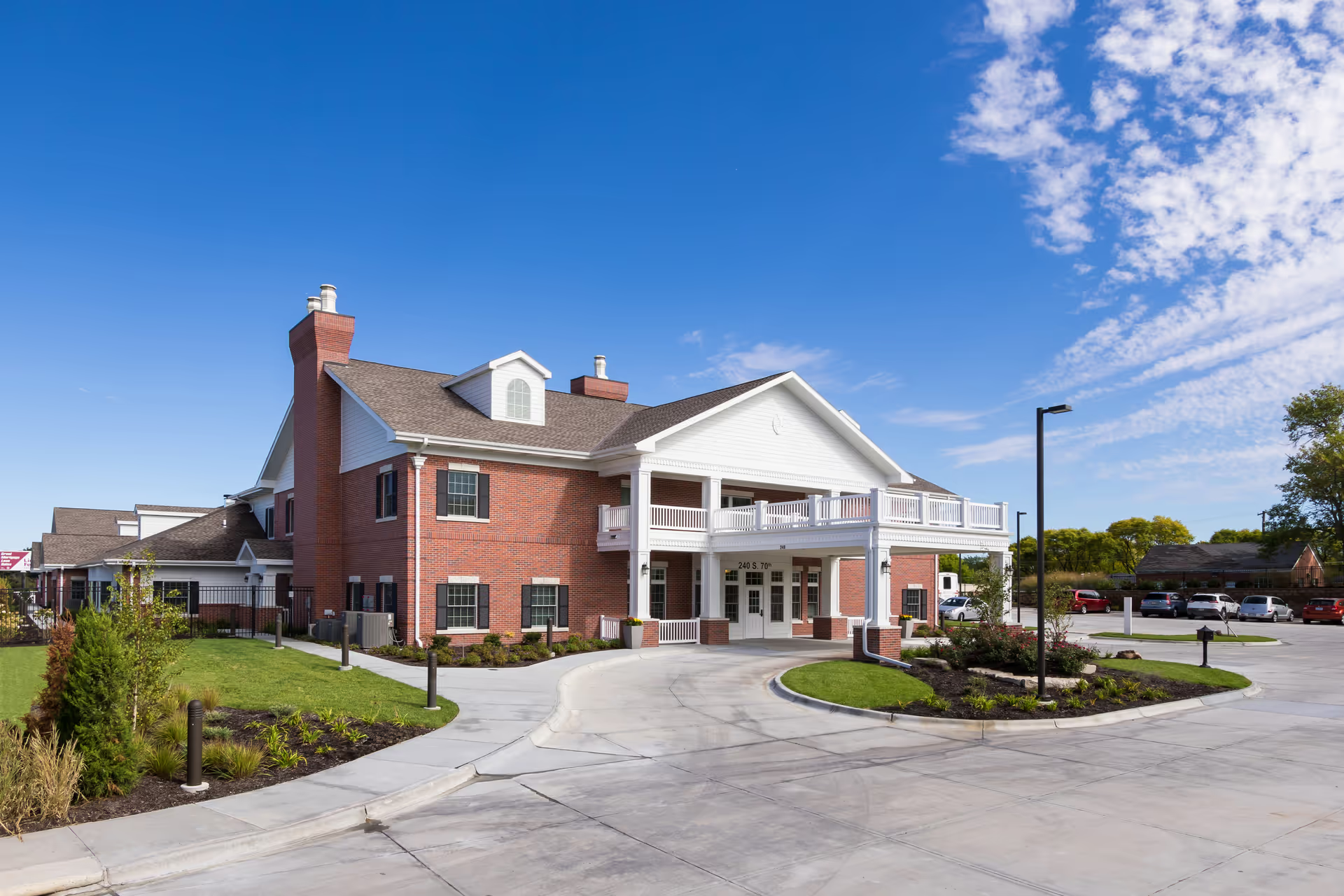
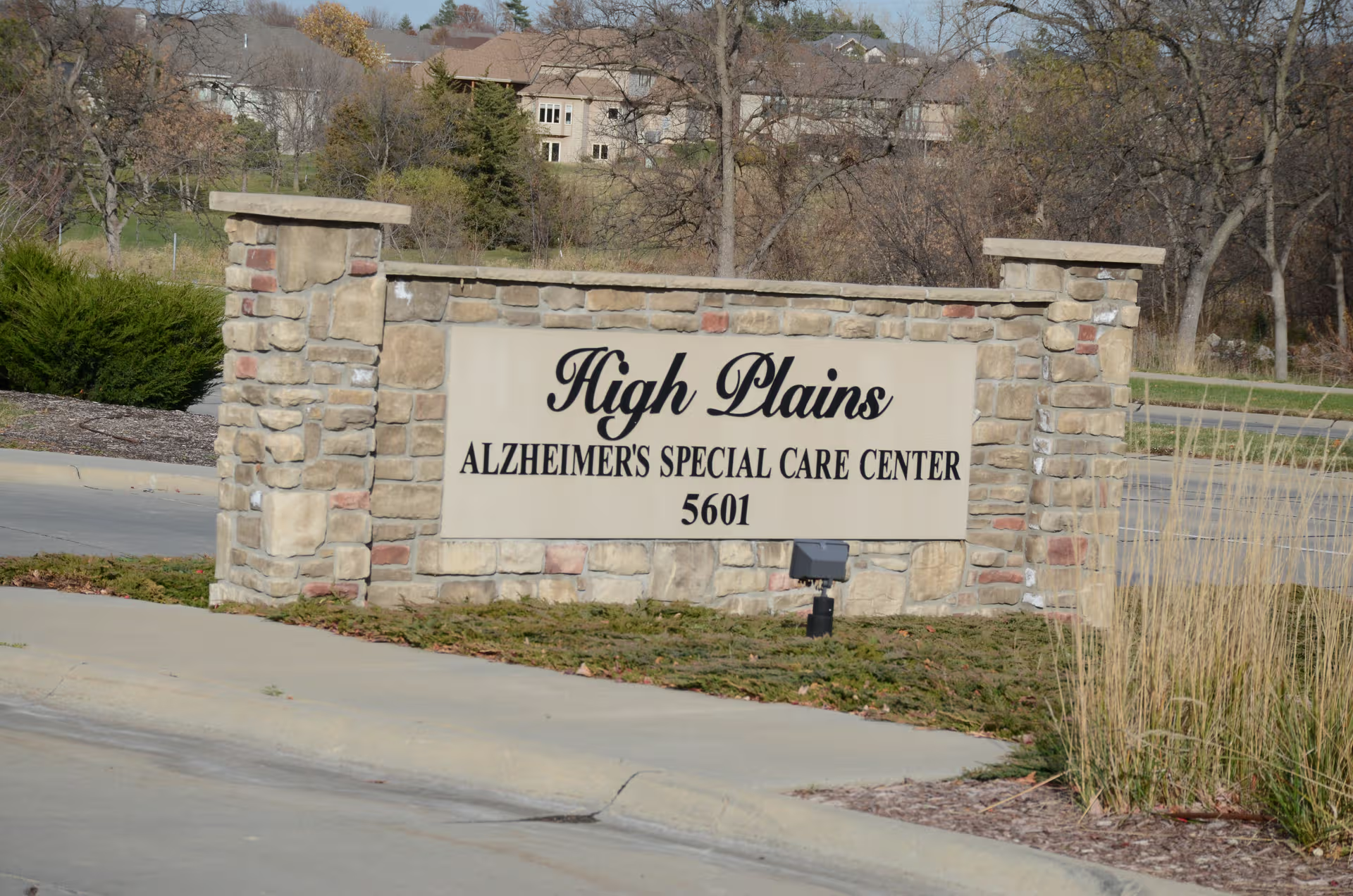
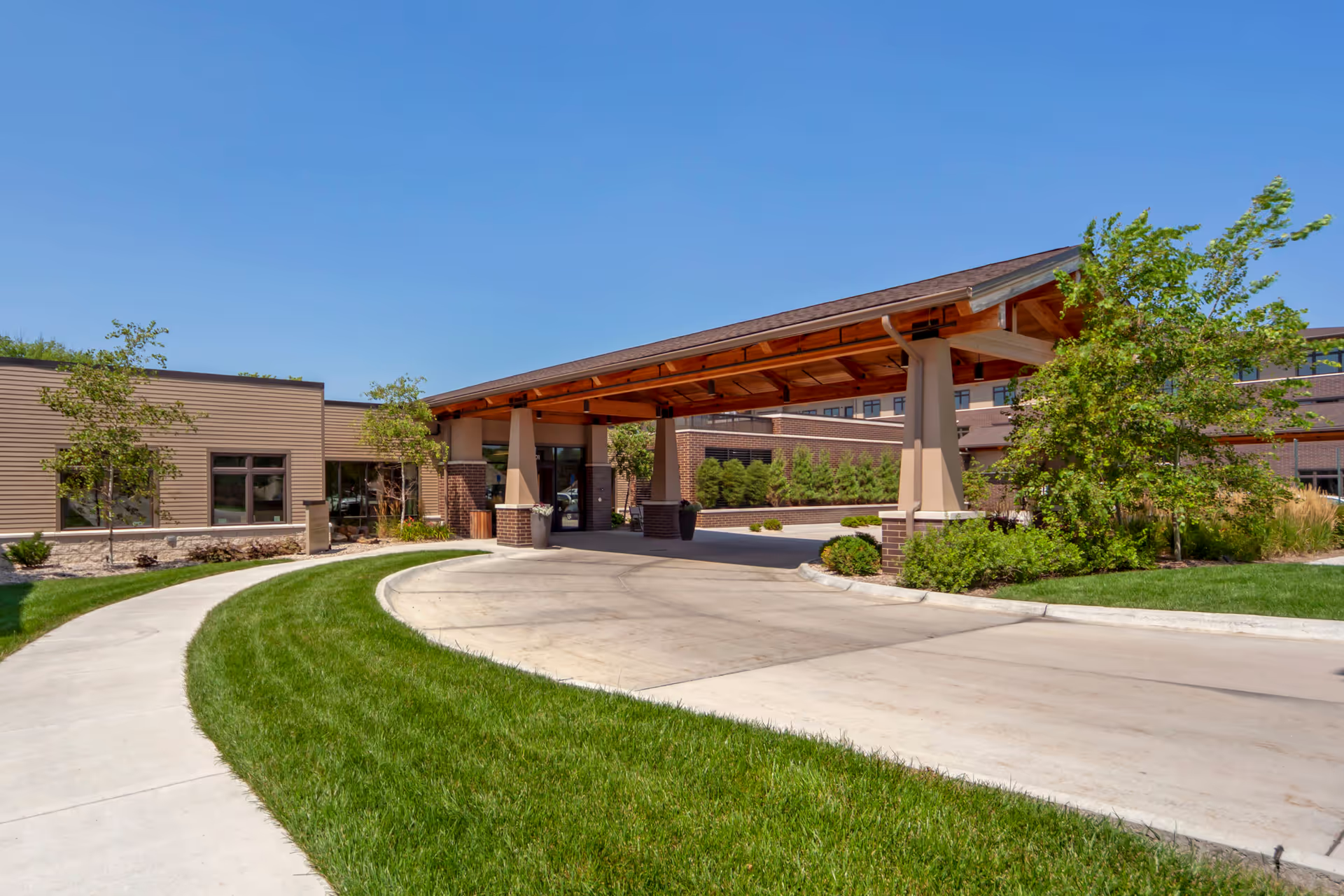
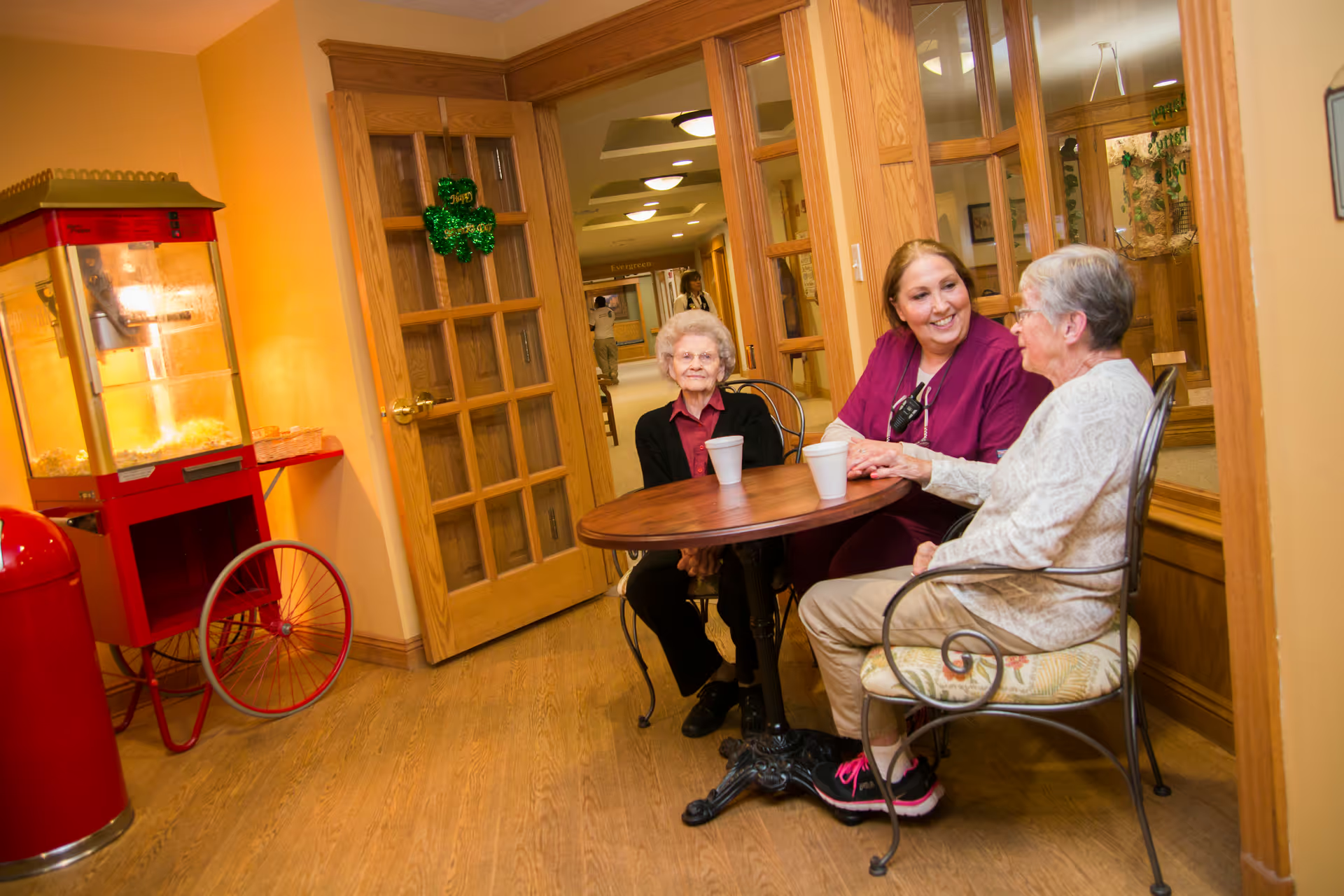
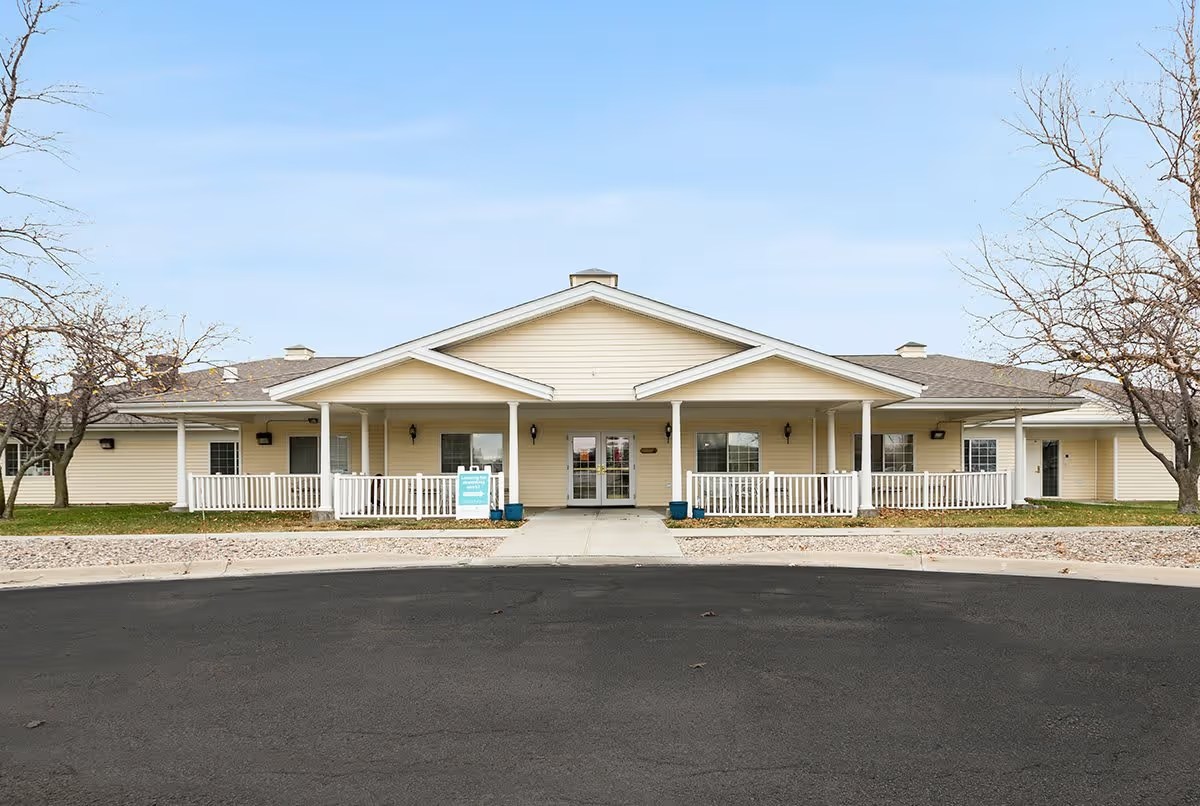
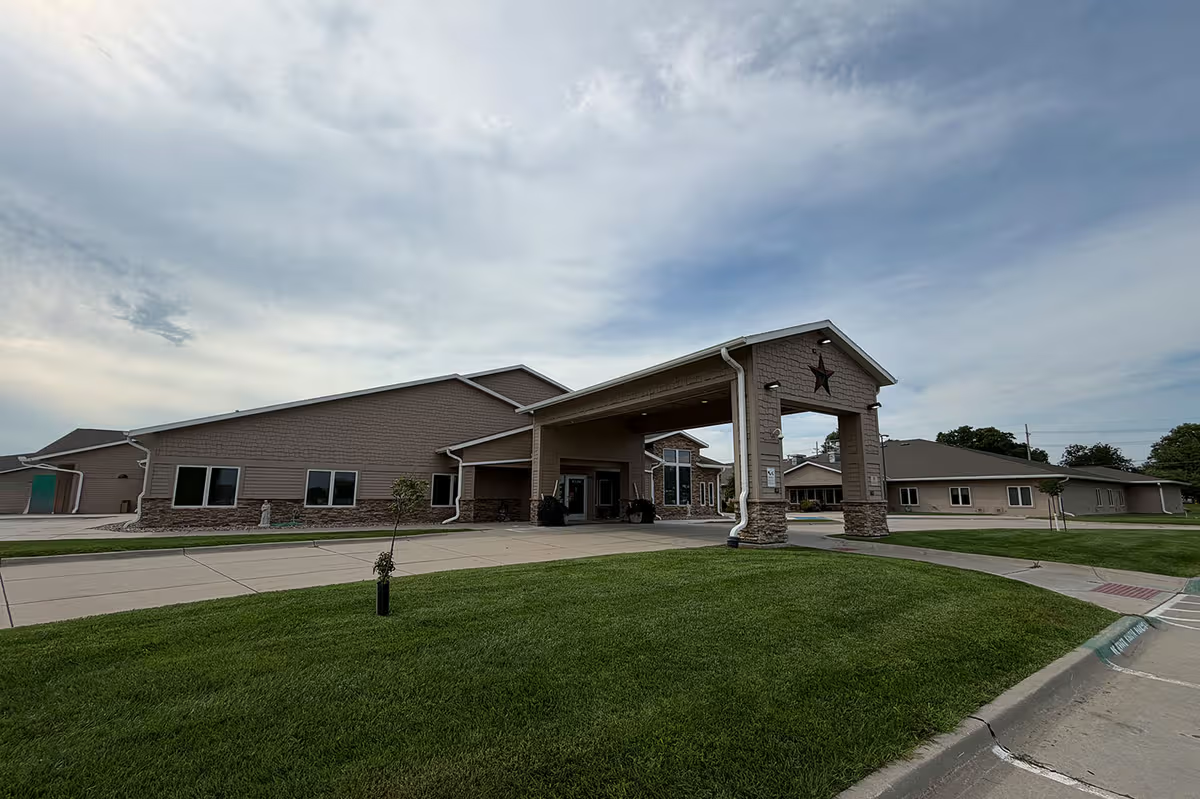
Bailey Pointe at Van Dorn / Windcrest presents as a warm, well‑kept assisted‑living community with strong praise for hospitality, dining, activities, and facility presentation. Reviewers consistently highlight a home‑like atmosphere, friendly and compassionate caregivers, bright apartments, a secure enclosed courtyard, and a broad activity calendar that includes arts, exercise classes, outings and family events. Dining is frequently described as restaurant‑style with varied menus and organized service; on‑site therapy, regular housekeeping, maintenance responsiveness and visible administrative engagement are also recurring strengths.
Clinical and care quality receive mixed but important attention. Many families praised personalized attention, hospice coordination, and thorough daily-care practices that provided comfort and peace of mind. Simultaneously, reviewers described operational weaknesses around clinical oversight: instances that point to inconsistent medication controls, variability in nursing quality, and gaps in fall‑prevention or transfer safety. Those clinical concerns are the most serious themes in the critical feedback and appear episodically alongside otherwise positive caregiving accounts; they suggest the need for prospective families to verify specific clinical safeguards and staffing stability.
Management and operational patterns include both praised and criticized elements. The facility’s administration is often described as accessible and transparent, with staff willing to accommodate family needs and take extra steps during move‑in and transitions. However, other reviews note slower responsiveness from management on some issues and express frustration with higher-level corporate policies that some perceive as limiting local director autonomy. Infection‑control handling and outbreak response were flagged as inconsistent in several accounts, and reviewers also called attention to limited wheelchair accommodation and fewer supports for severe hearing or vision impairment. Cost is another recurring point: the community is frequently characterized as pricier than comparable options, though many families judged the overall value acceptable given the amenities and service levels.
For prospective residents and families, the dominant impression is of a welcoming, activity‑rich community with strong dining and hospitality features and many staff who develop positive relationships with residents. That positive baseline is tempered by documented operational areas to review closely: protocols for medication administration and clinical oversight, fall‑prevention and transfer procedures, staffing continuity and aide training, accessibility accommodations, outbreak/infection controls, and contractual/fee transparency. Asking targeted questions about those topics during a tour and requesting written policies or recent staffing/incident metrics can help families align expectations with the facility’s performance in practice.