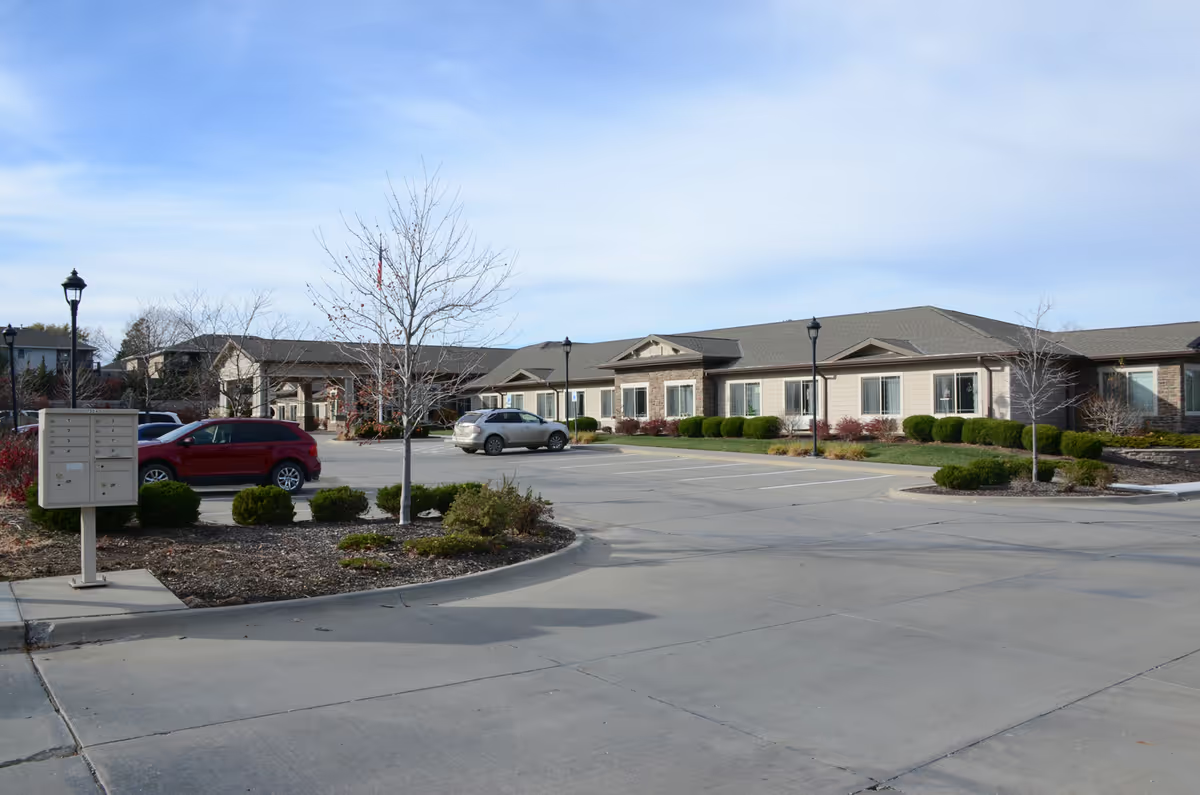
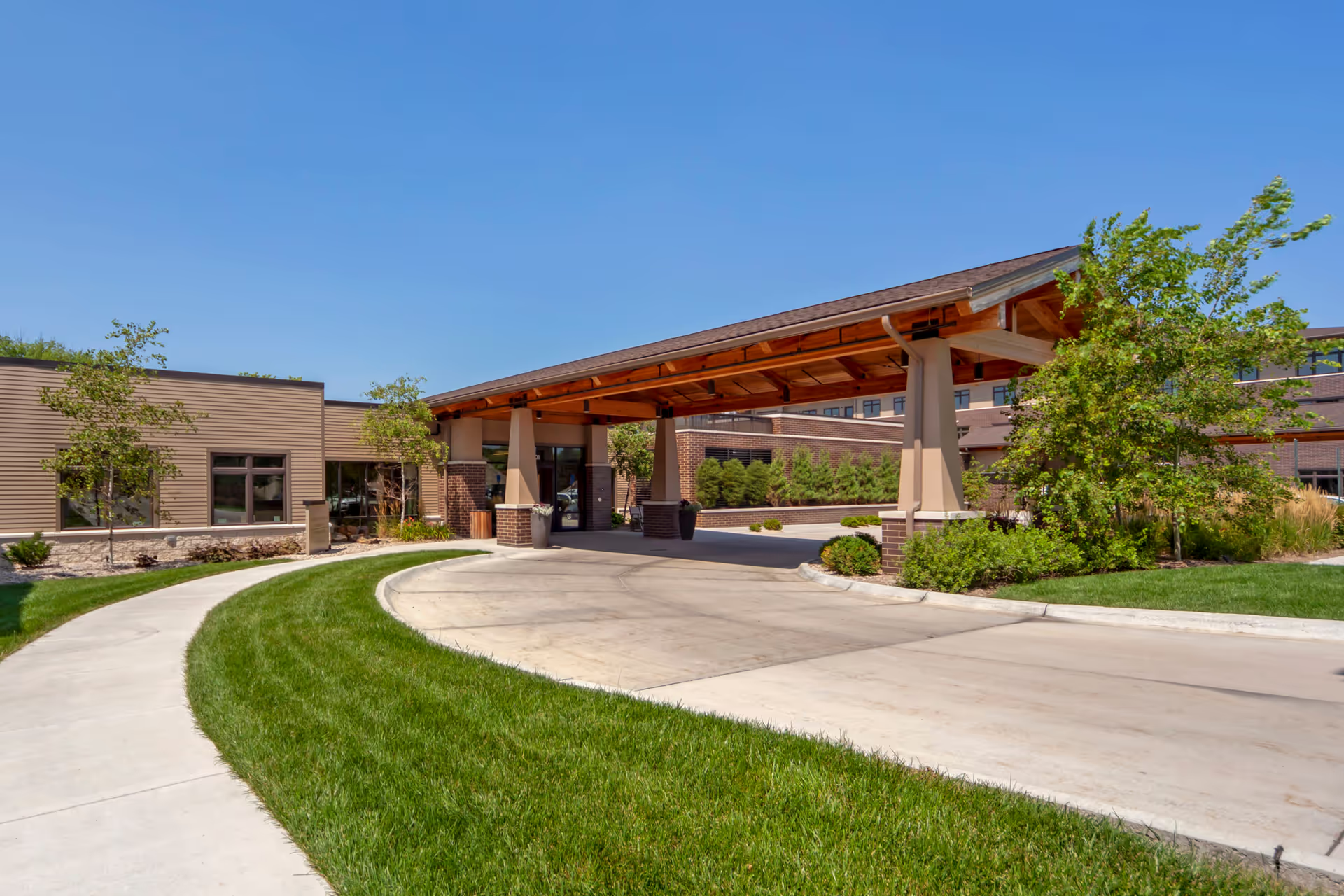
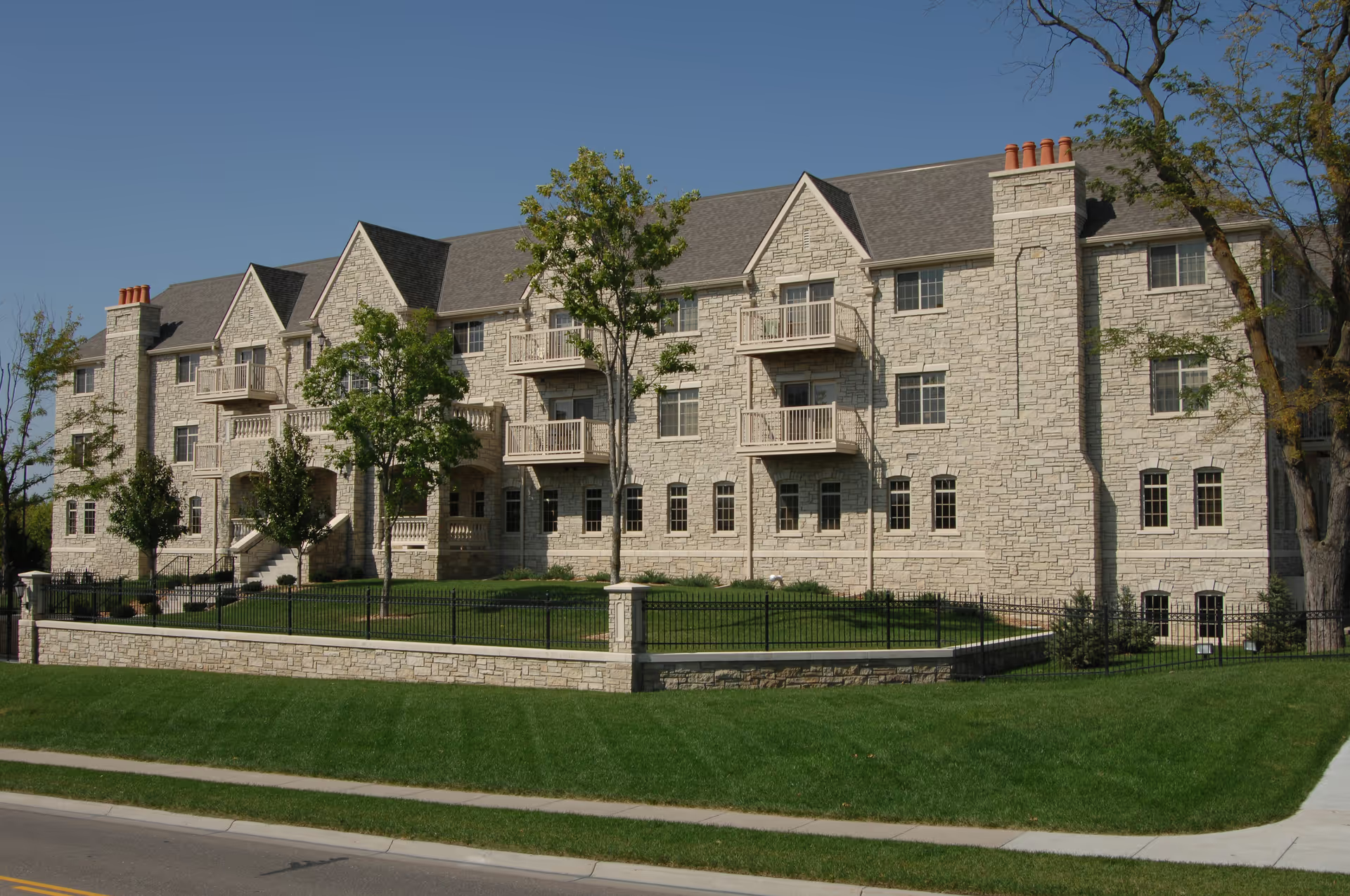
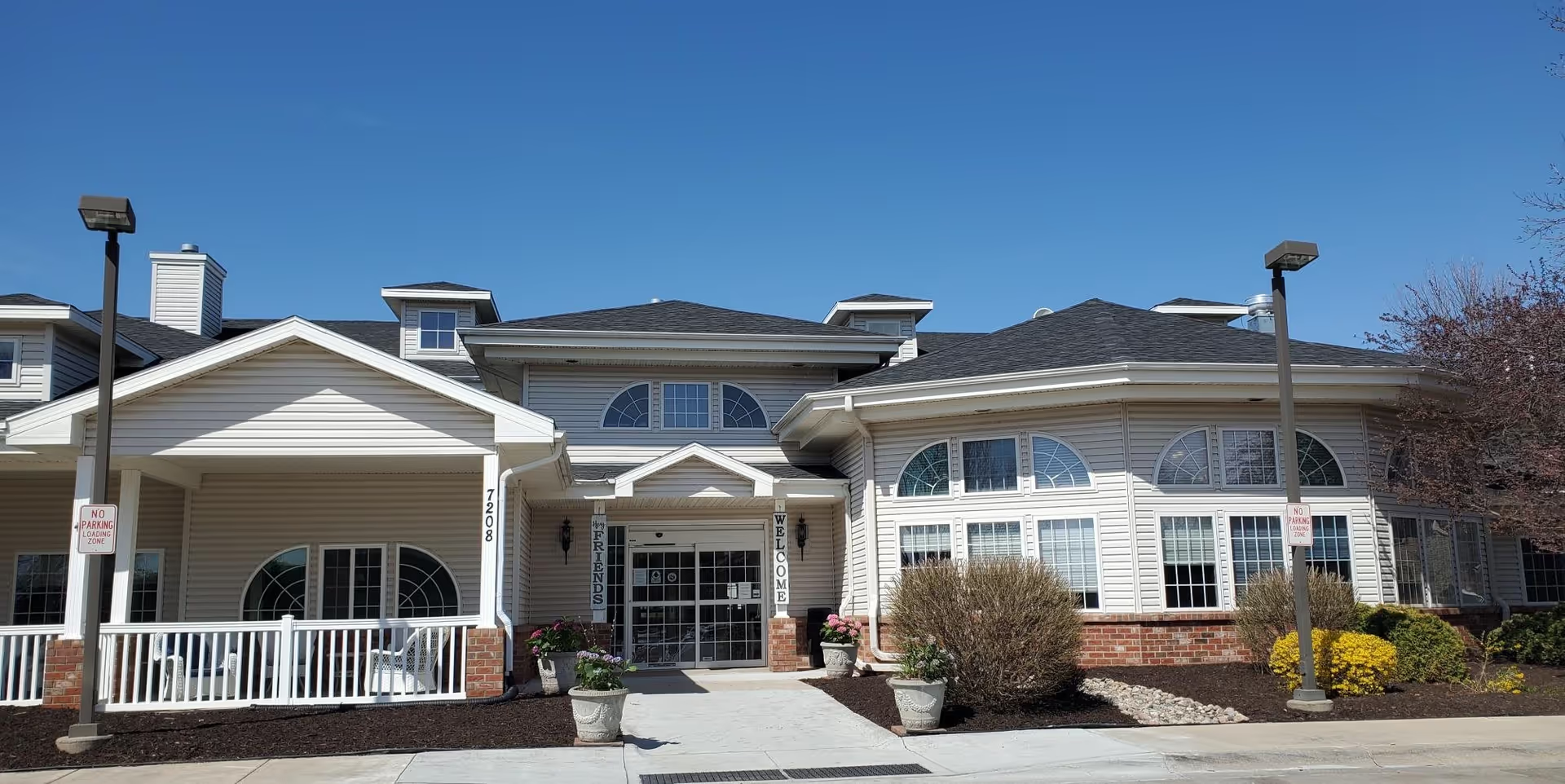
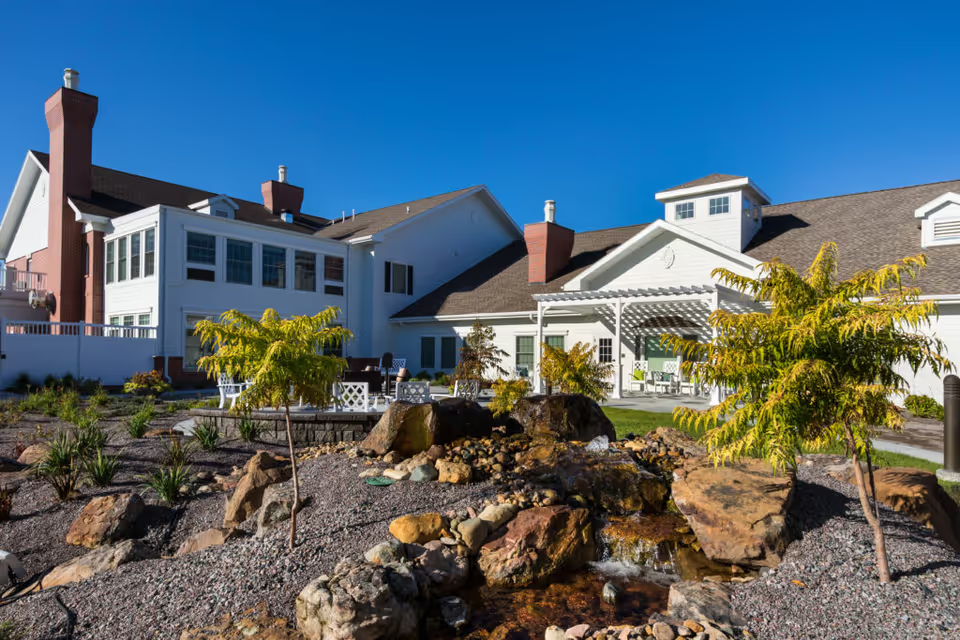
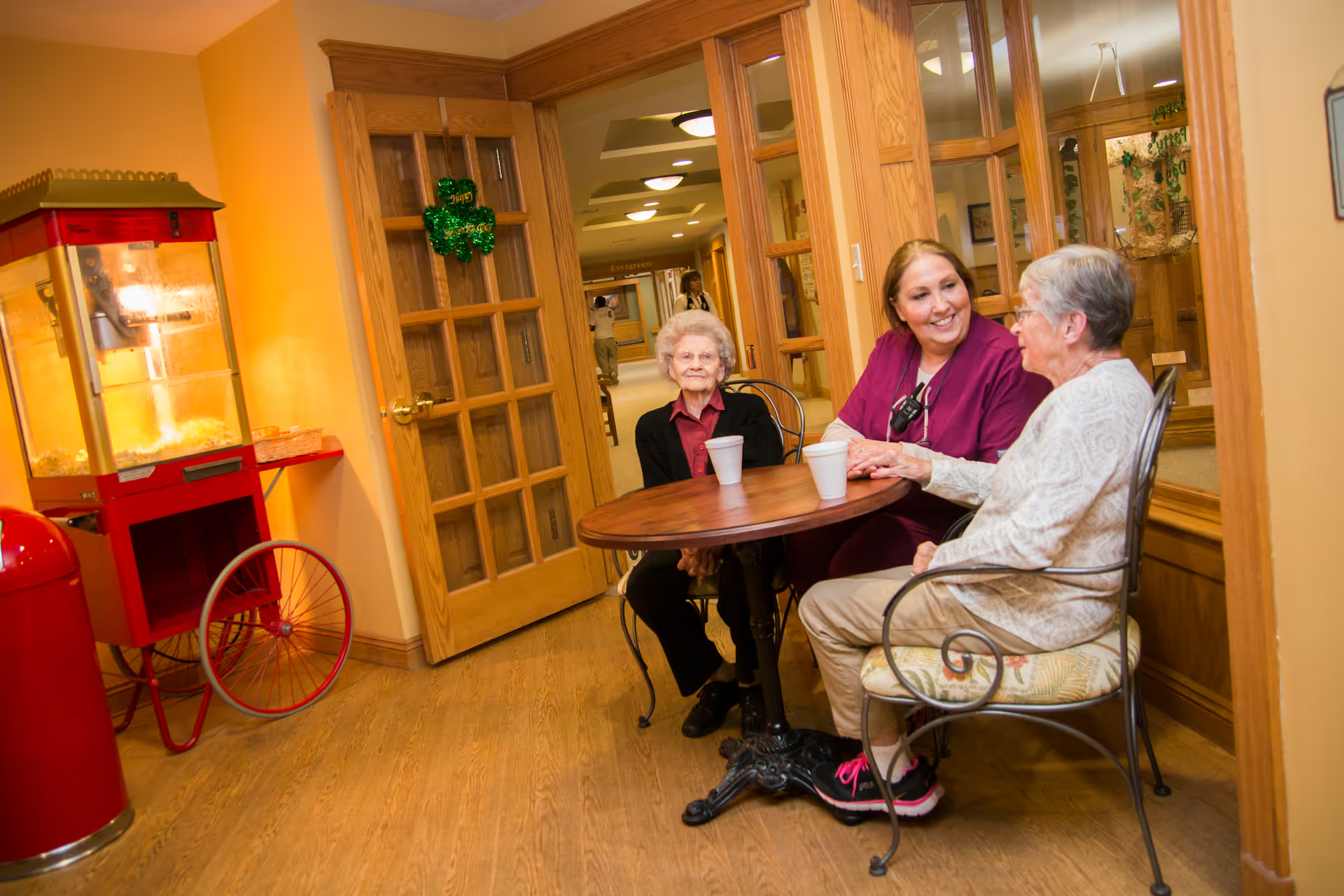
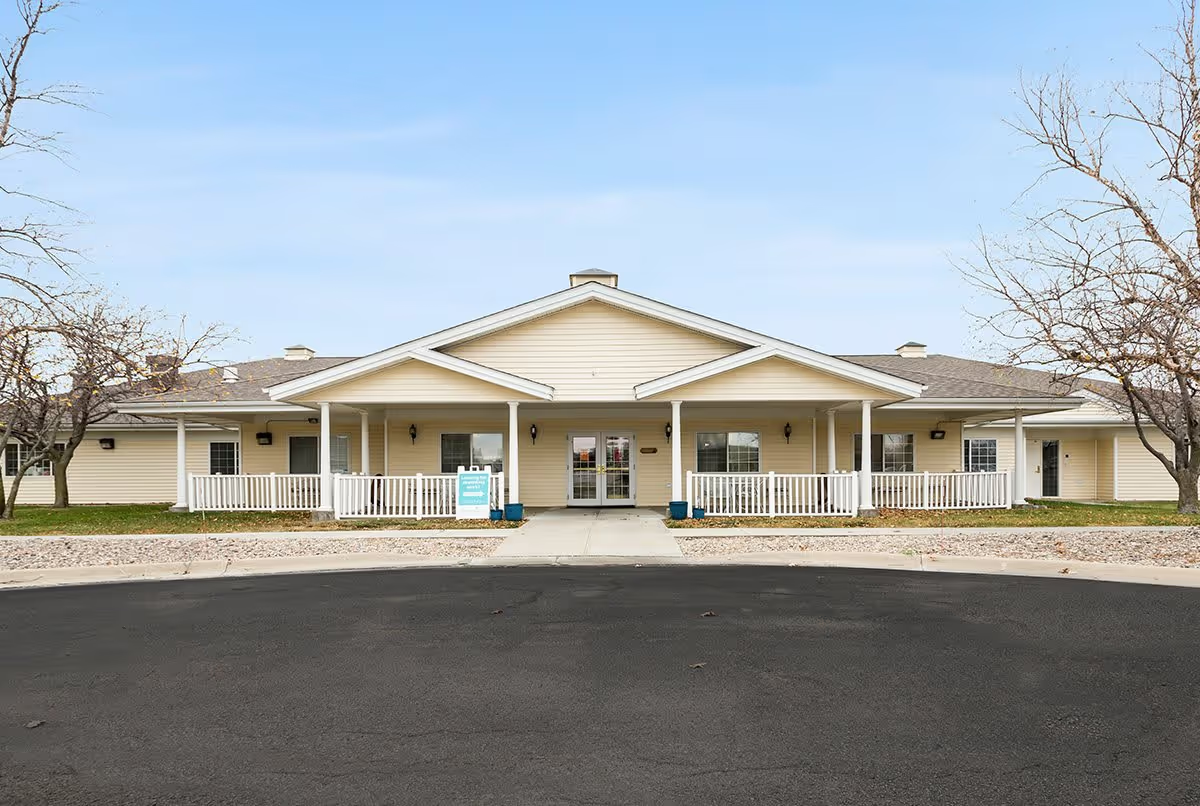
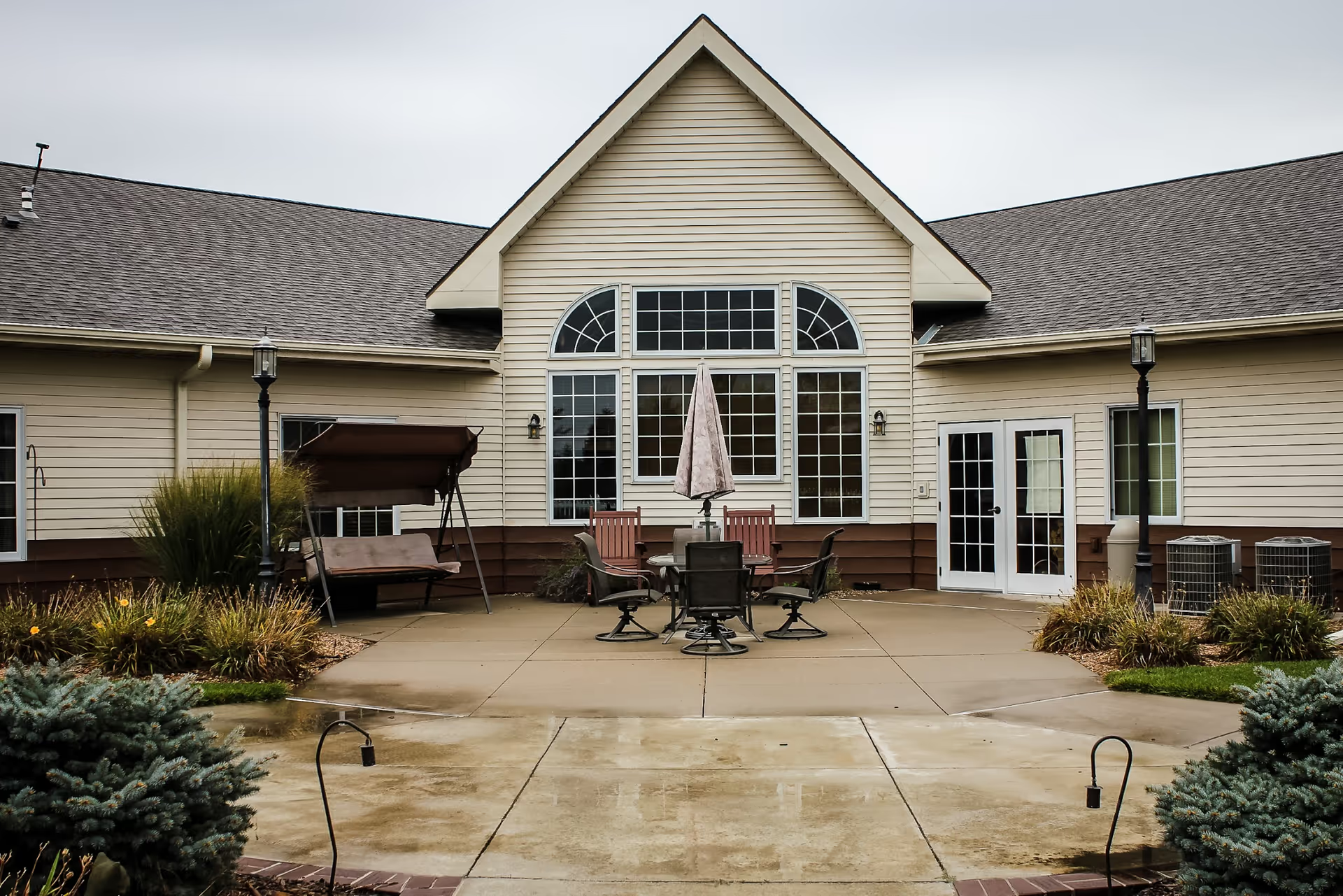
Immanuel: Yankee Hill Village presents a mix of strong amenity- and lifestyle-oriented strengths alongside recurring operational concerns. Physically the community is described as clean, well-maintained and home-like, with spacious, newer-feeling apartments (many with full kitchens, in-unit laundry and patios), attractive common areas, two chapels, a beauty salon, a wellness center and a bright library. Residents and families frequently praise the social environment: active programming that includes cards, bingo, bowling, regular shopping trips, live entertainment and themed refreshments, plus both restaurant-style and family-style dining options and a broad menu with a la carte choices.
Care and staffing elicit a divided picture. Numerous reviewers describe caring, attentive staff and solid medical support; several families characterized the initial care as excellent and highlighted staff who go above and beyond. At the same time, there are repeated concerns about staffing stability and communication. High turnover, occasional shortages and inconsistent staff conduct or tone were identified as factors that affect continuity of care and day-to-day interactions. Several comments linked those staffing issues to lapses during transitions — for example, during moves into memory care or after ownership changes.
Memory-care and clinical-capability observations are mixed. The memory unit is described as small and comfortable by some, with family-style meals and activity encouragement; however, reviewers also raised concerns that the campus is not always equipped to manage progressive dementia needs, and that eligibility and Medicare-related requirements were not always clearly explained up front. There are patterns of dissatisfaction around transitions into higher levels of care: families cited gaps in transition planning, inconsistent meal delivery and questions about medication management during those moves.
Management, transparency and finances are salient themes. Positive reviewer experiences around communication and celebrations coexist with multiple accounts of unmet management promises, perceived reductions in warmth following ownership changes, and frustration over price increases. Financial issues were a strong concern for some families — specifically, fee structures and billing practices that were felt to accelerate resident asset depletion and an overall sense of insufficient clarity about costs and what services are included. Admissions and service allocation were also described as inconsistent by some families, creating uncertainty during placement and care-planning decisions.
In summary, Yankee Hill Village appeals as an active, amenity-rich community with many residents enjoying the social life, facility features and pockets of strong clinical care. Prospective residents and families should weigh those lifestyle benefits against operational considerations: assess staffing stability, request clear written explanations of memory-care capabilities and eligibility, review billing practices in detail, and ask for a concrete transition plan before committing. A focused tour and conversations with current families and direct-care staff can help clarify whether the facility’s current operational environment aligns with a prospective resident’s clinical and financial needs.