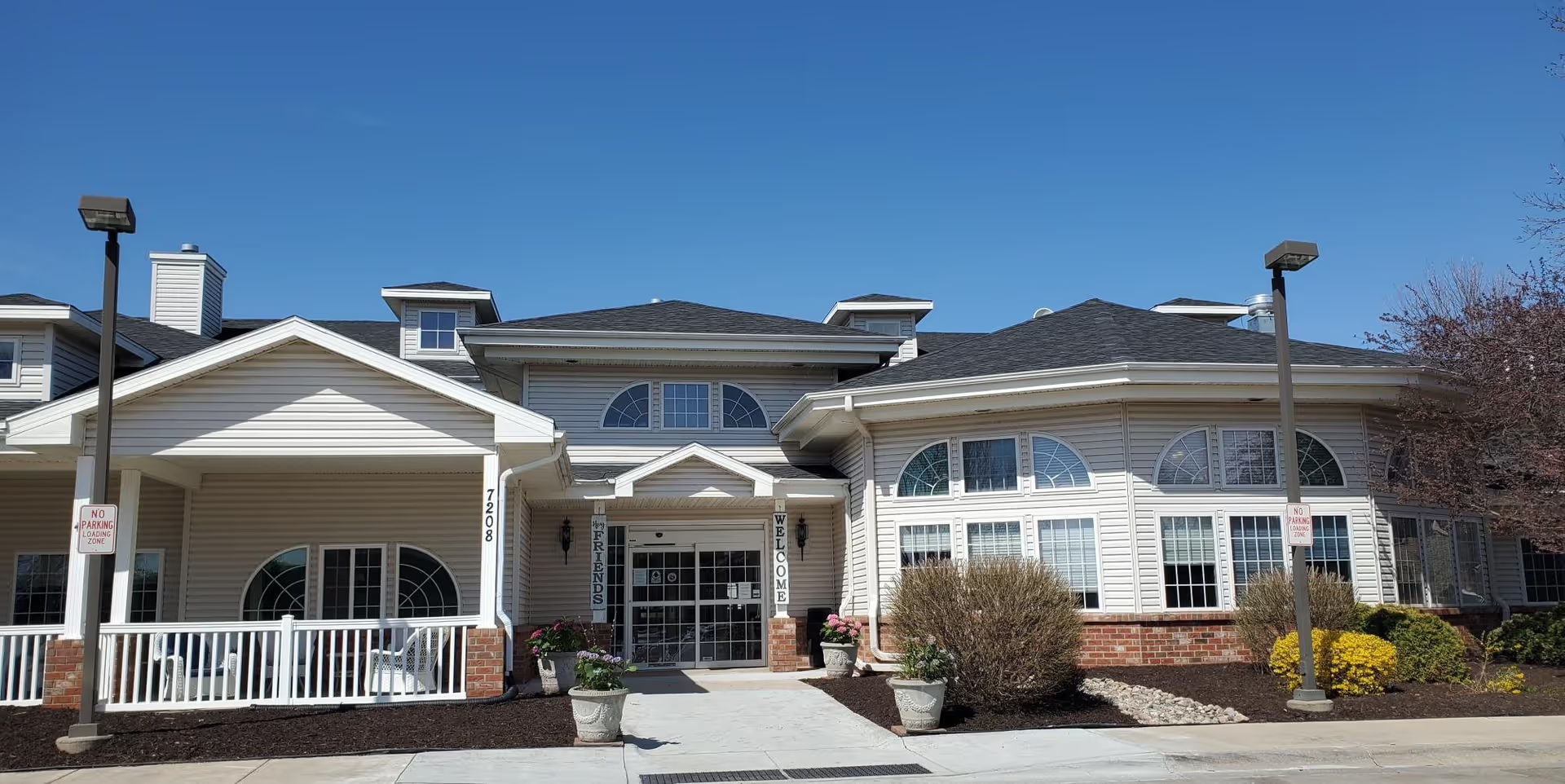
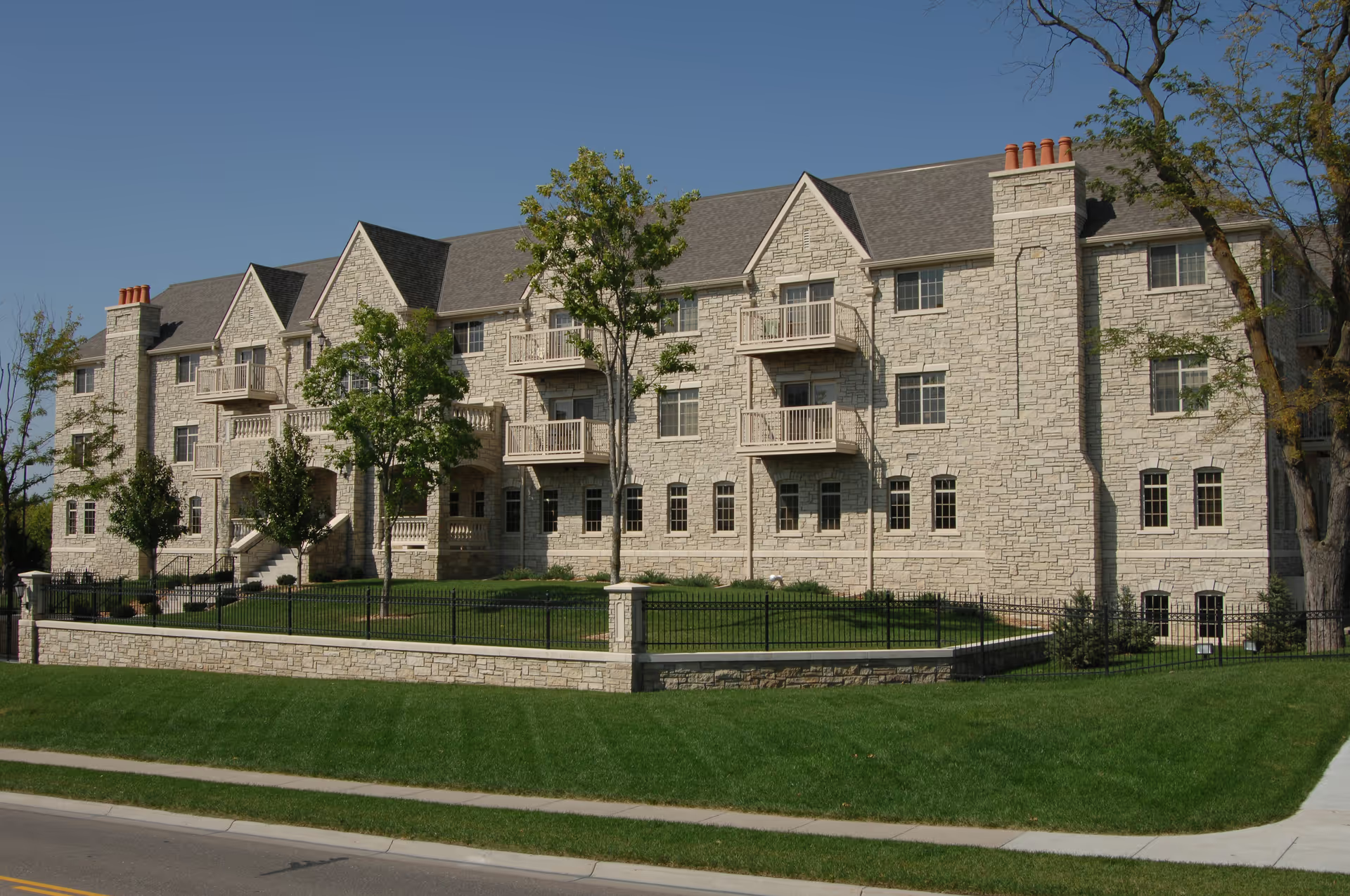
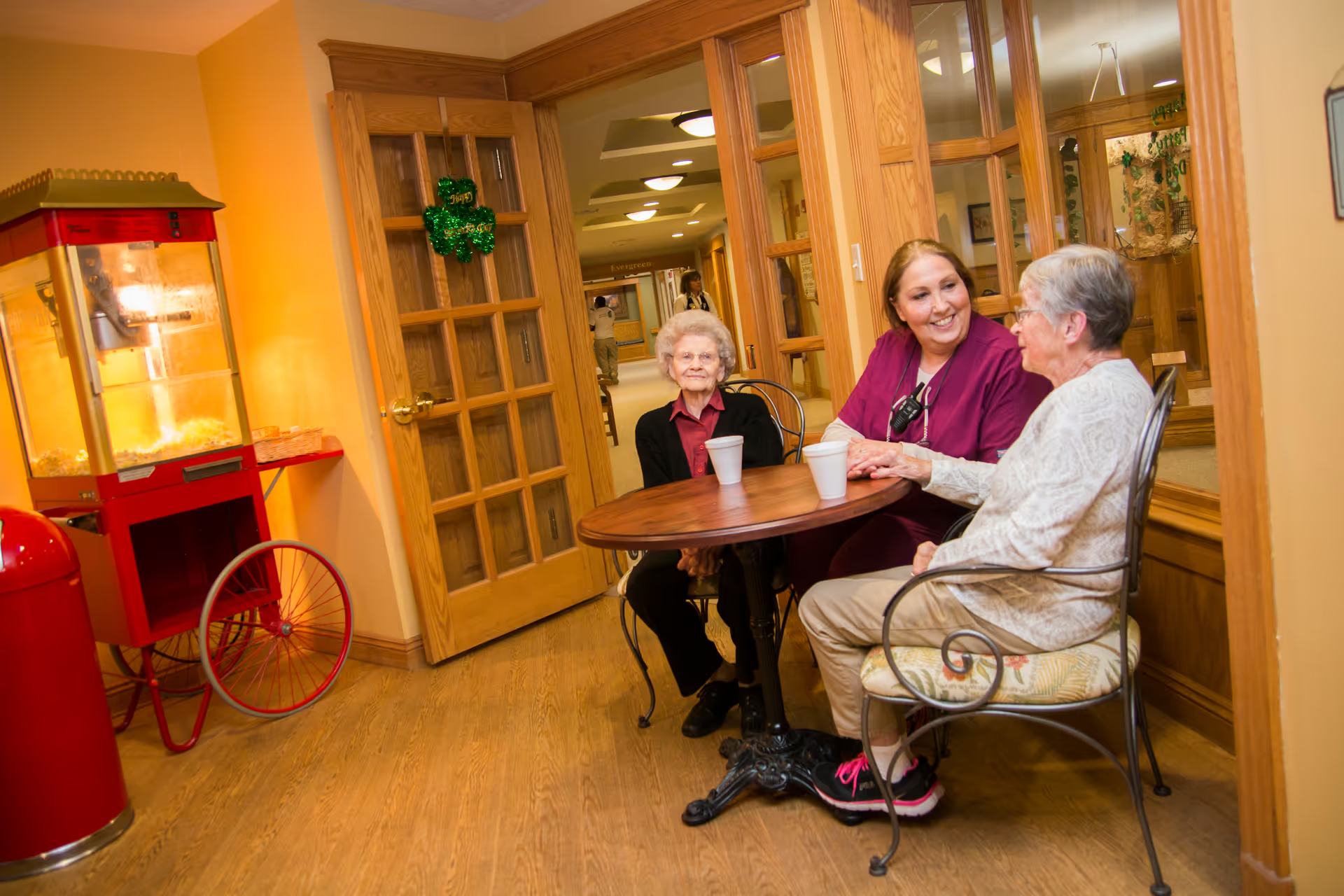
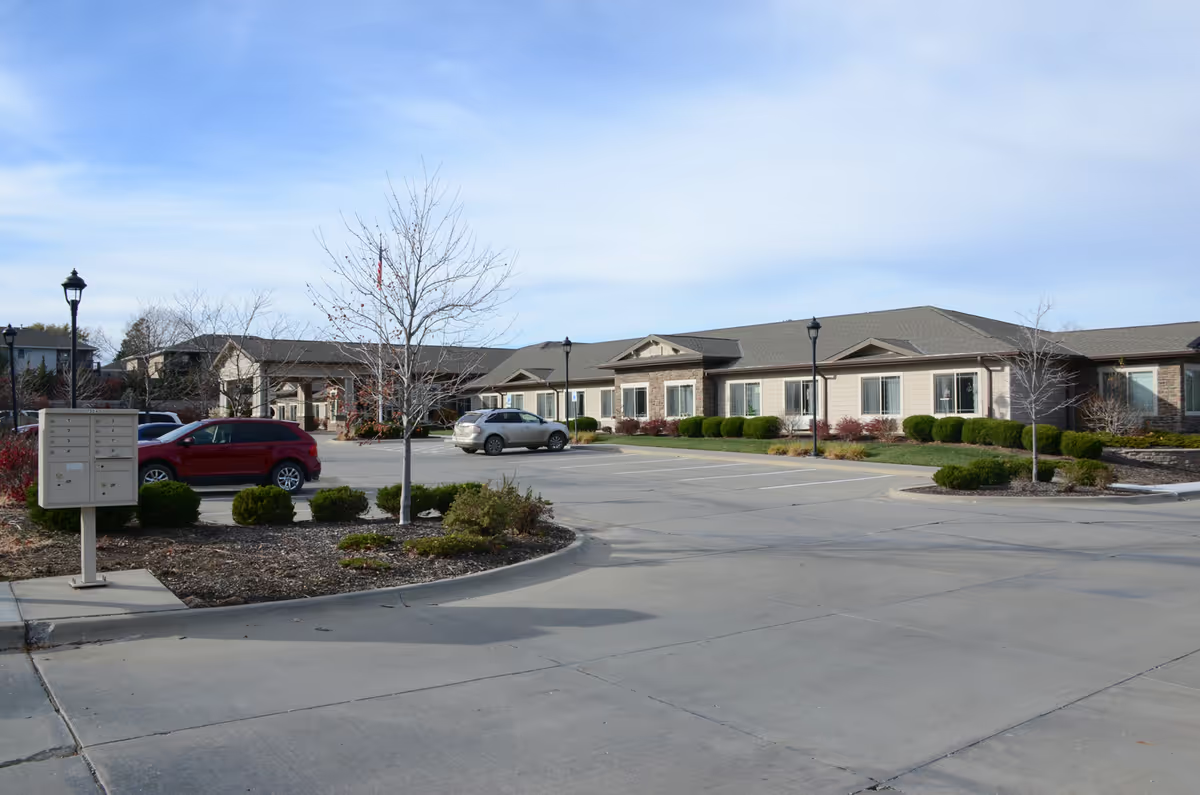
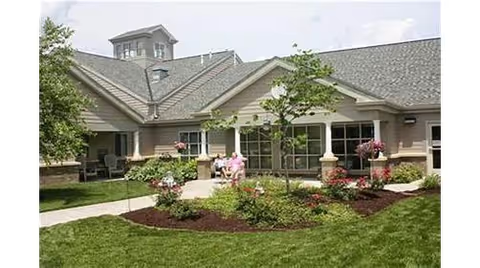
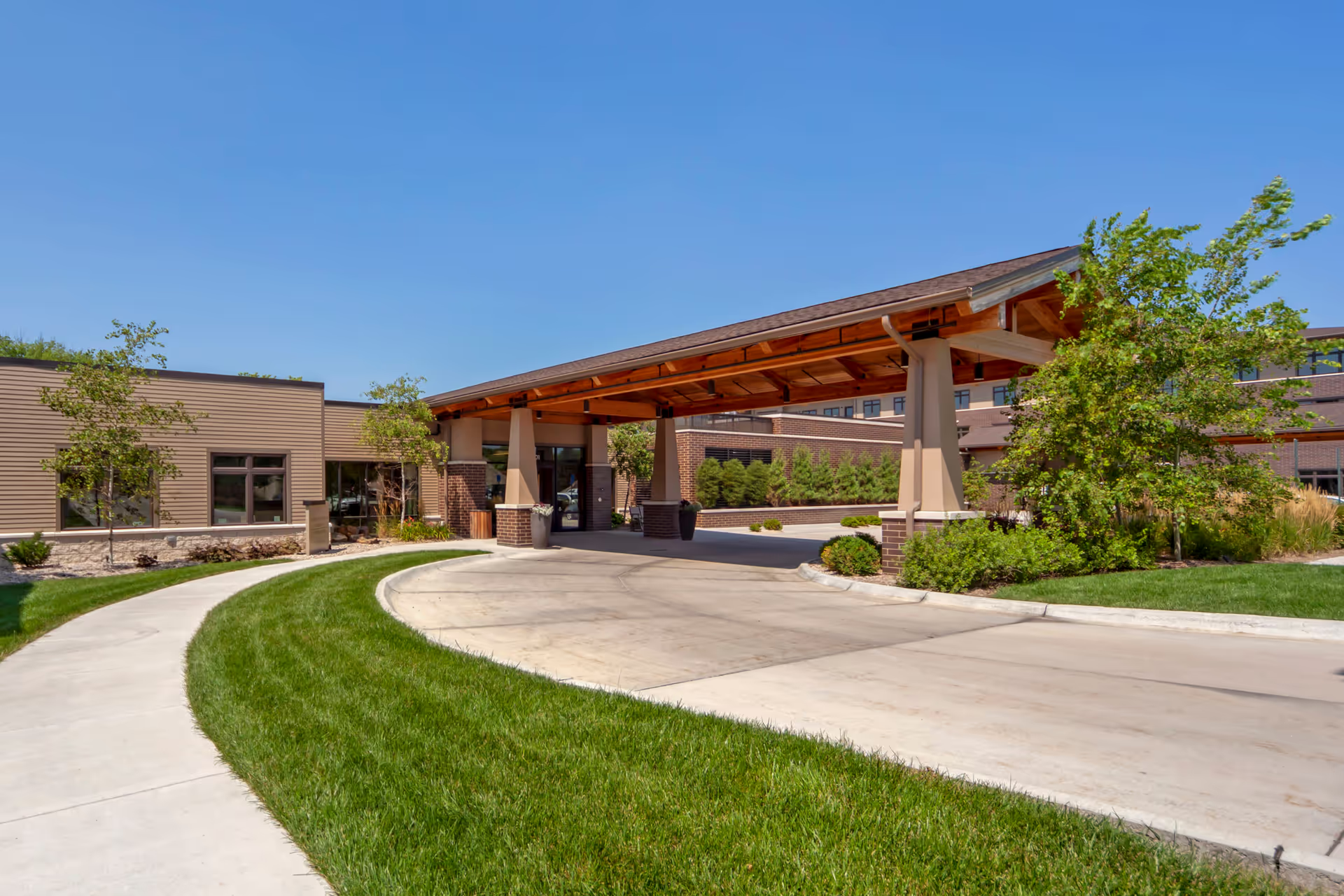
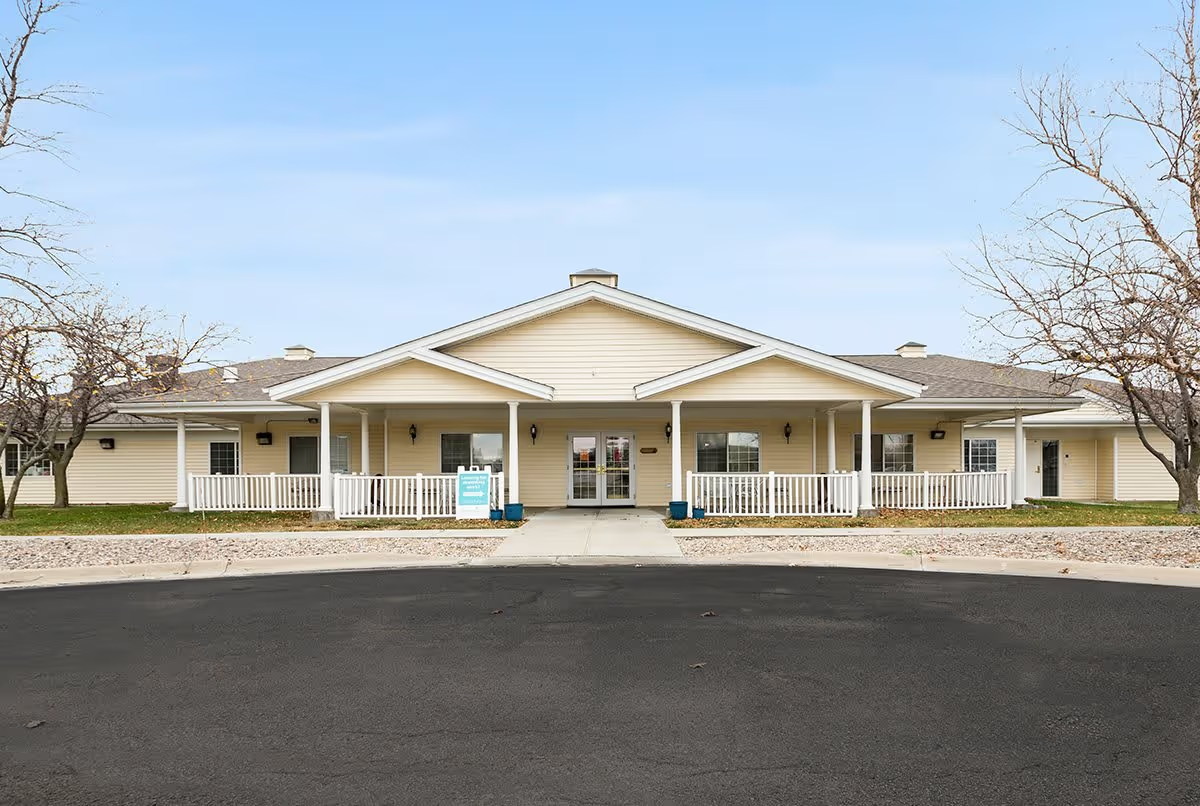
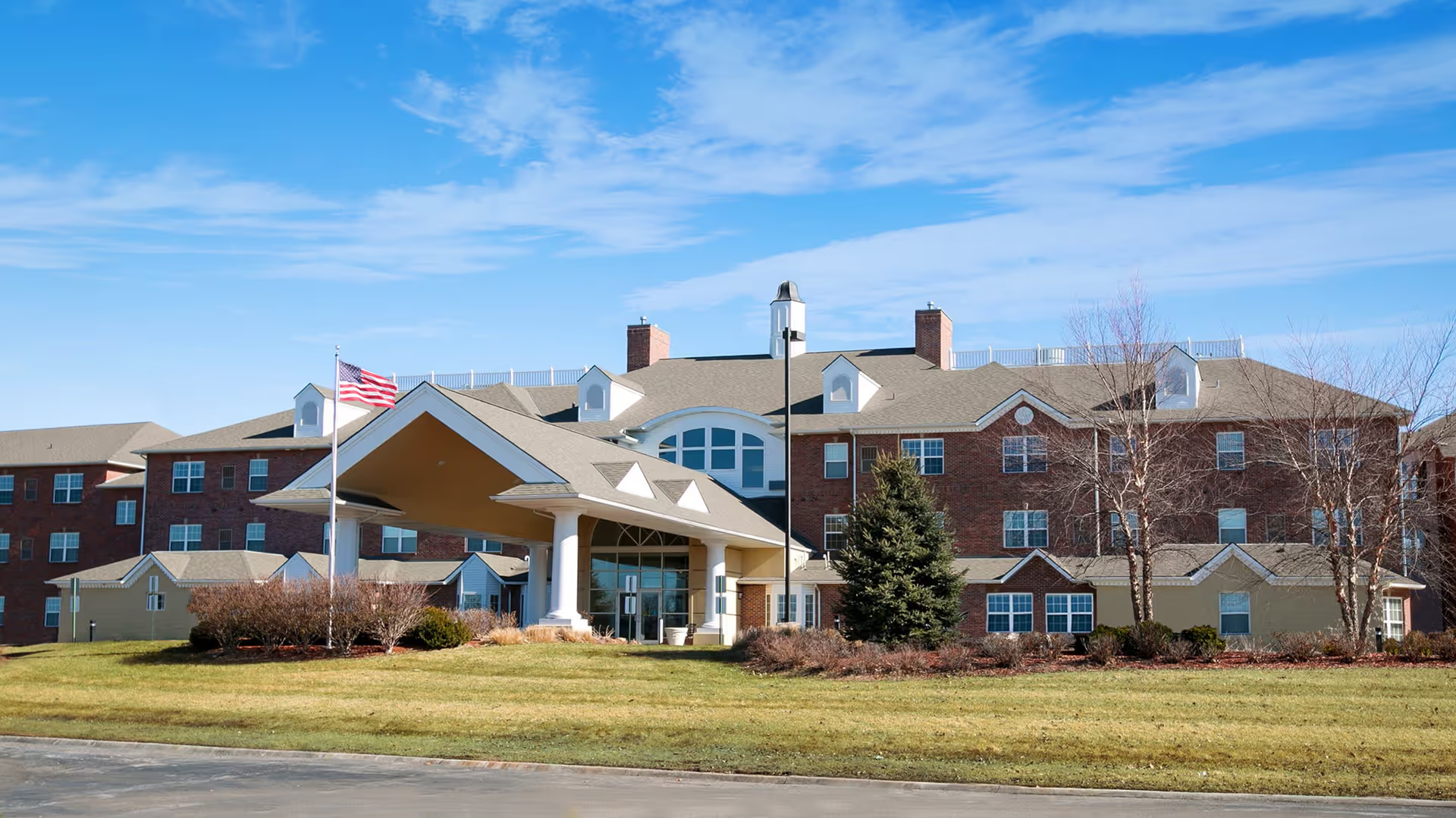
CountryHouse Residence receives consistent praise for the quality of interpersonal care and the facility’s social environment. Many families describe staff as compassionate, attentive, and willing to go beyond routine duties; leadership is often described as engaged and responsive. The community projects a homelike atmosphere with bright, well-kept rooms, a secured outdoor courtyard, and communal activities that many residents enjoy. Memory-care capabilities and dementia support are frequently highlighted as strengths.
Staffing and direct care are a central strength when experienced staff are present: reviewers emphasize supportive caregivers, an active and capable activities director, and a suite of social offerings including baking activities, regular outings, and weekday bus rides. These programs contribute to a family-like environment and strong resident engagement. After a change in kitchen leadership, several accounts note an improvement in meal quality, and families report prompt responses from administrators on care questions and suggestions.
At the same time, reviews indicate variability in operational consistency. There are descriptions of uneven care experiences and instances that point to staffing instability or turnover affecting continuity. Safety-related concerns appear in multiple accounts, especially around fall prevention and transfer processes; at least one account of a significant fall underscores the importance of robust fall-prevention protocols and consistent staff training. Communication, while often praised, is described as delayed or unclear in other accounts, suggesting uneven staff–family information flow depending on circumstances or shift coverage.
Dining and dietary management show mixed signals: some families report clear improvements after the chef hire, while earlier comments and a limited number of incidents suggest gaps in continuity and individualized dietary controls, including allergy management. Admissions and billing also emerge as areas of concern for some families — particularly expectations around bed availability and Medicaid placement — indicating a need for clearer upfront information on availability, eligibility, and fees.
Overall, the pattern is of a facility with notable strengths in caregiving culture, activities, and facility upkeep, paired with operational weaknesses that can affect individual experiences: inconsistent care quality tied to staffing stability, safety-practice gaps, and occasional communication or administrative transparency shortfalls. Prospective residents and families should weigh the strong interpersonal and social environment against these variability risks, and consider asking specific questions about current staffing levels, fall-prevention protocols, dietary/allergy procedures, and written admissions/billing policies during a tour or intake discussion.