The review set shows a mixed but predominantly positive view of Good Samaritan Society - St. Luke's, with repeated praise for staff and day-to-day operations alongside an isolated but strong negative impression that suggests variability in experience. Many comments emphasize caring, friendly employees and a family-like environment; these descriptions point to meaningful interpersonal strengths in caregiving and support services. Conversely, an "extremely negative" comment and language about the facility ranking well below expectations indicate that at least one user experienced significant dissatisfaction, implying unevenness in service delivery or oversight.
Care and staff: Reviews consistently highlight compassionate, attentive staff and a family atmosphere. Multiple impressions describe residents as being well taken care of and staff as caring and friendly; one reviewer cited satisfaction over a three-year period. Those comments suggest continuity of personnel and strong resident–staff interactions as core strengths. At the same time, the presence of a markedly negative review signals potential lapses in consistency—families should view the overall positive staff feedback alongside a need to verify staffing levels, shift coverage, and complaint-resolution processes during a tour.
Dining and activities: The provided summaries do not include detailed feedback about dining quality or activity programming. Positive remarks about being "well run" and guests being "well taken care of" may imply adequate basic services, but there is insufficient specific information to assess meal quality, menu variety, therapeutic dining supports, or the breadth of recreational offerings. Prospective residents and their families may want to request menus, sample activity calendars, and observe mealtimes or programming during a visit.
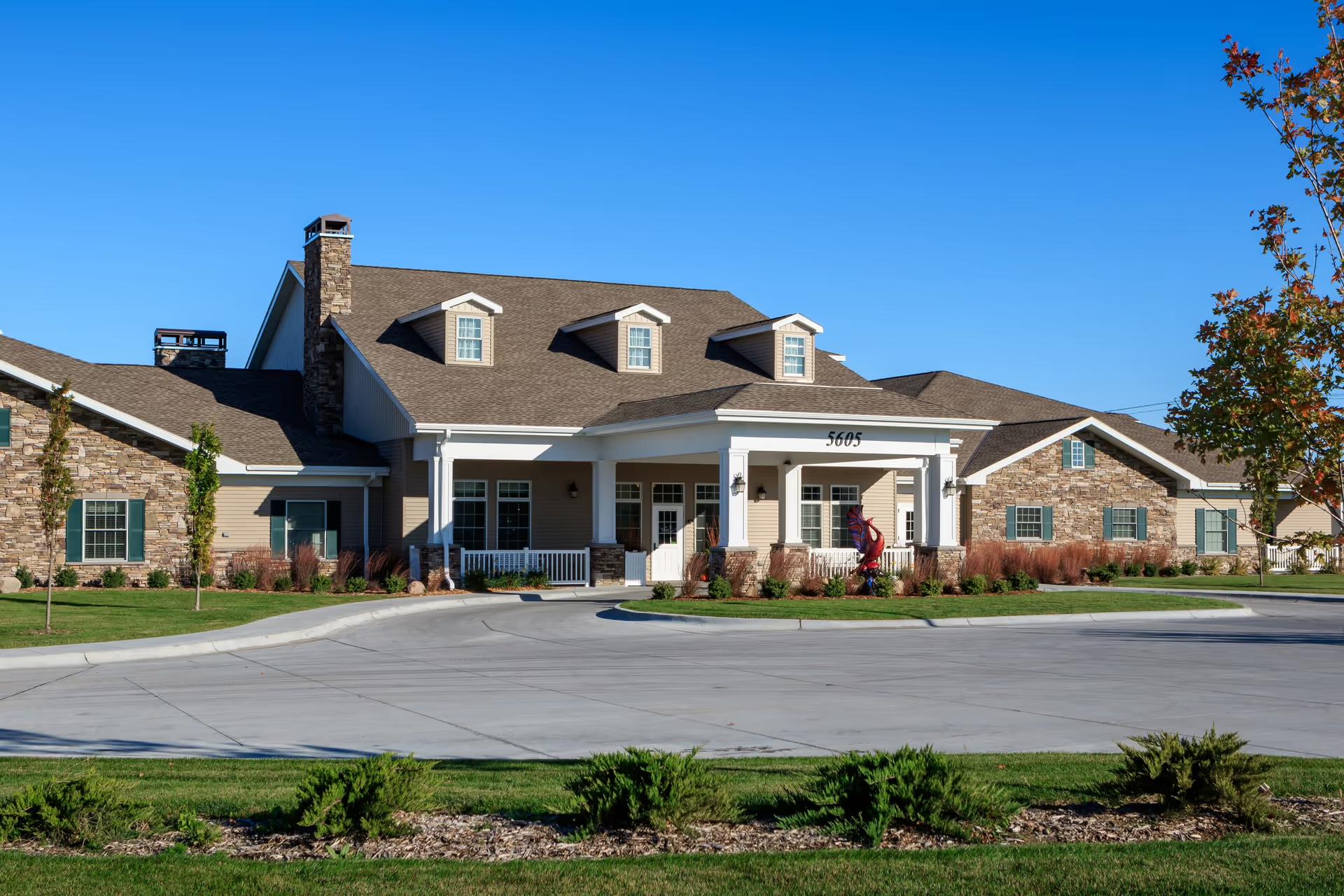
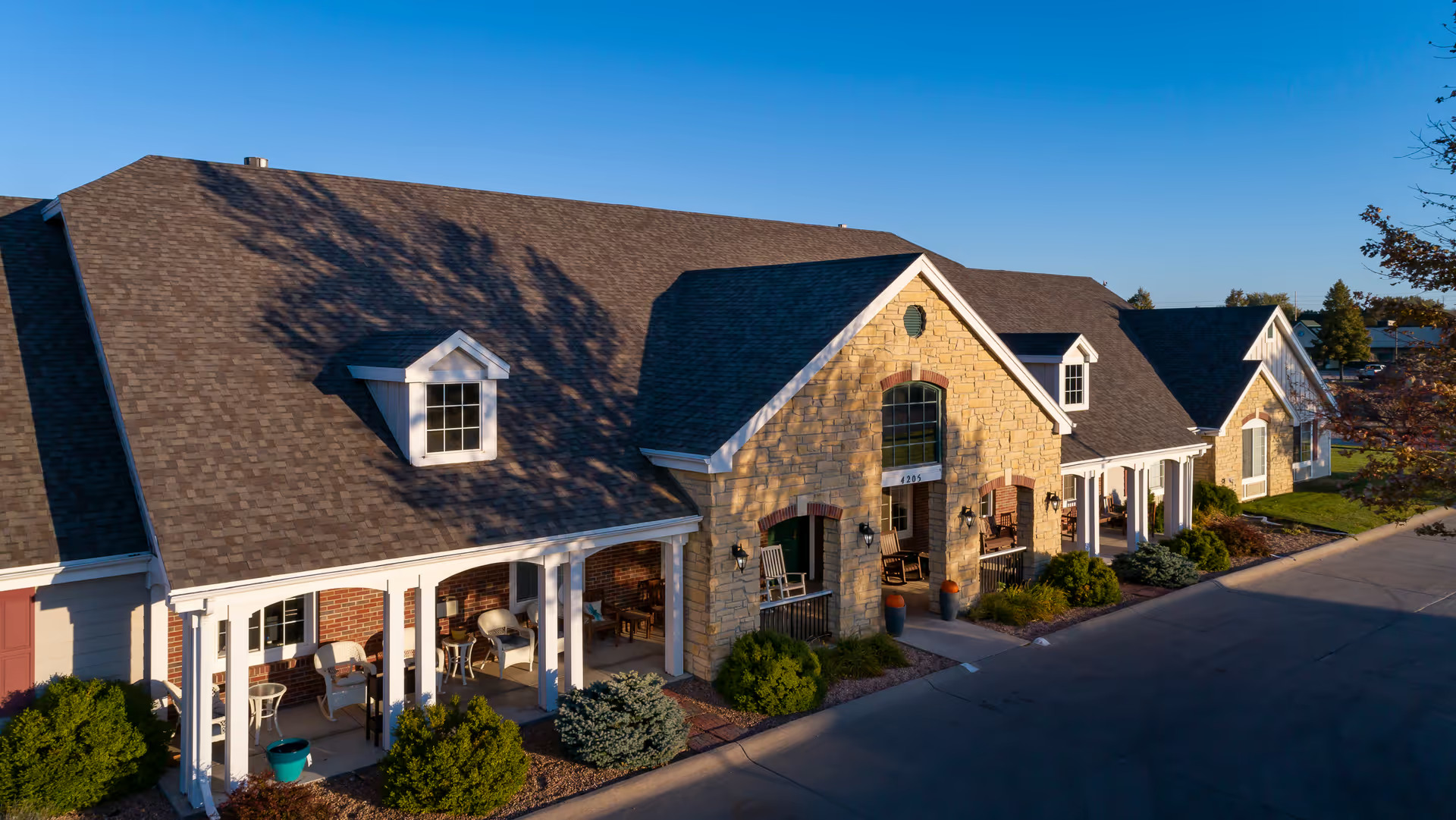
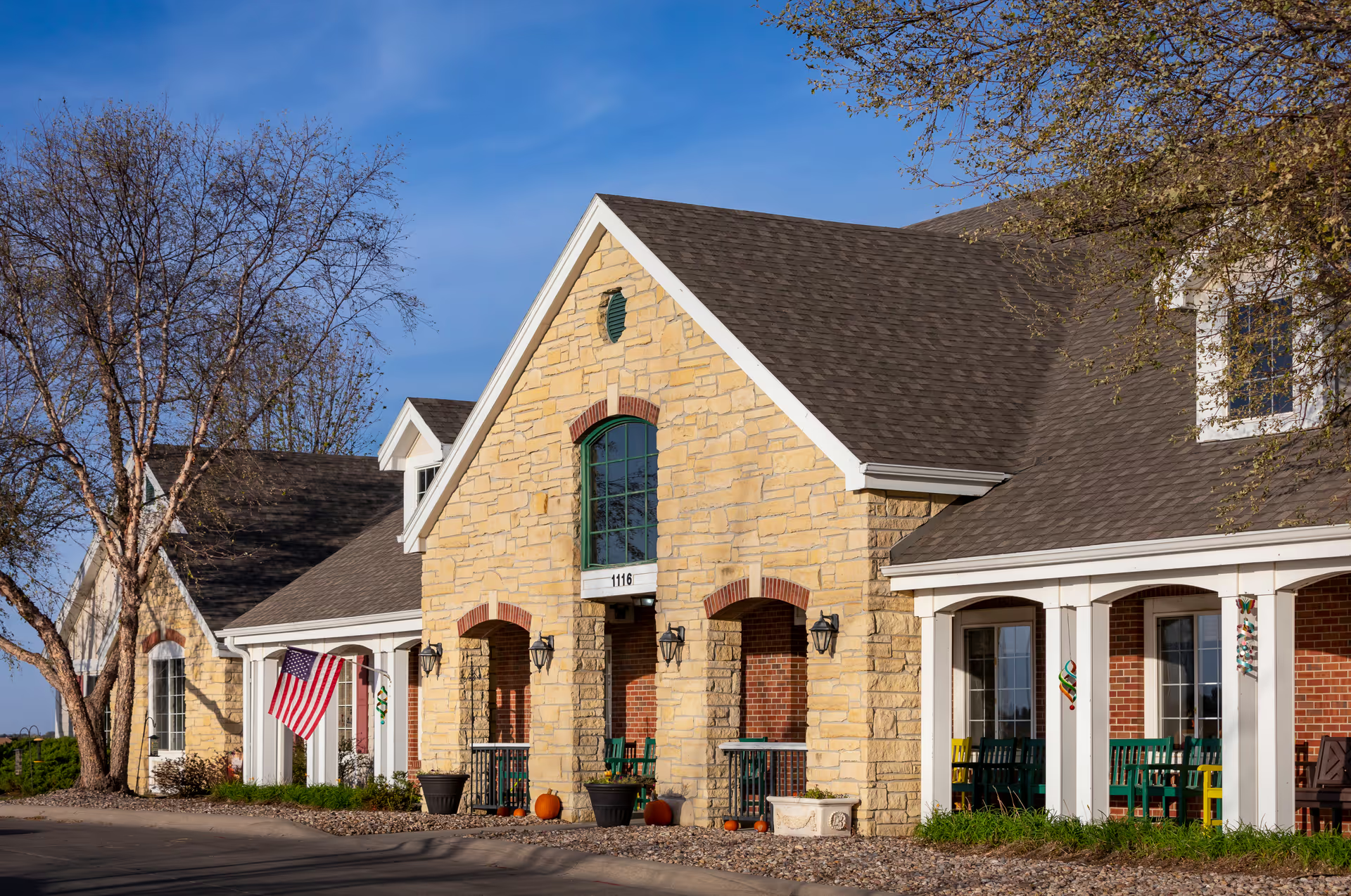
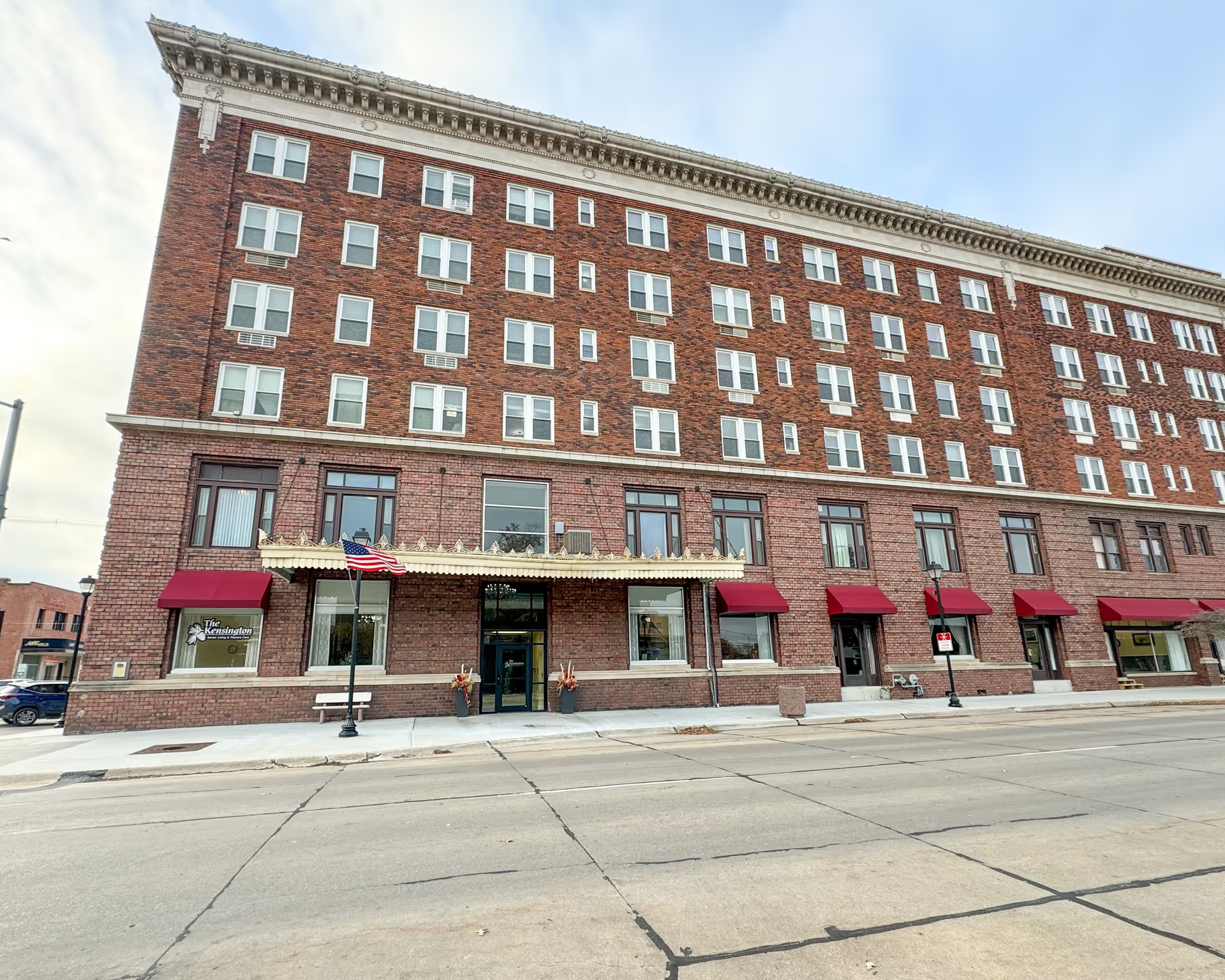
Facilities and management: Observations point to an older building that nevertheless "looks good" on visits, indicating cosmetic upkeep despite an aging physical plant. The facility is described as well managed in several comments, reinforcing impressions of competent day-to-day administration. However, the combination of an older structure and at least one strongly negative experience suggests two areas to probe further: the facility's capital-maintenance plan (to address infrastructure limitations) and its quality-assurance processes (to ensure consistent care standards and timely responsiveness to concerns).
Notable patterns: Strengths center on interpersonal care, staff attitude, and operational management; weaknesses are primarily facility-level traits such as an aging physical plant and occasional variability in resident or family satisfaction. The set of summaries overall suggests a generally positive care environment with the possibility of uneven experiences for some families. Prospective residents should prioritize an in-person tour, ask about recent inspections and corrective actions, review staffing patterns, and seek specifics on dining and activity programming to form a complete assessment.