Reviews of Accura HealthCare of North Platte present a mixed picture with clear strengths in interpersonal care and rehabilitation alongside recurring operational concerns. Many families and residents describe warm, compassionate interactions with nursing staff and CNAs, frequent hands-on leadership from the director of nursing and administrator, and a generally welcoming atmosphere. The facility's rehabilitation services and physical-therapy program receive positive mention from multiple sources, and several reviewers praised housekeeping, on-site salon services, engaging activities (games, puzzles, movie nights), and the quality of meals.
At the same time, a number of operational weaknesses recur across reviews. Clinical care quality appears inconsistent for some residents, with accounts of timely and attentive care alongside reports of delayed medication delivery, delayed call-light responses, and issues with hydration and basic care tasks. Staffing levels and responsiveness are described as variable; some reviewers note that staff are stretched thin and that administration appears spread across multiple responsibilities, which reviewers link to slower response times and missed duties.
Communication and accountability are notable areas of concern. Reviewers describe examples of poor communication with families and clinicians, delays in billing and refunds, and inconsistent follow-through on reported issues. A small but significant cluster of reviews raises concerns about staff conduct and honesty and questions about emergency response and fall-prevention practices. These comments suggest gaps in incident response protocols and family notification processes rather than consistent systemic failure, but they are serious enough to merit attention.
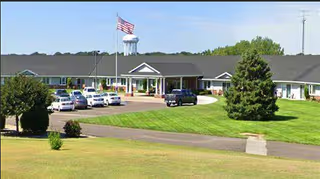
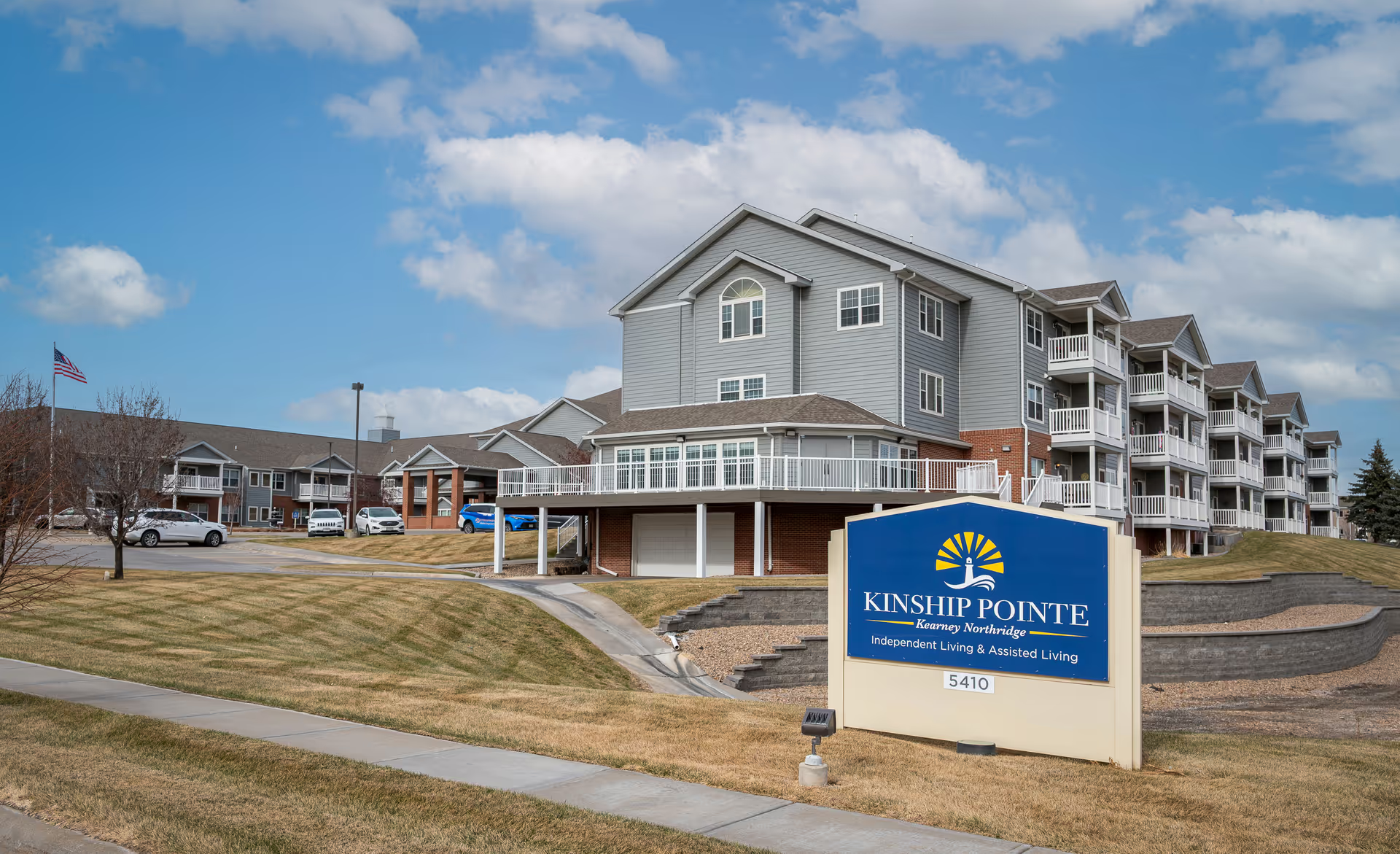
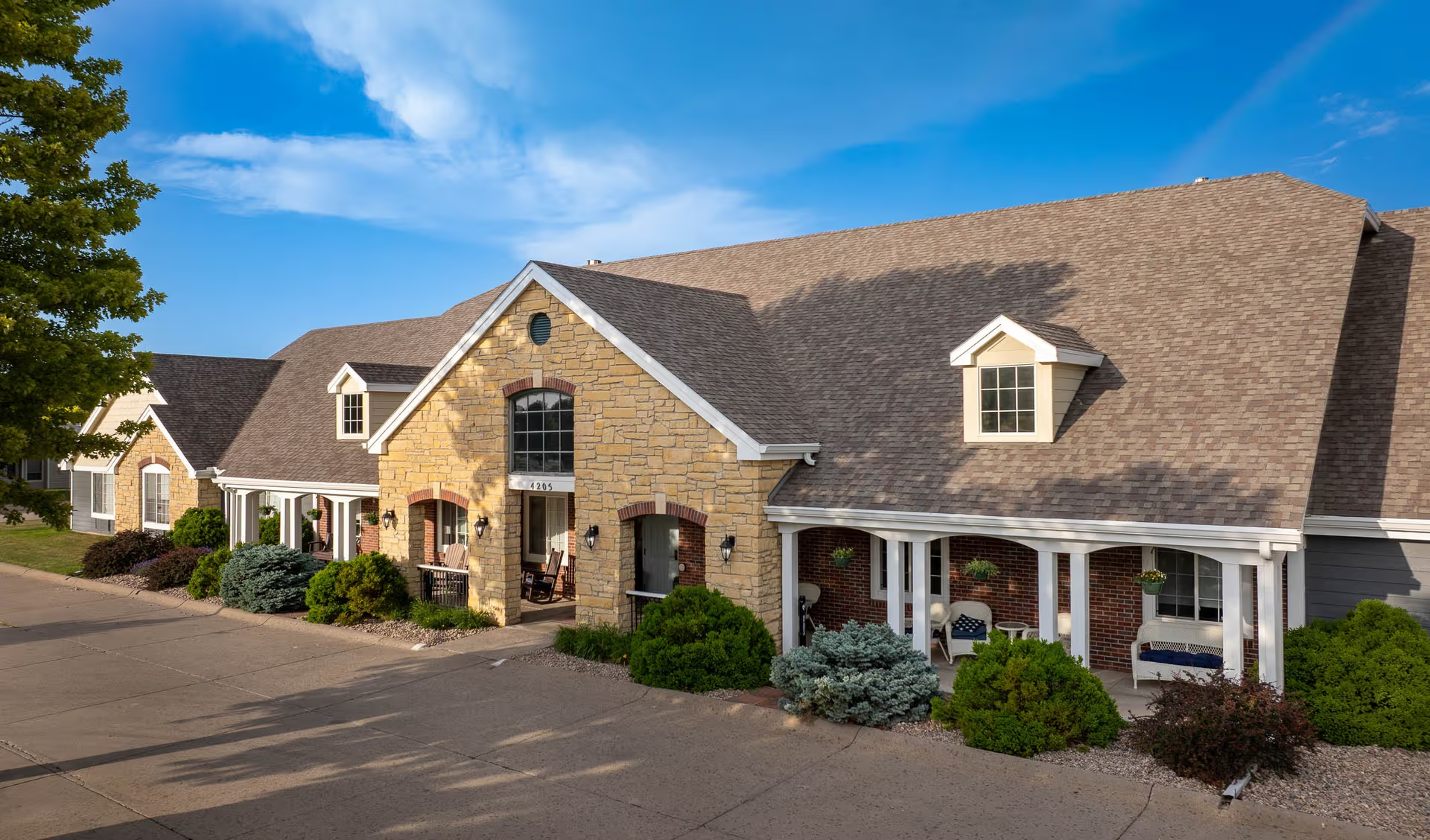
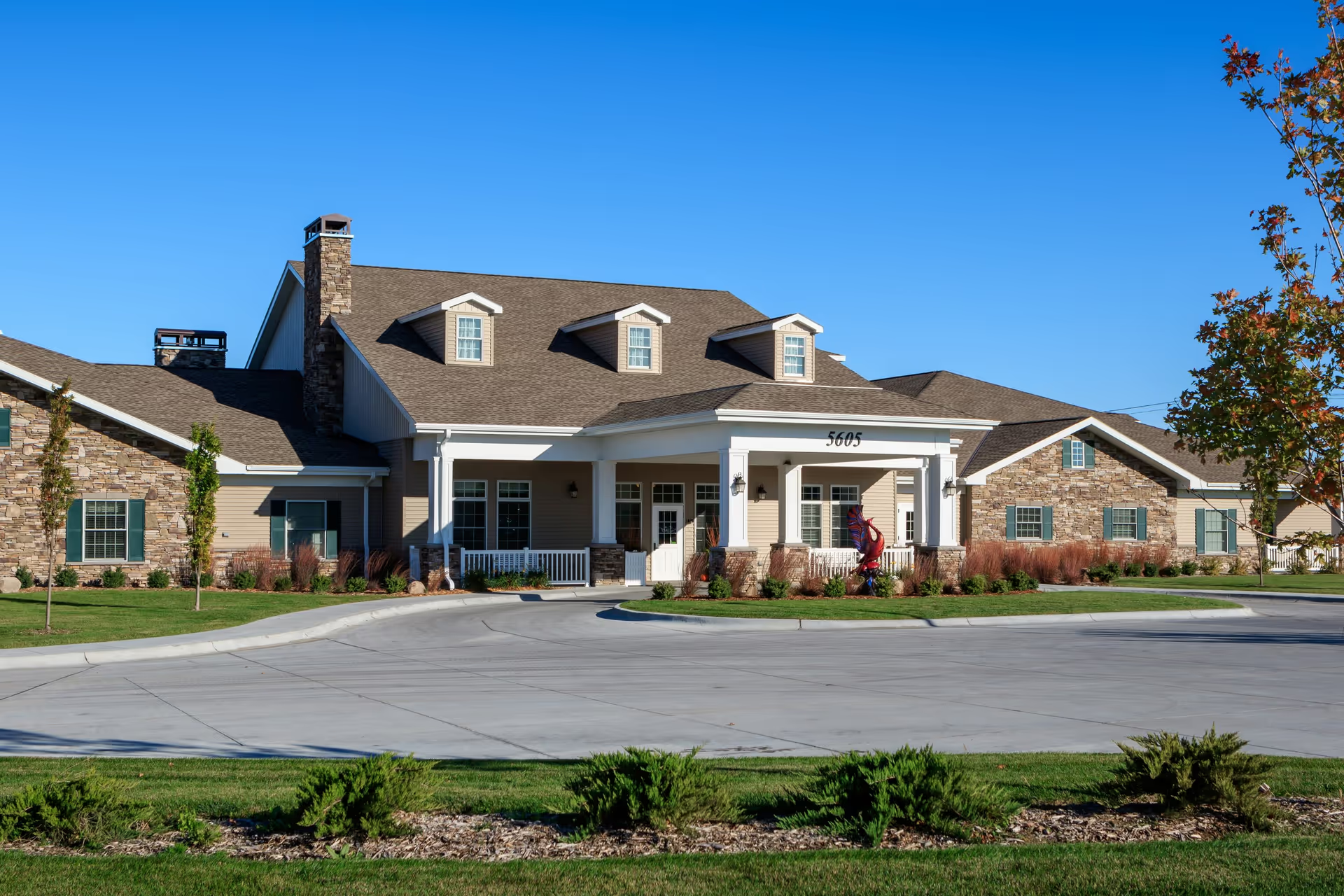
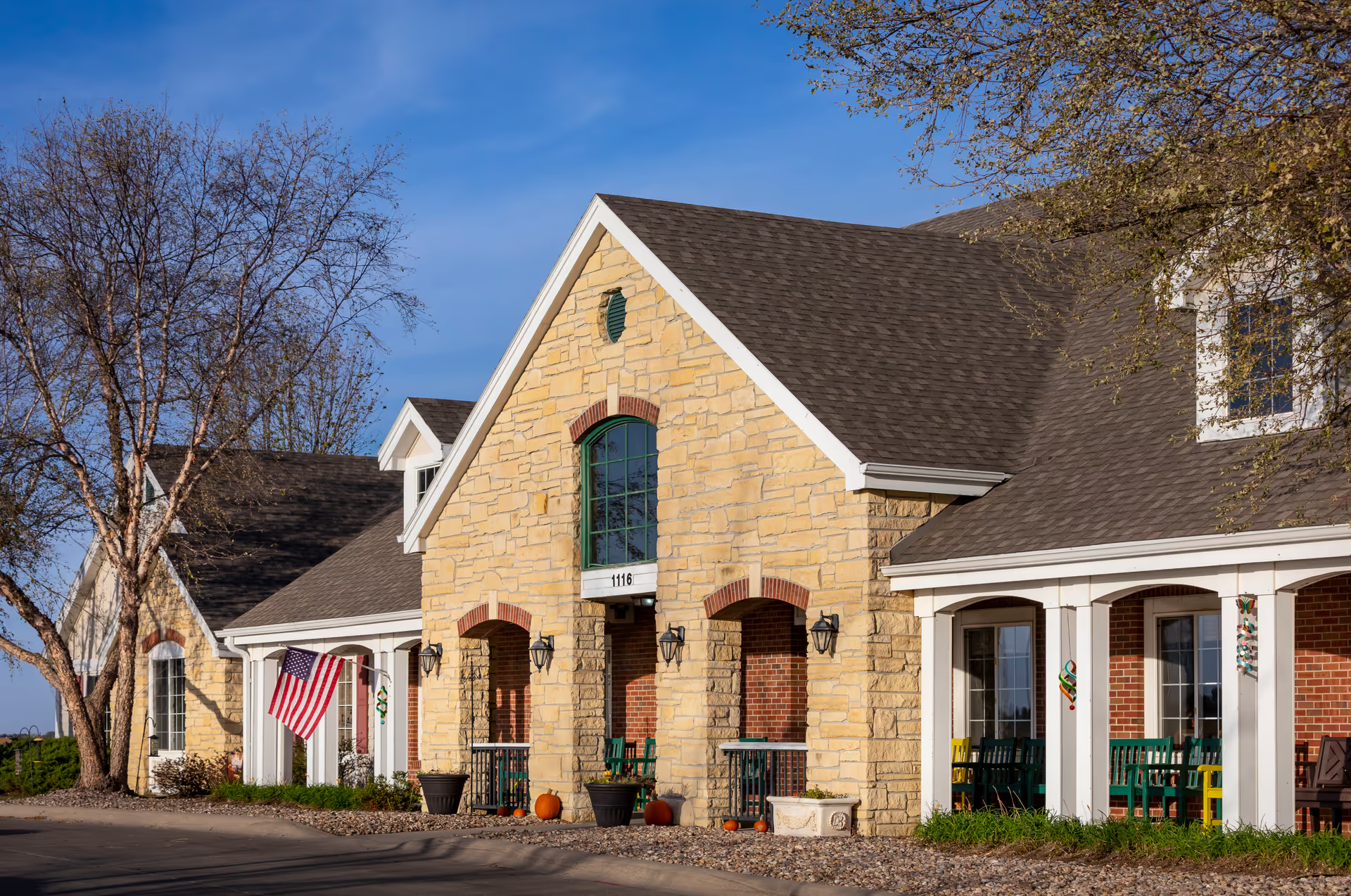
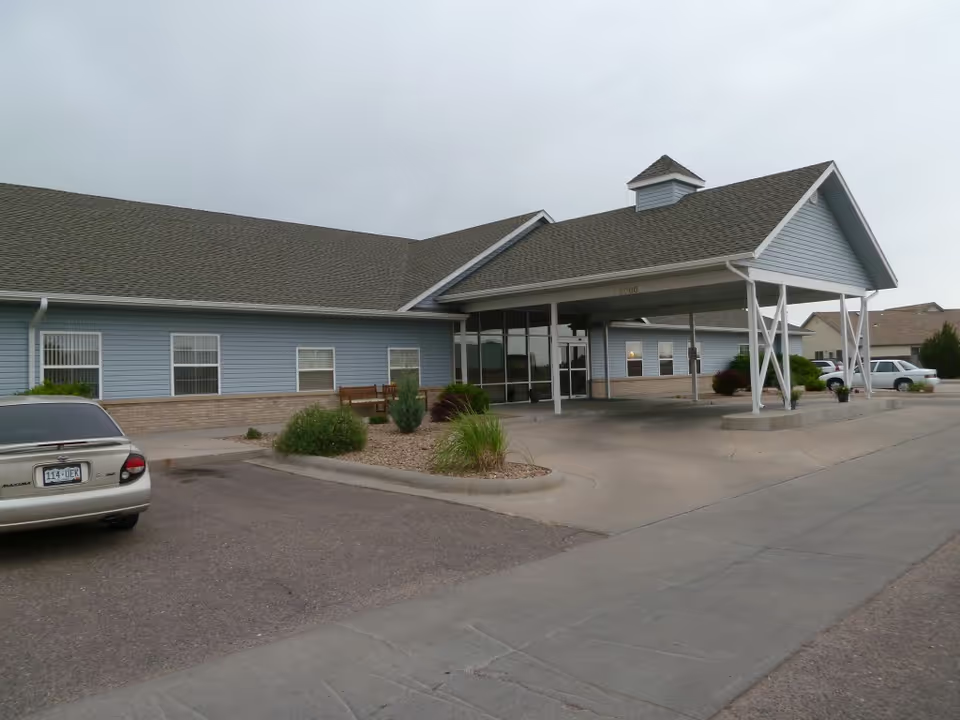
Facility condition assessments are mixed. Several reviewers describe the building as well maintained and presentable, while others note aging rooms, small or poorly lit spaces, and areas needing refurbishment. Housekeeping receives positive mention overall, but there are also sanitation and incontinence-care concerns reported in some units, indicating variable adherence to hygiene and toileting support protocols.
Management and responsiveness show a similar contrast: the administrator is frequently described as accessible and effective at resolving issues, and recent ownership changes are cited as bringing positive adjustments by some families. Nonetheless, reviewers also report that management resources can be thin, which may contribute to the operational issues above (staffing, communication, billing). The pattern of praise for individual caregivers alongside systemic concerns suggests that strengths are often staff-driven but that facility-level processes — staffing models, medication administration controls, communication protocols, billing systems, and maintenance plans — would benefit from targeted improvement.
For prospective residents and families: consider arranging a focused tour that includes medication-management practices, staffing ratios on the unit where the resident would live, current rehabilitation offerings, examples of activities, and a review of recent ownership or leadership changes. Ask how the facility documents and communicates incidents, how it manages supply and inventory for personal-care items, and what specific steps have been taken to address past billing and responsiveness issues. The facility shows clear capacity for high-quality, compassionate care, but consistent operational improvements appear necessary to ensure that level of service is maintained across all shifts and units.