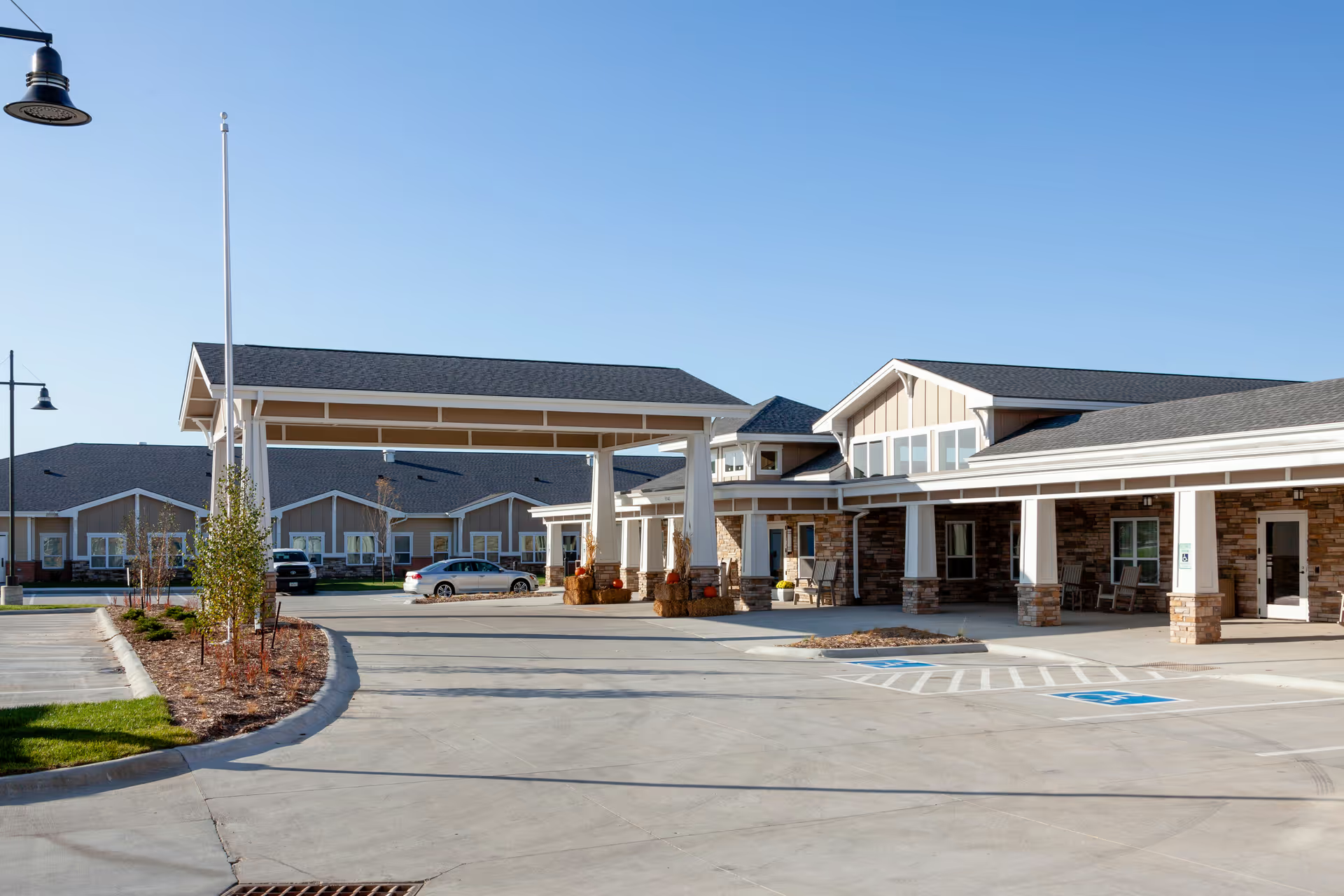
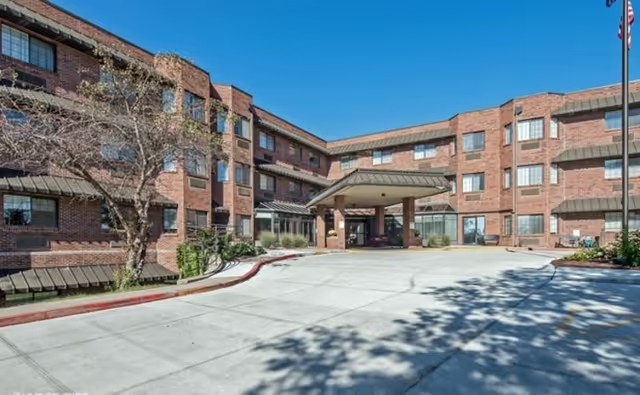
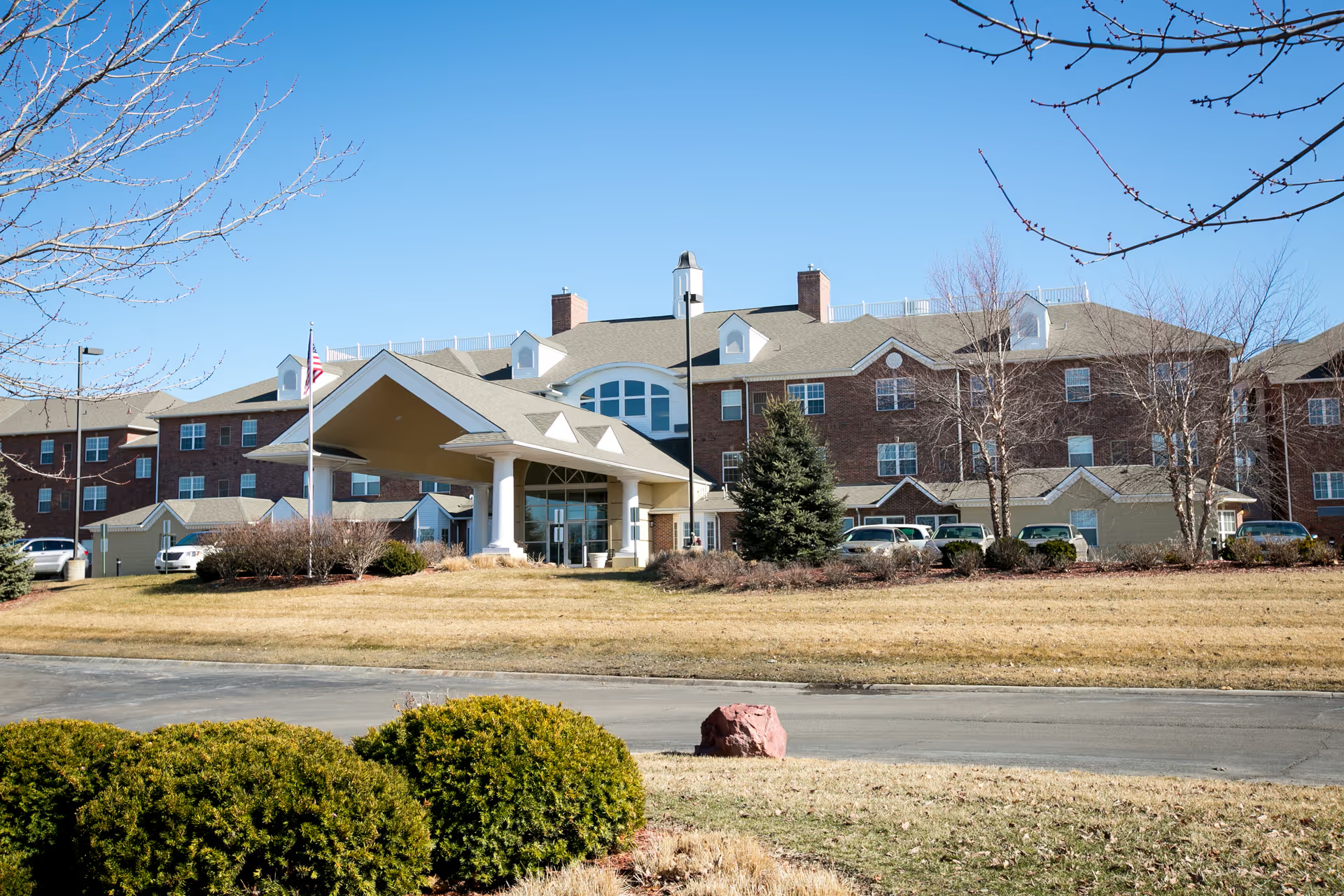
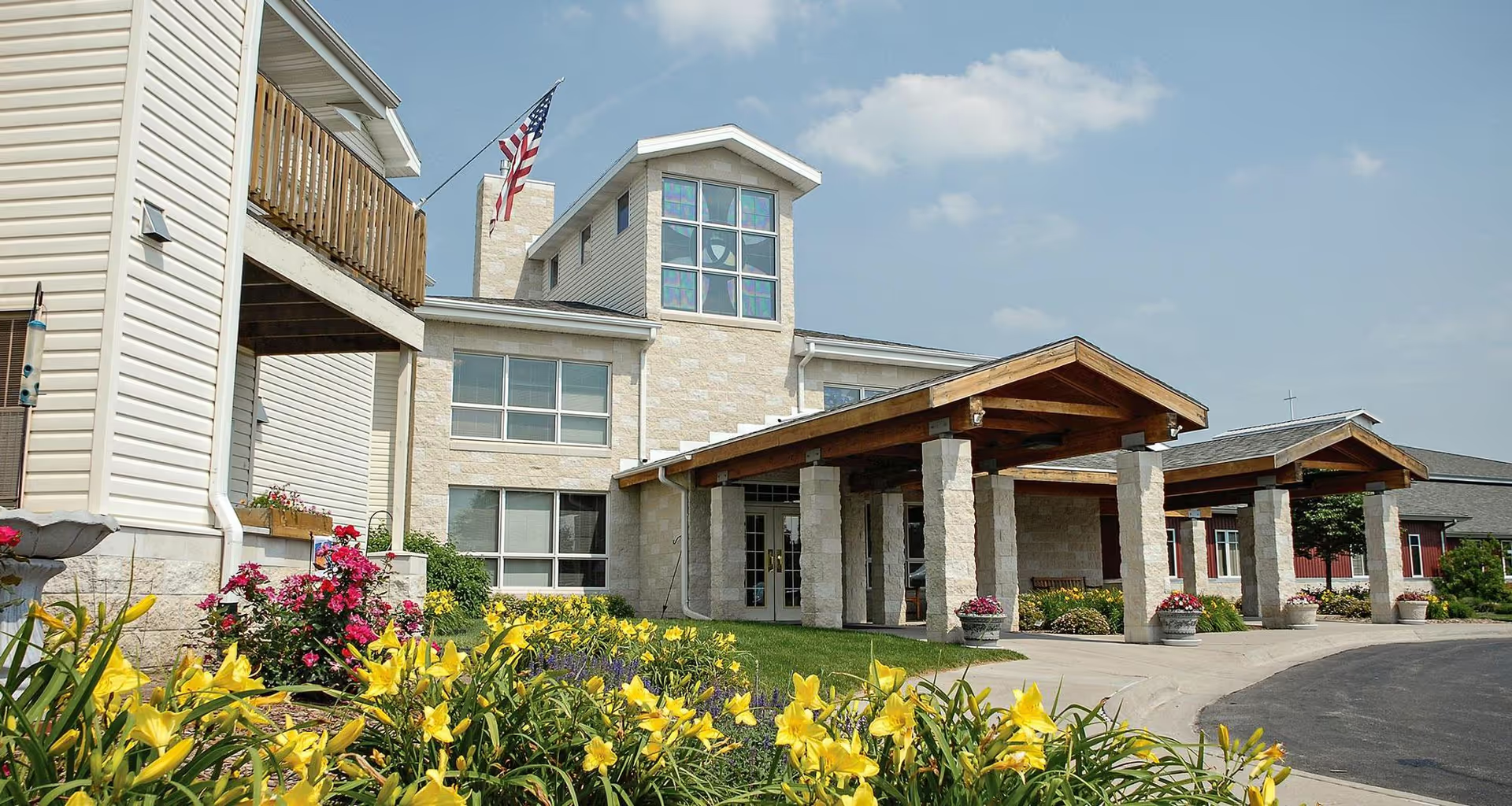
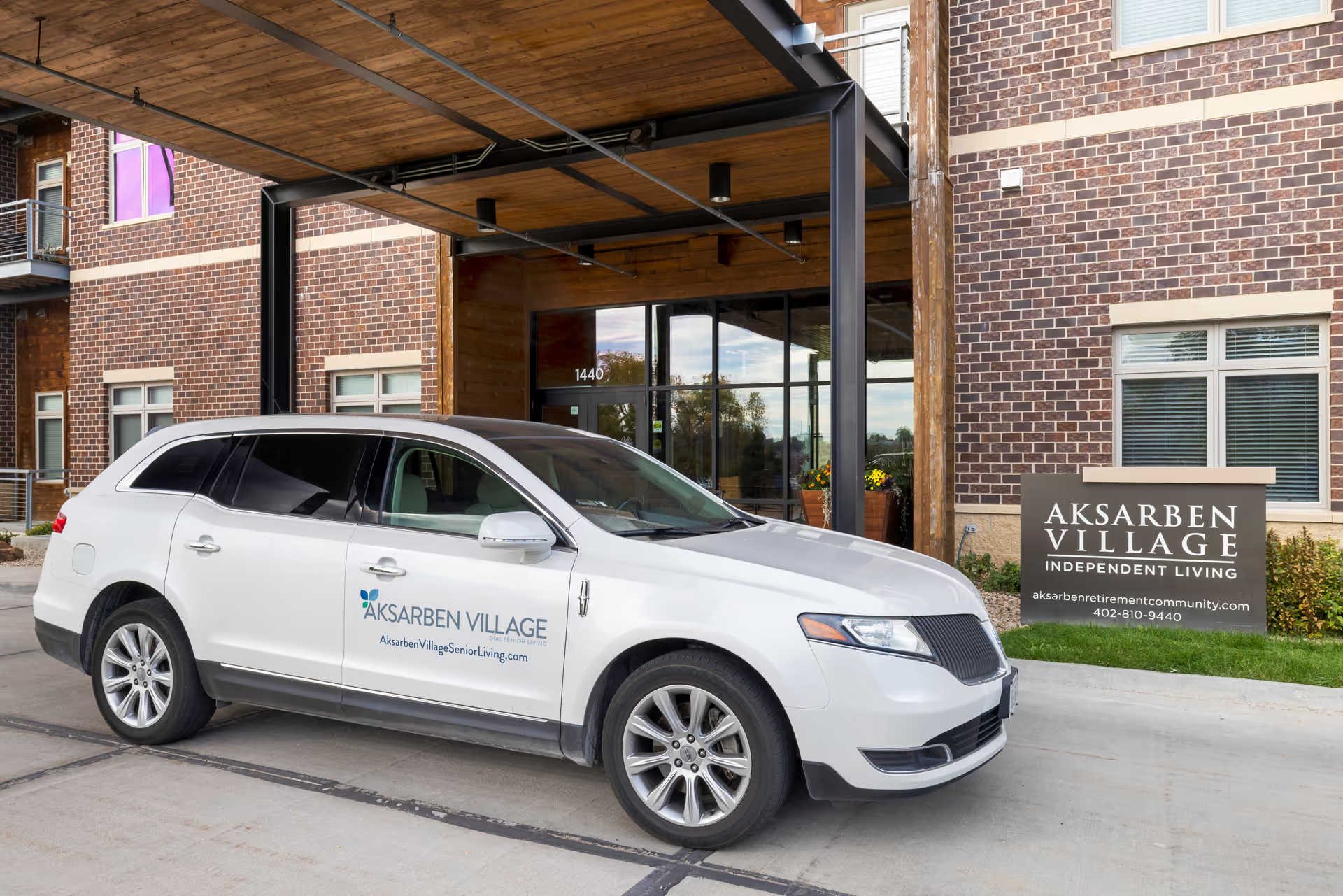
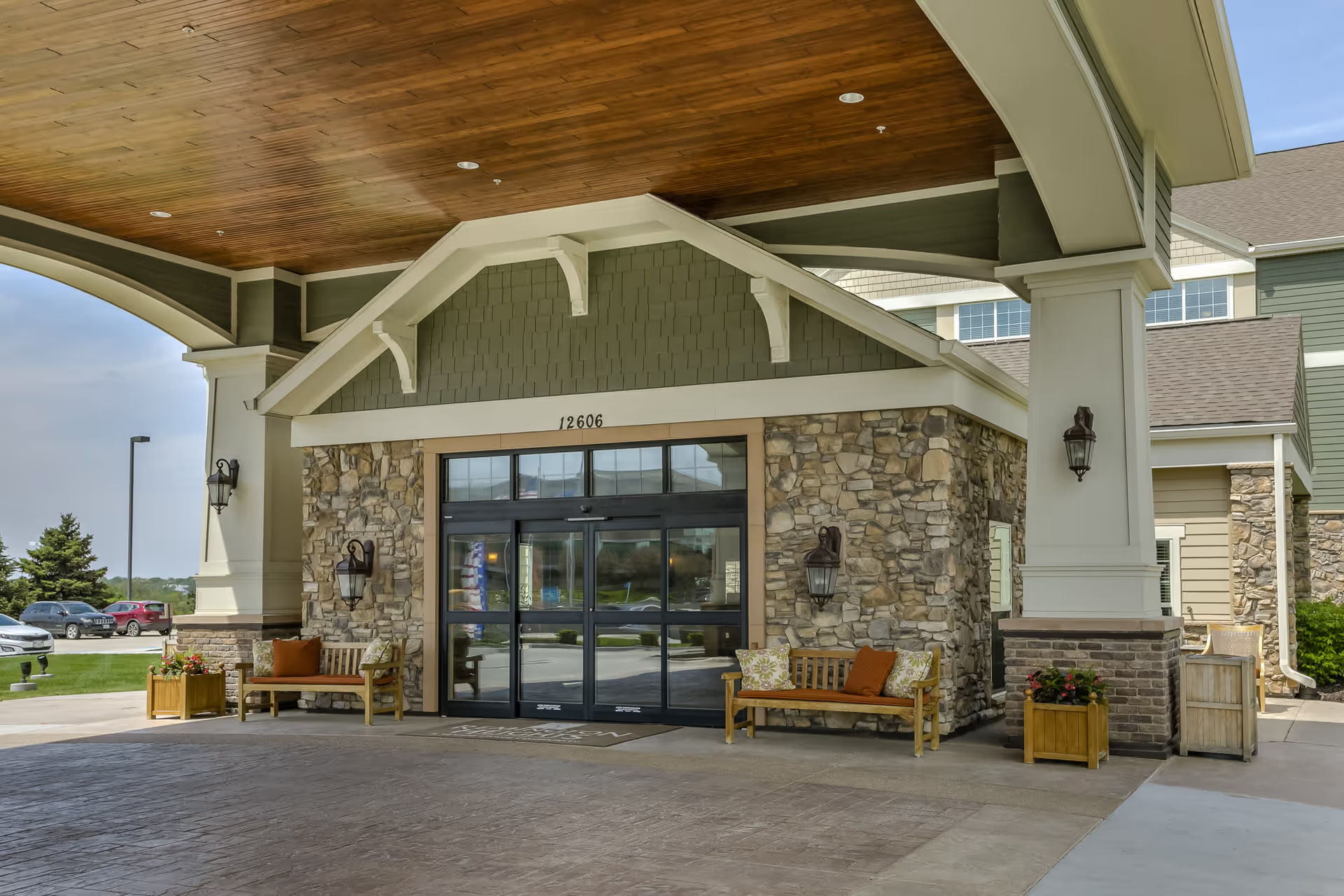
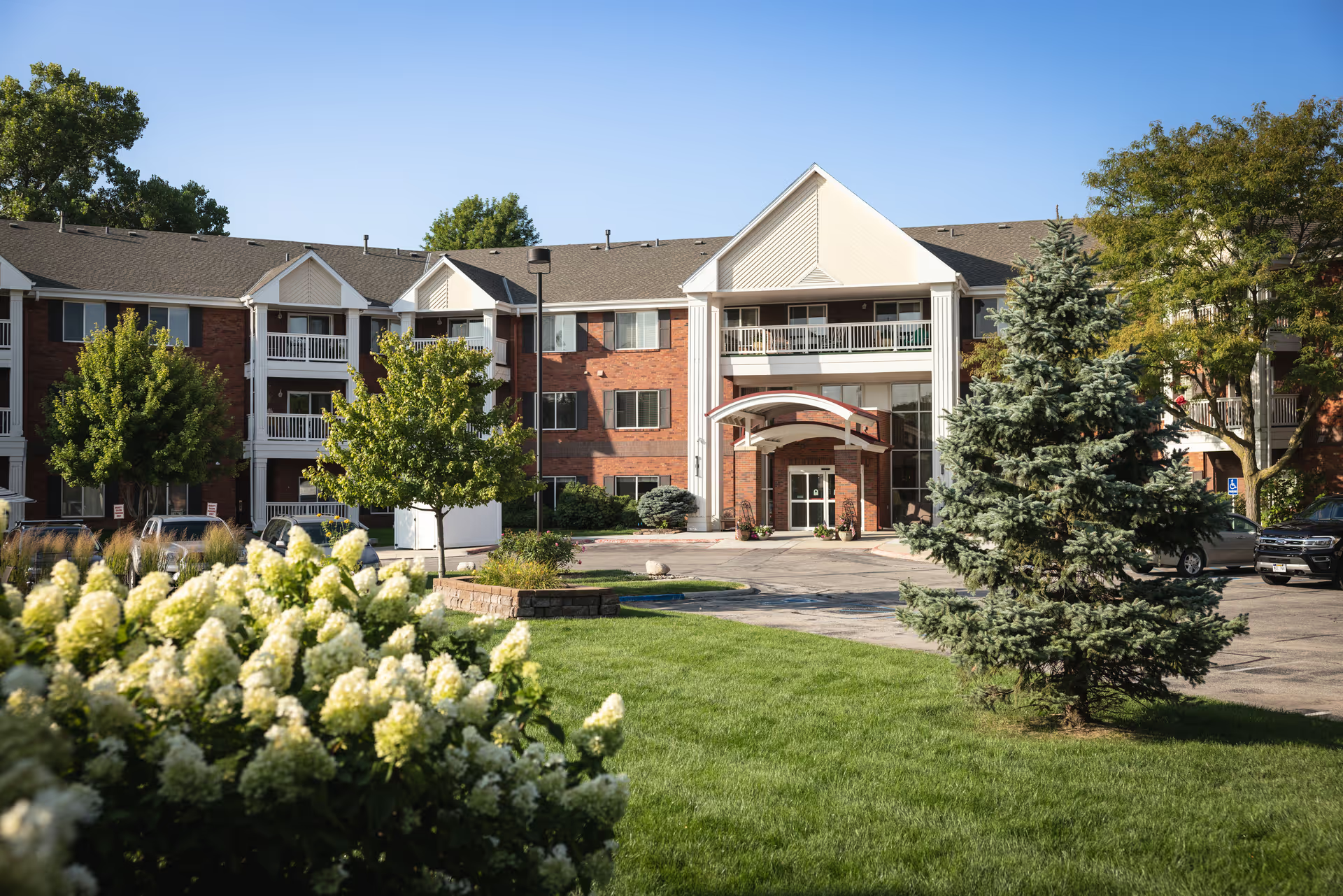
Bailey Pointe at Roxbury Park draws consistent praise for its staff and community atmosphere. Many families and residents describe the caregiving teams as compassionate, friendly, and responsive; admissions and move-in assistance receive favorable mention. The community offers well-appointed apartments (including kitchenettes and full-size refrigerators), clean and bright common areas, and a range of onsite amenities such as a salon, library, laundry service, and physical-therapy access. Outdoor spaces — courtyard, veranda, gazebo, and front porch seating — are highlighted as meaningful quality-of-life features, and numerous reviewers emphasize a family-like environment and active social dining culture.
Dining and activities are strengths in operational practice: reviewers frequently cite appealing, varied meals prepared by a capable culinary team and a robust calendar of social programs (bingo, arts and crafts, games, seasonal snacks). These programs support social engagement and community connection. That said, some families would prefer more intellectually stimulating or varied programming in addition to the predominantly social offerings.
Care quality feedback is mixed. Many accounts describe reliable medication reminders, attentive mid-day caregiving, and helpful staff communication. However, other accounts point to variability in clinical processes and responsiveness — including concerns about reassessment procedures, delays in attending to residents, and limitations in higher-acuity nursing care. Nighttime staffing adequacy is an identified operational gap for residents with dementia-related needs (sundowning, wandering). A small but consequential subset of families described significant clinical and infection-control concerns during illness episodes; these reports indicate potential gaps in in-person reassessment and incident follow-up that prospective families should clarify with administration.
Management and operations show both positive and problematic patterns. Several reviewers commend clear, helpful communication and prompt maintenance fixes, while others cite management turnover, inconsistent oversight, and sporadic maintenance or sanitation issues in particular rooms. Some families also raised concerns about restrictions on external healthcare providers and variable medication-management consistency. Cost and perceived value were noted: pricing is competitive for many but felt high relative to advanced care needs by others.
For prospective residents and families: the community offers strong social amenities, attractive living spaces, and many examples of compassionate staff and effective daily care. Important topics to address during a tour or meeting with leadership include nighttime staffing ratios and protocols for residents with dementia, procedures for clinical reassessments and infection-control events, policies on outside healthcare providers, maintenance and odor-management practices, medication-administration processes, and how management communicates and follows up after clinical incidents. These conversations will help determine whether the facility’s operational patterns align with a given resident’s care acuity and family expectations.