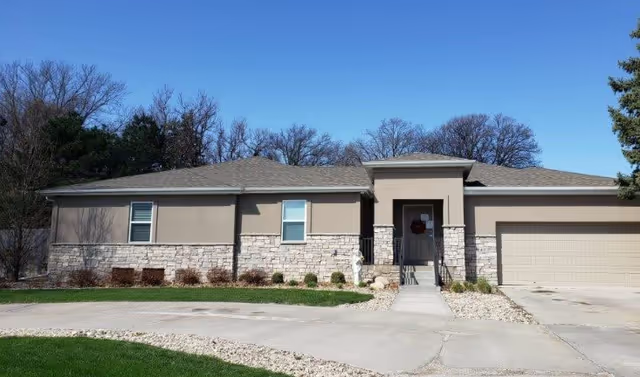
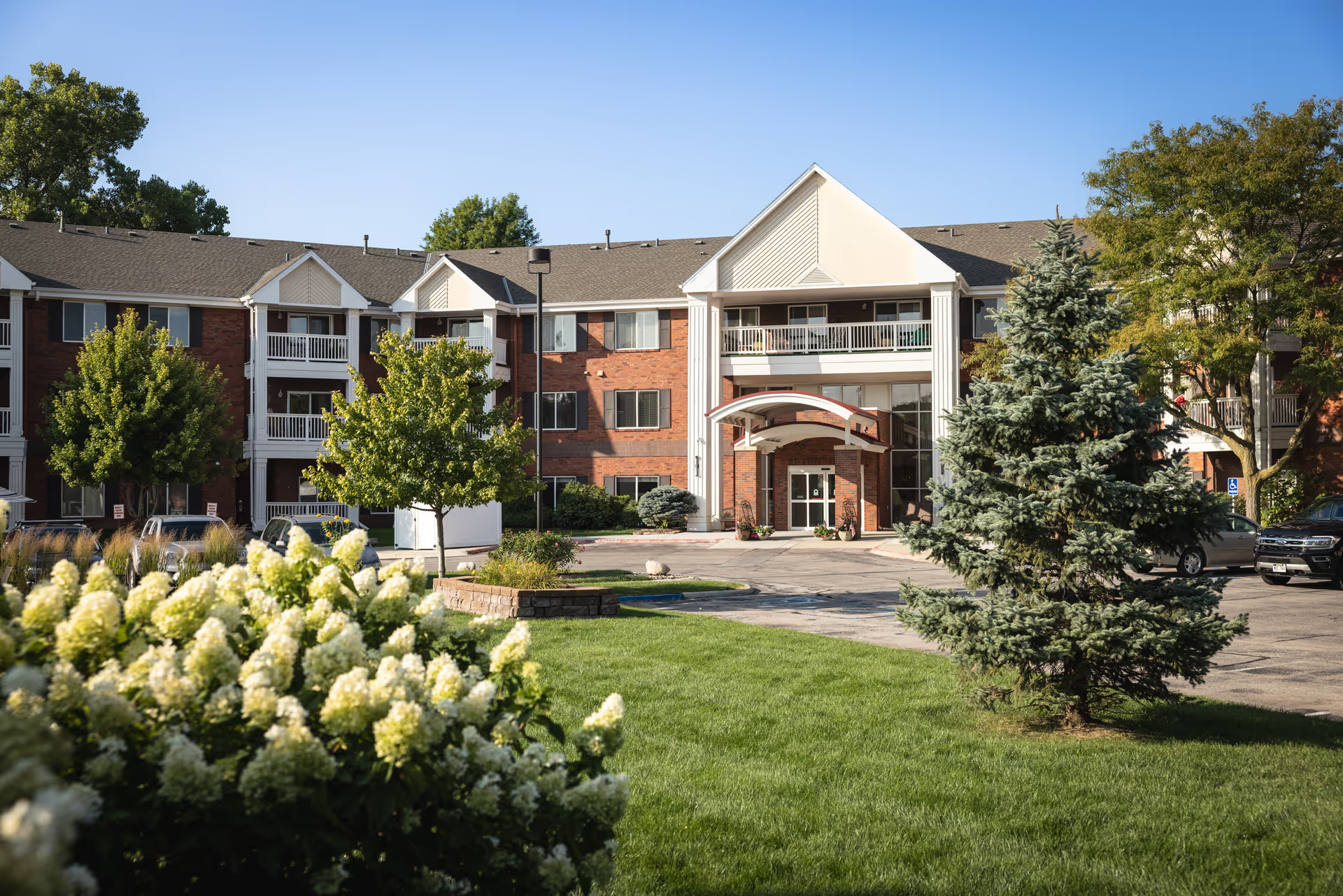
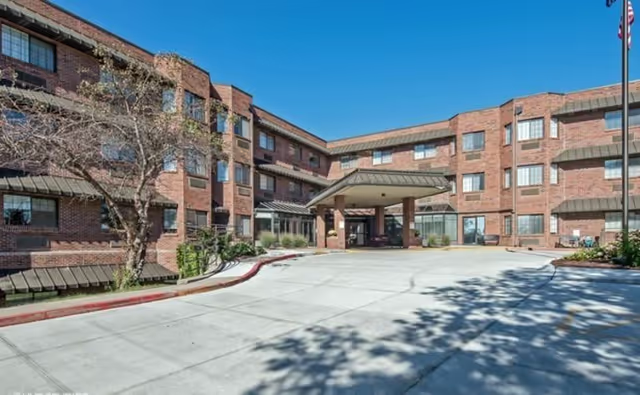
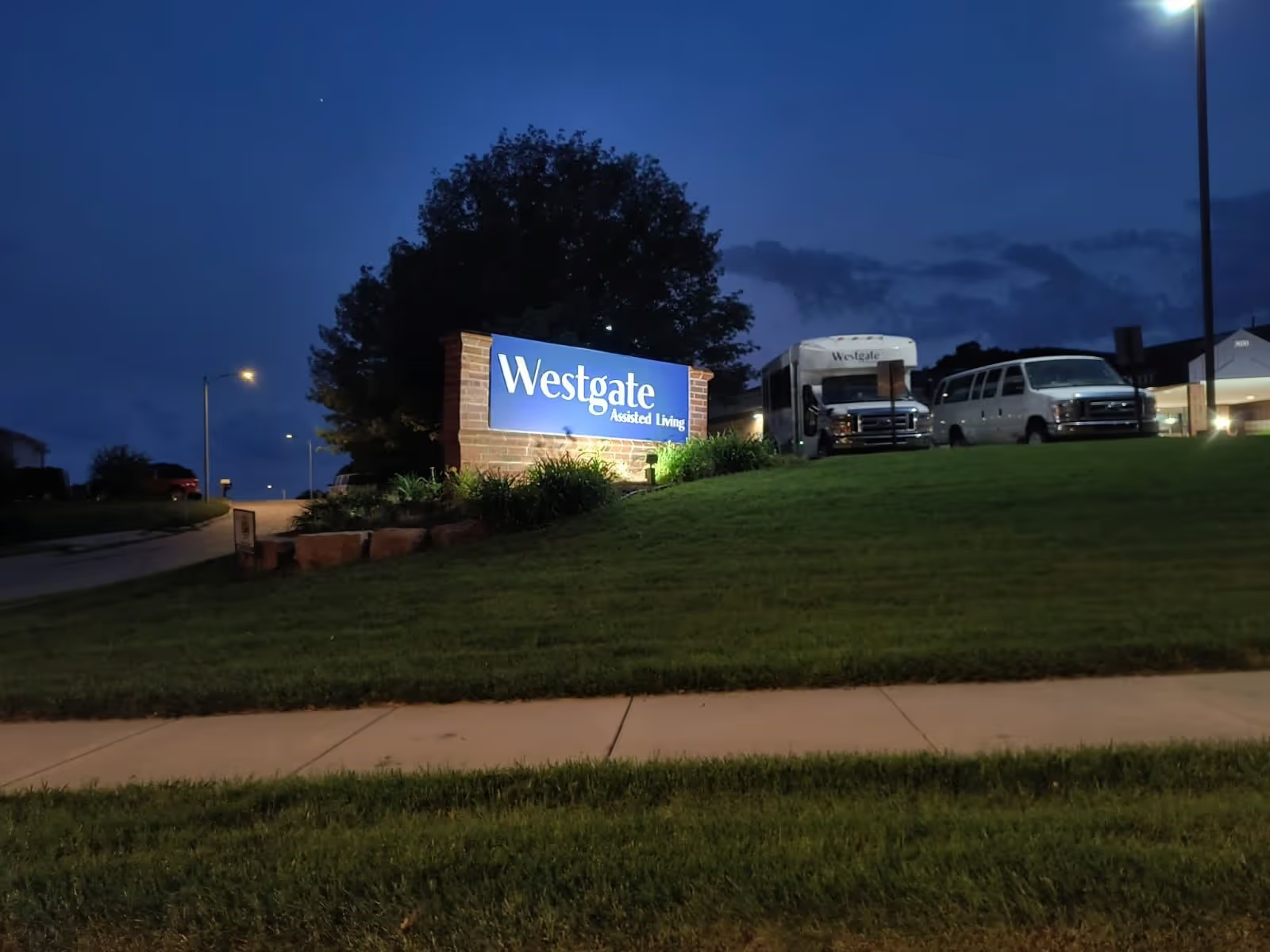
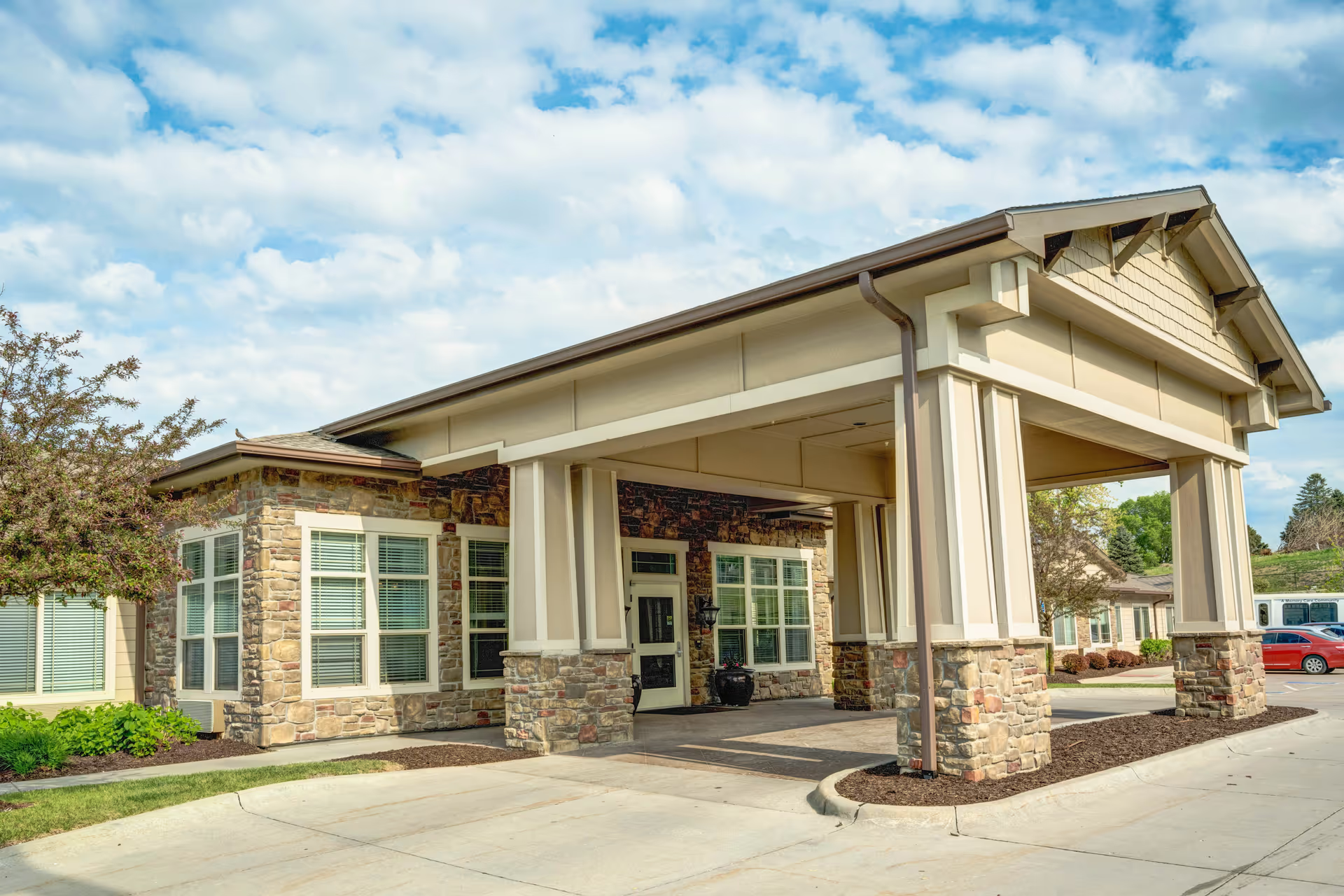
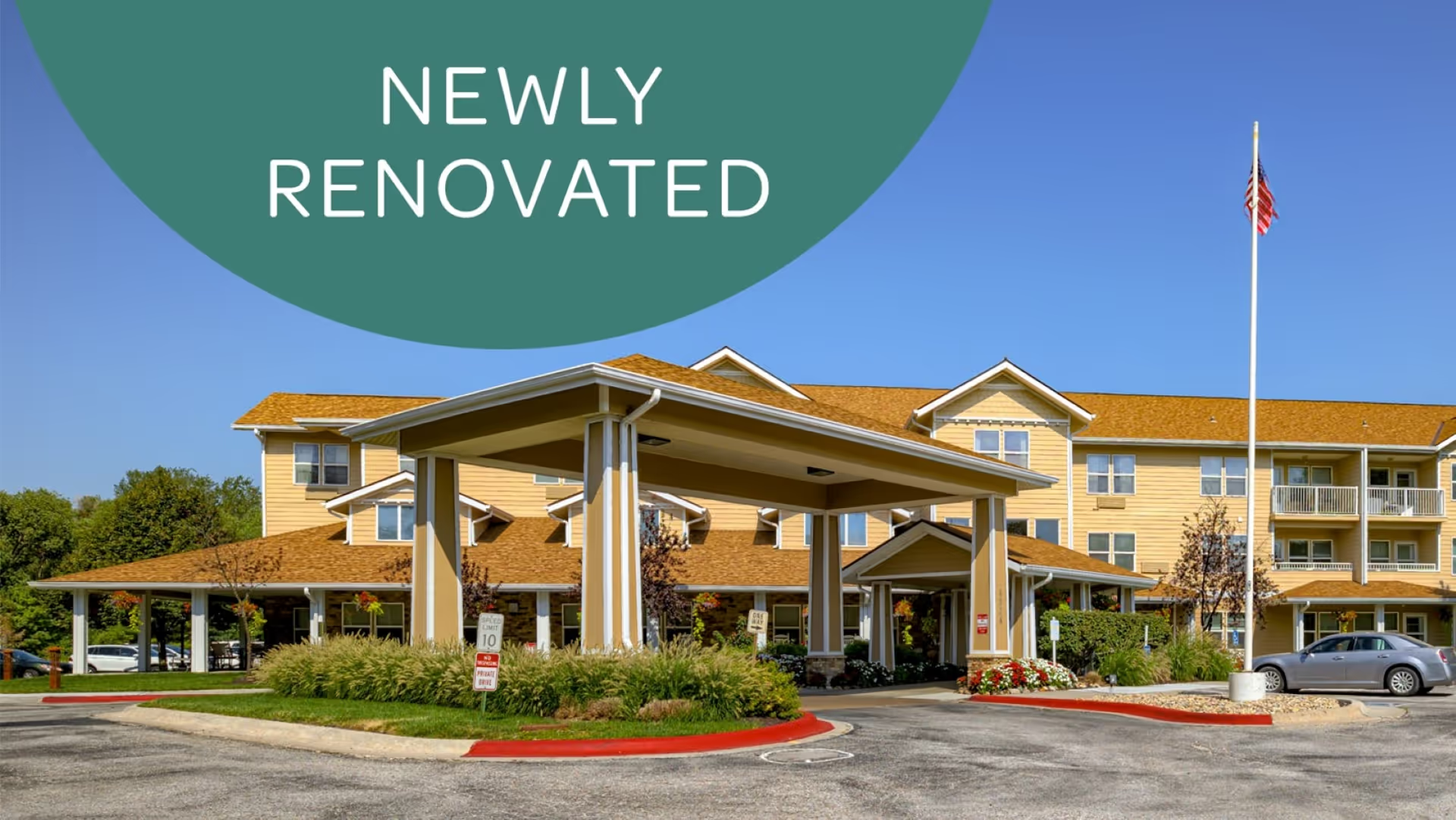
House of Hope presents a mixed but clear profile: the campus and outdoor spaces are consistently described as attractive, well maintained, and serene, and the memory-care and some apartment units have been renovated to be bright with large windows. Families frequently praise the cleanliness of the facility and note dedicated event space that supports family gatherings. Activity programming — including arts and crafts, group movie viewings, exercise, and social opportunities — is visible and frequently cited as a positive source of engagement.
Care quality and staff rapport emerge as a central strength. Reviewers describe consistent, long-term caregiving staff who create a family-like atmosphere; nursing teams are portrayed as attentive and capable of addressing emotional needs such as panic episodes. Several accounts highlight smooth clinical continuity for residents as cognitive needs progressed, including transitions into hospice care without requiring multiple moves. Admissions experiences are often described as supportive, with staff willing to accommodate individual needs and open to suggestions about programming.
At the same time, there are repeated facility-level concerns that prospective families should evaluate. Interior public spaces and some apartments are described as dated and darker in appearance, particularly a lobby area characterized as having a clinical or hospital-like feel. Many units are small and lack kitchenettes, which may limit appeal for residents seeking more independent living arrangements. There are also mentions of deferred cosmetic maintenance (carpet, wall finishes, and other repairs) that detract from unit interiors.
Operational and administrative patterns are uneven. While some families praise helpful and responsive leadership, others experienced lapses in communication and follow-through — examples include missed appointments and complications during billing or Medicaid transitions. These issues point to gaps in administrative processes and financial coordination that can materially affect move-in or payor arrangements. Activity offerings appear plentiful but may not align with every resident’s preferences; staff flexibility is reported, but a tailored activity plan should be confirmed during a tour. A few reviewers expressed concerns about neighborhood safety or visitor access, and several noted that the location is not convenient for all family members, so transportation and proximity are important to verify.
In summary, House of Hope is strong on campus aesthetics, cleanliness, consistent caregiving relationships, and visible activity programming, with particular strengths in continuity of clinical care for dementia and end-of-life needs. Prospective residents and families should balance those strengths against unit size and layout, interior-condition issues, and the facility’s administrative practices. Recommended pre-move steps include an in-person tour of specific apartment types (including daylight and square footage), a review of maintenance and upgrade schedules, direct questions about Medicaid/billing workflow and expected timelines, and a discussion of individualized activity plans and safety measures for visitors and neighborhood access.