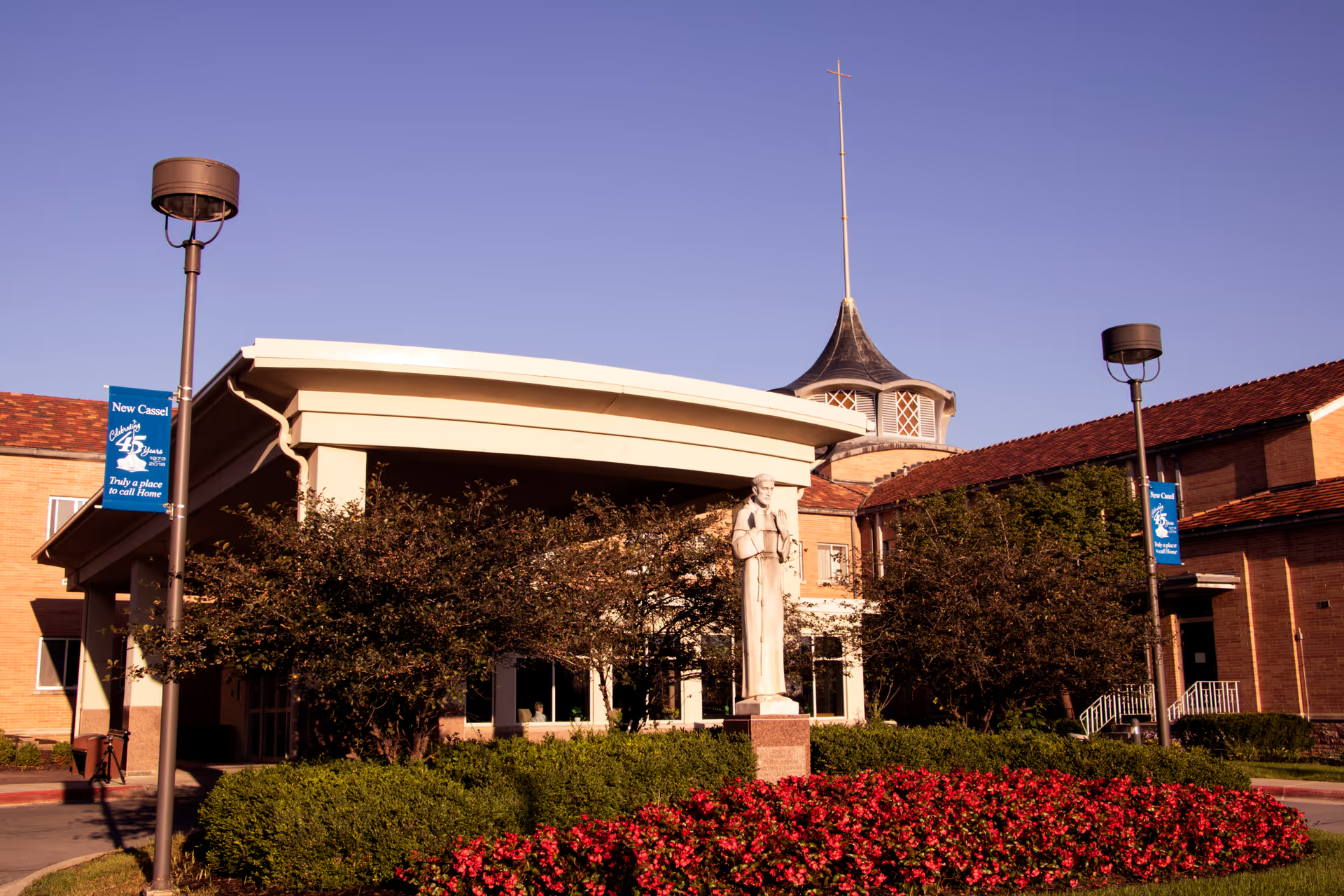
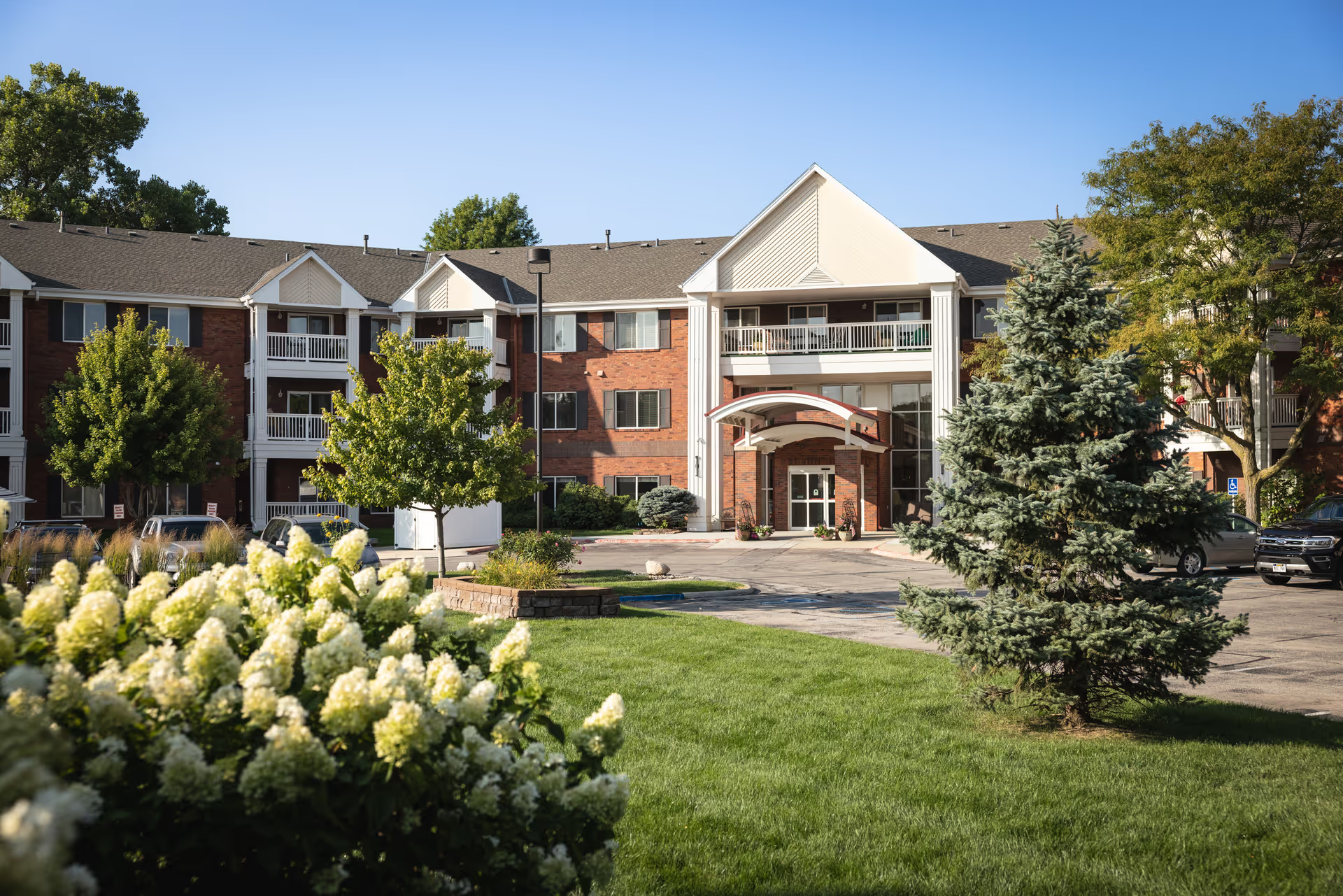
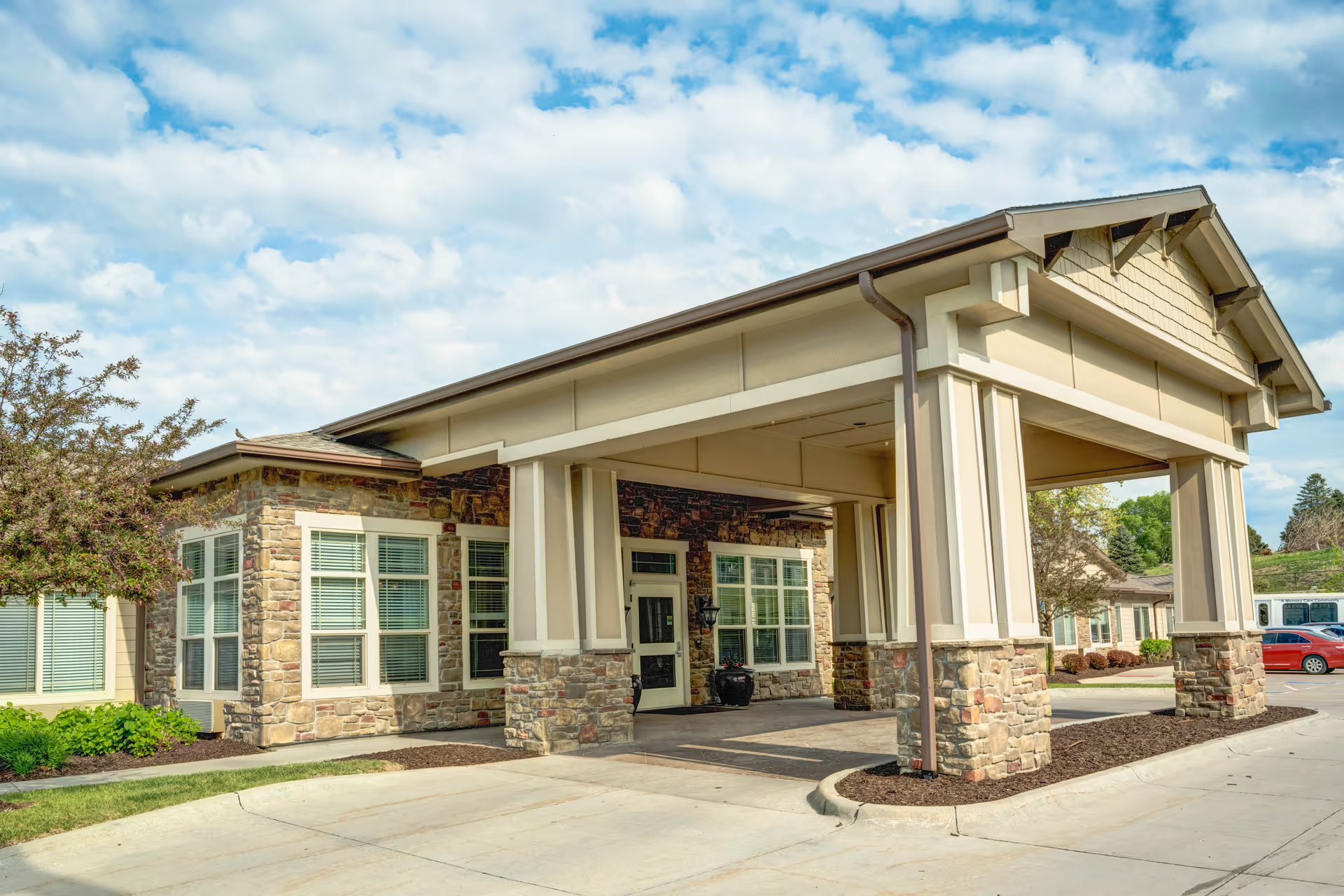
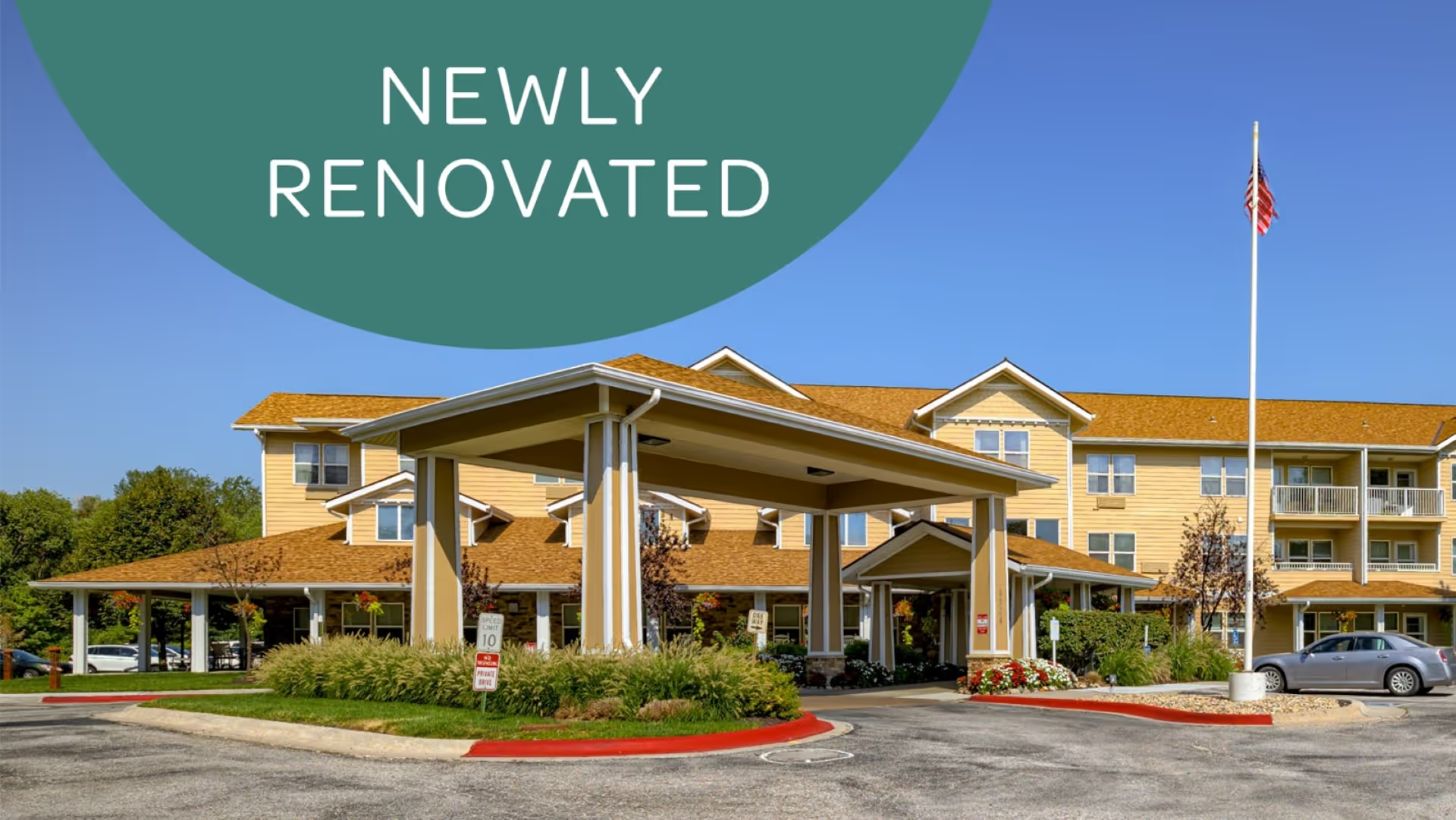
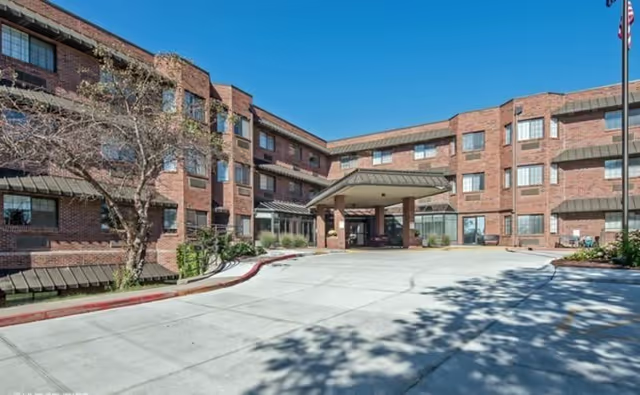
Immanuel Courtyard receives consistently positive remarks for its physical environment and community atmosphere. Reviewers describe attractive, well-maintained grounds and interiors, a generally clean and quiet campus, and a secure setting. Many comments emphasize a small-town feel and a social, welcoming resident population. Apartment size and layout are noted positively, and the facility's not-for-profit status is seen as a distinguishing feature tied to high overall satisfaction among residents and families.
Staff and direct care are frequent strengths in the commentary. Descriptions such as attentive, caring, and loving staff appear repeatedly, and several comments highlight strong, compassionate staff–resident interactions and a perceived high level of personal support. At the same time, the material contains indications of concerns about staff conduct in specific instances; these comments point to the need for attention to communication tone, fairness, and staff-training practices to ensure consistent, respectful interactions across the community.
Dining and food service receive mixed signals. Many reviewers praise the food as appealing and enjoyable, and activities around dining appear to be a positive part of daily life. However, there are also sanitation-related concerns tied to kitchen and food-preparation areas and statements that imply inconsistent adherence to food-safety practices. Additionally, the facility has experienced infection-control events in the past (including COVID-related episodes), which suggests that infection-prevention protocols and their implementation are important topics for prospective residents or families to review with management.
The activities program and social offerings are described as varied and engaging, contributing to resident satisfaction. Facilities are characterized as large yet able to maintain a close-knit atmosphere. Notable operational patterns include generally strong resident engagement and staff commitment, paired with episodic operational weaknesses: sanitation and cleanliness control in specific areas, gaps in infection-control practices, and inconsistencies in safety or procedural execution.
For prospective residents and families, the overall picture is of a well-regarded community with many strengths in environment, social life, and caregiver attitudes. At the same time, the recurring operational concerns suggest clear questions to raise during a visit or tour: current kitchen sanitation and food-safety protocols, recent infection-control measures and outcomes, staff-training and conduct oversight, routine cleaning schedules for communal and care areas, and specific safety or operational procedures. Direct discussion with management about corrective actions taken and ongoing monitoring will help clarify whether the facility’s strengths align with an individual’s priorities and risk tolerance.