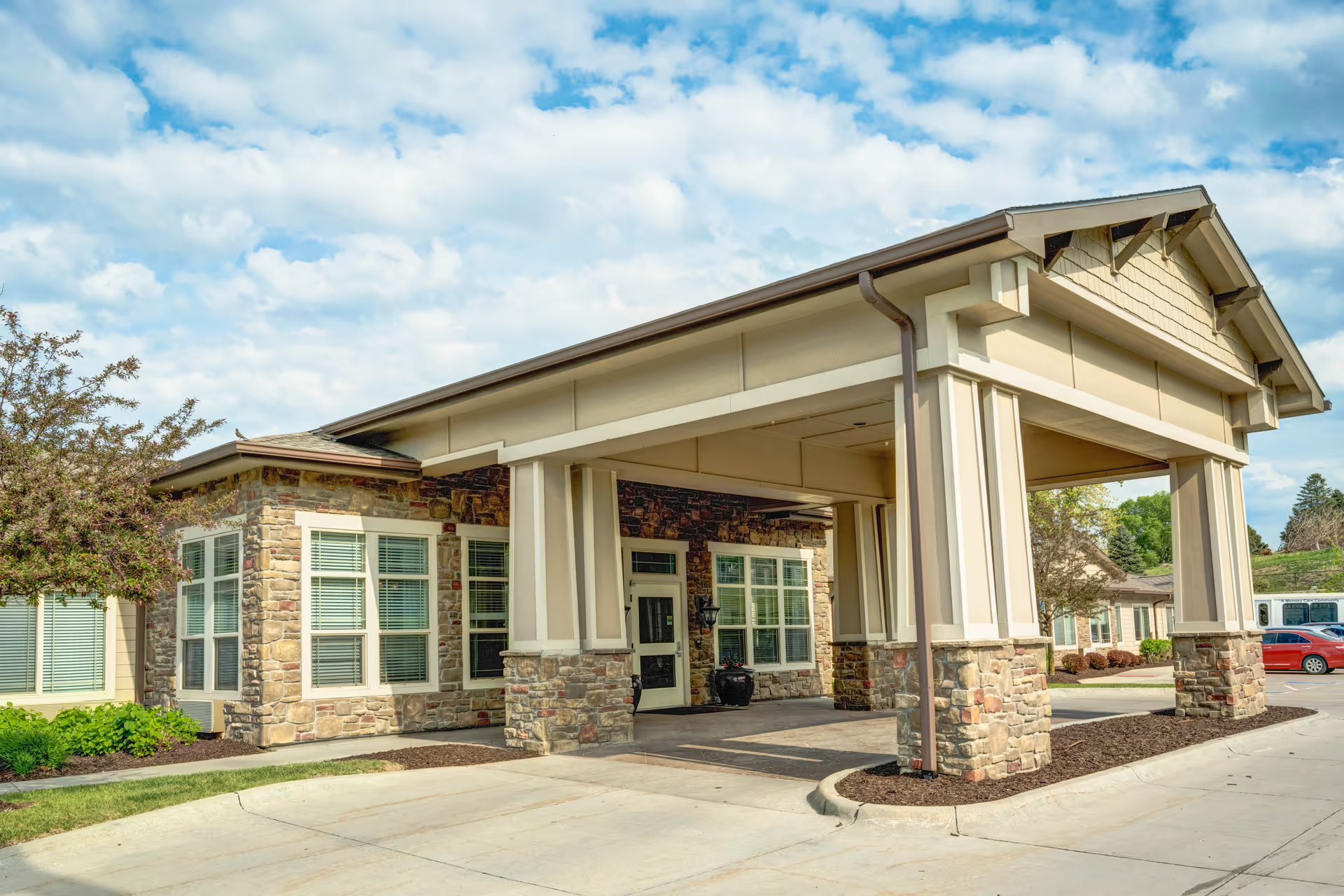
Life Care Center of Omaha elicits strongly polarized impressions. Many families and former residents describe the facility as effective for short-term rehabilitation: the therapy department (physical and occupational therapy) receives consistent praise for helping people regain mobility and return home. Several reviews single out individual staff members in admissions and care coordination roles who provide clear communication and active transition support. On the positive side, reviewers also cite compassionate bedside caregivers, active social programming, accessible therapy spaces, and meal plans tailored by a dietician.
Care and staffing present a mixed picture. There are numerous commendations for CNAs, therapists, and certain nurses who are described as attentive and goal-focused; these staff members are often credited with clinical improvement and successful discharges. Conversely, recurring operational concerns appear around staffing consistency and responsiveness. Families have described delayed responses to call lights, slow follow-up when clinical issues arise, and variability in nursing-station accessibility. Several reviews raise clinically important concerns about medication management practices, including missed or delayed dispensing and at least one allegation of medication diversion; reviewers also describe gaps in follow-up for wounds and post-discharge infections in a subset of cases.
Dining and activities are frequently cited as strengths but with variability. Many residents enjoyed meals and personalized menu adjustments, and activities and social engagement were noted as meaningful contributors to well-being. At the same time, some reviewers reported inconsistent meal quality and restrictive diet handling that did not meet individual preferences. The therapy gym and equipment are described positively and are repeatedly linked to successful rehabilitation outcomes.
Facility condition and safety issues are reported both positively and negatively. Numerous accounts describe clean, well-kept rooms and common areas; however, other accounts express sanitation and odor concerns in particular areas, and a smaller set of reviews notes pest-control problems in resident rooms. There are also multiple allegations regarding personal-item security and a few reports of missing belongings. These concerns point to inconsistent environmental controls and property security in some areas of the facility.
Management, communication, and billing are another area of division. Many families praise specific admissions and liaison staff for clear, compassionate communication and hands-on assistance with placement and discharge. At the same time, other families report poor communication about clinical changes, lack of timely notification for infection-control events, and case-management oversights. Financially, reviewers describe billing disputes, delayed refunds, and aggressive collection actions in a number of accounts, which indicates a need for clearer billing processes and dispute resolution pathways.
Taken together, the pattern suggests a facility with strong rehabilitative capability and many dedicated frontline staff, coupled with operational inconsistency in areas that affect safety, communications, and finances. Prospective residents and their families would benefit from an in-person tour, direct questions about current staffing ratios and medication-safety protocols, review of infection-control and pest-control measures, and clarification of billing and grievance procedures before placement. For those seeking intensive rehab with an aim to return home, the facility shows real strengths; for long-term placement, reviewers recommend confirming ongoing operational reliability and oversight in the specific unit under consideration.