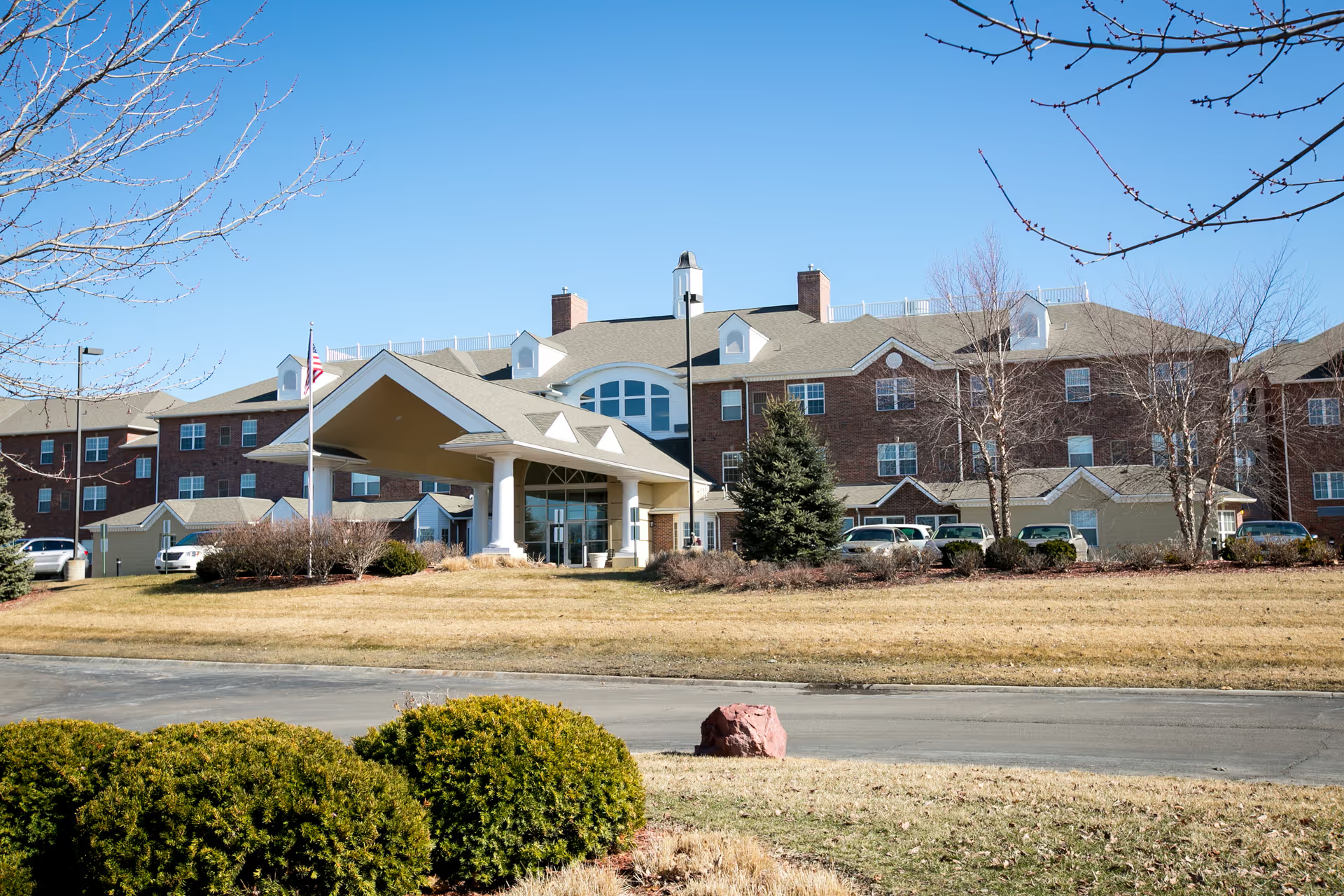
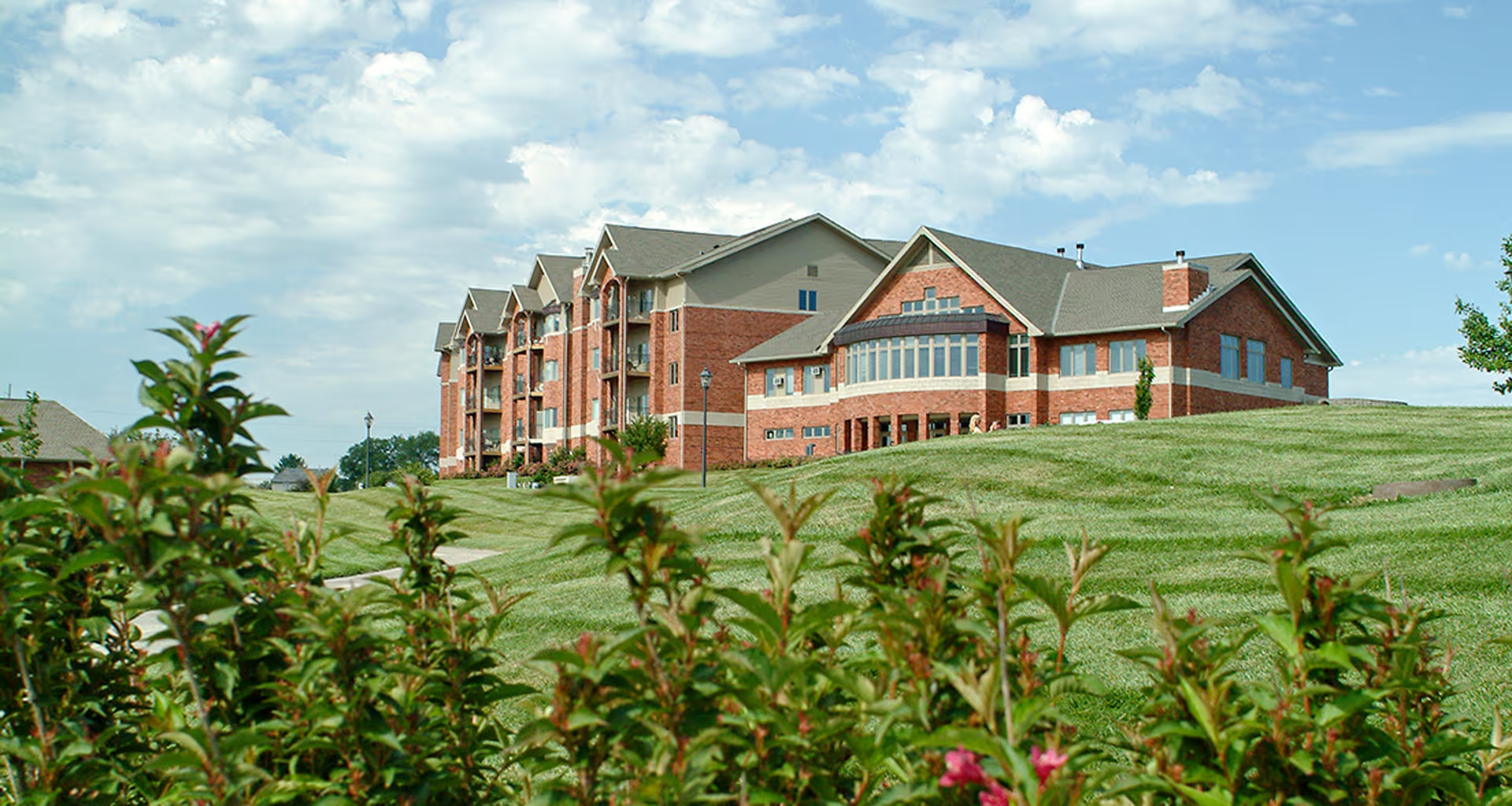
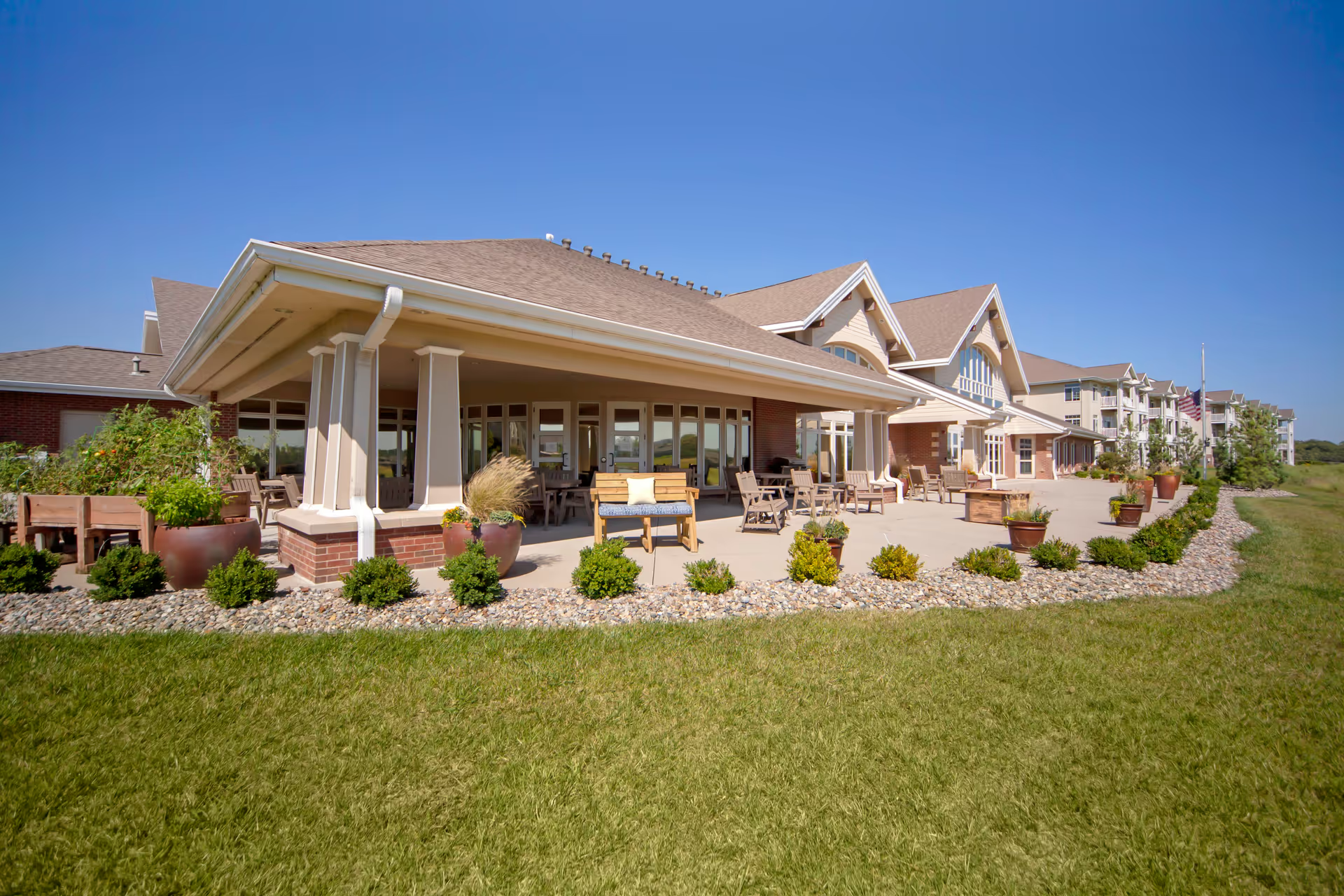
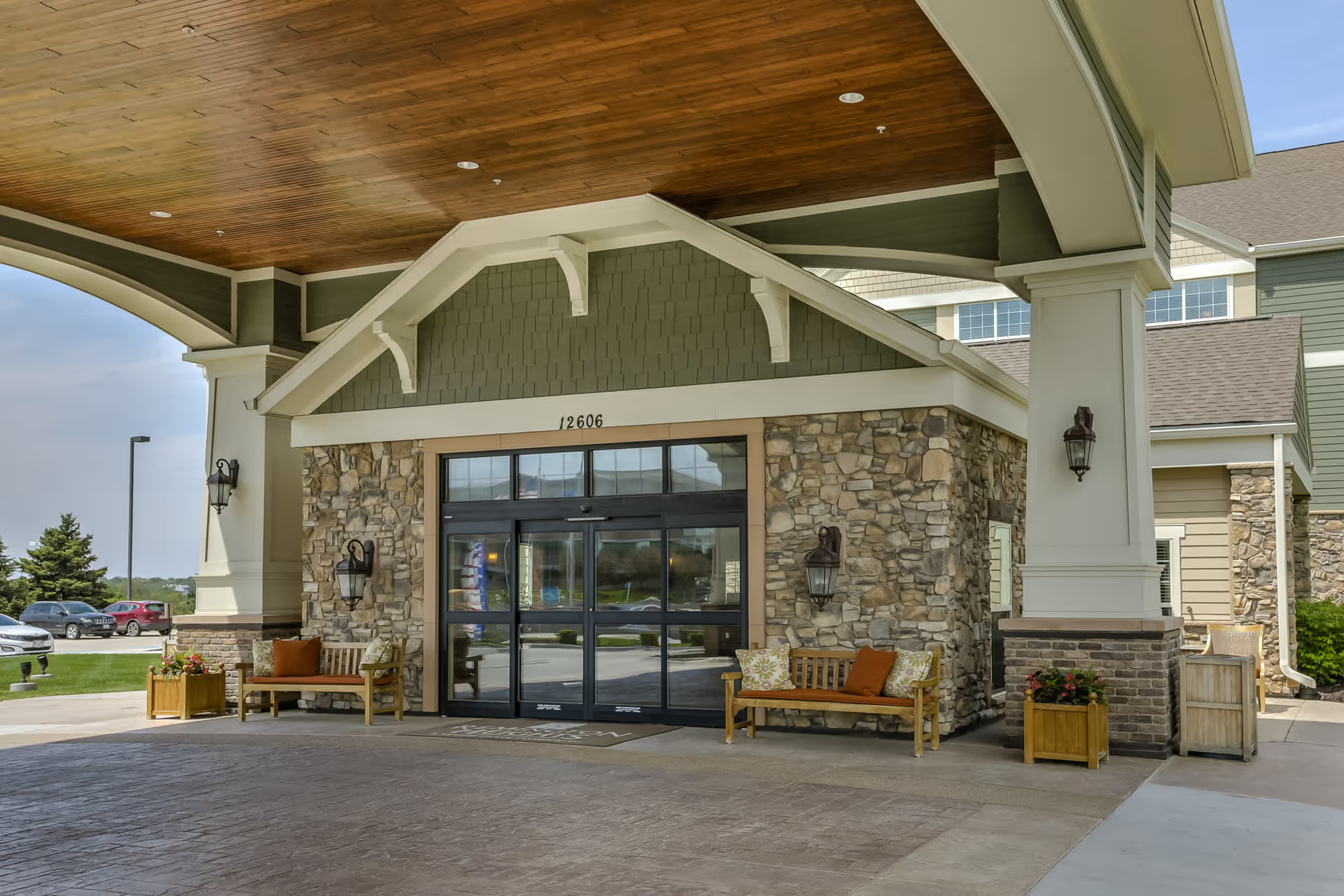
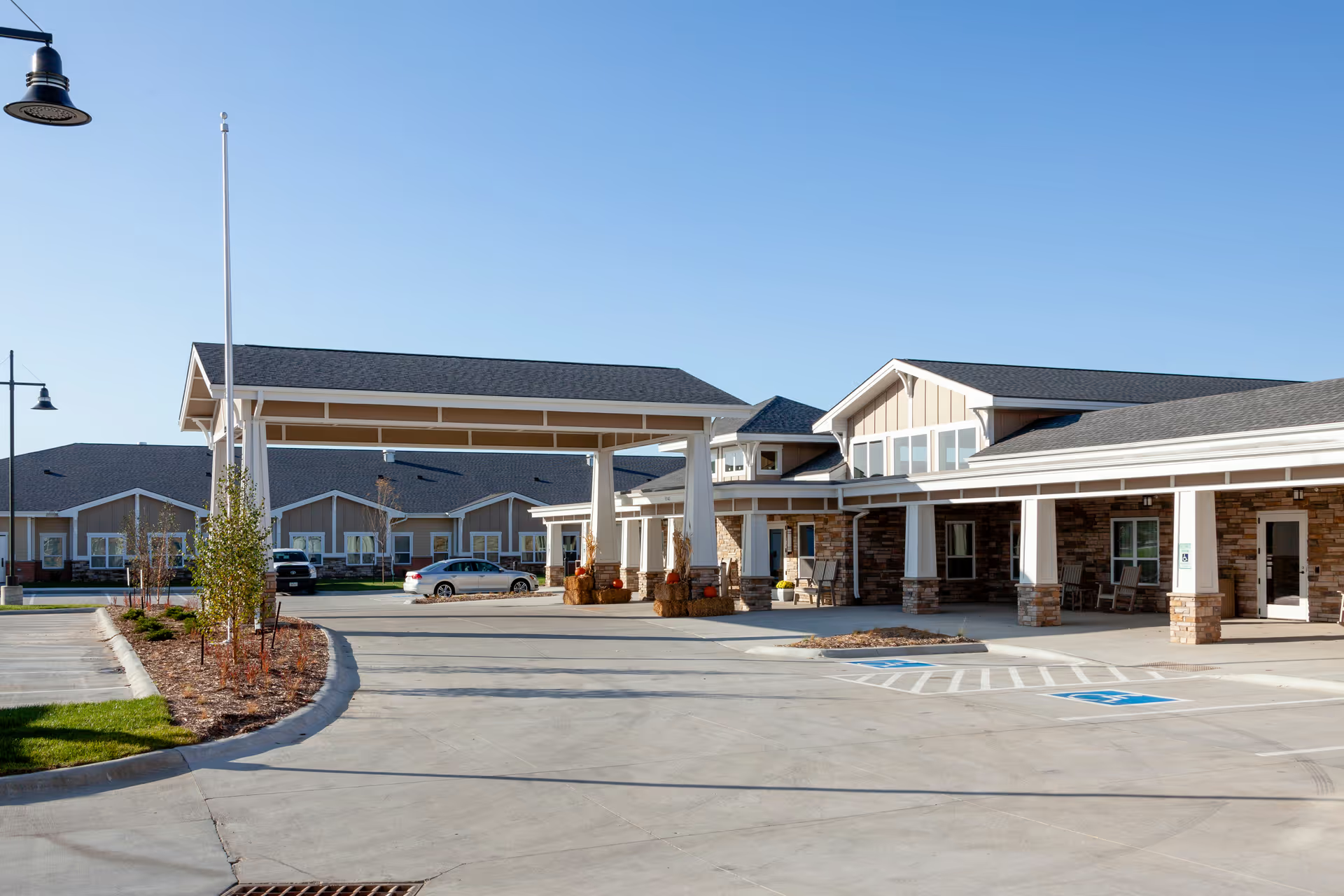
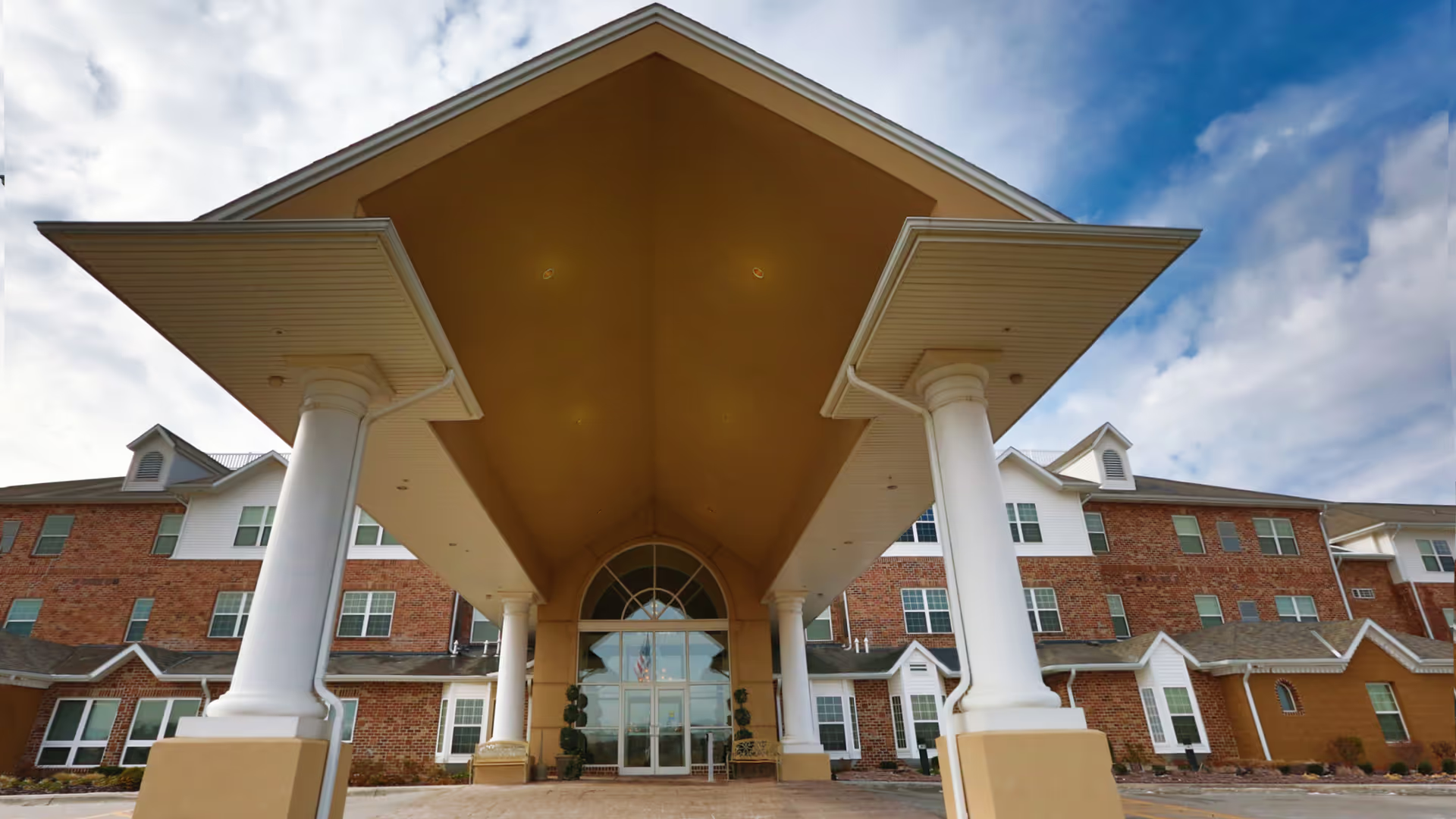
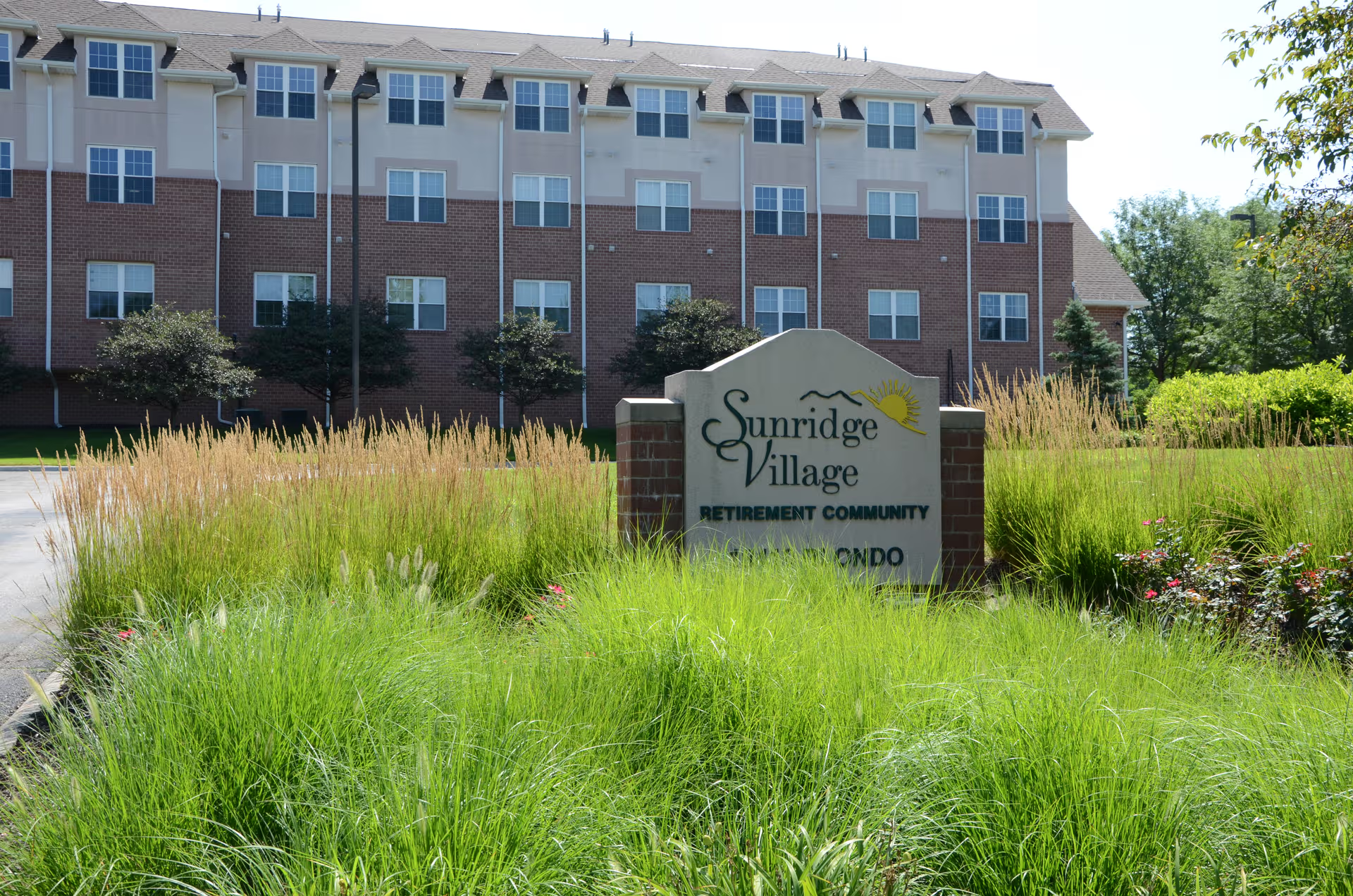
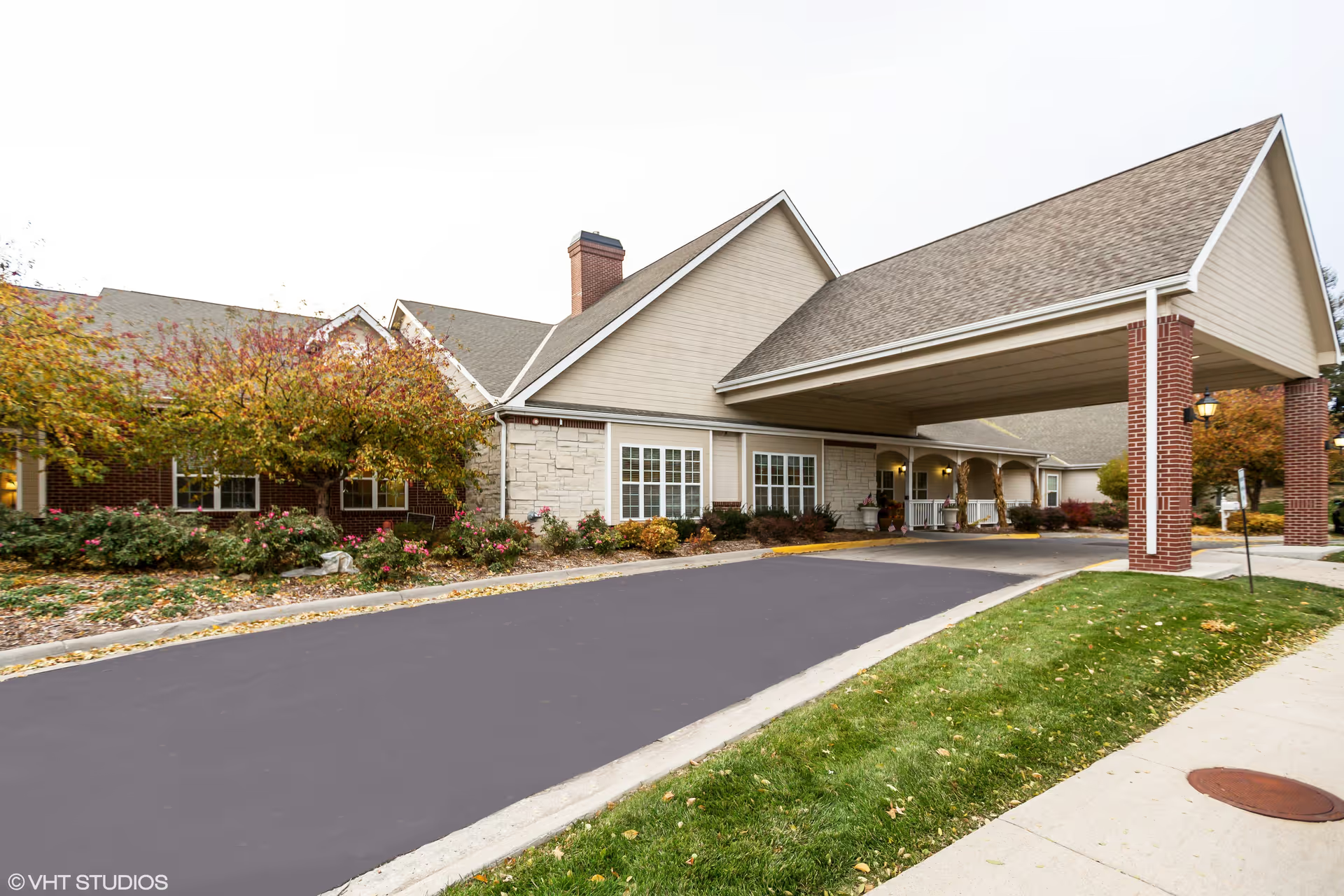
Overall impression The Brant at Gretna presents as a modern, amenity-rich senior living community with a pronounced emphasis on social life and on-site experiences. Reviewers commonly described bright, well-maintained public spaces, a range of recreational offerings (notably a golf simulator, theater, pickleball courts, and themed events), and a warm, home-like atmosphere. Many families and residents highlighted compassionate caregiver interactions and a strong sense of community that contributes to social engagement and resident satisfaction.
Care and staff Care is frequently described as compassionate and resident-centered; numerous accounts highlight staff who are personable, remember residents by name, and prioritize quality of life. At the same time, there is a clear pattern of staffing instability. High turnover and periodic understaffing have been associated with delayed activities, uneven responsiveness on some shifts, and variability in clinical-care consistency. While medication provision and basic safety procedures are noted positively in some assisted settings, families should anticipate variability and confirm staffing levels and clinical oversight for the unit and shifts relevant to their loved one.
Dining Dining is a visible strength for the community for many residents: comments reference executive-chef quality meals, varied daily menus, and an overall positive culinary experience. However, there are repeated remarks about inconsistency in food quality and portioning, and at least one family cited texture/chewability challenges tied to dental issues. Prospective residents should inquire about menu accommodations and portion planning for specific dietary needs.
Activities and social life The Brant offers a lively activity program with frequent outings, themed events, and specialized programming supporting memory-care engagement and community partners such as the Alzheimer’s Association. Residents note active weekday schedules and a variety of social and recreational options. Conversely, reviewers also described variability in activity delivery — including slower starts for activities when staffing is limited and occasional weekend calendar mismatches for memory-care residents — so confirm current weekly schedules and weekend programming expectations.
Facilities and logistics The property is generally characterized as attractive and modern, with well-kept common areas and useful on-site services (salon, laundry, gym). Some families, however, raised operational concerns: apartment sizes were viewed as small relative to price in a number of cases; maintenance reliability and accessibility issues (for example, elevator outages and appliance logistics) were also noted. Practical logistics such as washer/dryer access, shower arrangements, and coordination of transfers were described as areas that sometimes require additional management attention.
Management and admissions Experiences with sales and administrative processes are mixed. Several positive move-in experiences and supportive management interactions are on record, but there are also accounts of aggressive sales pressure, canceled plans, and a desire for clearer written agreements. Delays in follow-up evaluations and overdue 30-day reviews were mentioned as administrative gaps. Families considering the community should review contracts carefully, request timelines for evaluations and care-plan meetings, and secure written confirmations for promised services.
Notable patterns and recommendations The Brant’s primary strengths are its social environment, breadth of amenities, and many staff members’ dedication to resident well-being. The main operational risks center on staffing stability, administrative follow-through, and occasional inconsistency in service delivery (dining portions/quality, activity scheduling, and maintenance). Prospective residents and families would be well served to: verify current staffing ratios and turnover, tour the specific apartment to confirm size and layout, ask for sample menus and accommodations for chewing/dietary needs, review the contract and promised services in writing, and request a schedule for care-plan evaluations and points of contact for operational issues. These steps can help align expectations with the community’s strengths and address the recurring operational concerns noted by reviewers.