Overall impression: Reviews present a generally positive view of clinical care and the day-to-day environment at the Western Nebraska Veterans' Home, with multiple commenters praising skilled nursing and therapy services, cleanliness, and a family-like staff culture. However, the positive pattern coexists with operational concerns that have significant emotional impact for families — notably visitation restrictions, occasional delays in direct care, and gaps in communication during end-of-life situations.
Care quality and clinical services: Many accounts describe a high standard of clinical nursing and rehabilitative care. The facility’s physical therapy program is frequently highlighted for producing measurable mobility improvements, and reviewers attribute alleviation of wellbeing concerns to the clinical team's interventions. At the same time, reviewers described variability in individualized attention; this suggests that while overall clinical competence is strong, consistency in personalized care planning and follow-through can be uneven.
Staff and responsiveness: Staff are commonly characterized as kind, respectful, and invested in residents’ wellbeing, creating a family-like atmosphere for many residents. Management appears willing to address identified issues and implement changes. Counterbalancing these strengths are operational concerns about nighttime staffing and responsiveness: accounts point to delayed assistance or perceived unkind conduct during night shifts. These indicate potential gaps in shift-to-shift staff training, supervision, or staffing levels that affect resident experience outside typical daytime hours.
Dining and daily services: The reviews mention an instance of an incorrect meal being served, which aligns with a broader theme of occasional meal-service accuracy and delivery gaps. There is no indication that dining quality is uniformly poor; rather, the comments suggest intermittent operational lapses in meal delivery or communication with families about dietary issues.
Activities and rehabilitation: Rehabilitation and activity programming, especially physical therapy, are standout elements in the feedback. Reviewers credit therapy staff with clear functional improvements and better resident mobility, which supports independent functioning and overall wellbeing. Reports of residents adjusting well to the facility indicate that social and daily-activity supports are adequate for many residents.
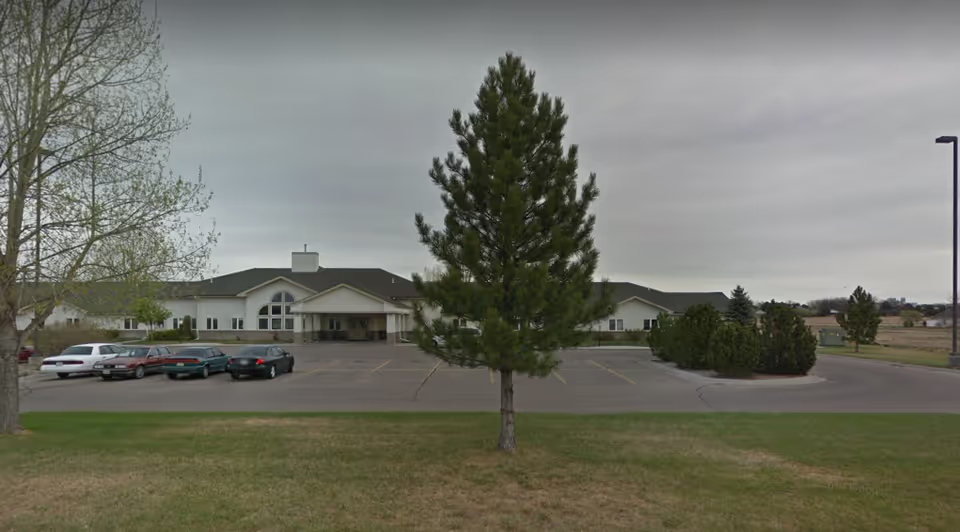
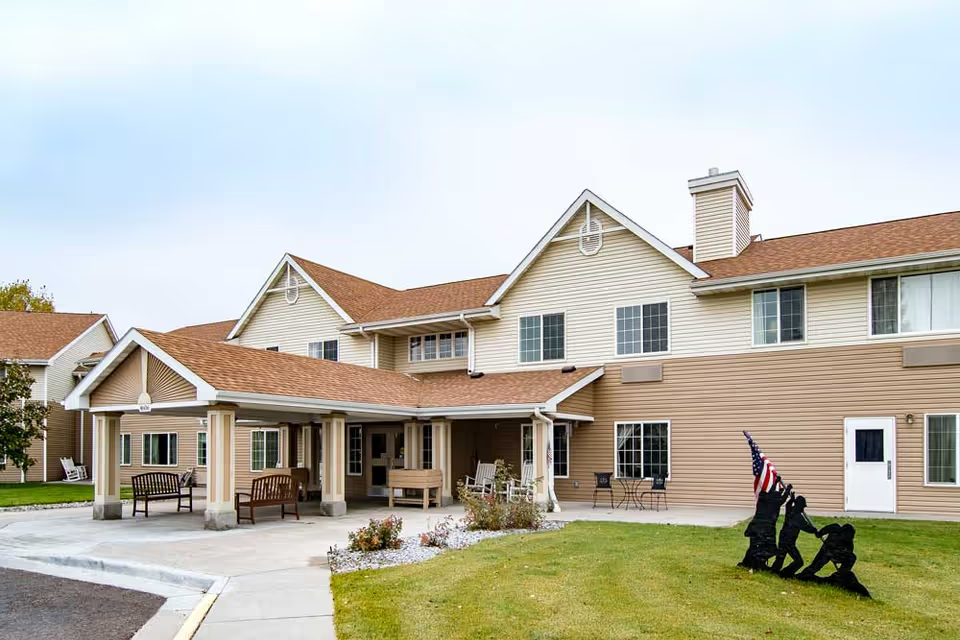
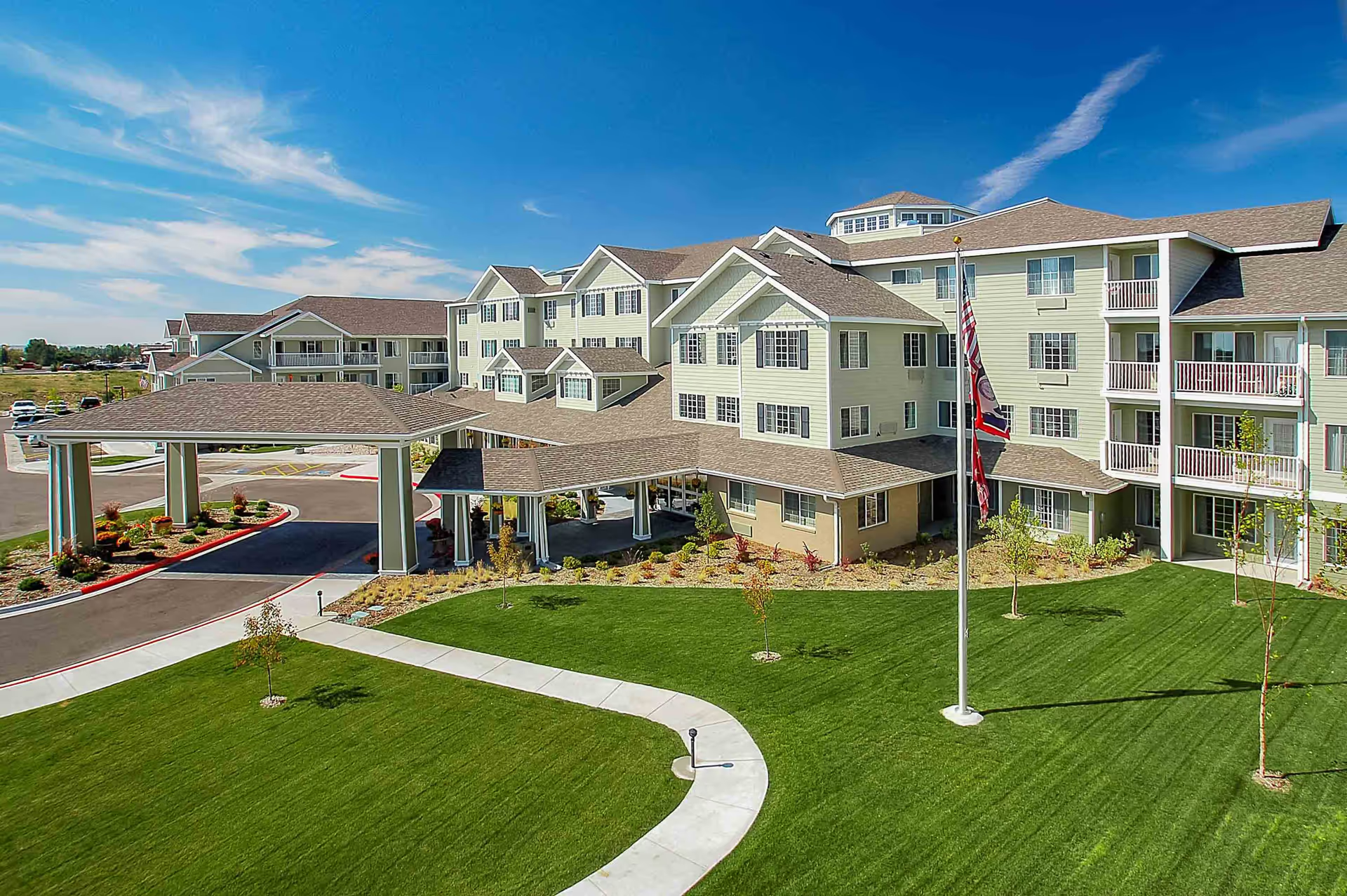
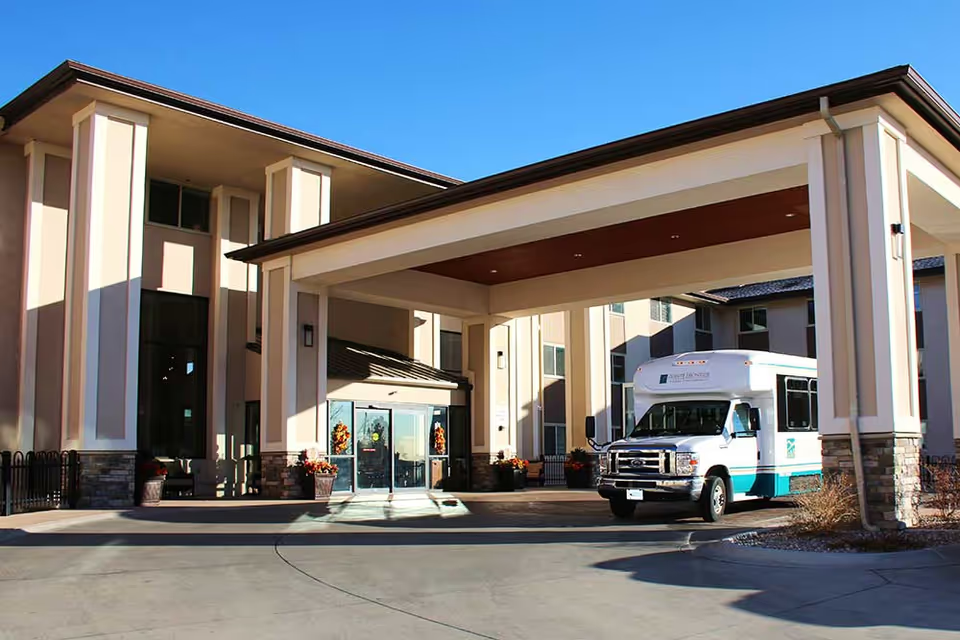
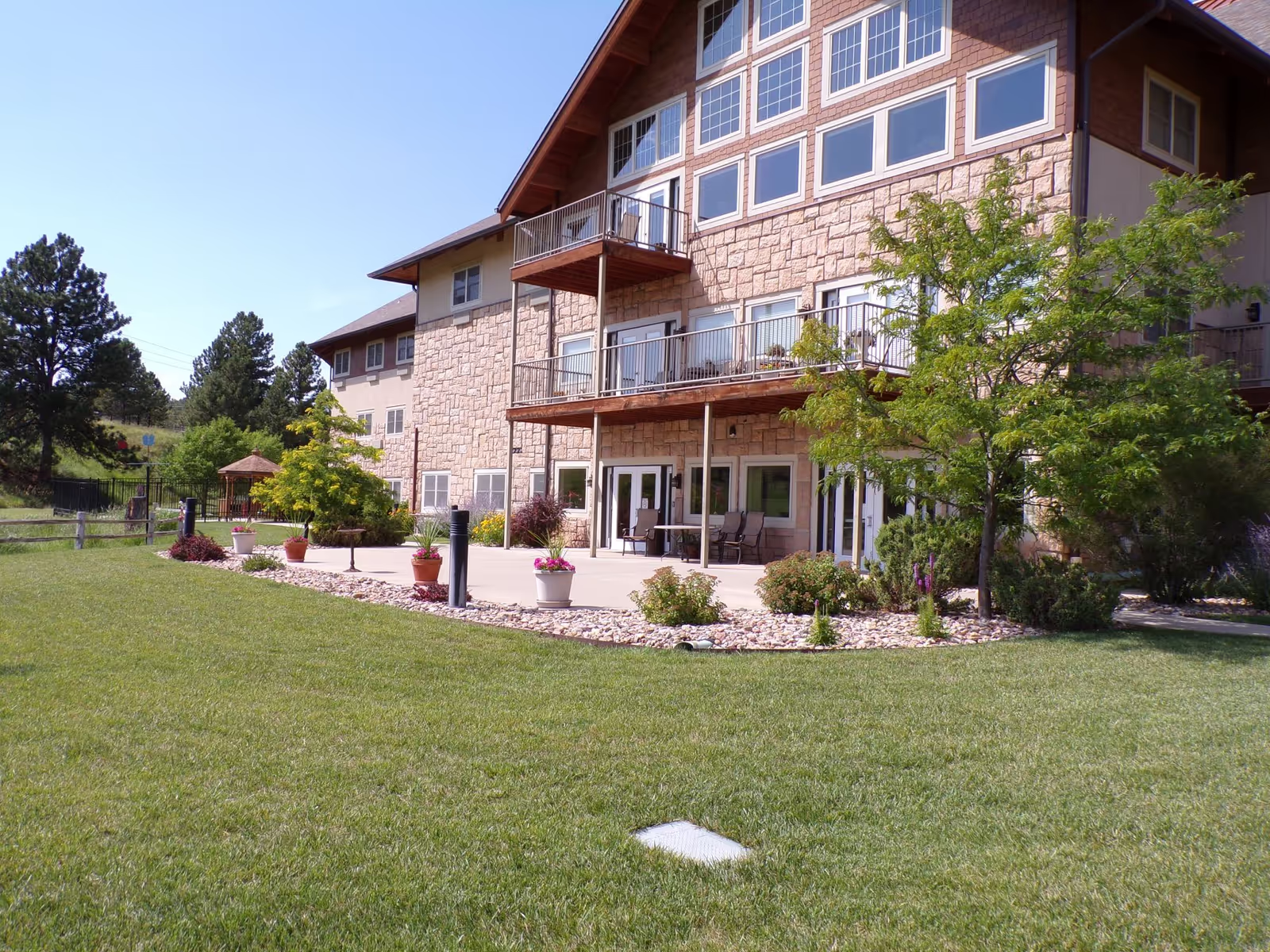
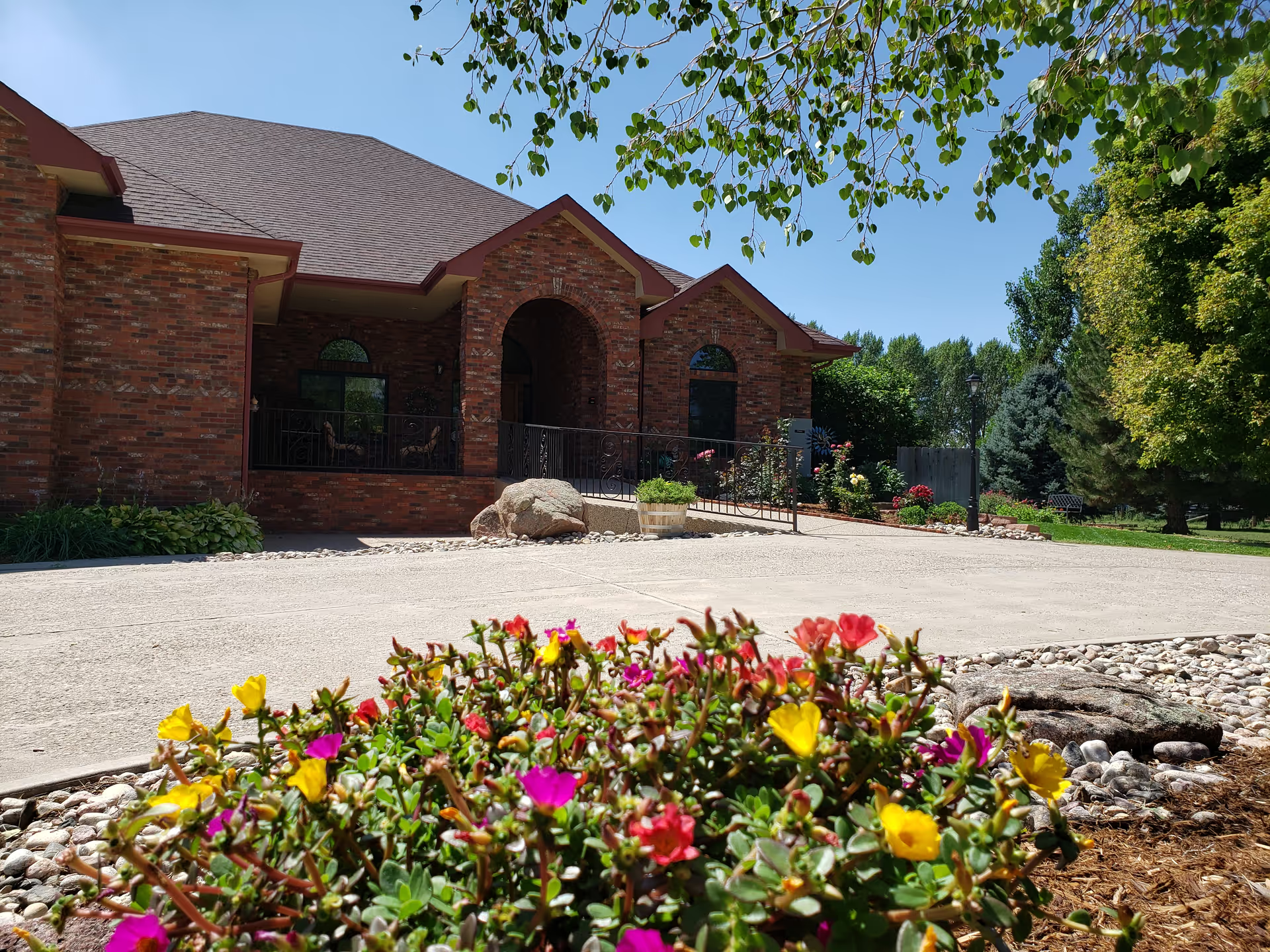
Facilities and cleanliness: The facility environment is consistently described as clean and well maintained. This is one of the more consistent positive themes and appears to support a comfortable living environment for residents and families.
Management, communication, and visitation policies: Management responsiveness to complaints is noted as a positive, with changes implemented after issues are raised. Nevertheless, visitation policy rigidity and prolonged lockdowns have been a source of distress for families; restrictions that limited family presence during critical or end-of-life moments are a salient concern. The combination of limited visitation flexibility and gaps in family communication during critical events suggests a need for clearer protocols that balance infection control with family access and timely communication.
Notable patterns and recommendations for prospective families: The dominant pattern is of a facility that delivers good clinical care and rehabilitative outcomes within a clean, supportive setting, but with operational weaknesses in consistency of individualized attention, nighttime responsiveness, meal-service reliability, and visitation/family-communication protocols. Prospective residents and families should weigh the facility’s strengths in therapy and general care against these operational considerations; specifically, ask about nighttime staffing ratios and training, meal-service procedures, visitation policies and exceptions for critical situations, and how the facility communicates with families during transitions and end-of-life care. These targeted questions can clarify whether the facility’s operational practices align with a family’s priorities.