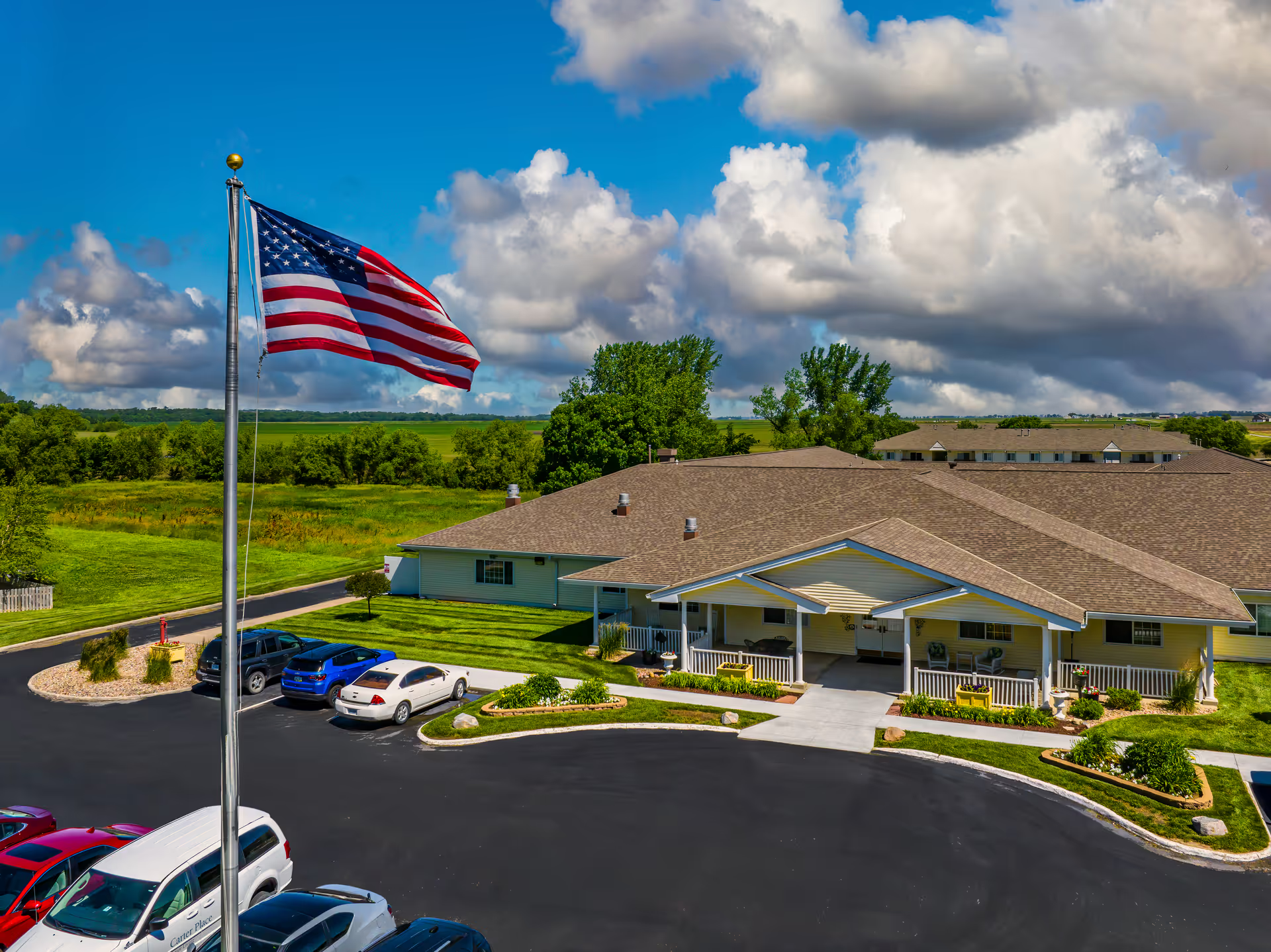
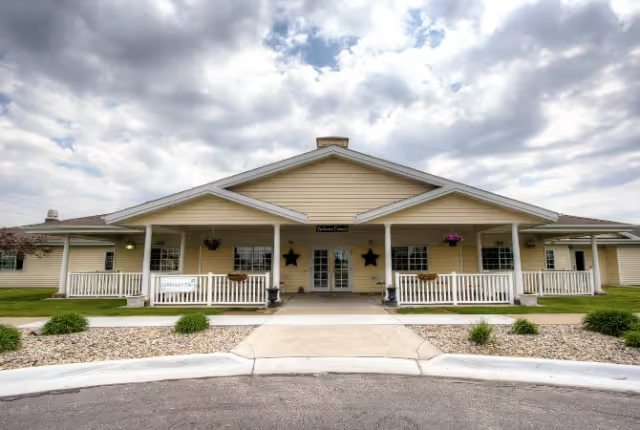
Accura HealthCare of Tekamah elicits mixed impressions. Several families and residents describe a small, clean facility with a welcoming, small‑town atmosphere, well‑kept grounds, and individualized activity programming. The dining program and menu customization are frequently cited as strengths, and the facility offers on‑site rehabilitation services, outpatient therapies, regular physical-therapy availability for some residents, and periodic mental‑health support. For many, staff communication and customer-service responsiveness are positive aspects of the experience.
Care quality appears variable. Positive reports emphasize effective rehab services, daily or regular therapy for some residents, and personalized activity plans. Conversely, other accounts describe limited therapy time, inconsistent follow-through on specialist orders, and cases where prescribed items (for example eyewear or compression garments) were not provided in a timely fashion. These patterns suggest variability in clinical-order implementation and in the intensity and scheduling of rehabilitative services.
Staffing and interpersonal dynamics are a notable area of divergence. Numerous reviewers praise compassionate, communicative caregivers; however, there are also substantive concerns about staff conduct, including cultural-bias and favoritism, reports of family‑member employees influencing operations, and instances of brusque or untrained behavior. These observations point to potential gaps in staff training, supervision, and conflict-resolution mechanisms rather than uniformly poor intent. Prospective families may want to ask about staff education, diversity and sensitivity training, and how grievances are handled.
Safety and operational practices merit attention. Several reviewers described incidents that raise questions about fall‑prevention protocols and resident monitoring. There are also examples that suggest limited flexibility in dietary accommodations and swallowing‑safety practices, which increased choking risk for at least one resident. Cleanliness and sanitation issues in some areas were noted alongside otherwise clean rooms, indicating inconsistent housekeeping performance in parts of the facility. Finally, visitation policy enforcement has been described as strict by some visitors, which has caused dissatisfaction in certain circumstances.
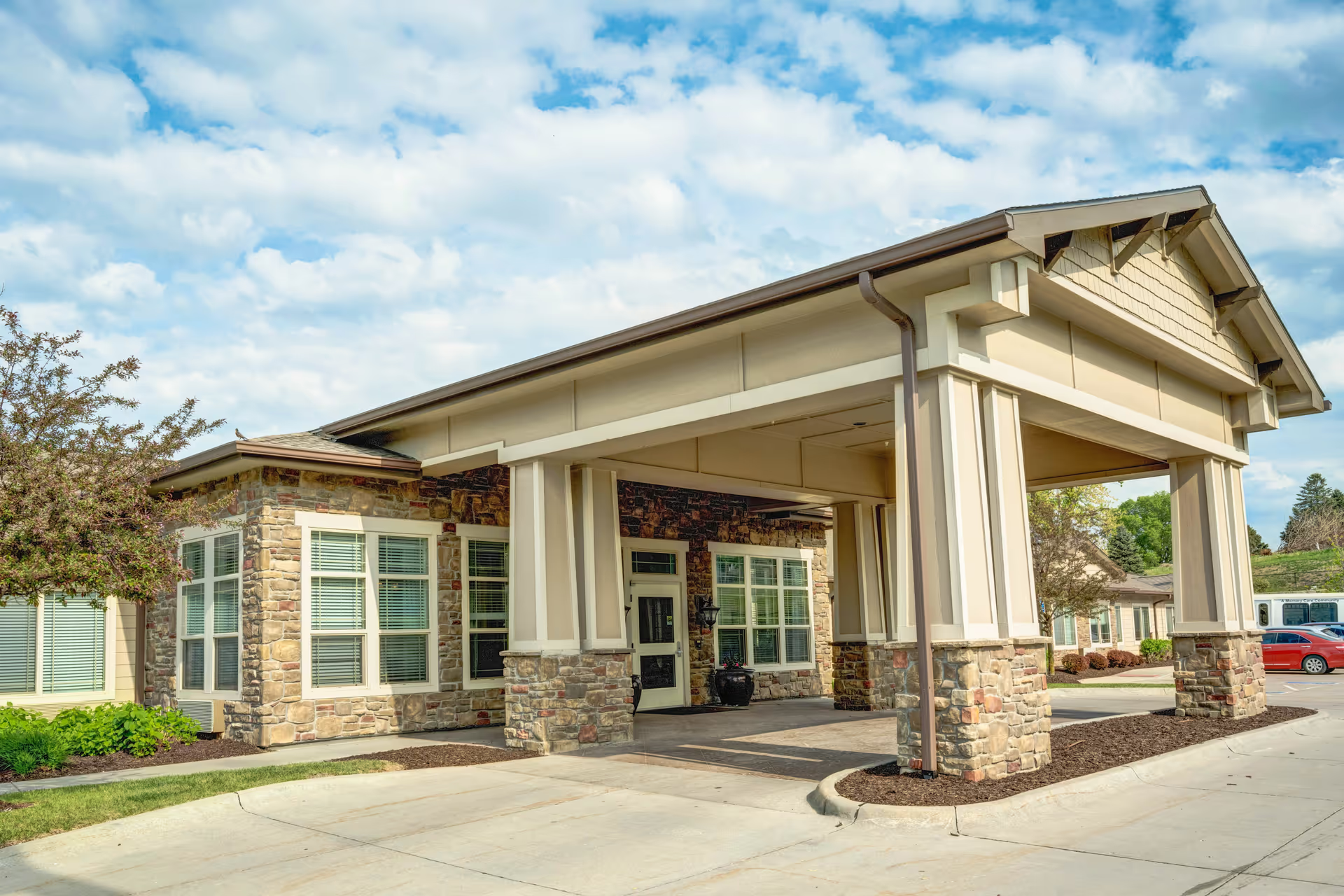
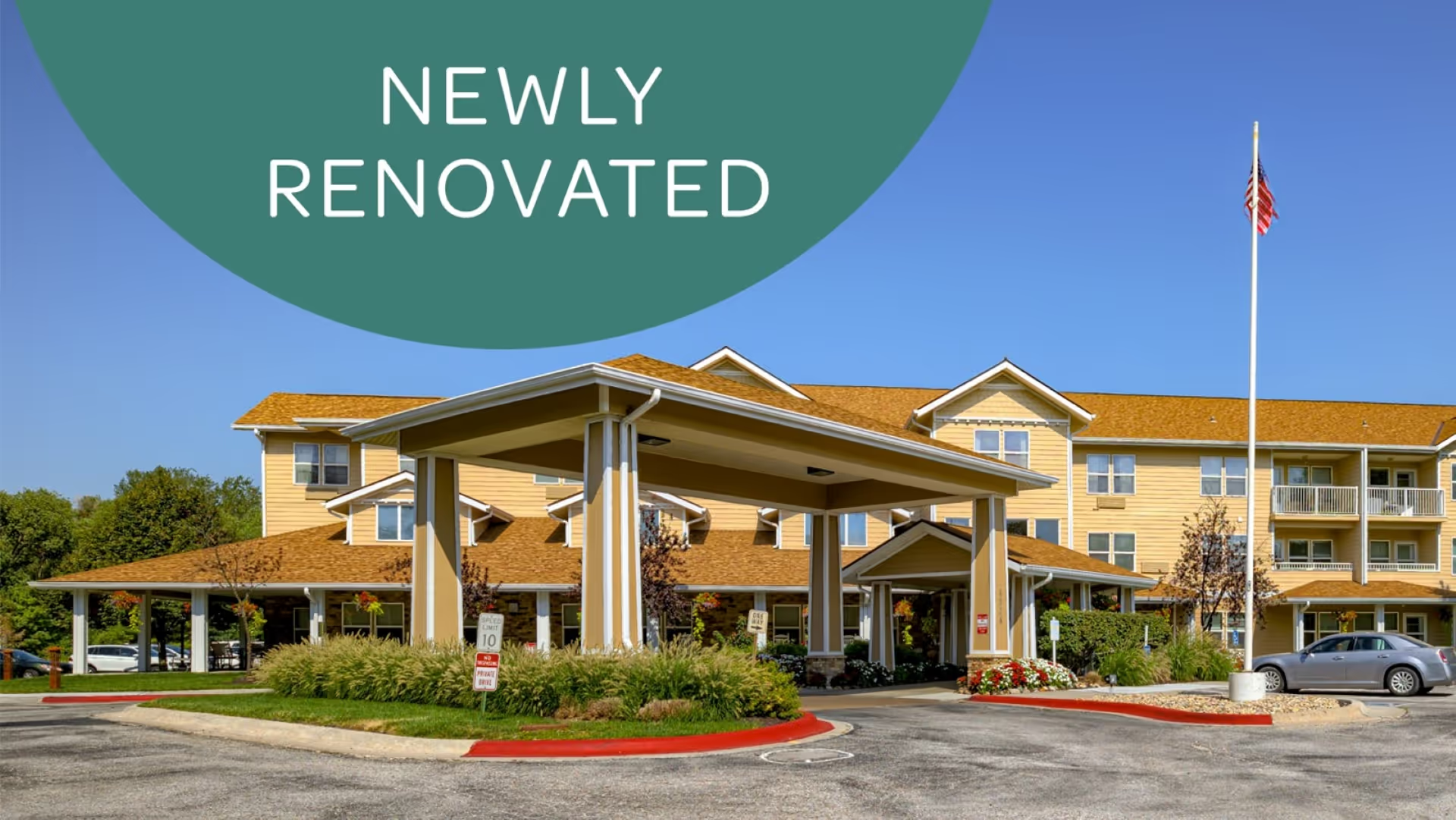
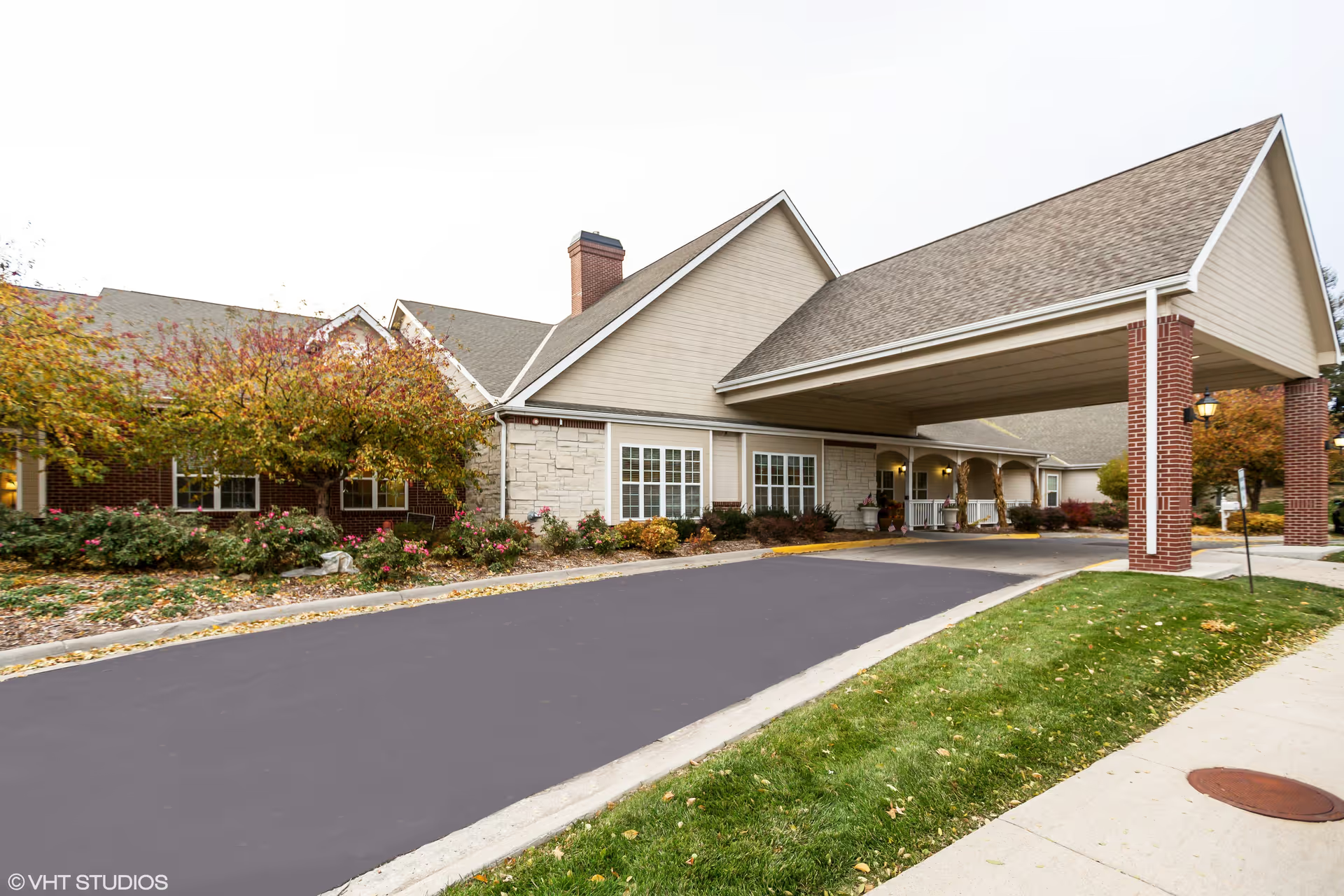
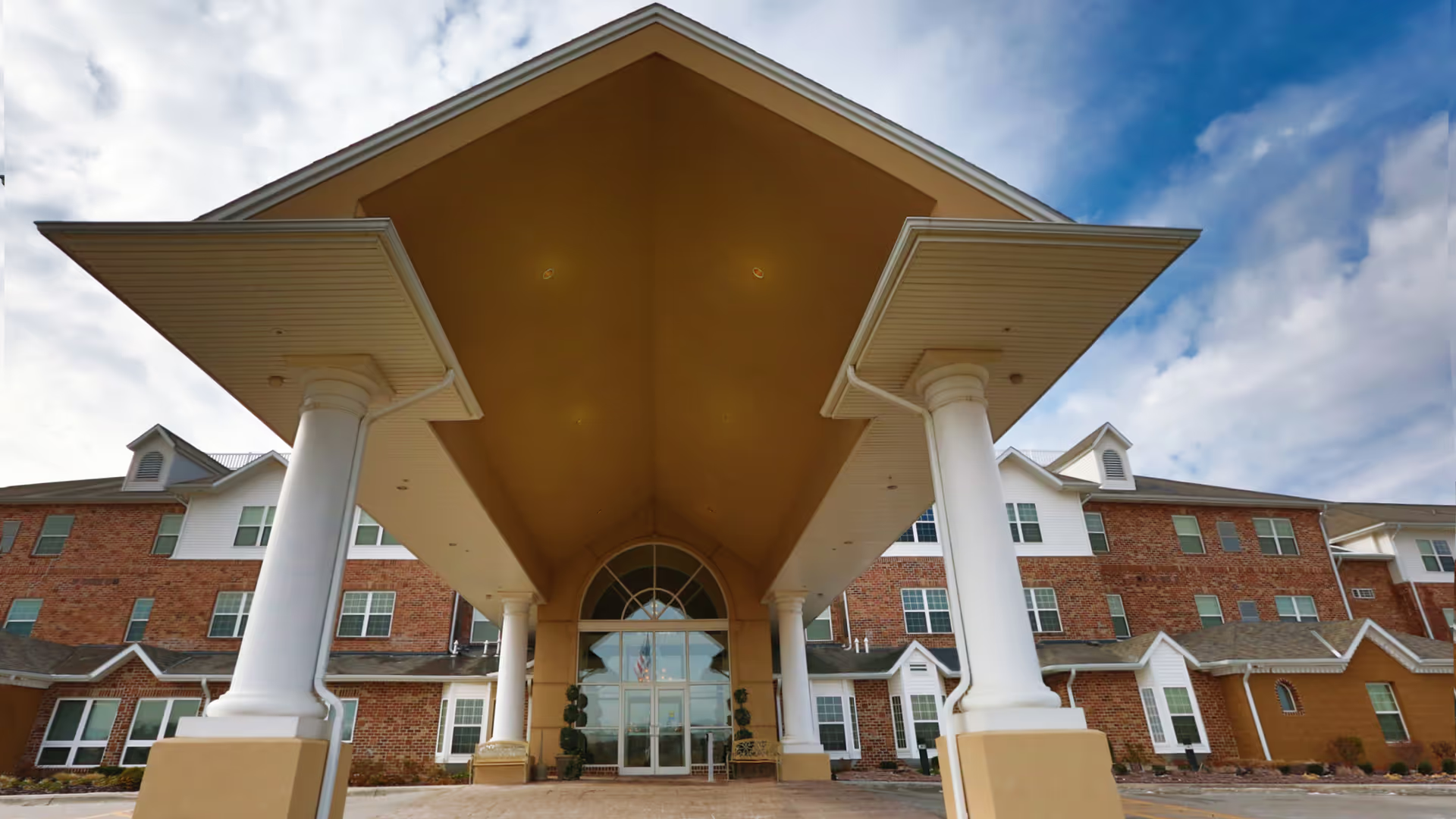
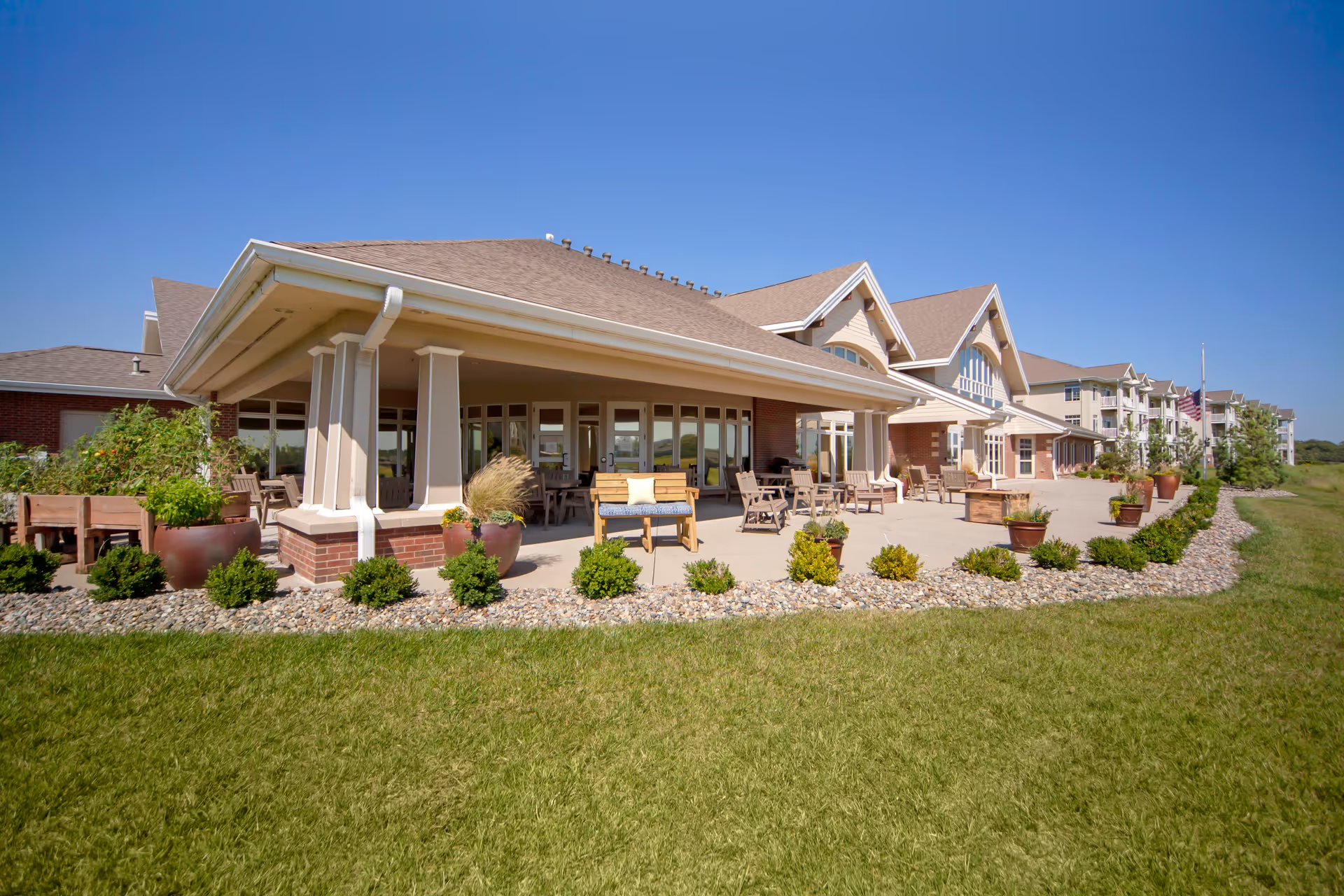
Facilities and amenities: the building is described as older but solid, with planned updates noted by some families. Residents and visitors frequently commend the yard and exterior spaces. Activity offerings and dining are generally seen as strengths; however, the physical plant may have limitations that prospective residents should inspect in person.
Recommendation for families: experiences are mixed, with clear strengths in rehab services, activities, and dining for many residents and specific operational concerns reported by others. A targeted tour and discussion are advised: ask for details on therapy minutes and schedules, protocols for providing prescribed assistive devices and eyewear, medication and specialist-order adherence procedures, fall‑prevention measures, dietary and swallowing‑safety practices, staff training programs (including cultural‑sensitivity and conflict resolution), housekeeping schedules, and visitation policies. Verifying these operational details and speaking with both staff and current families will help determine whether the facility’s strengths align with a prospective resident’s needs.