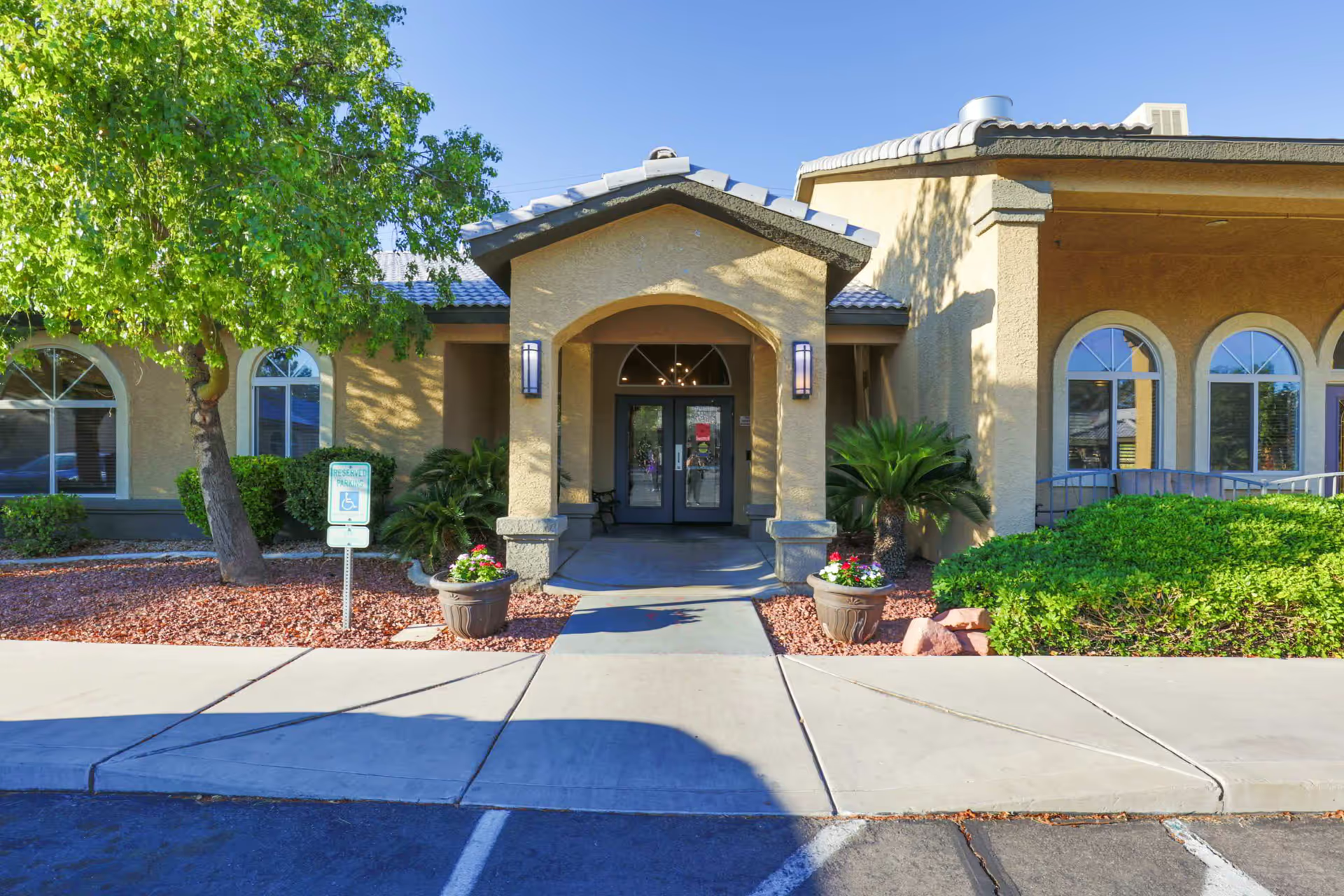
Lakeview Terrace presents a mixed but informative profile for prospective residents and families. The facility offers apartment-style living with kitchenettes, sizeable closets and many units that provide pleasant lake and mountain views. On-site clinical resources — including weekly physician access and behavioral-health support — and an array of personal services (salon, haircuts, nail services, and laundry on each floor) support a level of independence for residents while providing accessible care options.
Care and staffing are a central theme in the reviews. Many families describe attentive, compassionate staff and a caring, home-like atmosphere; reviewers cite specific staff members, attentive nursing interactions, and strong end-of-life support. At the same time, a distinct pattern of staffing instability and turnover is also described. That instability is linked in some accounts to delays in routine care, reduced activity coverage, and uneven responsiveness. Prospective families should ask about current staffing ratios, staff retention initiatives, and contingency plans for coverage.
Dining and programming are generally seen as strengths but with variability. The community operates a restaurant-style dining program with three meals daily, off-menu choices, and a dining room atmosphere that many residents enjoy. However, perceptions of food quality vary: some reviewers praise the meals and a new chef, while others note declines in food quality and concerns about meal continuity. Activities are broad and socially focused — exercise classes, bingo, entertainers, outings (shopping, casinos), and special events like pet parades — but availability can fluctuate with staffing levels and infection-control restrictions. Families should request current activity calendars and examples of recent outings.
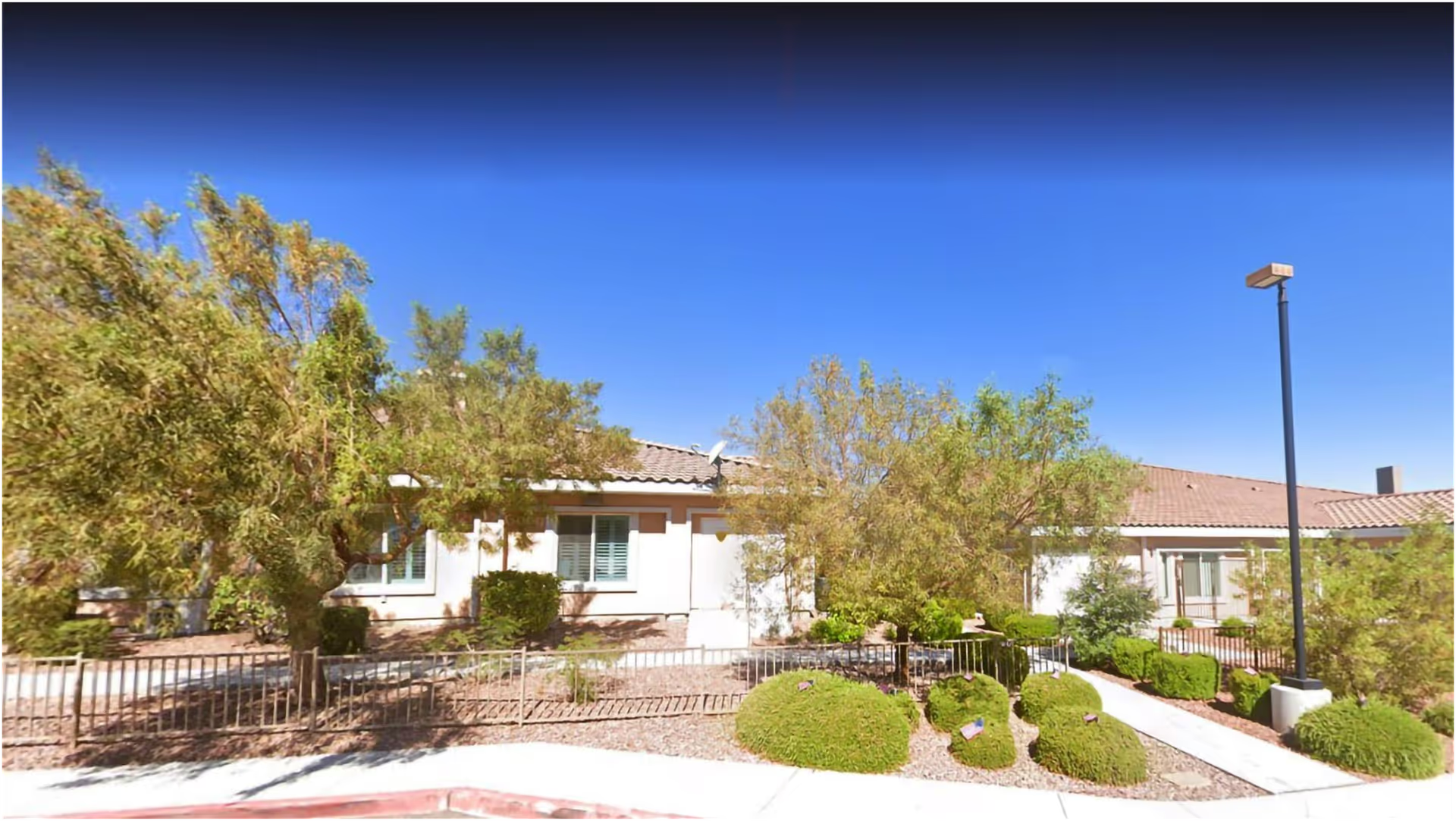
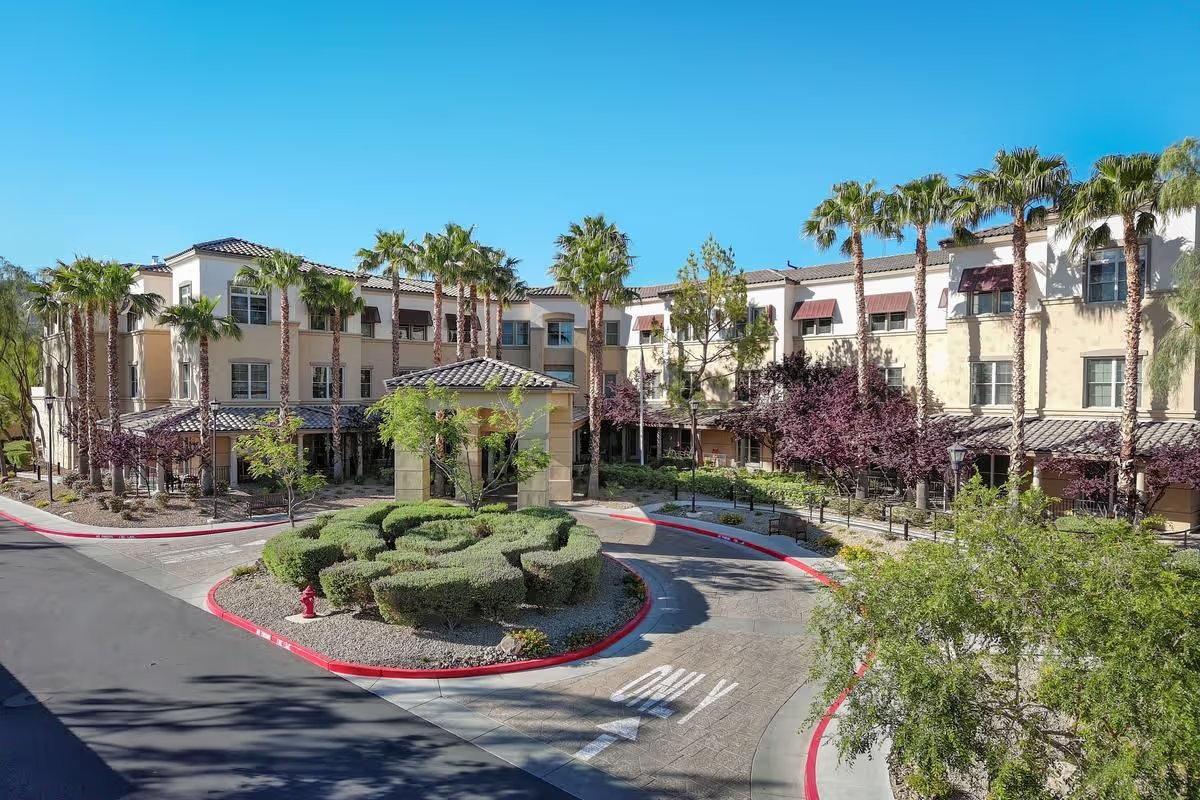
Facility amenities and layout are frequently highlighted positively: large, bright apartments, roomy bathrooms, storage, and convenient common spaces. Memory-care services exist but several reviewers raised concerns about the memory unit’s location and size (basement placement and limited capacity), which may affect light, access, and perceived atmosphere. Cleanliness is commonly reported as good overall, though there are isolated sanitation concerns cited for some bathrooms and surfaces; prospective visitors should inspect those areas during a tour.
Management and operational issues appear as a recurring pattern in the feedback. Some families praise responsive administrators and flexible pricing arrangements, while others describe a decline in administrative responsiveness, inconsistent corporate oversight, and pricing increases they view as not clearly justified by service changes. Transportation reliability and communication with families are specific operational weaknesses noted across reviews. These are facility-level practices worth probing during the decision process — ask how the community communicates incidents and changes, how transportation is scheduled and covered, and how pricing adjustments are explained.
In summary, Lakeview Terrace offers many attributes families seek: compassionate caregivers, apartment-style living with attractive views, on-site clinical and personal services, and an active social program. However, reviewers also point to operational weaknesses that can materially affect day-to-day experience — chiefly staffing consistency, variable dining quality, cleanliness inconsistencies in some areas, transportation reliability, and uneven management responsiveness. A thorough in-person tour, review of staffing levels and activity schedules, and direct questions about memory-care accommodations and recent quality-improvement efforts will help determine if the current operational profile aligns with a prospective resident’s needs.