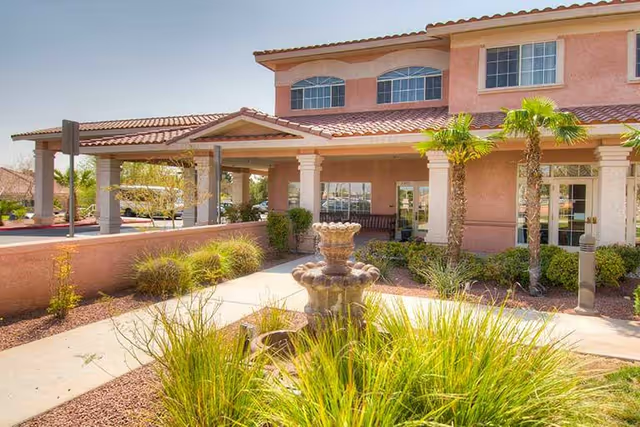
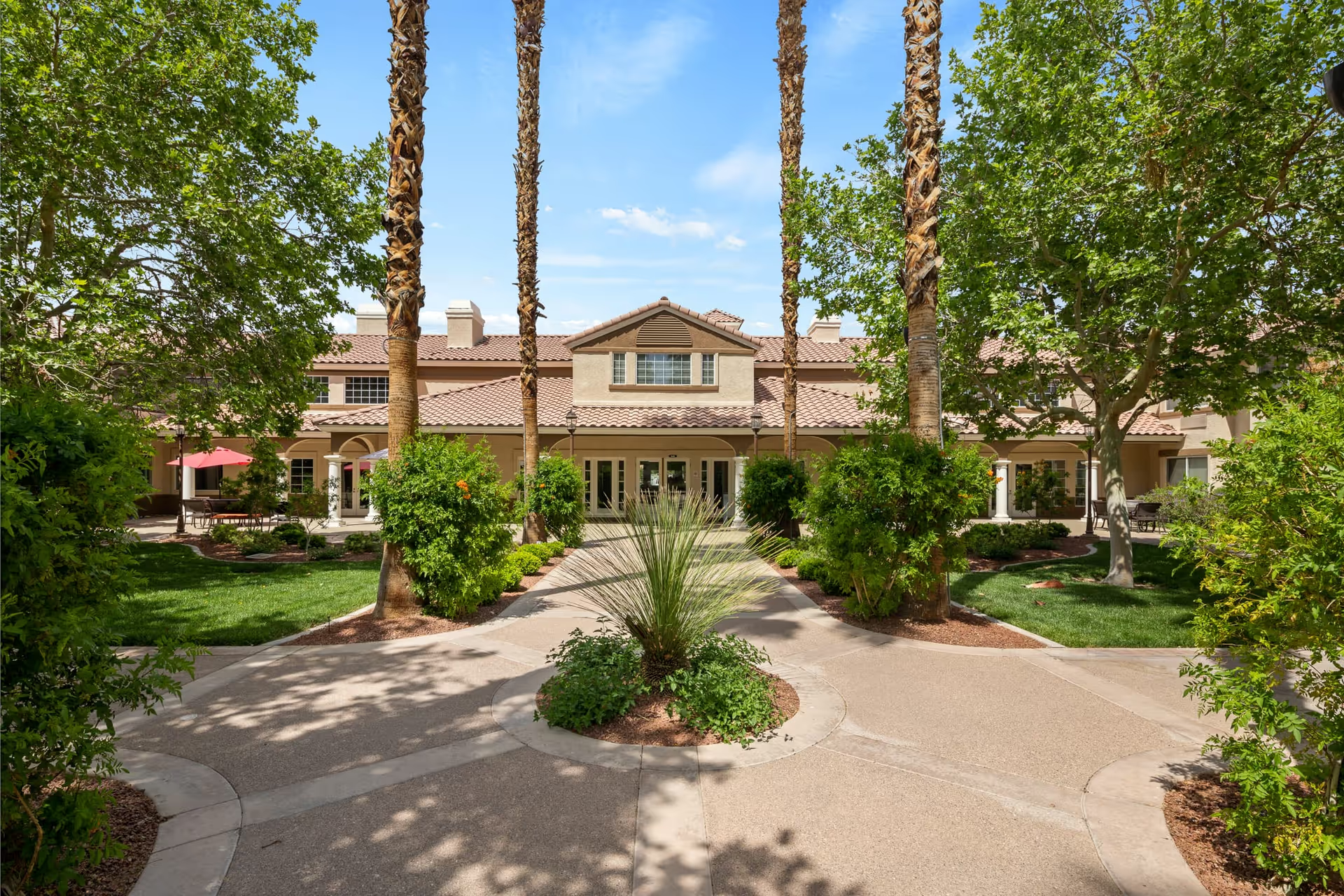
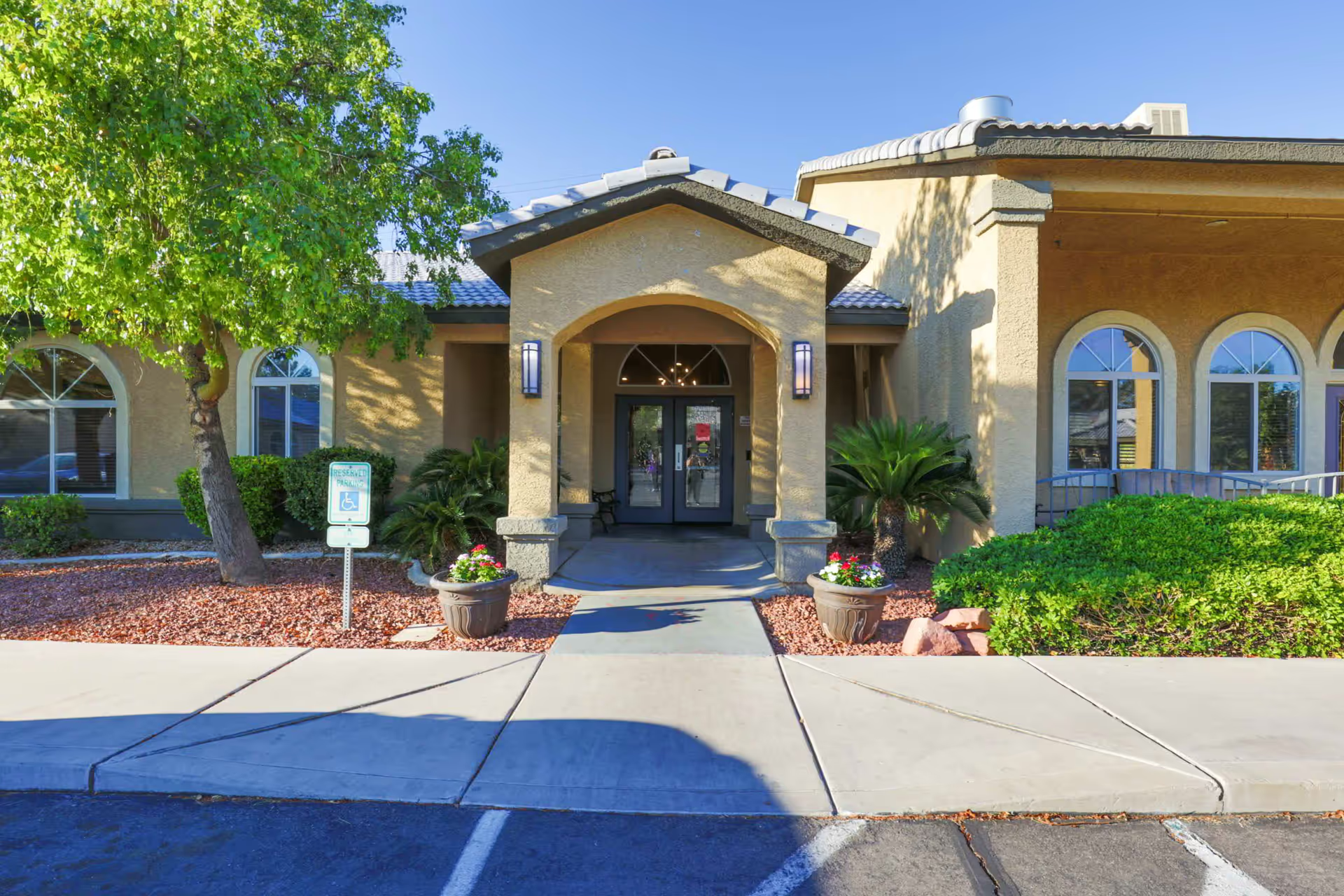
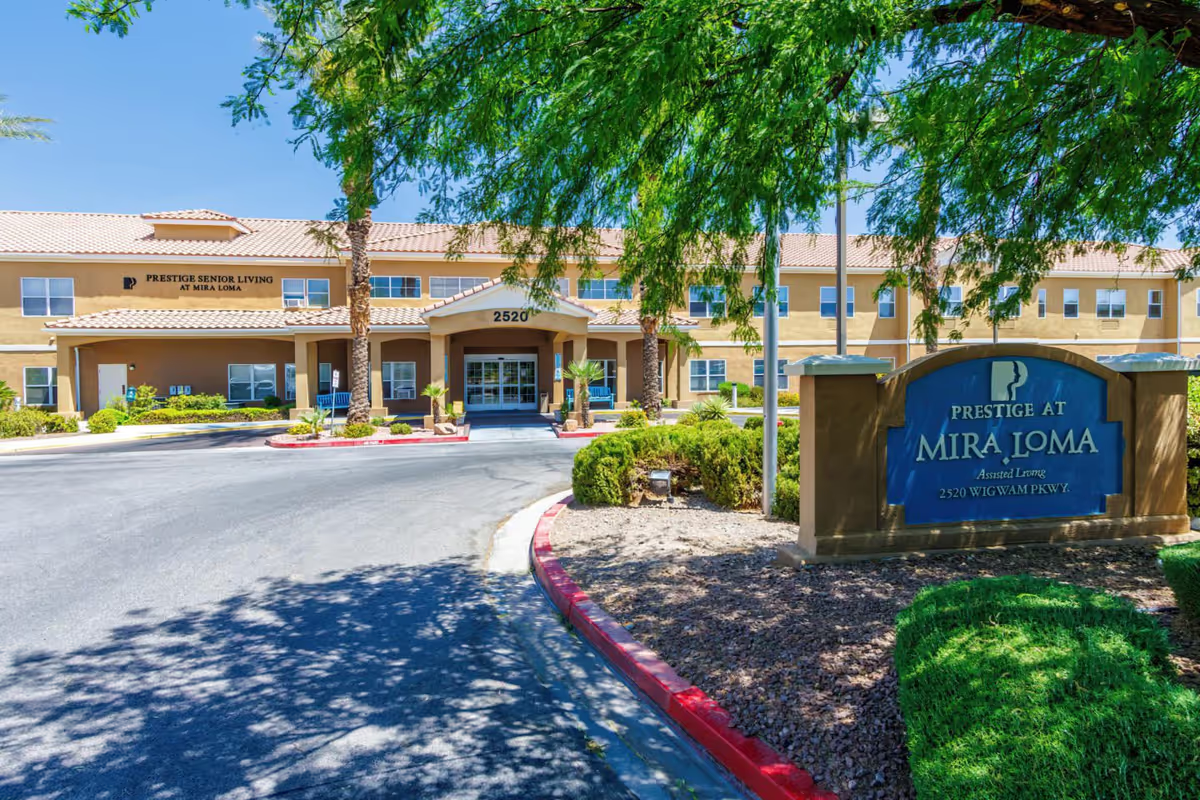
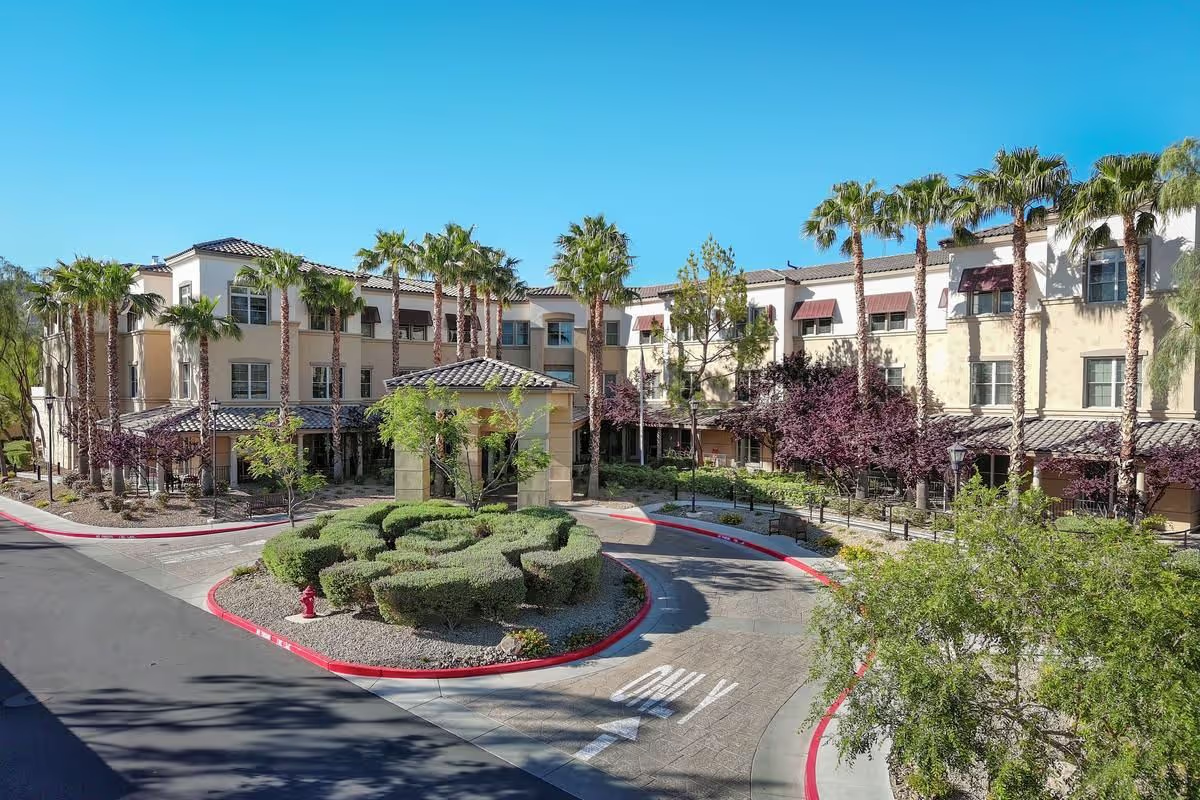
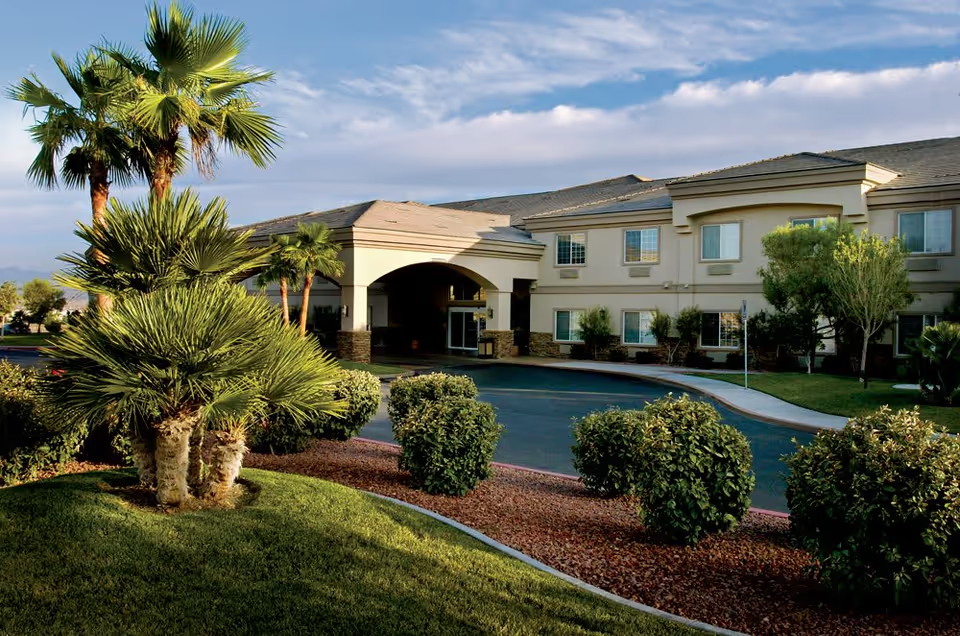
Brookdale Las Vegas presents as a small-to-midsize residential community with several consistent strengths alongside notable operational variabilities. Strengths most often described include a personable caregiving team, engaged leadership when present, and an on-site culinary program that emphasizes hot, home-style meals served in restaurant-like dining rooms. The community offers an array of recreational spaces — movie theater, game room, workout area — and schedules frequent activities and outings, which families often cite as a positive influence on resident quality of life. The property’s courtyard and garden views, single-level/small-facility layout, and available Medicaid or flexible rate arrangements are additional practical advantages for many prospective families.
Care quality and staff behavior are frequently characterized positively: caregivers, med-techs, and nurses are described as compassionate, attentive, and willing to personalize meals and activities. Leadership visibility and responsiveness are also highlighted in many accounts, with staff noted for supportive move-in assistance, coordinated memory-care practices in dedicated areas, and routine clinical touchpoints such as weekly physician visits and on-site salon services. For families prioritizing social engagement, the facility’s active calendar (bingo, exercise class, movies, parties, walks) and small, intimate community size are attractive features that several families equated with a faster social adjustment for residents.
Dining and activities are commonly cited as strengths, particularly when the on-site chef is involved and menus are regularly solicited for resident feedback. The dining environment is often described as restaurant-like, with table service and multiple entrée choices. Activities programming is varied and frequent, including crafts, music, outings, and holiday events, and many reviewers found these offerings meaningful. That said, there are also accounts of inconsistent meal quality and menu changes over time; families should verify current menu options and portioning practices during a tour.
Facility condition and operations show mixed signals. Many reviewers praised clean common areas and well-kept rooms, while others noted dated building elements (scuffed doors, old carpeting, uneven maintenance) and occasional sanitation or odor concerns in specific areas. Privacy can be limited in shared accommodations, and the physical layout (double-occupancy rooms in some units, open doors) may not meet every family’s expectations. Transportation services and some ancillary offerings have reportedly been reduced at times, and several families flagged additional charges for escorting or meal-assistance services.
The most consistent operational concerns involve management continuity, billing transparency, and staffing stability. Reviewers identified leadership turnover and variable follow-through on suggestions, leading to inconsistent family communication. Billing and pricing issues recur as a theme: unclear add-on fees, unexpected charges, deposit and refund disputes, and at least one set of allegations regarding billing irregularities and possible financial misconduct. Clinically, staffing shortages and shift coverage gaps were associated with medication-administration delays and slower response times during some periods; families should inquire about current staffing ratios, medication-management protocols, and recent regulatory history. There are also mentions of state health citations and pandemic-related communication problems, which merit review of up-to-date inspection records.
In summary, Brookdale Las Vegas offers strong person-centered elements — notably empathetic direct-care staff, lively activities, and a robust dining program — within a small, community-oriented setting. Prospective residents and families should balance those positives against operational concerns: verify current leadership and staffing levels, request transparent written pricing and fee schedules, review recent state inspection results, and observe meal service and activity engagement during a visit. Those steps will help determine whether the community’s combination of social programming and clinical capability matches the prospective resident’s care needs and family expectations.