Overall impression: Canyon Vista Post-Acute elicits strongly polarized experiences. Many families and residents describe high-quality, compassionate bedside care, effective rehabilitation, and a clean facility; an almost equal number raise operational and clinical concerns that affect safety and continuity of care. Prospective residents should expect a facility capable of strong rehabilitative outcomes when staffing and coordination are working well, but also be aware of recurring systemic weaknesses that have been linked to safety and satisfaction issues.
Care quality and clinical issues: Numerous accounts praise nursing staff and CNAs for compassion, attentive wound care, and effective day-shift caregiving. The rehabilitation program (physical, occupational, and speech therapy) is frequently described as a clear strength, with several clinicians and therapy teams singled out for producing measurable progress. At the same time, reviewers describe repeated problems with medication administration (including pain management), delays for IV or oral antibiotics, interruptions to therapy during quarantine periods, and inconsistent clinical follow-through. Several families raised concerns about clinical escalation, infection management, and post-discharge coordination; reviewers advise active family engagement to ensure timely medications, treatments, and follow-up.
Staff, communication, and management: Staffing variability appears to be a major driver of the divergent experiences. Positive reports emphasize attentive, communicative nurses, helpful admissions/case-management staff, and responsive front-desk personnel. Negative reports highlight weekend or night-shift unresponsiveness, long call-light delays, language barriers, and variability in staff professionalism. Communication gaps with families—around condition updates, discharge planning, and billing—are a repeated theme. There are intermittent, serious administrative concerns described, including billing disputes and at least one accusation of theft; these items are not the facility's norm according to other reviews but warrant careful inquiry during placement conversations.
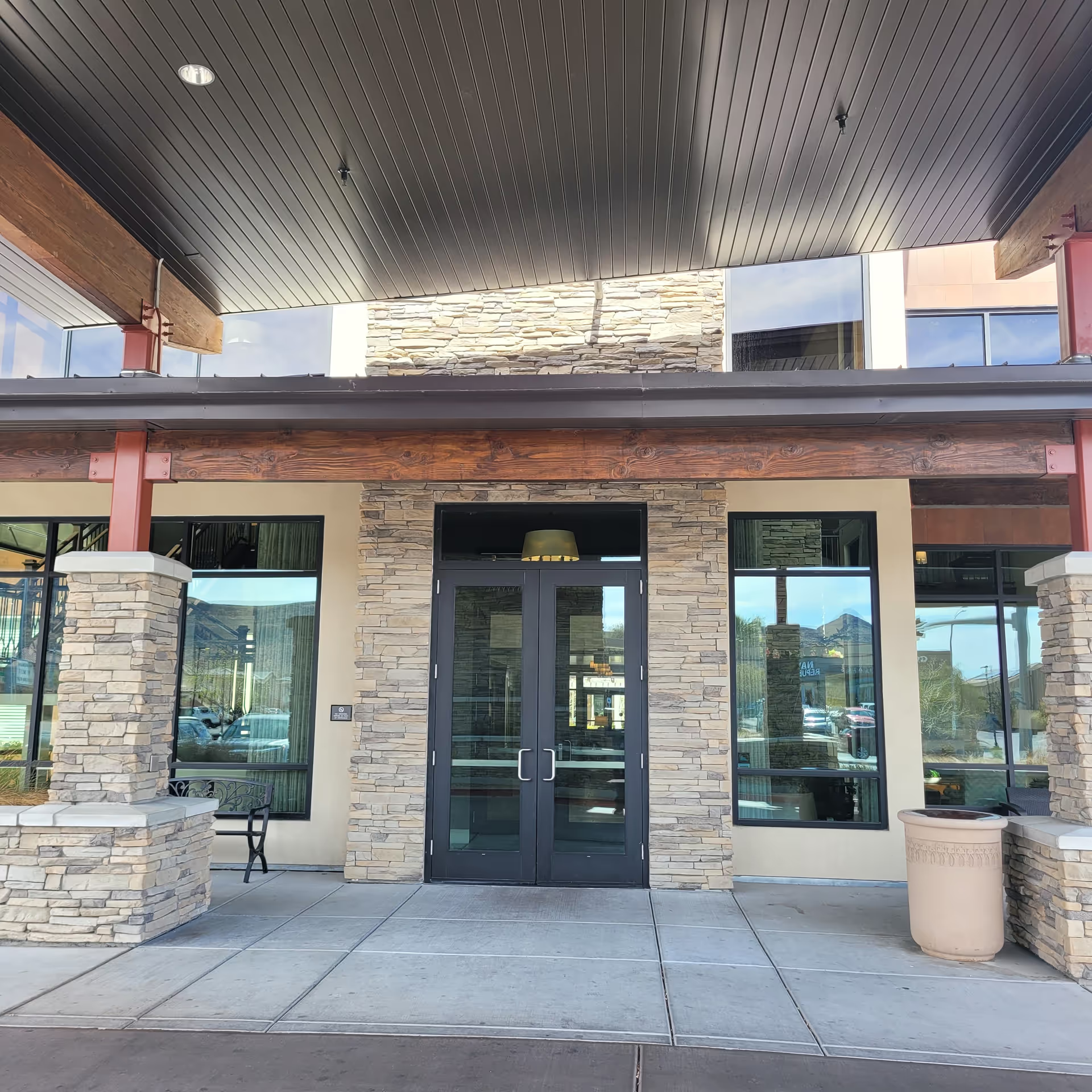
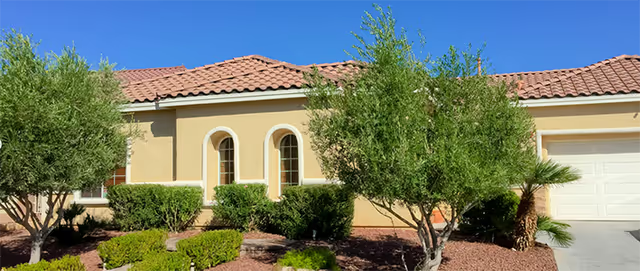
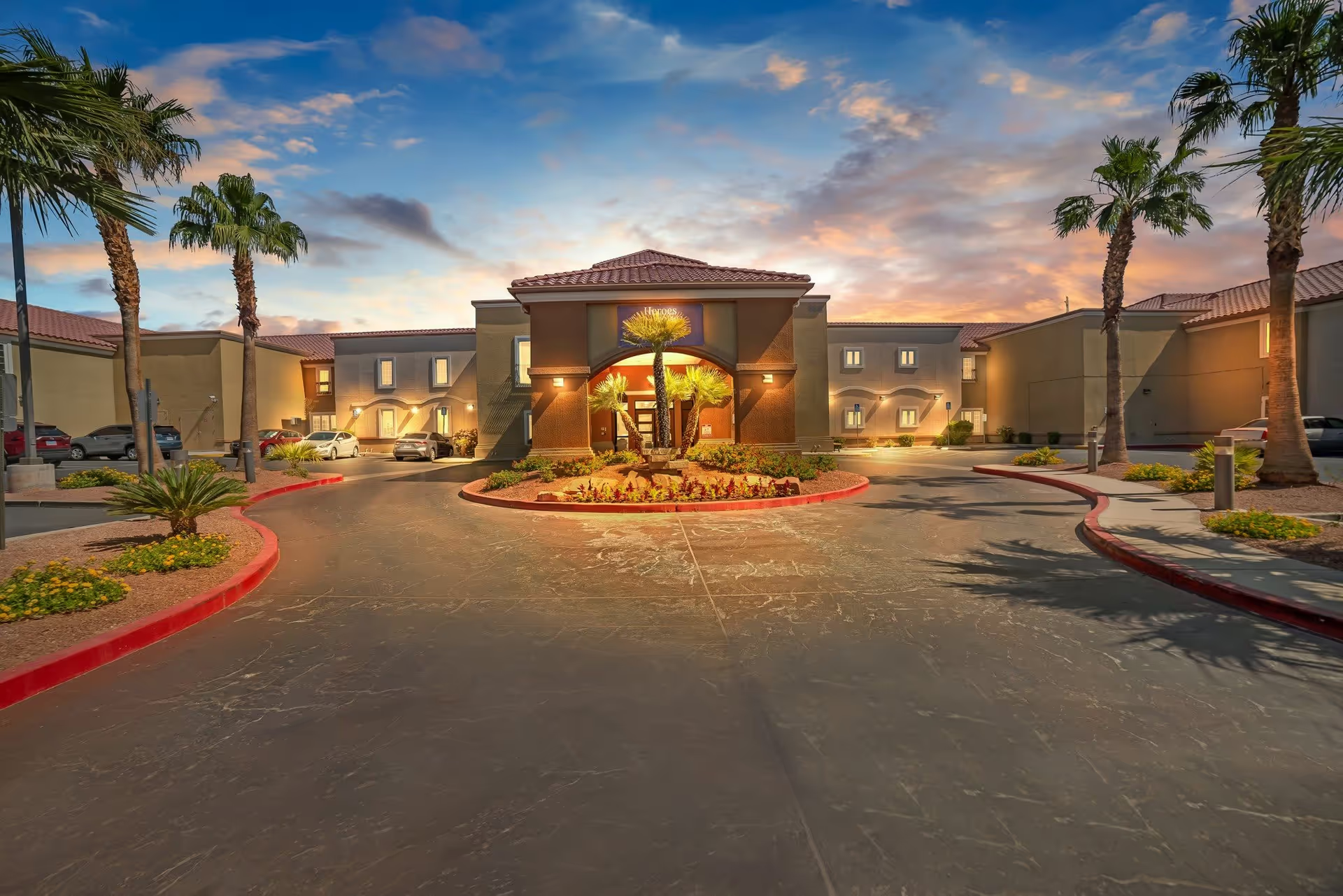
Dining, activities, and facility environment: The physical plant and housekeeping receive generally favorable comments: many reviewers cite clean rooms, a bright appearance, private-room availability, and reliable housekeeping. Dining receives mixed feedback — several residents enjoyed hot, well-balanced meals and snack options, while others described inconsistent food quality, limited special-diet accommodations, and occasional meal-service problems. Activity programming is frequently listed as a positive, with organized social events and engagement opportunities, though some reviewers note that certain activities or services may carry extra fees or be less available depending on staffing.
Safety, sanitation, and operational patterns: Reviewers raise facility-level concerns about fall-prevention practices, environmental safety features, and sanitation/incontinence-care processes. Call-light responsiveness and alarm response times are recurrent operational weaknesses tied to staffing levels. Infection-control and quarantine implementation were criticized in some accounts for creating therapy interruptions or care gaps. Pharmacy and supply-chain issues (off-site pharmacy delays, late medication deliveries, and equipment scheduling) also appear as recurring operational risks that can affect resident comfort and clinical outcomes.
What to ask and monitor: Given the variability described, families considering Canyon Vista should ask about current staffing ratios (day vs. night and weekend coverage), medication-administration protocols (including pharmacy turnaround), therapy frequency and start dates, fall-prevention measures, infection-control practices, discharge planning processes, and how billing/financial questions are handled. Visiting early in the stay, maintaining frequent communication with the case manager, and confirming that medications and equipment are in place before key transitions are practical ways to reduce risk.
Conclusion: Canyon Vista Post-Acute demonstrates meaningful strengths — notably in rehabilitation, certain nursing and therapy teams, and facility cleanliness — that produce strong outcomes for many residents. However, consistent concerns about staffing consistency, medication timeliness, communication, and several operational controls indicate variability in the resident experience. These mixed signals suggest that careful, case-specific inquiry and active family engagement are important when evaluating this facility for post-acute or long-term placement.