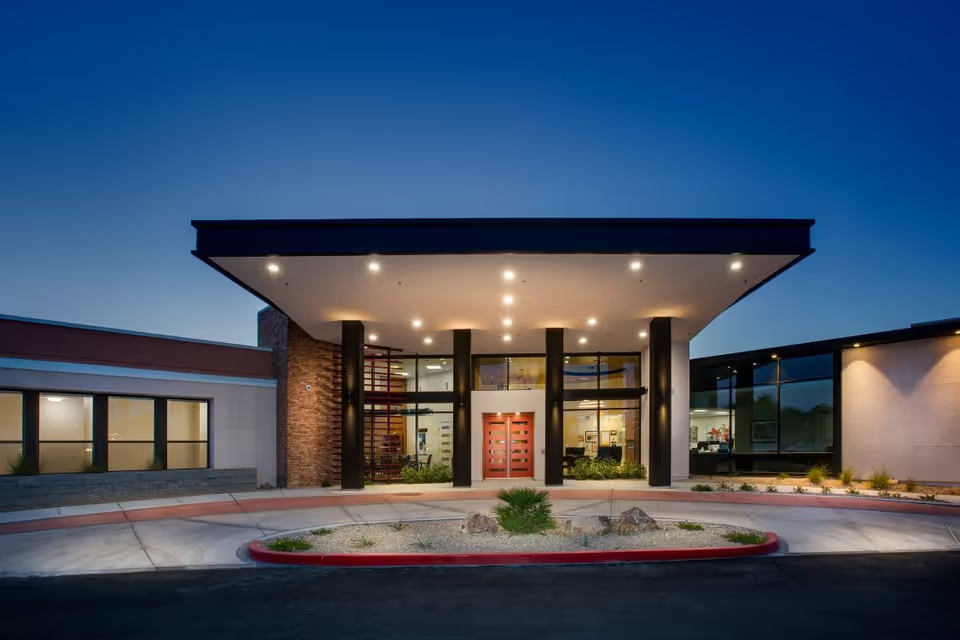
Reviews of Life Care Center of South Las Vegas present a highly polarized picture: many families and patients describe notably positive experiences while others describe significant operational concerns. Strengths most frequently cited include compassionate and dedicated bedside caregivers, an active and effective rehabilitation program (PT/OT) that produced measurable functional gains for some patients, and a supportive cadre of case managers, social workers and named staff who handled coordination and advocacy well. Several reviewers singled out front‑desk personnel and specific clinicians by name as consistent assets, and many accounts describe clean, well‑maintained common areas and effective wound-care or therapy outcomes.
Conversely, a repeated pattern of operational weaknesses emerges. Staffing levels and consistency appear to be the most common theme: understaffing, particularly on nights and weekends, contributes to slow call-response times, delays in assistance, and uneven attention to routine care tasks. These delays extend to medication and treatment administration in some accounts, along with inconsistent scheduling for breathing treatments and other time‑sensitive therapies. Reviewers also describe gaps in clinical-care coordination — for example, missing discharge paperwork, uncompleted therapy documentation, or delayed diagnostic follow‑up — which can complicate transitions and family planning.
Communication and management issues are a persistent concern. Families reported difficulty reaching the facility by phone, inconsistent notification about care changes, and frustrations with discharge and billing processes. Several accounts describe supply or equipment shortages and maintenance issues in resident rooms (including HVAC placement and dated furnishings), which contribute to variable perceptions of cleanliness and comfort. Incontinence‑care delays, odor concerns in some areas, and inconsistent bathing or linen schedules were also mentioned, indicating variability in basic hygiene maintenance.
Dining and dietary management show mixed performance. Some reviewers praised the culinary team and meal options, while others described inedible meals, missed meal delivery, and failures to accommodate documented allergies or dietary restrictions. Activities and social programming were generally viewed positively when available; therapy‑linked social time and outdoor PT were noted as beneficial. Security and personal‑belongings management surfaced as a discrete concern in some accounts, including alleged missing items and inconsistent recordkeeping around possessions.
Notable patterns: positive experiences tend to cluster around specific staff members, daytime shifts, and patients admitted for short-term rehab goals; negative experiences are more often associated with nights, weekends, long‑term skilled nursing stays, and complex medical needs. Serious individual complaints — including regulatory filings and legal threats in some narratives — indicate that families who encounter care deficits often escalate concerns. Prospective residents and families should weigh the facility’s strong rehabilitation capabilities and several consistently praised staff against the evidence of operational variability. When considering placement, visitors may benefit from meeting the on‑unit care team, confirming staffing patterns for relevant shifts, clarifying allergy and medication protocols, and requesting written discharge and emergency‑communication procedures.