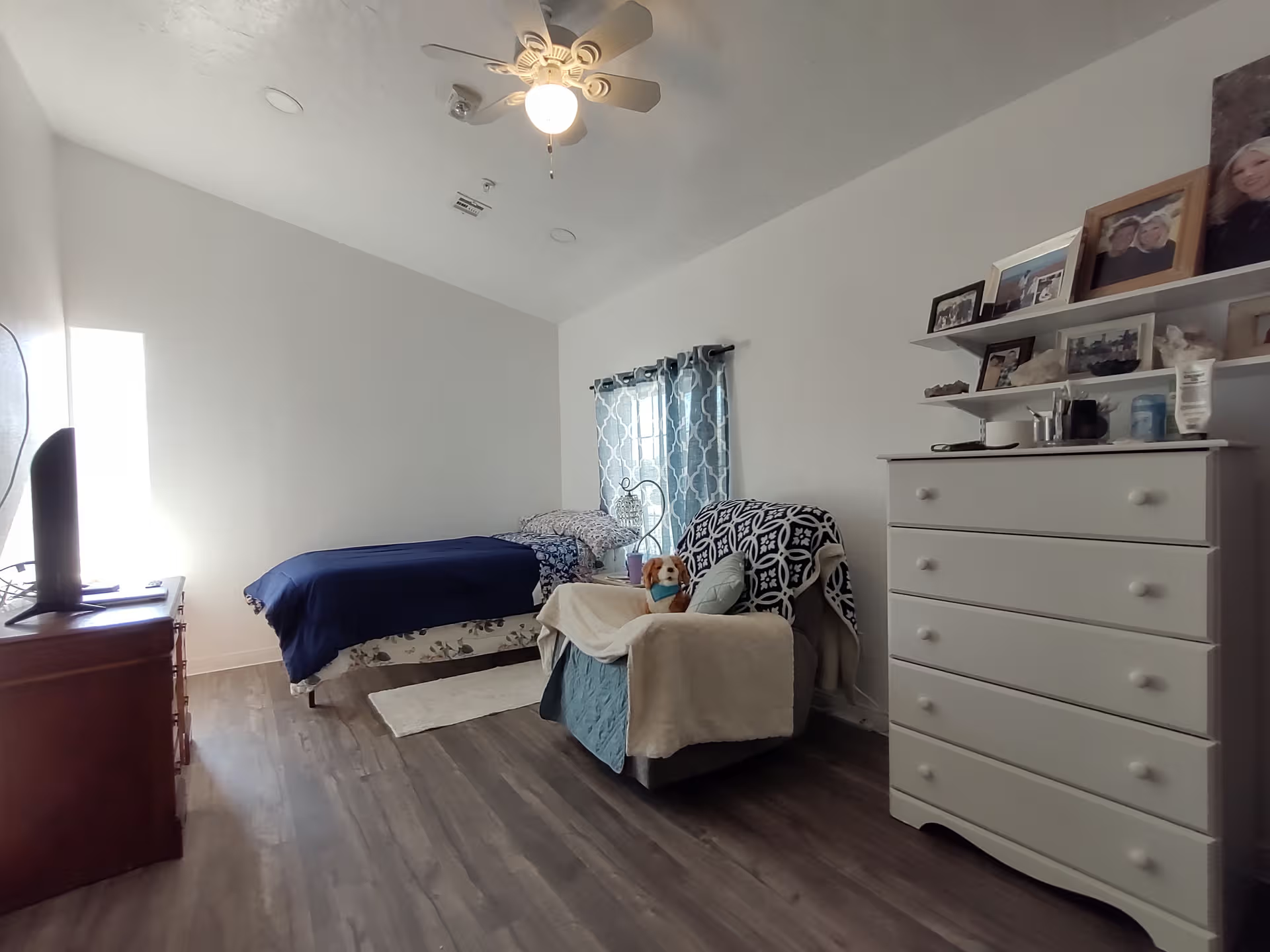
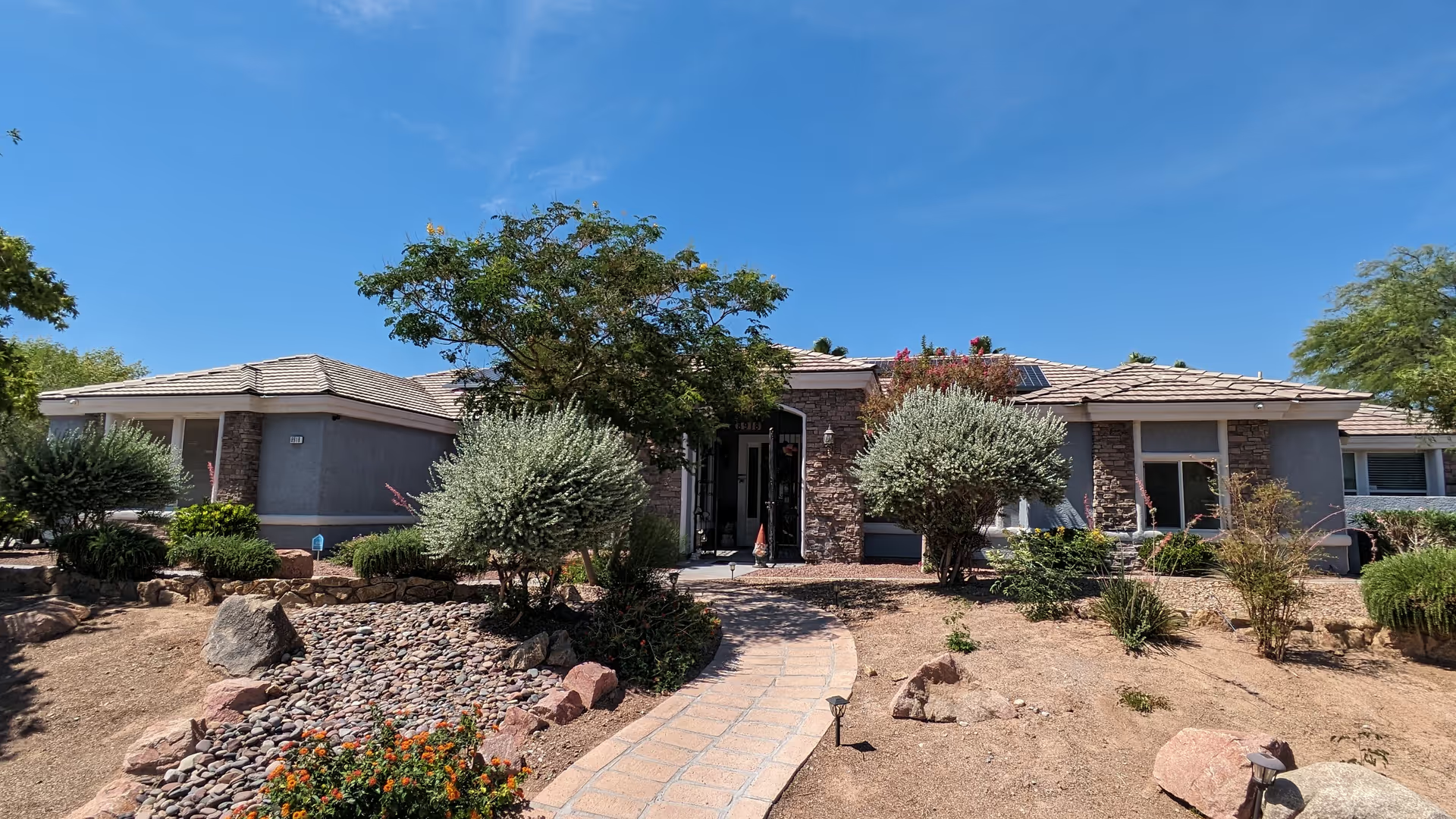
Overall assessment: Marvel Manor is described predominantly as a small, home-like assisted-living option that delivers personalized, compassionate care. Many family members praised the clinical competence and bedside manner of caregivers, noting attentive communication and an emphasis on resident comfort. Several comments highlight strong end-of-life support and express that residents were treated with warmth and respect.
Care and staff: The facility is characterized by hands-on, experienced caregivers who create family-style relationships with residents. Reviewers consistently emphasize staff knowledge, compassion, and a willingness to provide individualized attention. Communication with families is frequently described as prompt and clear, and staff are credited with making residents comfortable during sensitive periods.
Dining and activities: While explicit references to formal dining programs and scheduled activities are limited in the source material, the consistent description of a "home-like atmosphere" implies individualized meal routines and informal engagement opportunities rather than a highly institutional schedule. Phrases indicating residents "shine" under staff care suggest meaningful one-on-one interaction and attention to residents’ daily quality of life.
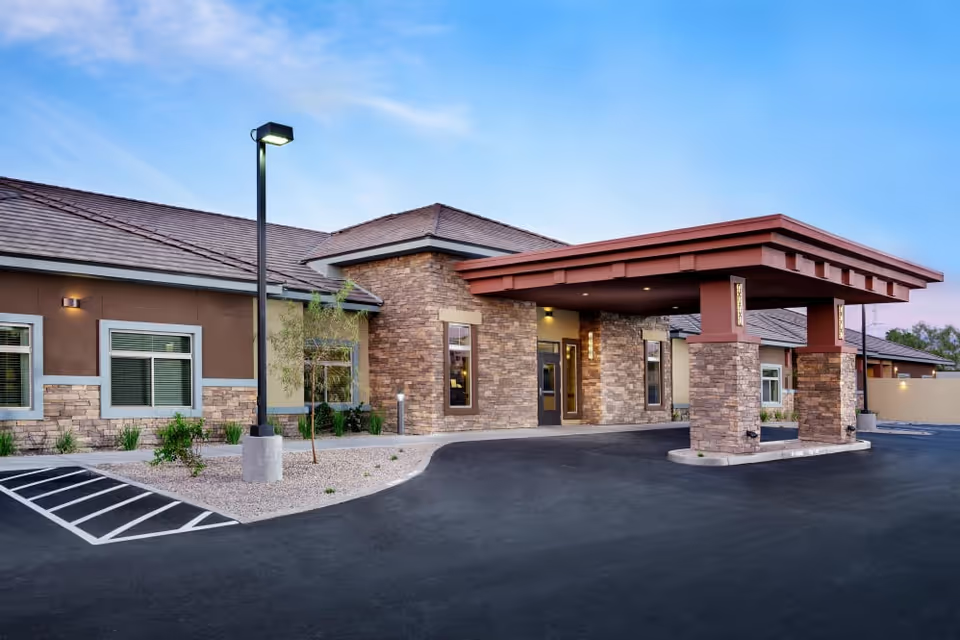
Facilities and cleanliness: The facility is commonly described as clean and well-maintained, reinforcing the home-like impression. Physical upkeep and sanitation are cited positively, which aligns with family perceptions of a comfortable living environment.
Management and notable patterns: The dominant pattern across feedback is positive, but there are isolated but notable negative accounts concerning management conduct and a significant negative impression in at least one family’s experience. These comments point to variability in conduct or responsiveness at the management/ownership level and suggest that outcomes can be uneven depending on specific staff or administrative interactions. There is also language indicating past care-quality issues that have since been addressed, implying some history of corrective action and subsequent improvement.
Implications for prospective families: Prospective residents and families should expect a small, personalized care setting with strengths in compassionate caregiving, communication, and cleanliness. Given the indications of variability around management professionalism and occasional negative family experiences, visitors should ask about staffing consistency, escalation and grievance procedures, and examples of how past issues were remedied. An in-person visit that includes conversations with direct-care staff, the administrator, and current family members will help clarify whether the facility’s predominant positive practices align with a prospective resident’s needs.