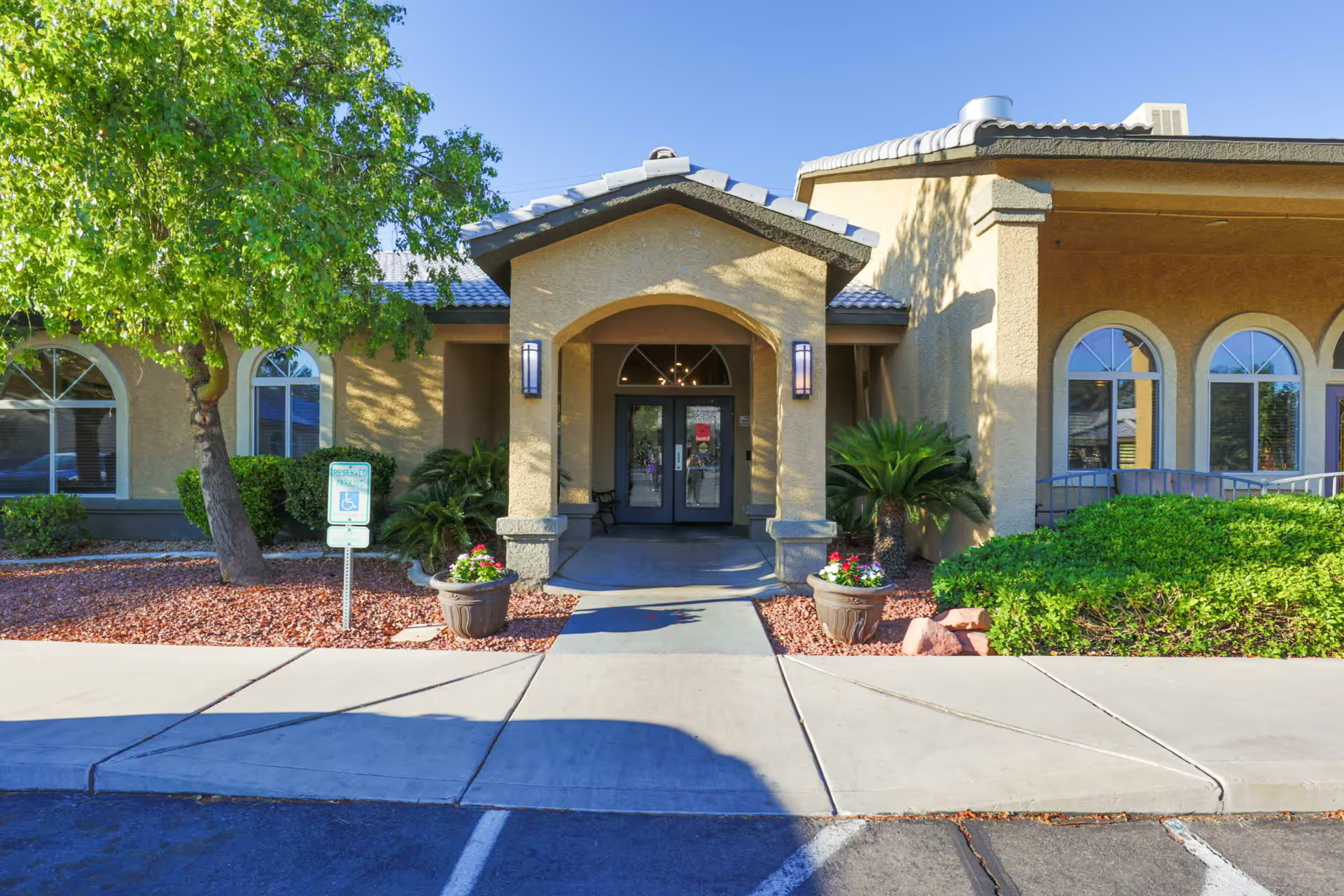
The review set shows a highly polarized picture of Premier Health and Rehabilitation Center of Las Vegas: some families and clinicians describe attentive, rehabilitation-focused care and positive interpersonal interactions, while many others raise substantive operational and clinical concerns. Positive comments cluster around individual staff members and therapy teams who delivered compassionate bedside care and measurable functional improvements. Reports of successful rehabilitations, engaging activities, a pleasant courtyard, and effective admission processes indicate that the facility can provide high-quality short-term therapy and responsive service under favorable staffing and management conditions.
At the same time, reviewers consistently describe patterns that indicate systemic weaknesses. The most frequent themes are inconsistent staffing (notably at night), slow or unreliable response to call bells, and breakdowns in communication — both between staff and physicians and between the facility and families. These patterns are associated with clinical process problems such as delayed medication administration, missed or inconsistent vital-sign monitoring, and gaps in wound and stoma care. Several accounts raise infection-control and sanitation concerns and describe pest-control issues and inconsistent cleaning in portions of the building. Together these items suggest variability in day-to-day operations and in adherence to clinical protocols.
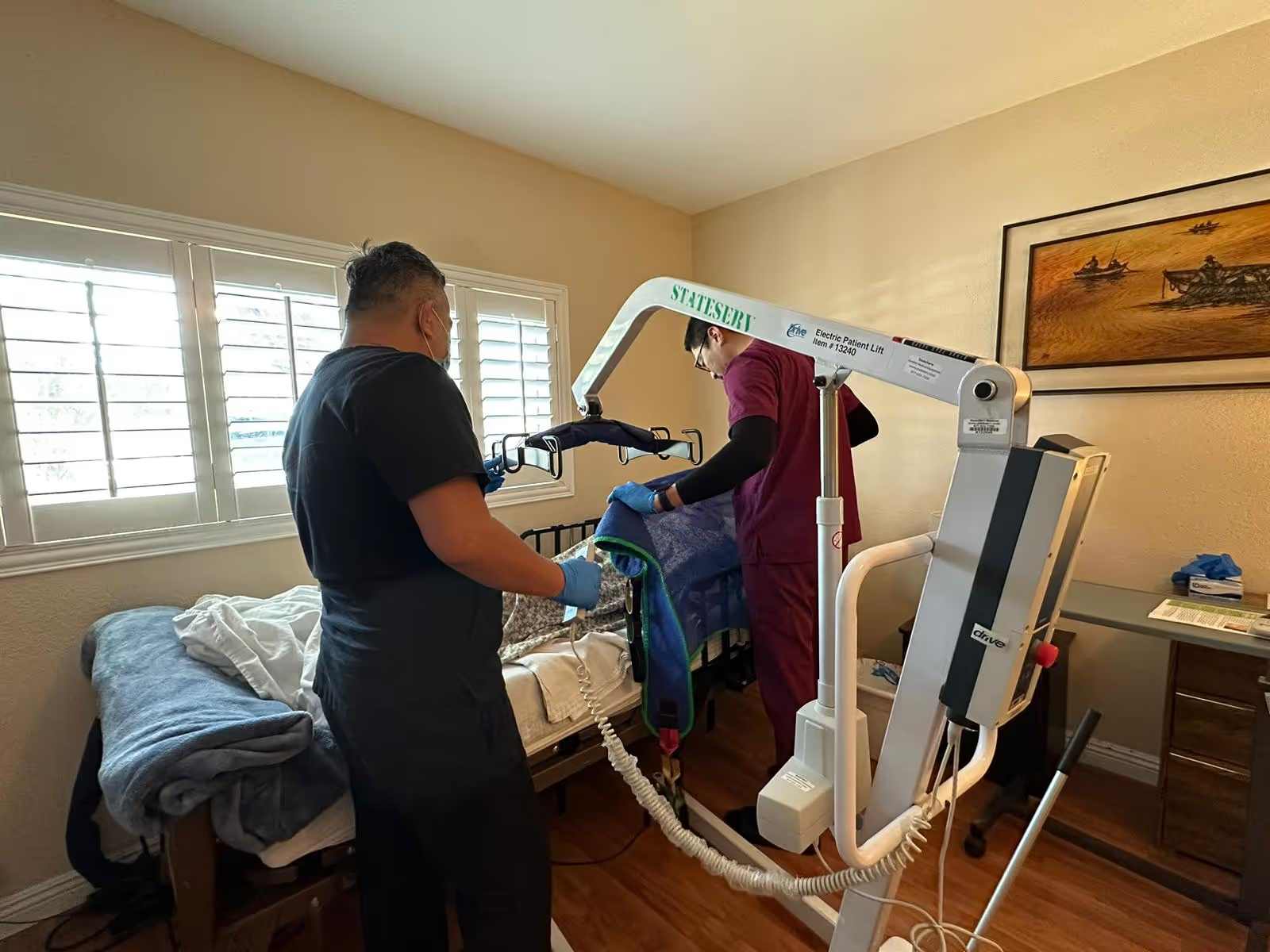
Safety- and environment-related issues recur across reviews. Families reported unsafe transfers, fall events, and problems with bed rails and equipment, pointing to weaknesses in transfer-safety and fall-prevention practices. Maintenance deficiencies (air-conditioning problems, exposed wiring, noisy or failing beds, and room changes) and inconsistent meal-service quality were also described. There are numerous statements about records and discharge management difficulties — missing or mislabeled medications at discharge, delays or obstacles to obtaining medical records, and instances of property misplacement — which indicate process gaps that affect transitions of care.
Management and regulatory themes are notable. Multiple reviews reference unresponsiveness from administration, a difficult case-management experience, and at least one state investigation or inspection action. While some reviewers praise specific administrators and a subset of clinical leaders, the overall pattern suggests uneven leadership engagement and variability in enforcement of facility-wide standards. A number of reviewers praised individual staff members by name, suggesting that strong caregiving exists but is not uniformly distributed.
For prospective residents and families: the facility appears capable of delivering effective rehabilitation and compassionate care in many cases, but there are repeated, specific operational concerns to probe before admission. Recommended pre-admission checks include asking for current staffing ratios (day and night), reviewing recent inspection reports and any corrective-action plans, confirming infection-control policies, observing cleanliness and pest-control measures during a tour, clarifying protocols for medication administration and discharge planning, and meeting the therapy team to understand the expected intensity of rehabilitation. When possible, identify consistent points of contact (case manager, charge nurse) and request written care and communication plans to help mitigate the variability described in these reviews.