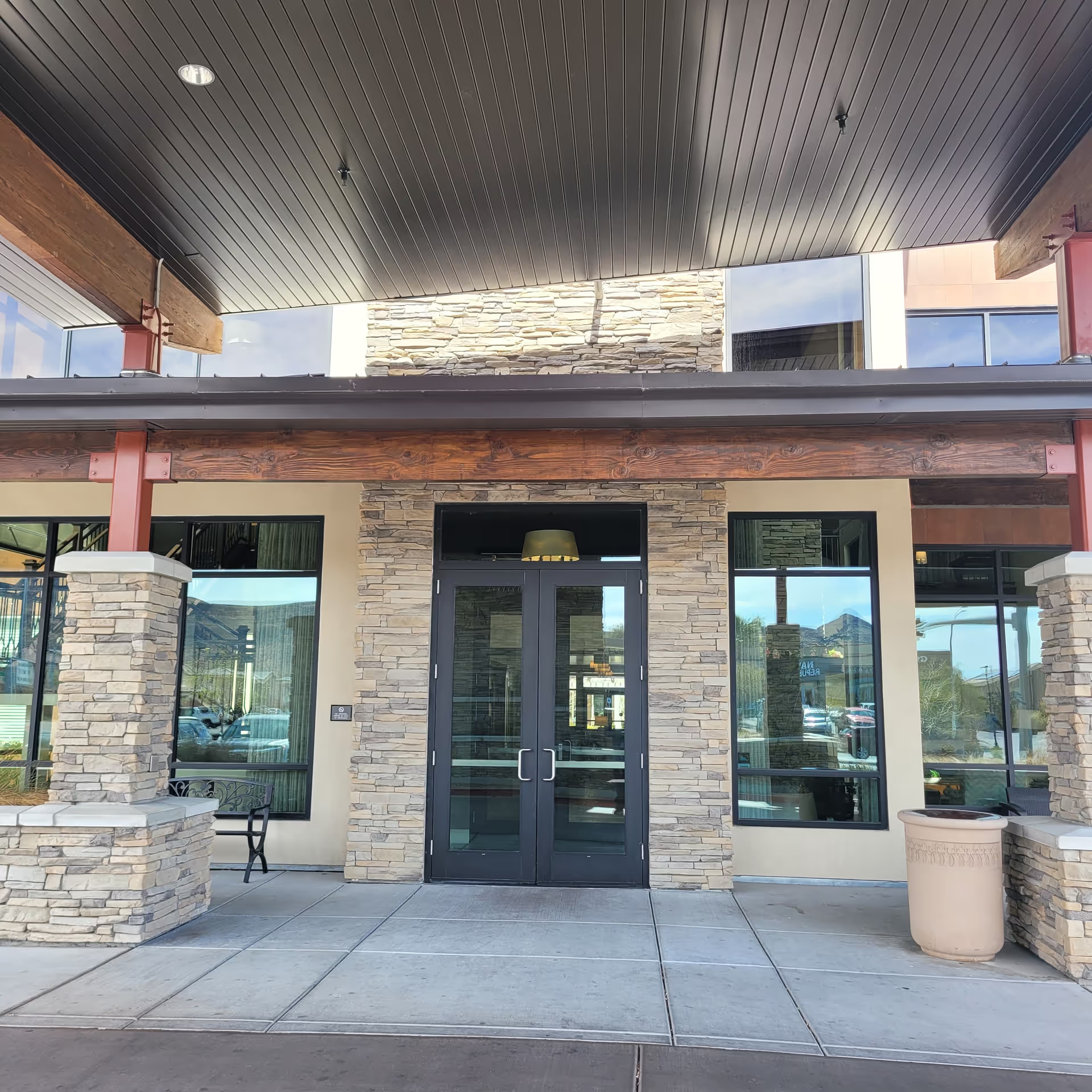
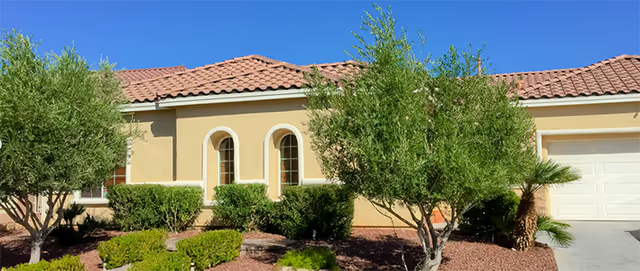
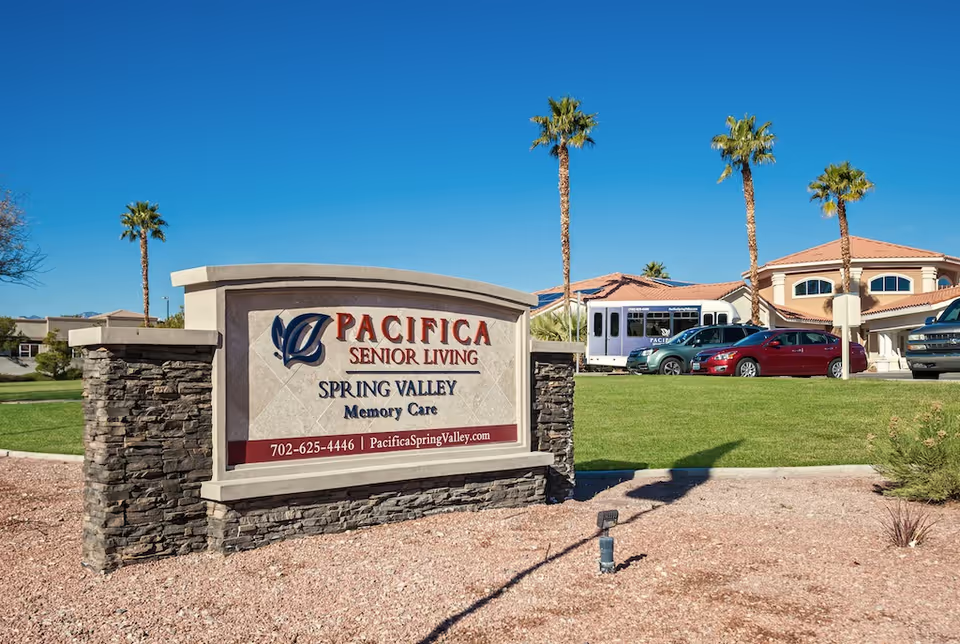
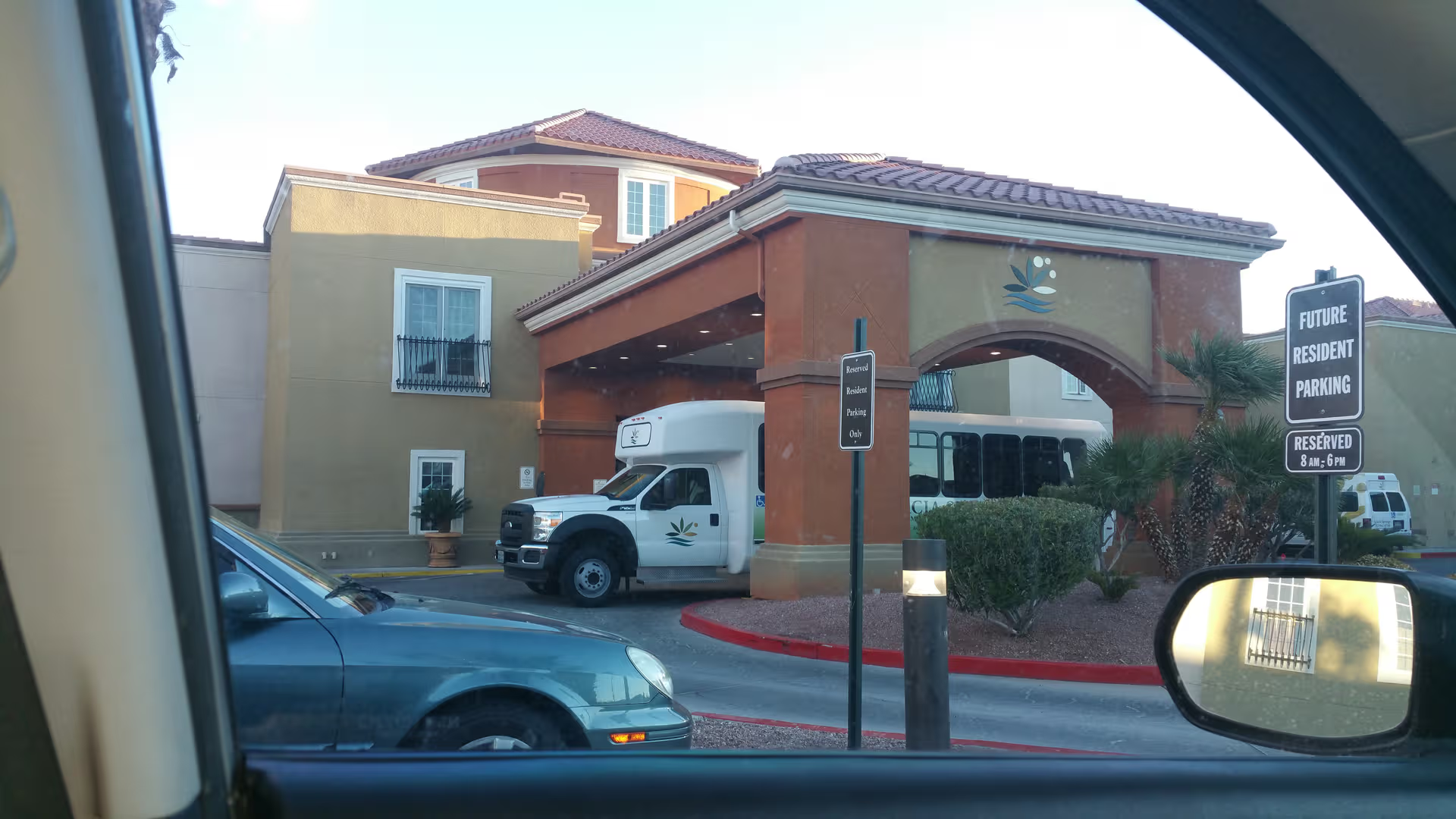
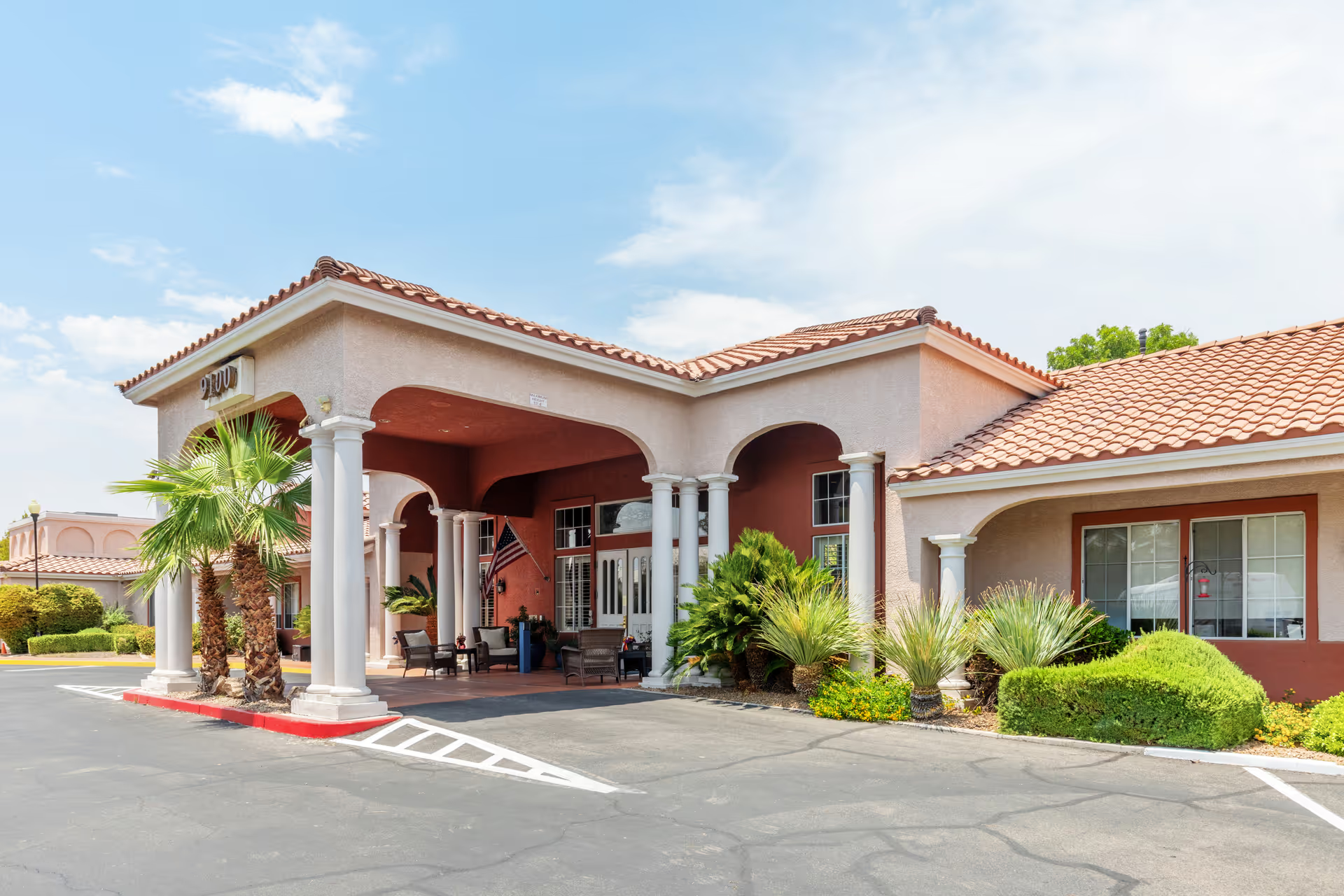
Pacifica San Martin / San Martin Senior Living presents a mixed but distinctive profile. Physically the community is frequently praised: apartments are described as spacious with full kitchens or kitchenettes, common areas are attractive and well-decorated, and the campus offers a wide range of amenities (movie theater, pub, salon, gym, activity rooms). Many families and residents emphasize the community’s active social program, regular outings, and available transportation, and several note that move-in assistance, laundry, and housekeeping services create a comfortable independent-living experience.
Staffing and direct care receive largely positive comments about interpersonal tone and helpfulness. Numerous reviewers call out compassionate, warm caregiving staff, attentive front-desk personnel, and nurses or directors who were responsive in particular interactions. At the same time, a recurrent operational pattern emerges: high staff turnover, intermittent understaffing, and variability in med-tech and nursing performance. These dynamics are associated with concerns about delayed responses to call buttons, missed or late medication administration, and instances where scheduled hourly checks or bathing assistance were not consistently completed. Memory-care units were often described as more reliably staffed and clinically attentive than some assisted-living areas.
Dining and housekeeping are common sources of divergence. Many residents praise the dining room, chefs, and visually appealing meals, while others describe cold meals, limited menu availability, or inconsistency in meeting special dietary needs. Housekeeping and sanitation are similarly mixed: public areas and some apartments are described as immaculate and hotel-like, yet other accounts describe sporadic cleaning, delayed maintenance, and occasional sanitation concerns in shared spaces or service areas.
Safety, security, and incident management are points of concern for several families. Reviewers describe gaps in security systems, slow or incomplete maintenance response, and shortcomings in incident documentation and follow-through. There are also specific, serious allegations—including theft and concerns following a resident’s death—that some families pursued with regulators; these reports indicate expectations for clearer policies on incident escalation, police access, and adult protective services notifications.
Management, administration, and billing surface as another recurring theme. Multiple reviews reference leadership turnover, inconsistent communication from administration, billing errors (including post-mortem charges and delayed refunds), and slow or dismissive responses to complaints. Conversely, several reviewers highlighted positive experiences with particular administrators or business-office staff who resolved problems effectively; this suggests variability linked to who is in the leadership or financial role at a given time.
Taken together, patterns suggest the facility performs well as an independent-living or active-senior community with strong amenities and many caring staff members. However, families should exercise caution if their loved one requires dependable, higher-acuity clinical oversight. Prospective residents and their families would be well served to ask targeted questions during a tour: staffing ratios by shift, average tenure of clinical staff, protocols for call-button response and emergency transfers, medication-administration checks and documentation, security measures (cameras, incident escalation), dining accommodation processes for therapeutic diets, and specific billing/refund procedures. Verifying current leadership stability and requesting recent quality- or regulatory-summary information may also help assess whether operational weaknesses described in some reviews have been addressed.