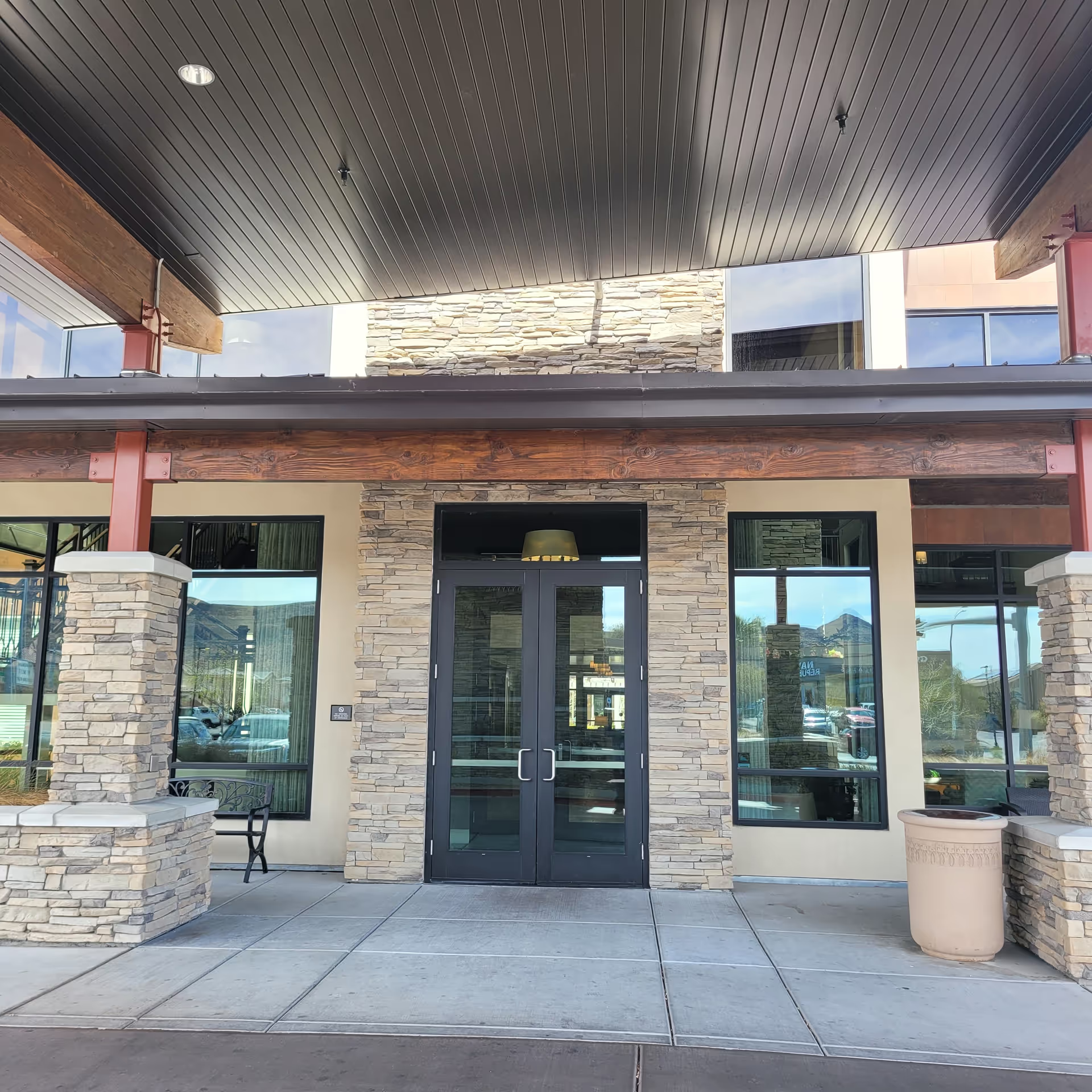
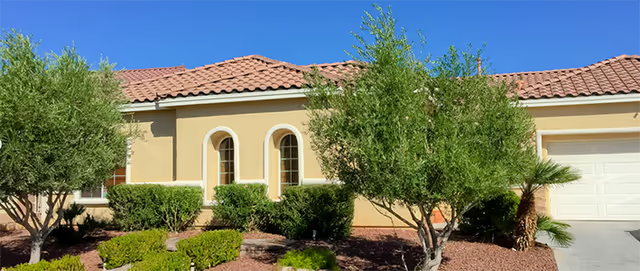
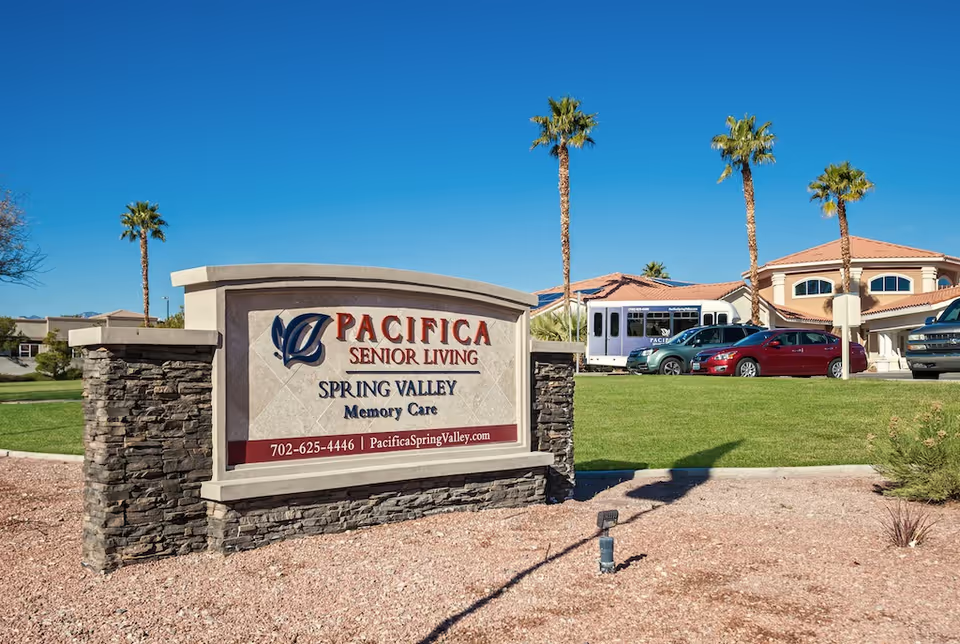
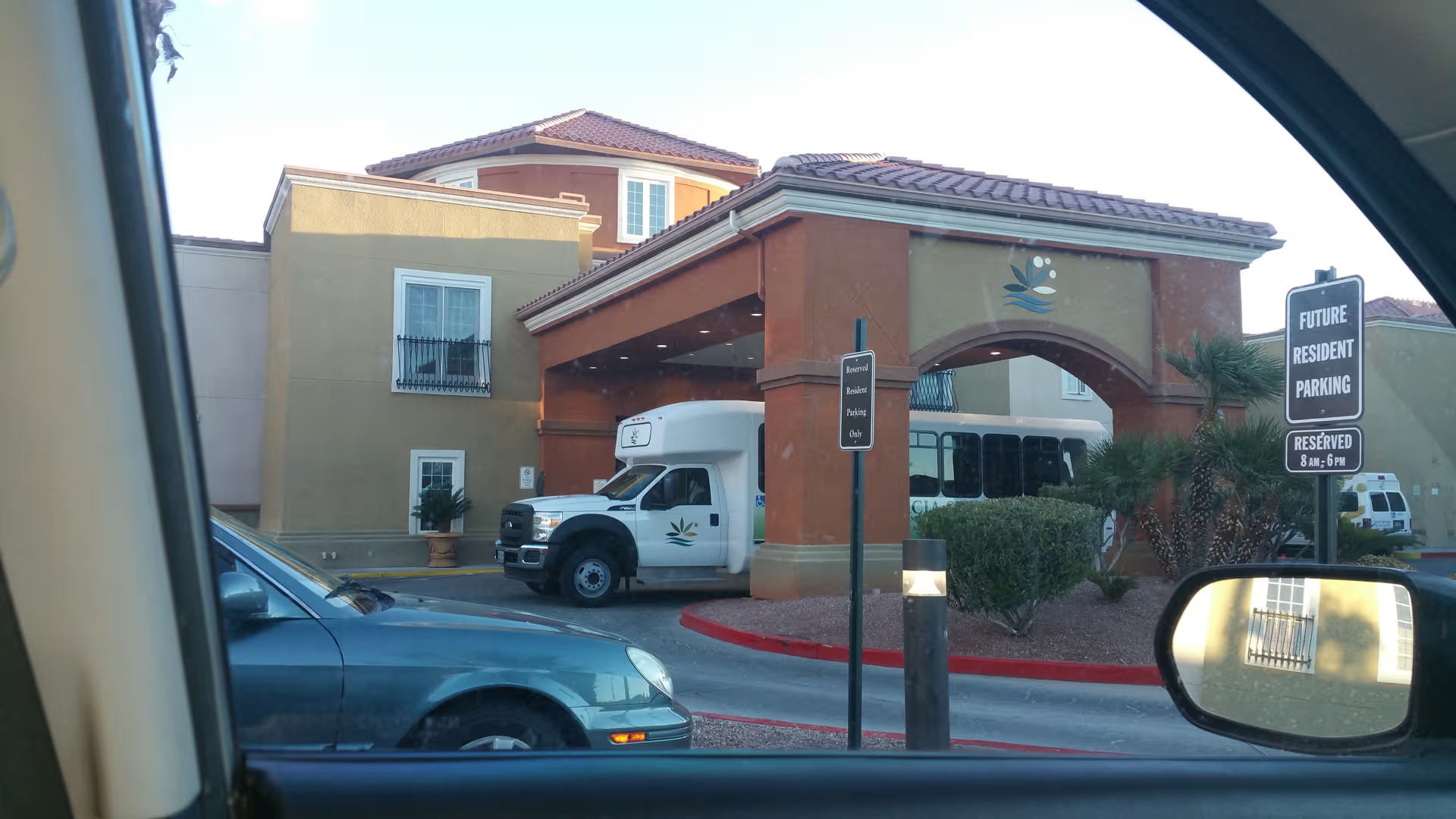
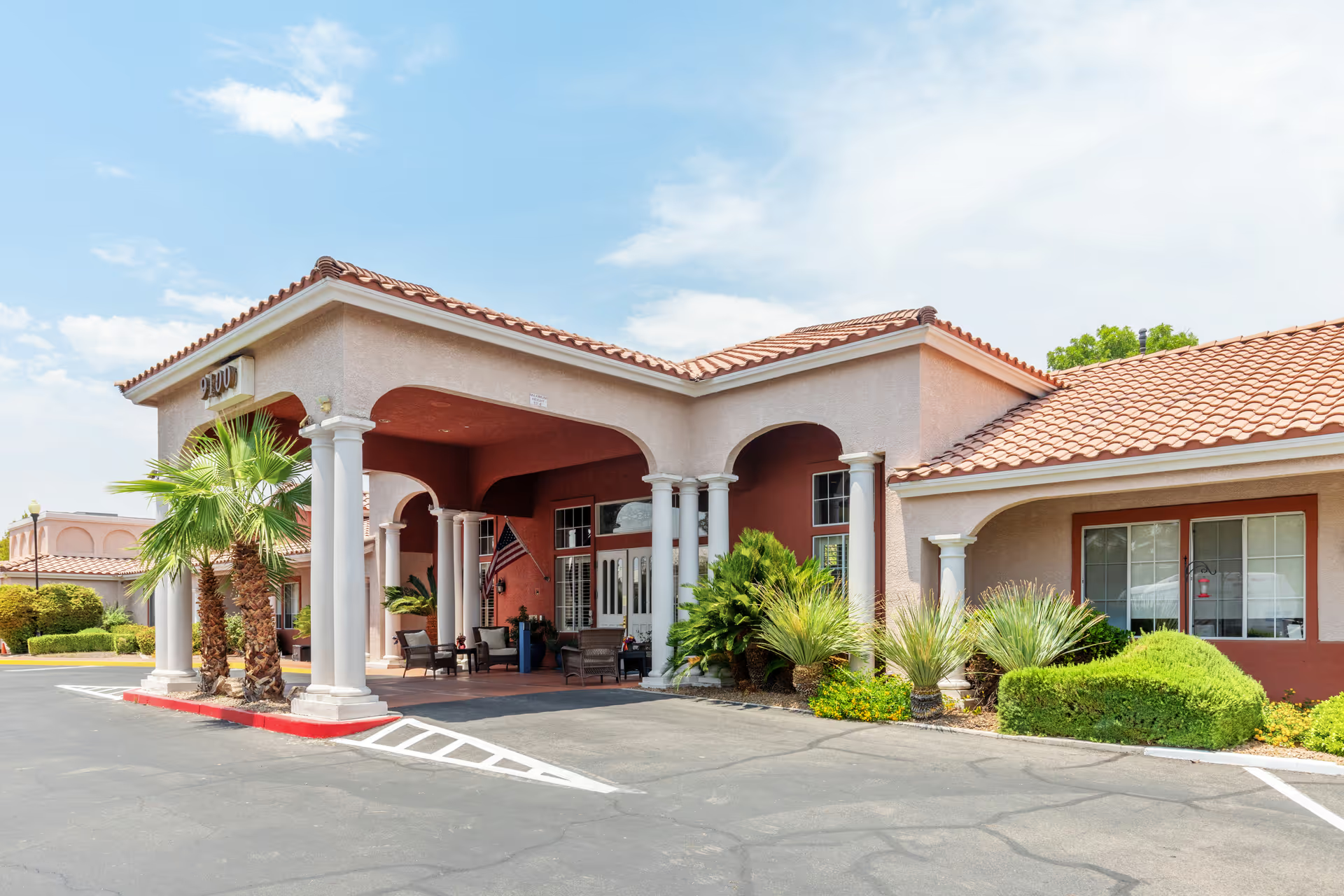
Overall impression: Serenity Living at Mountains Edge presents as a small, well-kept, home-like memory-care residence with a remodeled interior and a neighborhood setting that many families found comforting. The facility is consistently described as clean and attractive, with spacious private rooms, large closets, TVs, and pleasant common areas including a movie area and outdoor views of a pool and backyard. Ownership and management are characterized as involved and accommodating, and relative affordability compared with larger facilities was noted as a recurring advantage.
Care and staff: Most families emphasized the strength of the caregiving team — compassionate, patient, and consistent caregivers who provide individualized, round-the-clock support and maintain regular family communication (calls and photos). Memory-care training and hospice presence are available, and reviewers frequently praised staff responsiveness, gentle manner, and willingness to accommodate room customization and family visits. That said, a minority of comments described lapses in personal-care routines or hygiene and suggested variability in care consistency; these observations point to potential staffing or training gaps that families should clarify during a tour.
Dining: Meals are described as nutritious, freshly prepared, and wholesome rather than gourmet. Fresh coffee and regular meal service were positives for many families. However, a number of reviewers expressed that menu variety and palatability were limited for some residents — comments included repetitive offerings (e.g., frequent soups) and parents or residents becoming bored with the food. Families should ask about menu rotation, alternatives for picky eaters, and accommodations for dietary preferences.
Activities and socialization: The facility offers arts-and-crafts, puzzles, movie viewing, and some organized activities, and staff do engage residents individually. Nonetheless, activity programming was described as uneven: social opportunities can be limited, particularly for residents with advanced dementia or reduced mobility, and communal socialization has been curtailed at times by infection-control policies. Some reviewers also noted that residents generally do not access the pool or that group programming is not heavily emphasized. Prospective families should inquire about activity schedules, adaptations for non-ambulatory residents, and current communal-access policies.
Facilities and management: The home-like scale and remodeled appearance are recurring positives; the gated, upscale location and well-maintained grounds contribute to a calm atmosphere. Management is viewed as supportive and communicative, and the smaller size is seen as a factor enabling personalized care. Families repeatedly cited good value for money and direct owner involvement as helpful for coordination and responsiveness.
Notable patterns and guidance: Strengths center on compassionate, consistent caregivers, personalized attention, clean and comfortable accommodations, and reasonable cost. Areas to probe further during a visit include staffing levels and shift coverage, protocols for personal-care and sanitation, specifics of activity programming for residents with dementia or limited mobility, meal rotation and alternatives, and policies governing resident access to on-site amenities (such as the pool) and infection-control restrictions. These targeted questions will help families balance the facility's clear caregiving strengths against the operational limitations noted by some reviewers.