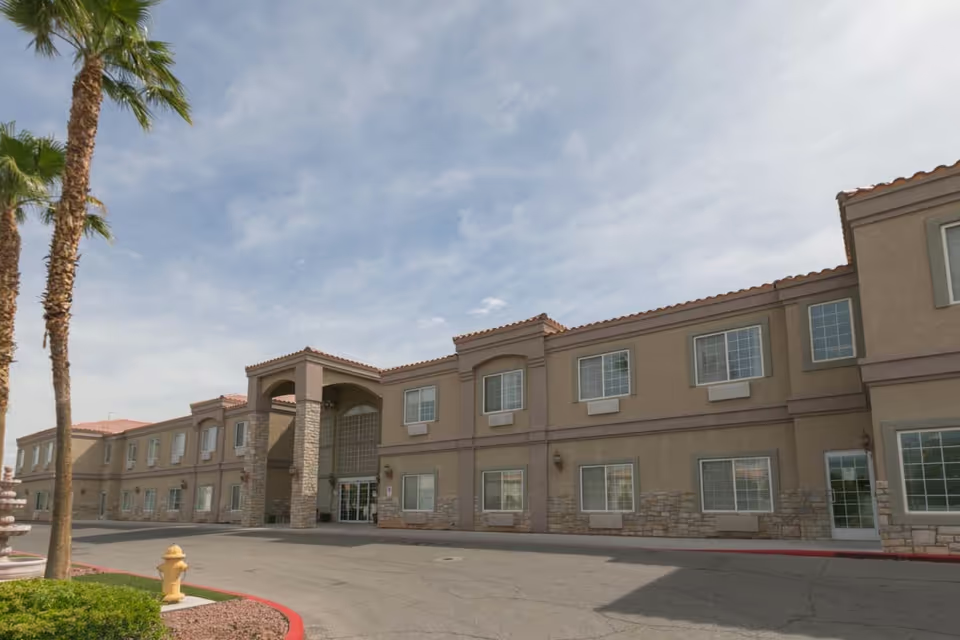
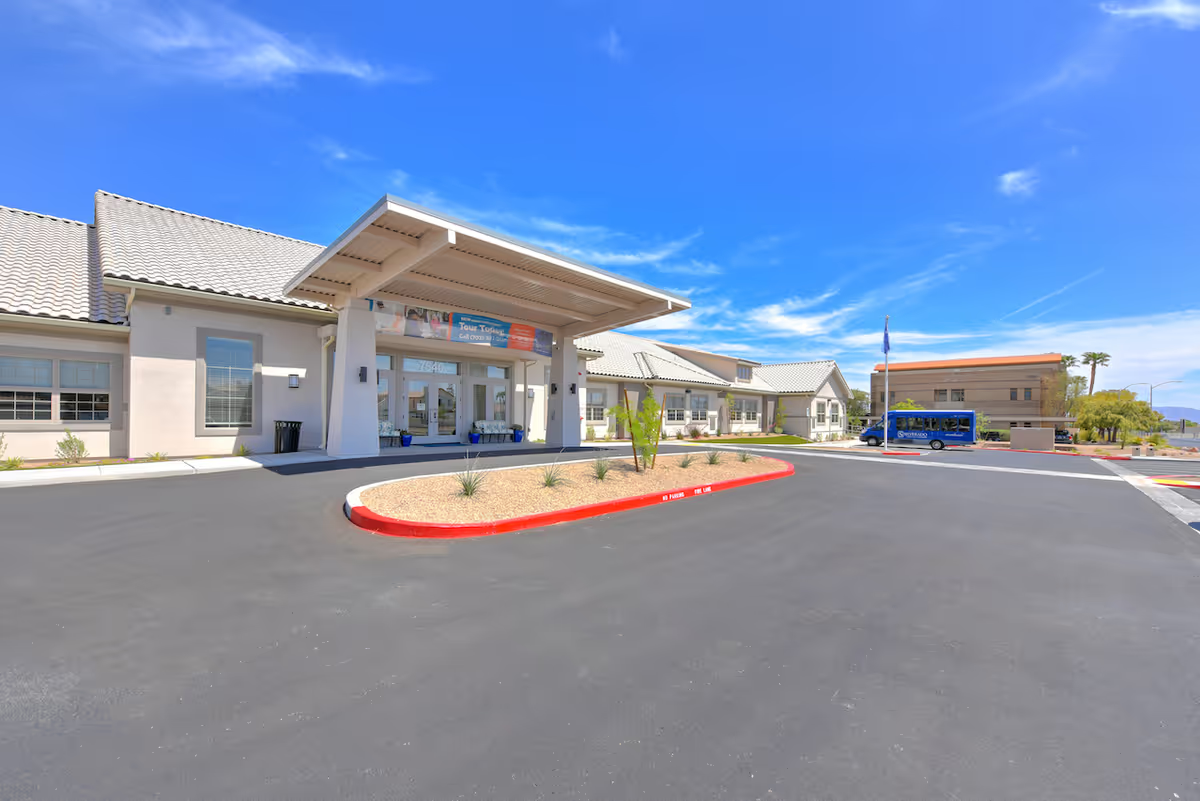
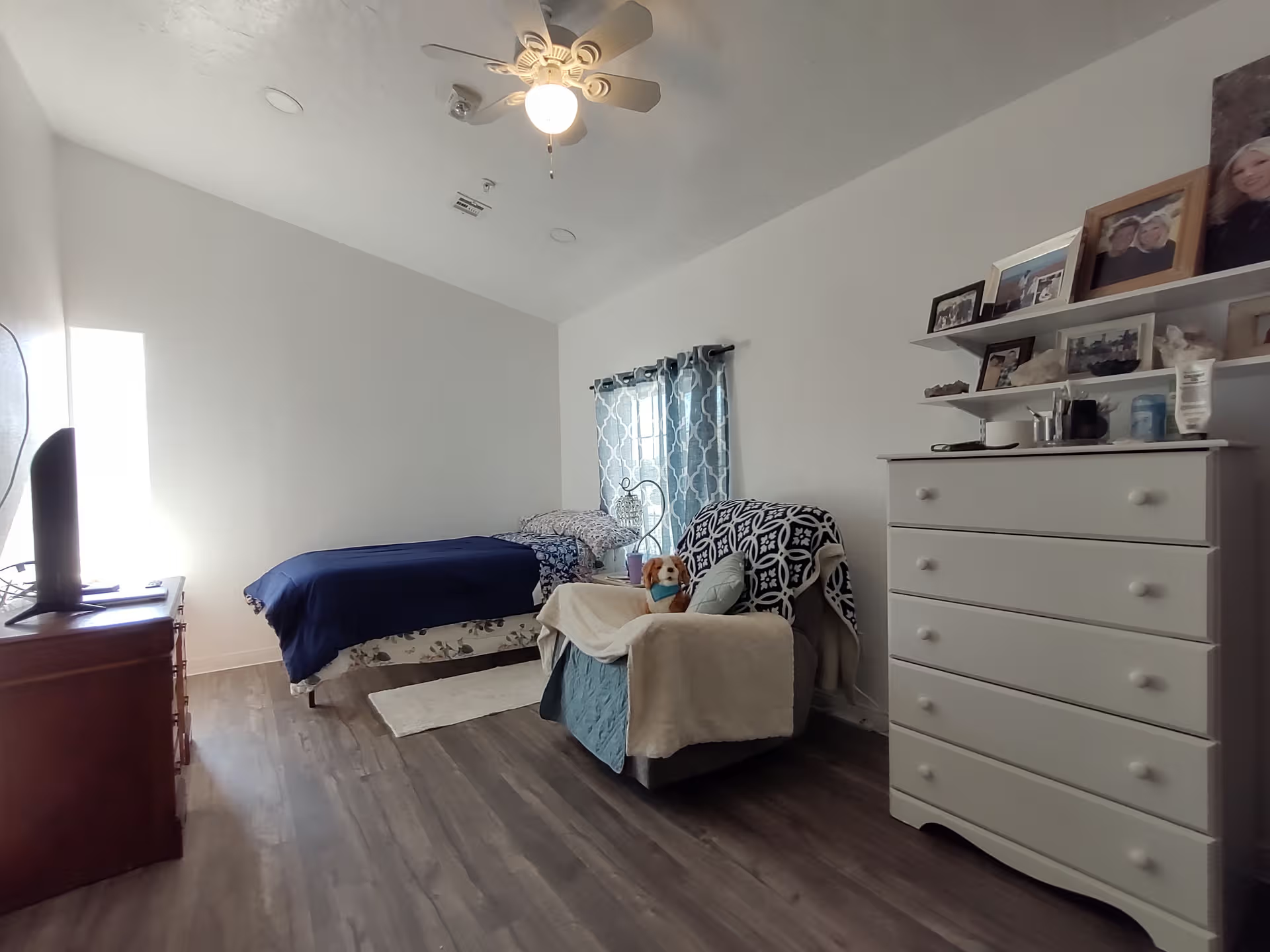
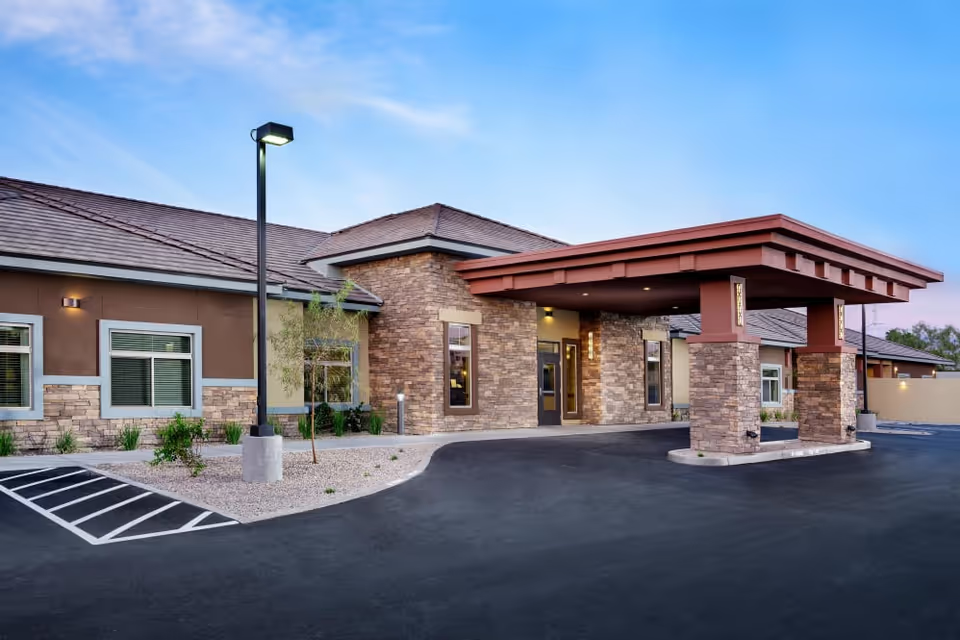
Silver Hills Health Care Center elicits highly mixed feedback. A substantial subset of families and residents praise the facility's rehabilitation offerings, noting strong physical and occupational therapy services, measurable functional gains, and several named caregivers and nurses who provided attentive, compassionate care. The campus features engaging daily activities, an outdoor courtyard, a welcoming exterior and lobby, and a family/pet-friendly visitation approach that many families appreciate. Case management and social work support are also cited positively in multiple accounts, and the facility's proximity to the hospital is a pragmatic advantage for some residents.
Counterbalancing those positives are repeated operational concerns. Staffing levels and shift coverage are described as inconsistent; reviewers describe long delays responding to call bells and phone messages, high nursing caseloads, and periods when night staffing and supervision were inadequate. These staffing challenges are associated with inconsistent medication timing and documentation, delays in clinical assessments, and limited physician oversight in some cases. Several accounts raise concerns about safety processes — including transfers, fall prevention, bed- and room-safety measures — and there are multiple references to pressure around admissions, discharge timing, and billing practices that warrant scrutiny.
Sanitation, infection-control, and maintenance are recurring themes. Reviewers described sanitation and pest-control concerns in resident rooms and common areas, odor concerns, issues with equipment upkeep, and dated infrastructure in portions of the facility. A number of families referenced problems with infection-control procedures and quarantine implementation. These issues, combined with inconsistent assistance for bathing and continence care, are linked in some accounts to consequent clinical complications and heightened family distress.
Dining and nutrition receive mixed feedback. Some residents found the dining and substitution options acceptable, but many families described inconsistent meal temperature and composition, carbohydrate-heavy offerings, and challenges meeting specialty diets such as diabetic needs. Food-service continuity and responsiveness to dietary restrictions emerge as operational areas for improvement.
Communication and management practices are another notable pattern. Families report variable responsiveness from administrative staff and case managers, difficulty obtaining timely updates, and inconsistent coordination during transitions of care. While some staff and leaders have been singled out for effective communication and improvement efforts, others are described as unhelpful or dismissive. Allegations of theft and questions about admission tactics appear in a limited number of accounts and suggest the need for careful review by prospective families.
In summary, Silver Hills shows strengths in rehabilitation programming, individual staff commitment, and family-friendly amenities, but the facility also demonstrates significant variability in day-to-day operations. Key areas for attention are staffing consistency, clinical oversight, medication practices, sanitation and infection-control, meal management, safety protocols, and transparent communication and billing processes. Prospective residents and families should weigh the positive rehabilitation outcomes and praised staff members against the operational risks described, and consider in-person visits, detailed questions about staffing and infection-control policies, and verification of current quality metrics before making placement decisions.