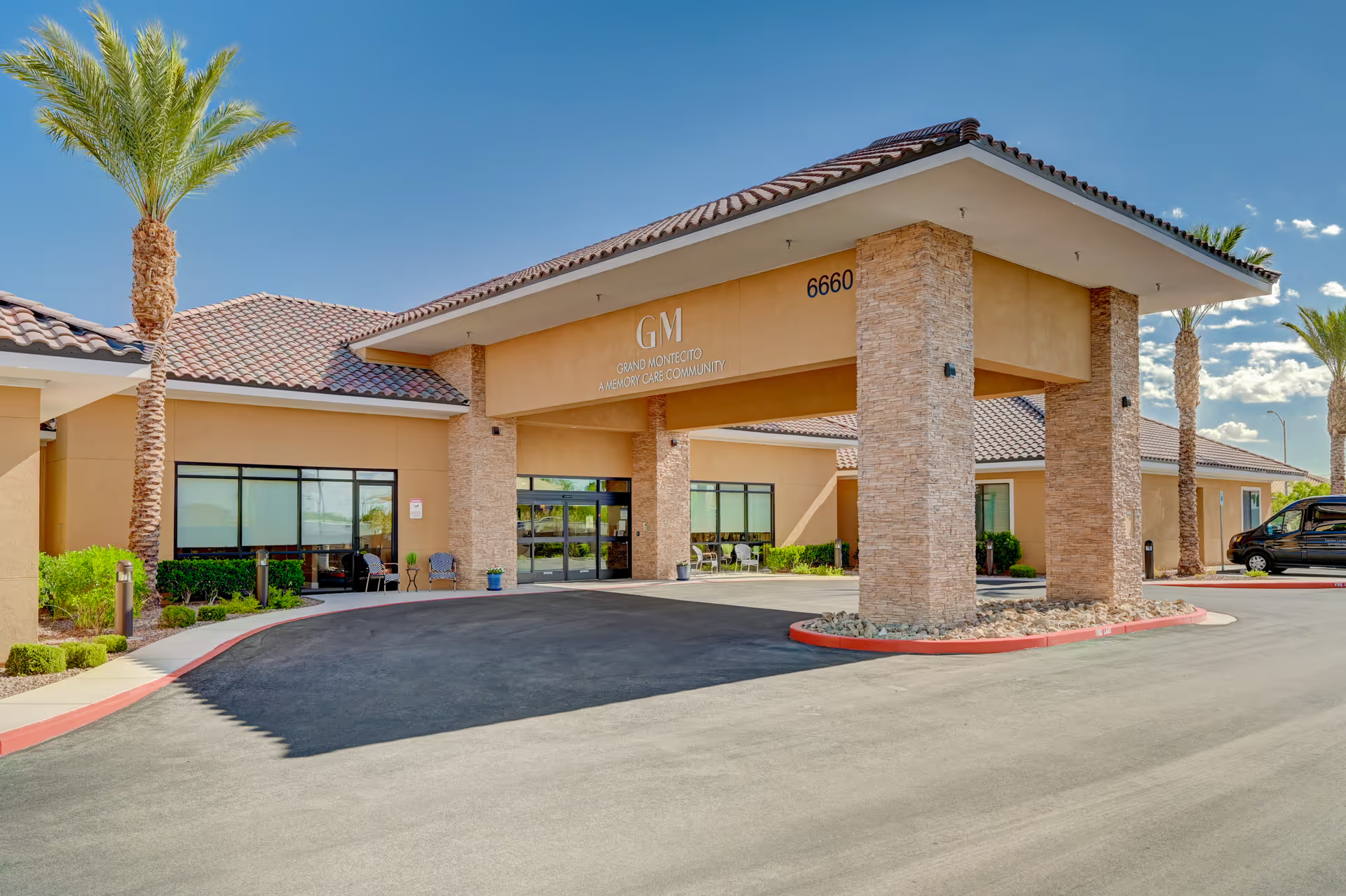
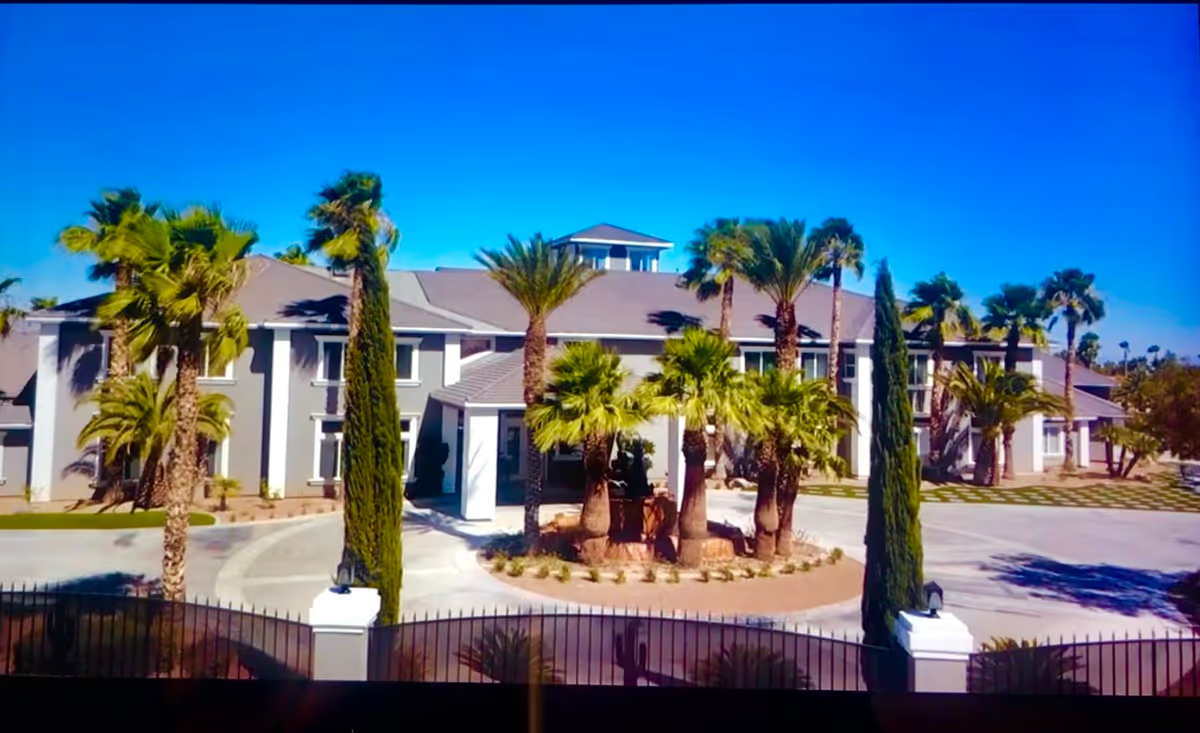
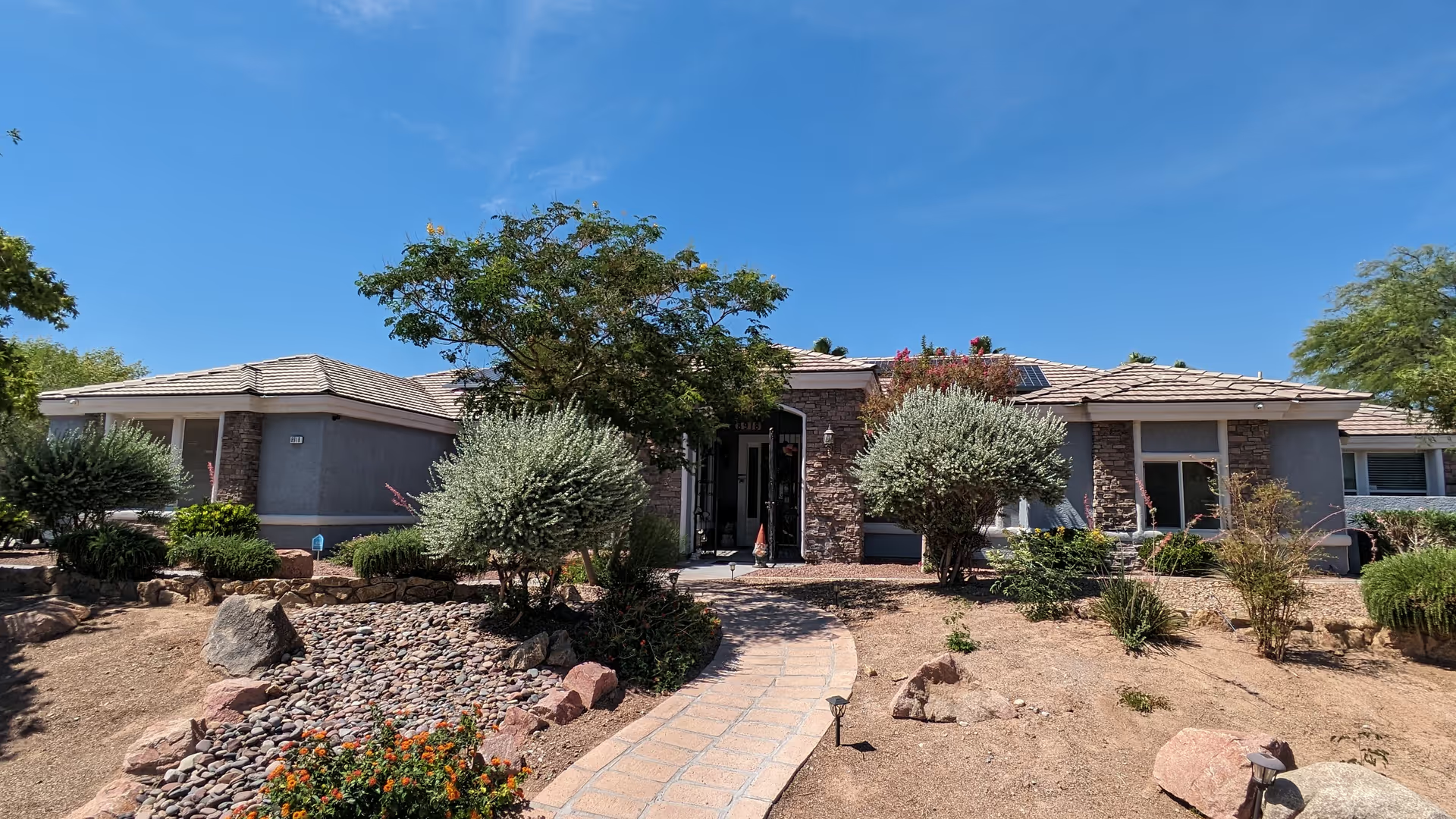
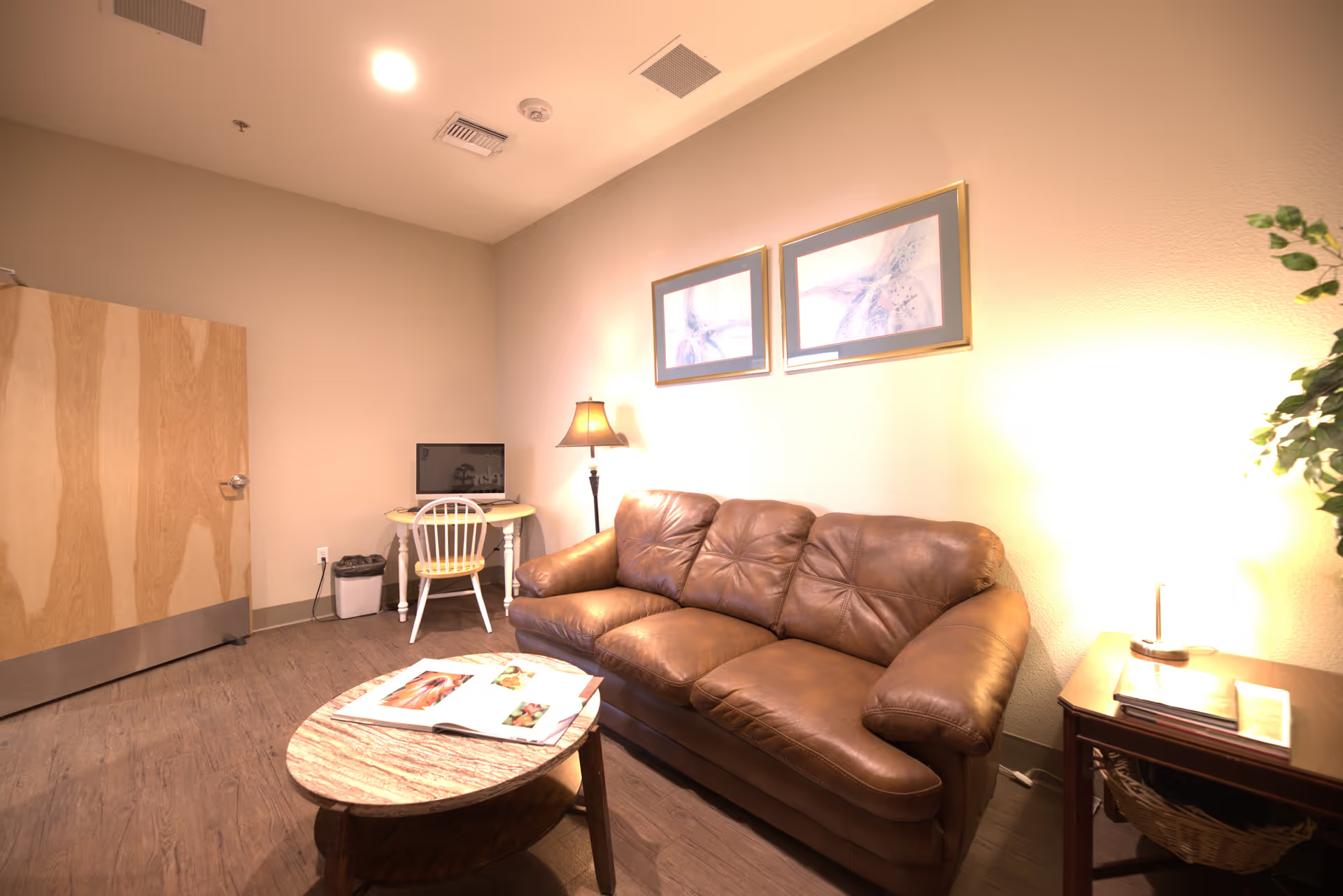
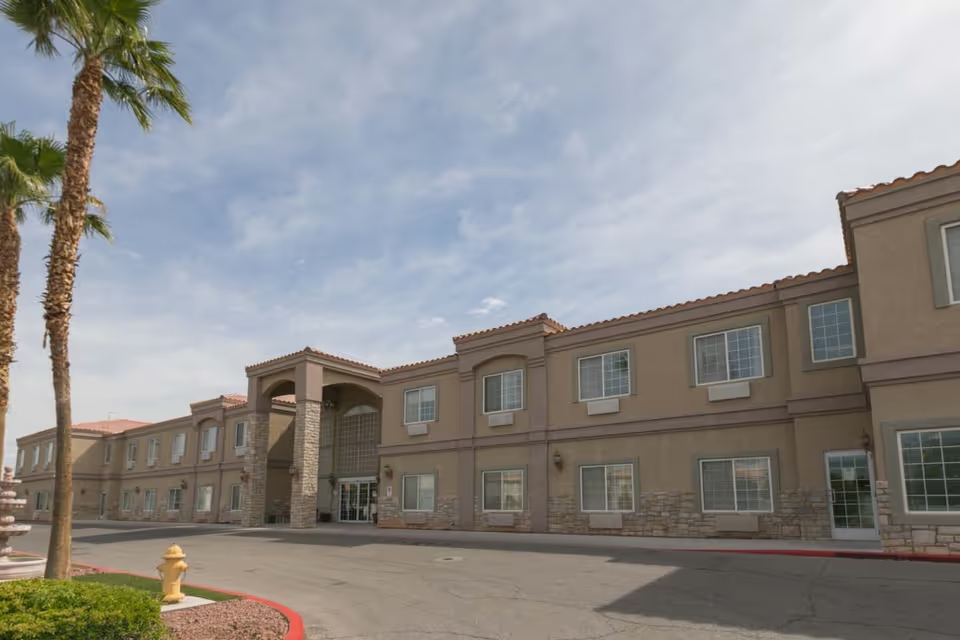
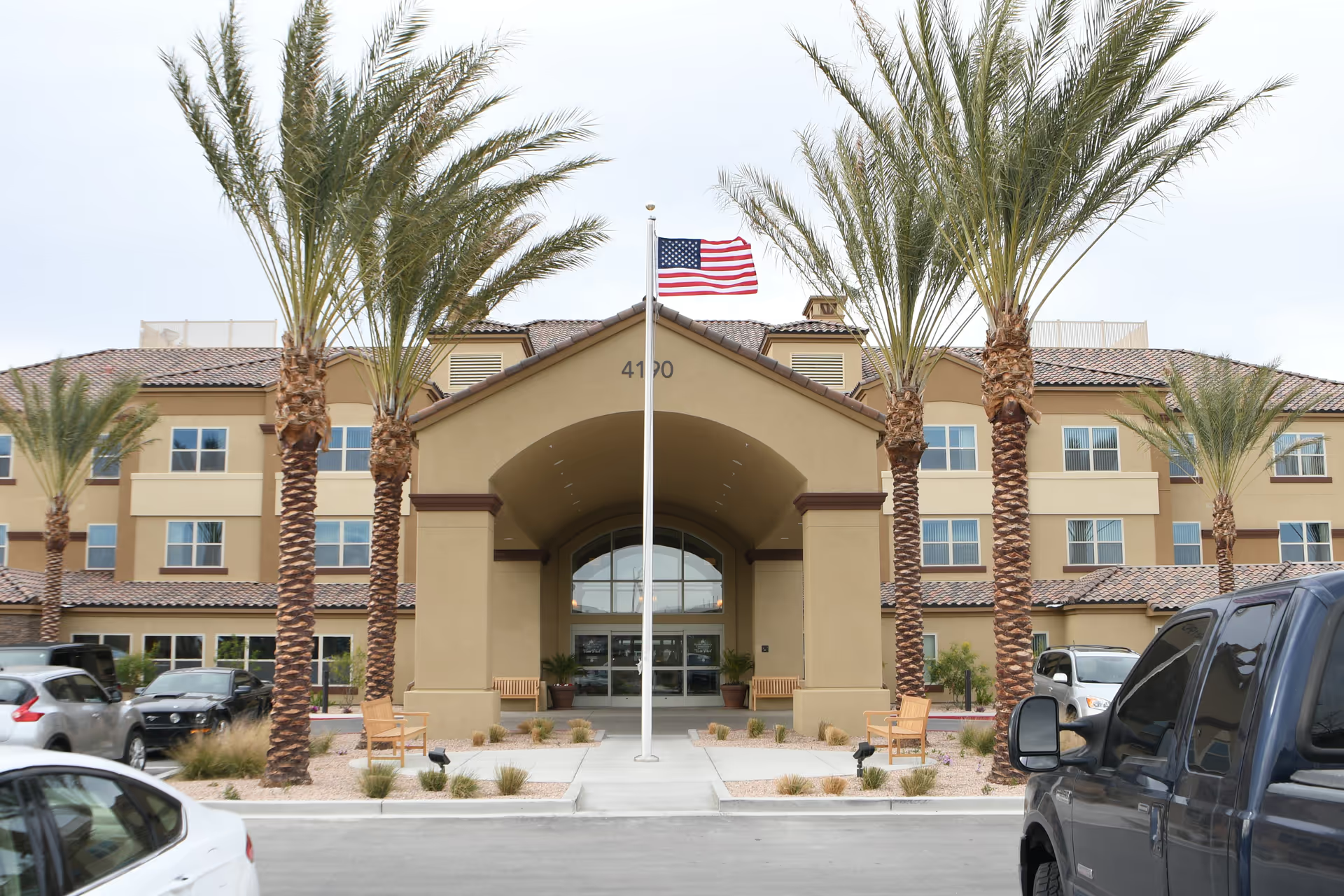
Overall impression: Reviews of Skye Canyon Post Acute are mixed, with a strong cluster of praise for the facility’s environment, dining, and rehabilitation services contrasted by recurring operational concerns. Many families and patients describe a clean, modern, hotel-like setting with private rooms, a well-appointed therapy gym, and restaurant-style meals delivered by an executive chef and bistro/coffee-bar amenity. At the same time, there are repeated notes about system-level weaknesses that affect day-to-day reliability and safety.
Care quality and clinical services: The facility’s rehabilitation services receive frequent commendation. Physical, occupational, and speech therapists are often described as skilled, encouraging, and results-oriented, with documented improvements in mobility and functional status for short-term rehab patients. Several families valued personalized therapy plans and access to a well-equipped gym. However, reviewers also raised concerns about the facility’s ability to manage more complex clinical needs such as advanced stroke recovery or dementia care; some accounts indicate the therapy and clinical teams may not be consistently equipped or staffed for higher-acuity neurological cases.
Staffing, responsiveness, and conduct: Nursing and CNA staff are a prominent positive in many accounts — described as compassionate, attentive, and going above and beyond in numerous cases. At the same time, an equally persistent theme is inconsistent staffing levels, including reliance on agency personnel and weekend coverage shortfalls. This staffing variability is tied to slow call-button response times, delayed assistance with basic needs, and instances of delayed or missed medication administration. Reviews also note variability in staff professionalism and communication tone; a subset of reviews cites serious concerns about staff conduct and unresolved property-loss incidents, which families found distressing.
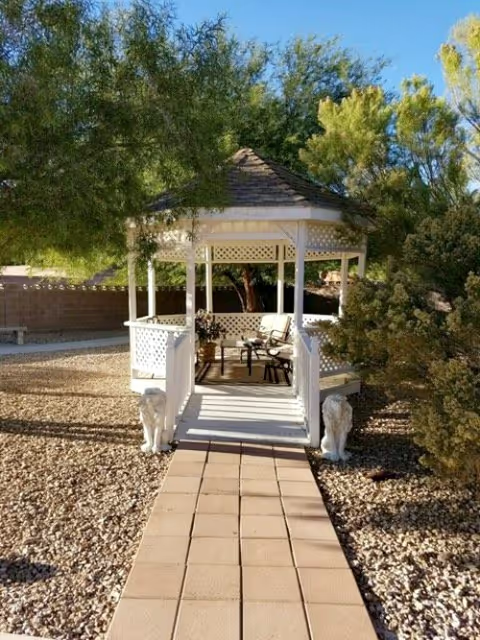
Dining, activities, and resident life: Dining and activities are clear strengths for many guests. The dining program is repeatedly praised for quality, variety, and presentation; the bistro and coffee bar are frequently mentioned as valued amenities. The activities program, led by a dedicated activities director in several accounts, is described as engaging and creative, with arts-and-crafts, social events, and use of the garden atrium (including a resident tortoise) contributing to a family-like atmosphere. That said, a number of reviewers noted that meal quality has at times become inconsistent and that cost-driven menu changes have affected portions and variety.
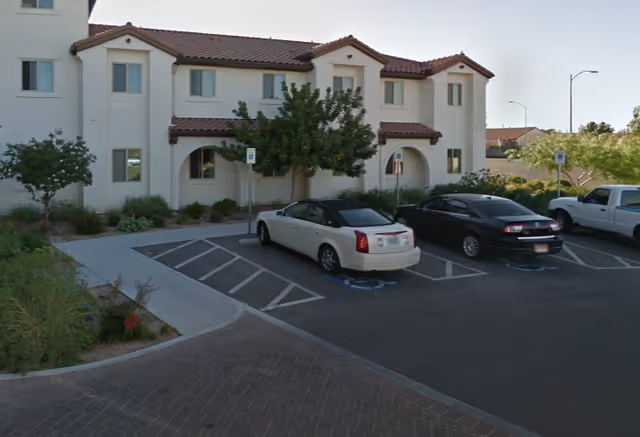
Facilities and safety: The physical plant is generally described as new, clean, and well maintained, with private bathrooms and accessible showers. Still, reviewers raise facility-level safety items: inconsistent use or availability of bed rails and shower safety measures, occasional flooding or maintenance-related hazards, and gaps in property security and accountability. These environmental and equipment-control inconsistencies intersect with staffing issues to create perceived safety risks for some families.
Management, communication, and administration: Management experiences are variable. Some families praised admissions staff, social work, and administrators for clear communication and responsiveness; others cited poor discharge coordination, missing supplies at bedside, unclear billing interactions, and pressure related to payor/insurance matters. Medication management and documentation problems are frequently referenced alongside lapses in weekend coverage and off-shift oversight. A small number of reviews described infection-control events and a few included allegations of theft and of staff-caused injury; these reports were serious in nature and contributed to heightened family concern in those cases.
Patterns and guidance for prospective families: The dominant pattern is a facility that can deliver strong short-term rehabilitation outcomes in a comfortable, hospitality-oriented environment when staffing and clinical oversight are functioning well. However, the facility appears to have operational variability — especially around staffing levels, medication administration, discharge coordination, and capability for higher-acuity neurological or dementia needs. Prospective residents and families should weigh the strengths in therapy, dining, and amenities against the pattern of responsiveness and administrative issues. Suggested practical steps before admission include clarifying expected nursing ratios and weekend coverage, confirming therapy capabilities for specific diagnoses, reviewing medication-administration protocols, and establishing a clear communication plan with the care team and case manager.