Sterling Ridge presents as a community with many strengths alongside notable operational variability. Strengths repeatedly cited include caring, personable staff—often long-tenured—who foster a warm, home-like atmosphere. Families and residents frequently praise the activity schedule (bingo, dances, art, exercise classes, outings), transportation to appointments and events, on-site amenities (salon, theater, library, gym, therapy services), pet therapy, and availability of hospice and on-site clinical support. The facility offers a full continuum of care (independent, assisted, memory care) and several reviewers highlighted effective medication administration and nursing support, convenient location near medical services, and perceived good value for cost.
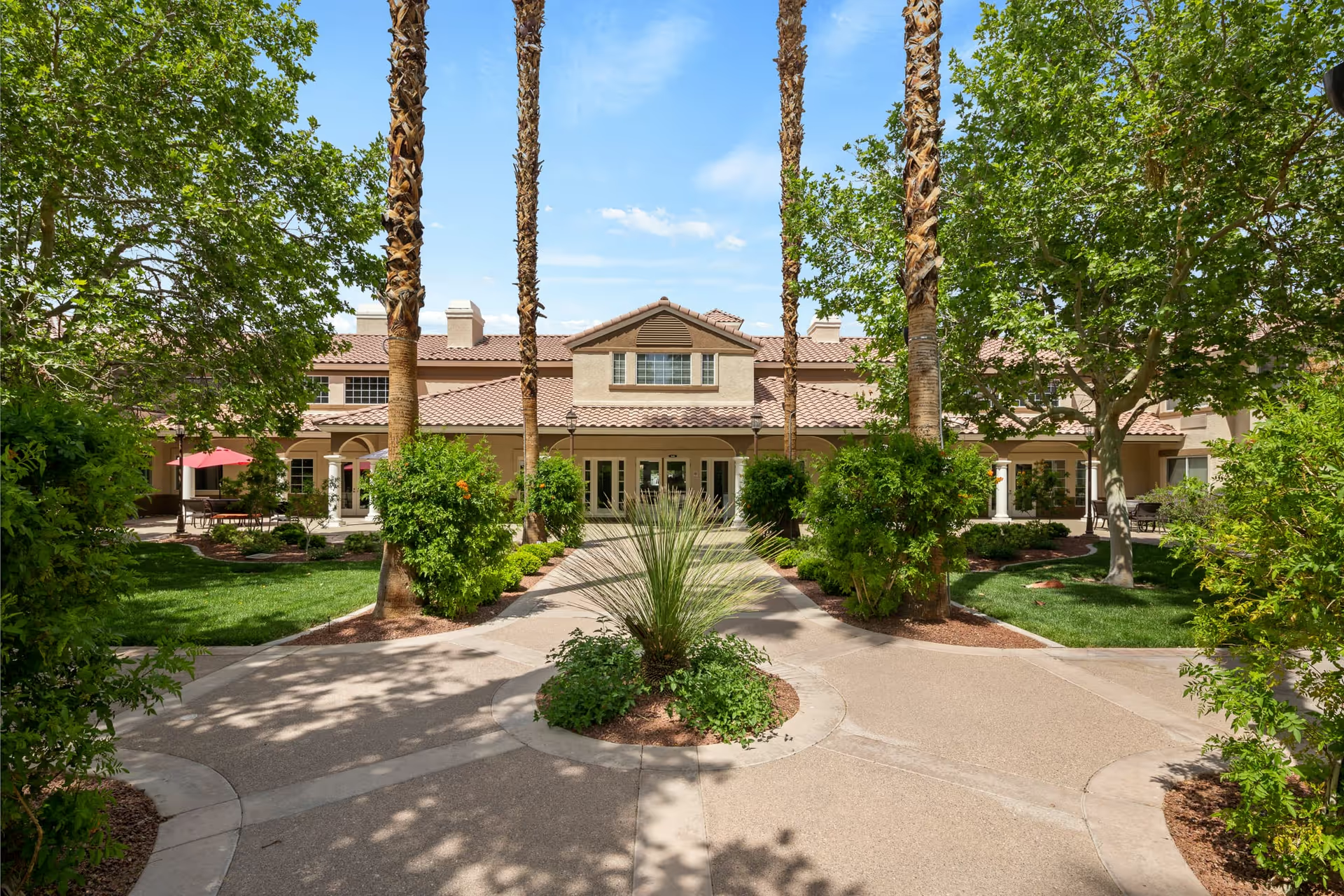
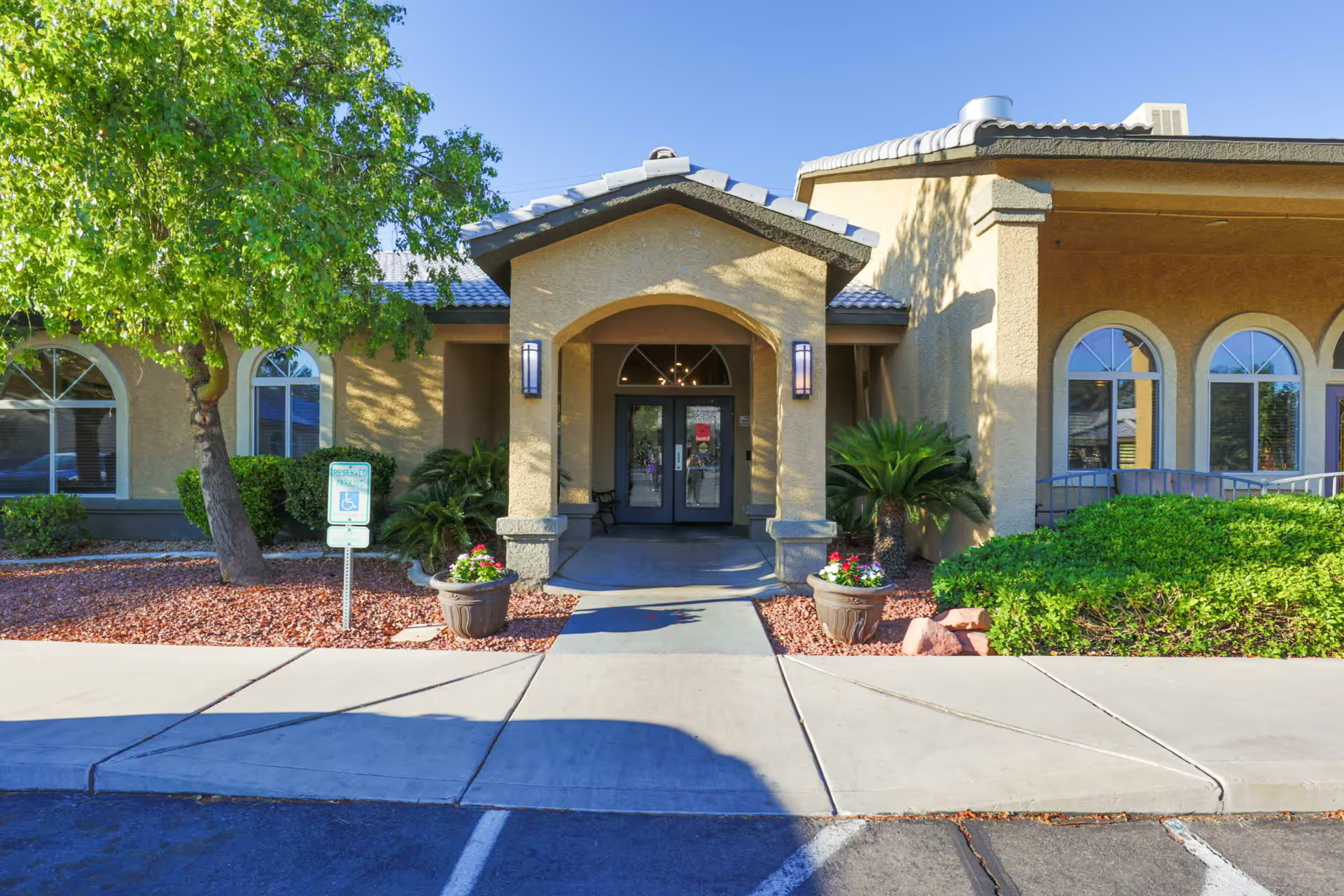
At the same time, reviewers describe operational weaknesses that warrant careful inquiry. Dining quality and meal temperature control are inconsistent: while some residents enjoy varied menus and specials, others describe limited choices, cold or unappealing portions, and small serving sizes. Housekeeping and laundry processes appear uneven across units, with intermittent cleanliness or laundry-supply problems noted. Physical plant issues are typical of an older complex: some areas have been remodeled and are well maintained, but other sections need updating, have limited outdoor space, and feature small elevators and occasional roof/upkeep concerns.
Clinical and safety themes recur in multiple reviews. Several families reported delays or gaps in clinical incident response, medication handling, and inter-shift communication; understaffing and heavy caregiver workloads were identified as contributing factors. Memory-care operations show mixed indicators: there are positive notes about engagement and specialized programming, but there are also concerns about access control, evening security, valuables-safety, and inconsistent activity stimulation for residents with cognitive impairment. A minority of reviews raised very serious clinical and safety concerns; these align with the broader patterns above (staffing, incident documentation, and communication) rather than indicating a single, uniform experience.
Management and administrative practices receive mixed evaluations. Some reviewers commend proactive directors, individualized move-in flexibility, transparent set-rate arrangements, and effective family communication. Others describe slow responses to paperwork or phone calls, unexpected fee changes without reassessment, and uneven communication between departments or shifts. These divergent reports suggest variability in leadership responsiveness depending on timing or specific staff on duty.
What this body of feedback indicates for prospective residents and families: many people experience a caring, activity-rich, and community-oriented environment with competent clinical support and useful amenities. However, there is sufficient variability—especially around dining, cleanliness consistency, staffing levels, memory-care security, and administrative communication—that an in-person visit and specific questions are essential. Suggested questions include current staffing ratios and night coverage, medication-management protocols and incident-reporting practices, security measures in memory-care areas, housekeeping and laundry schedules, sample meal tastings, recent facility upgrades, and policies on billing and fee changes. Those topics will help distinguish whether the strong positive experiences others describe will be typical for your particular unit, shift patterns, and level of care need.